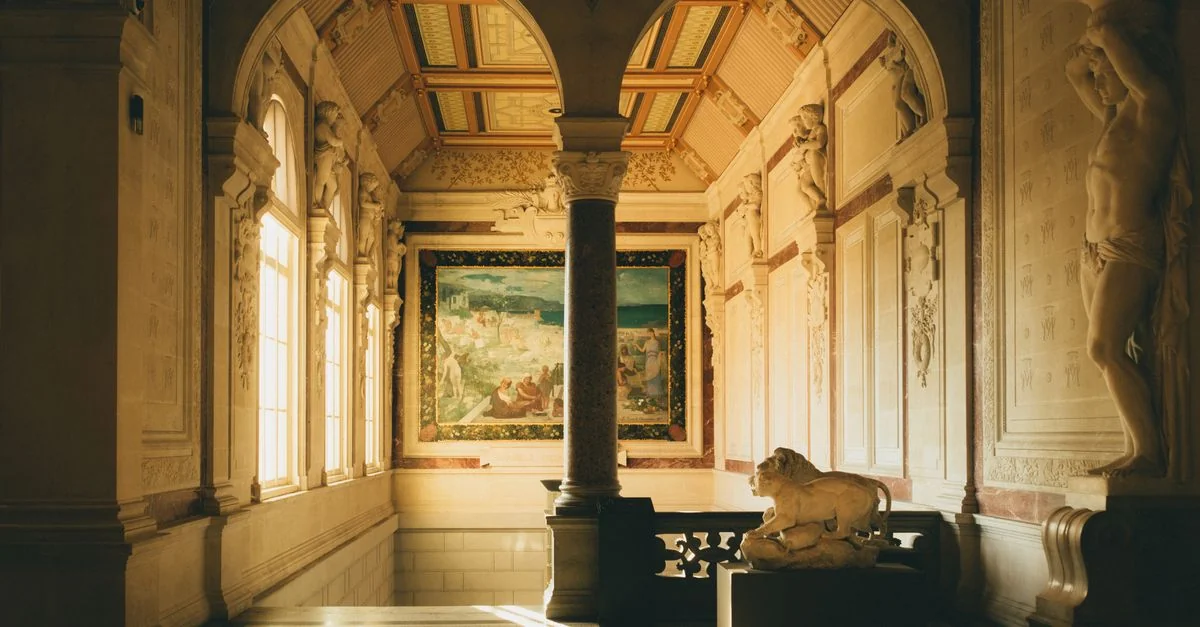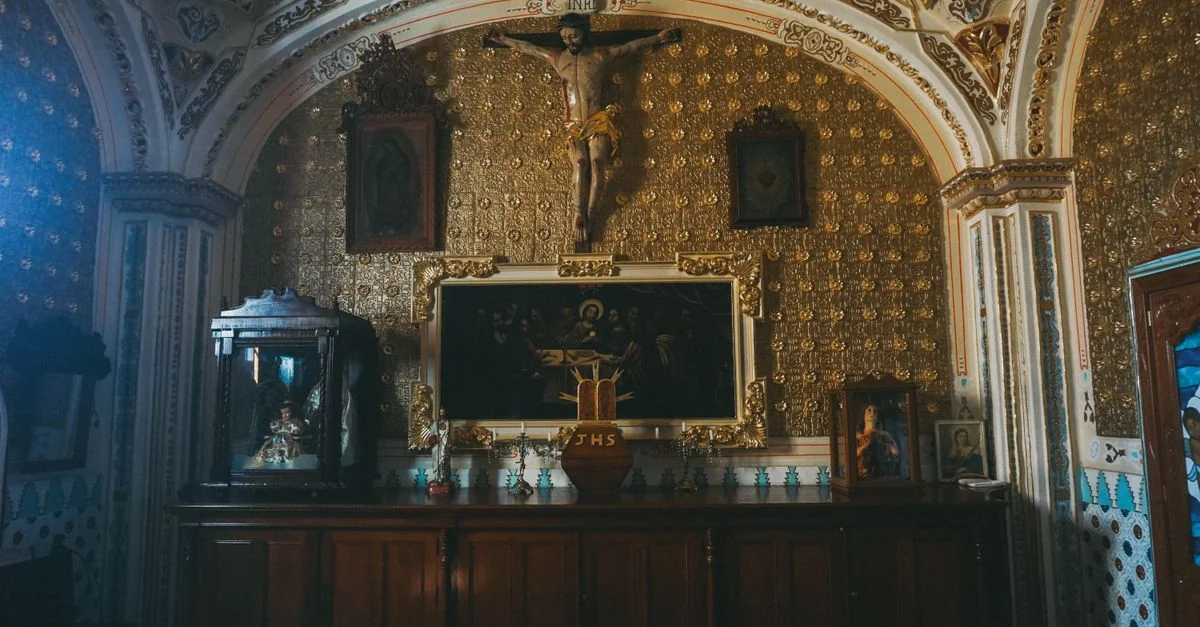
The stone carvings at the Monte Albán archaeological site, particularly the Danzantes reliefs, offer a silent, haunting look into the Zapotec civilization that once dominated the valley. Standing on the Main Plaza, looking out over the terraced hills, you realize that the architecture here is not merely decorative; it is a deliberate alignment with the horizon and the heavens. This sense of historical gravity is what defines the city of Oaxaca . It is a place where the ancient past is not tucked away in a basement but is present in the way local artisans still work with waist looms and black clay, techniques that have survived centuries of change. Why Oaxaca Is ideal for Art and History Lovers # Oaxaca serves as a living archive of human ingenuity. The city’s geography, nestled in a high-altitude valley, allowed for the development of distinct artistic traditions that remain central to local identity. When you walk through the markets or visit the outskirts where workshops are located, you see the continuity of craft. The black mud pottery, or barro negro, is a perfect example of how local resources are transformed into sophisticated art forms. Similarly, the tradition of carving alebrijes—intricately painted wooden figures—reflects a unique worldview that blends surrealism with traditional Zapotec motifs.
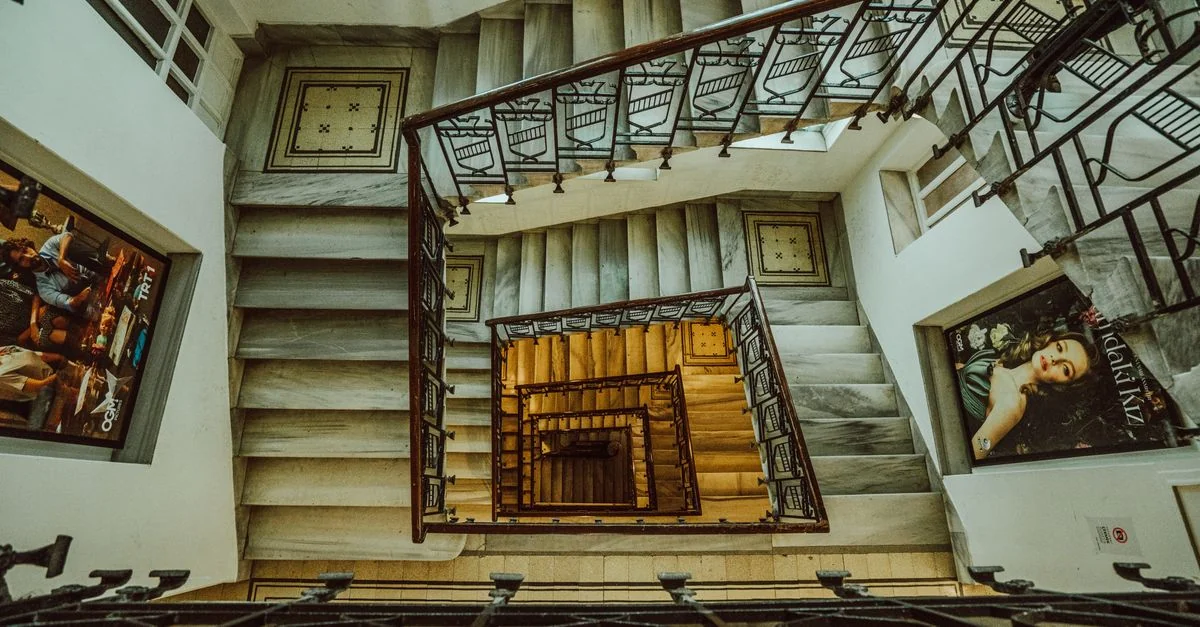
When standing before the raw, welded-metal sculptures outside the local creative spaces in Nyarugenge , you immediately sense the district’s modern artistic identity. This is a place where contemporary makers reinterpret historical narratives through canvas, clay, and discarded materials. As a traveler who tracks creative communities across the globe, I find that Nyarugenge rewards those who look past the surface and engage directly with the people shaping East Africa ’s contemporary aesthetic. Why Nyarugenge Is ideal for Art and History Lovers # The urban core of Kigali holds stories of resilience, reinvention, and rapid artistic growth. Walking through the neighborhood streets, you encounter public art installations and architectural juxtapositions that speak to the city’s trajectory. Traditional craft cooperatives sit alongside contemporary galleries, creating a dynamic visual dialogue between past traditions and modern expressions. Painters and sculptors here do not simply replicate historical motifs; they challenge viewers to consider identity, urbanization, and memory.

Standing before the intricate stone reliefs carved into the temple walls of southern Bali , I always trace the deep grooves left by the sculptor’s chisel. These detailed narrative panels depict ancient epics, anchoring the island’s coastal geography in centuries of storytelling. While this region is frequently recognized for its manicured lawns and guarded resort gates, a closer inspection reveals significant artistic traditions that extend far beyond the hotel pools. Why Nusa Dua Is ideal for Art and History Lovers # When travelers think of southern Bali, pristine beaches and luxury hospitality usually come to mind. Yet, the area serves as an ideal baseline for exploring Balinese craftsmanship, temple architecture, and performing arts. Local stone carvers still practice techniques passed down through generations, utilizing soft paras sandstone to adorn local shrines with floral motifs and mythological figures. Traditional painters maintain the Kamasan style, utilizing natural pigments to illustrate Hindu epics on cloth and bark paper.
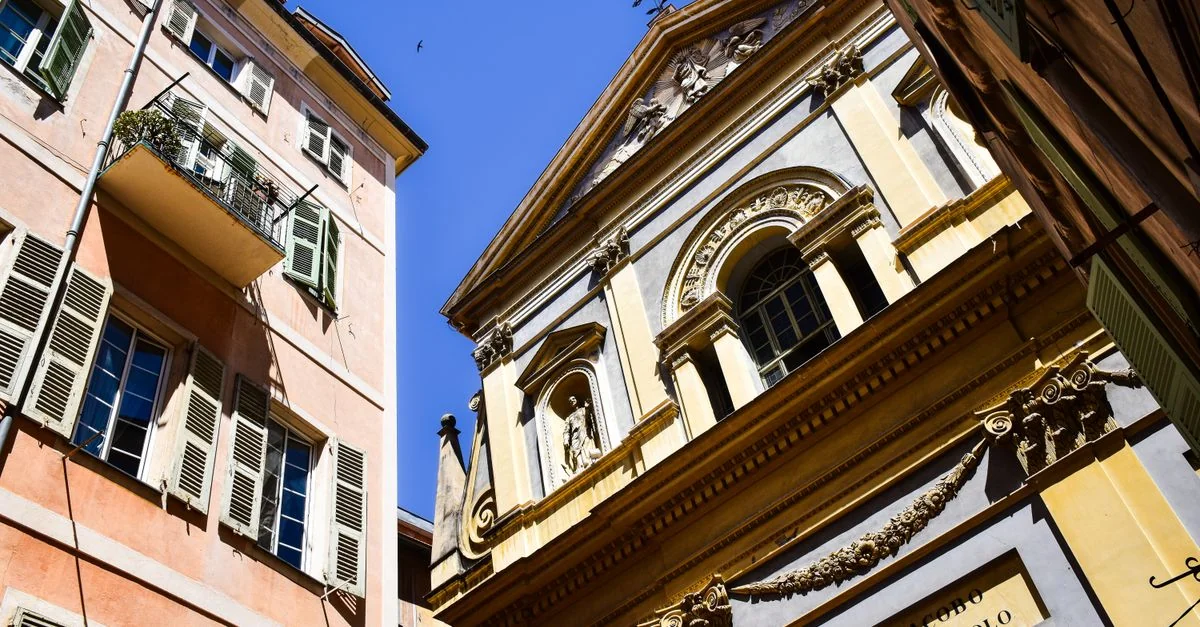
Standing before the Matisse Museum, I found myself captivated by the way the ochre-colored villa reflects the Mediterranean sun. It is a building that feels less like a formal institution and more like a private residence where time has slowed to a crawl. The way the light hits the shutters reminds me why so many painters chose to settle in this specific corner of the world. Nice is not merely a coastal destination; it is a profound intersection of Italian influence, French refinement, and the enduring legacy of the artists who sought to capture its unique atmosphere. Why Nice Is ideal for Art and History Lovers # The architecture of Nice tells a story of shifting borders and cultural synthesis. Walking through the Old Town, or Vieux Nice, you notice the distinct Italianate style—the pastel-colored facades and the narrow, winding streets designed to provide shade from the midday heat. This is a city where history is not tucked away in glass cases but is visible in the peeling paint of a 17th-century doorway or the intricate baroque carvings of the Chapelle de la Miséricorde.
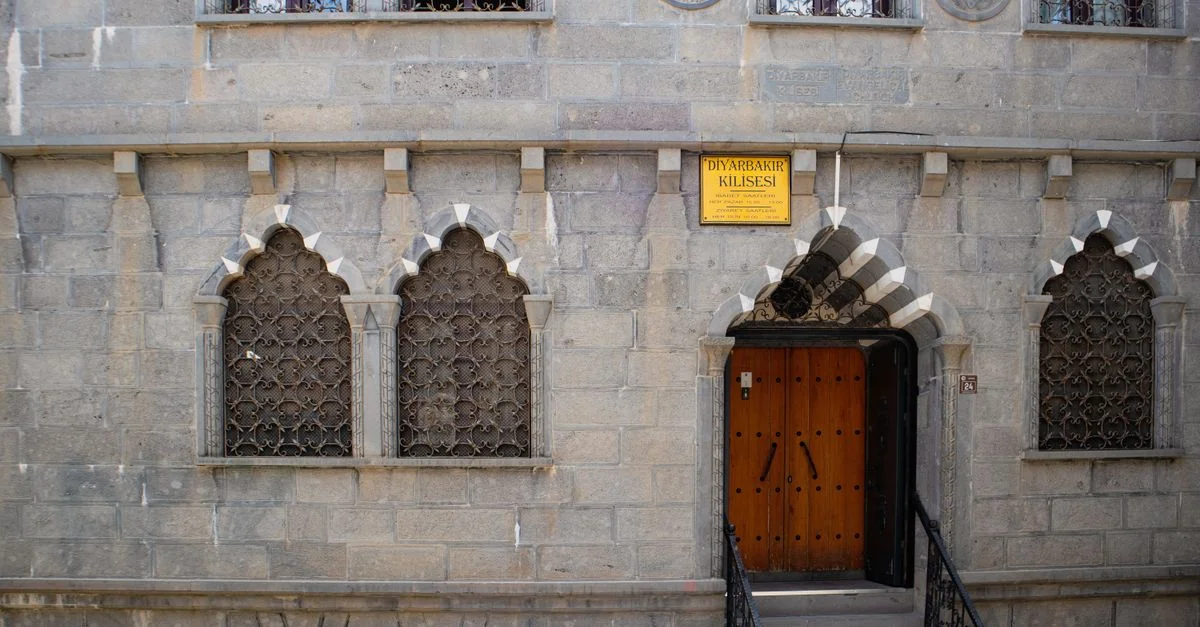
Standing inside the multi-tiered chambers carved into the volcanic tuff of Central Anatolia, I always find myself examining the precise tool marks left by ancient stone cutters who shaped these subterranean communities centuries ago. Nevşehir Merkez serves as the administrative heart of the Cappadocia region, acting as the primary gateway to monumental engineering feats carved deep into the earth. When I travel here, my focus centers entirely on the archaeology, the stratified architectural history, and the profound human effort required to carve entire cities out of soft volcanic rock. Why Nevşehir Merkez Is ideal for Art and History Lovers # Art and history in Nevşehir Merkez do not reside solely inside traditional climate-controlled galleries; they are embedded directly into the geological landscape. The region’s historical significance stems from defensive architecture and early Christian settlements that utilized underground networks to escape successive waves of invaders. Walking through these ancient corridors reveals stables, storage rooms, kitchens, and churches hewn from the living rock with remarkable geometric precision.
Standing before the physical remnants of ancient Greek civilization always shifts my perspective on modern cityscapes. When I first wandered through Nea Ionia, founded largely by refugees following the 1922 population exchange between Greece and Turkey , I found a neighborhood deeply shaped by memory, resilience, and Anatolian heritage. While many travelers rush past suburban Attica toward the Acropolis, this municipality offers an entry point into both the domestic history of 20th-century resettlement and monumental classical archaeology situated just beyond its borders. As a culture writer, I look past generic tourist itineraries to find the real pulse of a destination. Nea Ionia may not boast an overwhelming number of local galleries within its immediate grid, but its strategic position in the northern sector of the Athens metropolitan area makes it a fascinating base for serious history enthusiasts. Let us examine how to spend your time here effectively.
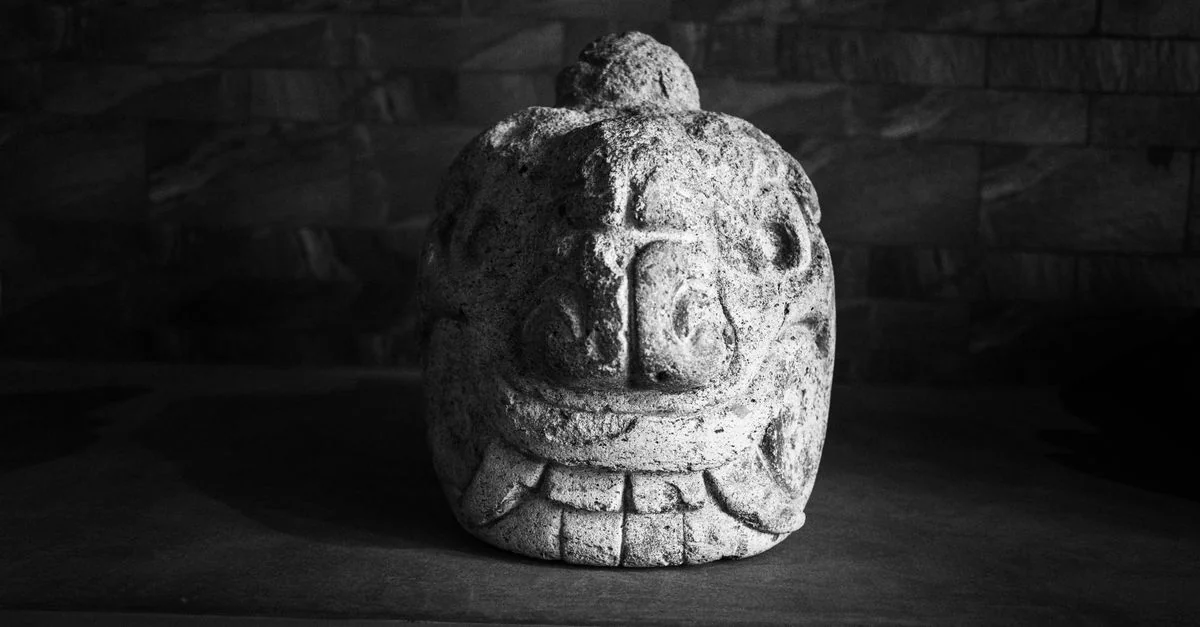
The trapezoidal figure etched into the Pampa de Jumana, known as the “Runway,” serves as a stark reminder of the precision required by the Nasca civilization. Standing at the edge of the desert, observing how these lines maintain their geometric integrity despite centuries of wind and erosion, offers a profound perspective on pre-Columbian engineering. The desert floor here acts as a canvas, where the removal of dark, iron-oxide-coated pebbles reveals the lighter earth beneath, creating permanent marks that have survived since the period between 200 BCE and 600 CE. Why Nasca Is ideal for Art and History Lovers # Nasca is not merely a stopover on the Pan-American Highway; it is an open-air gallery of monumental proportions. The art here is defined by scale and intent. Unlike the portable ceramics or textiles found in other Andean cultures, the art of the Nasca people often required a collective effort to execute. The geoglyphs, ranging from simple lines to complex zoomorphic figures like the hummingbird or the spider, represent a sophisticated understanding of surveying and religious devotion.
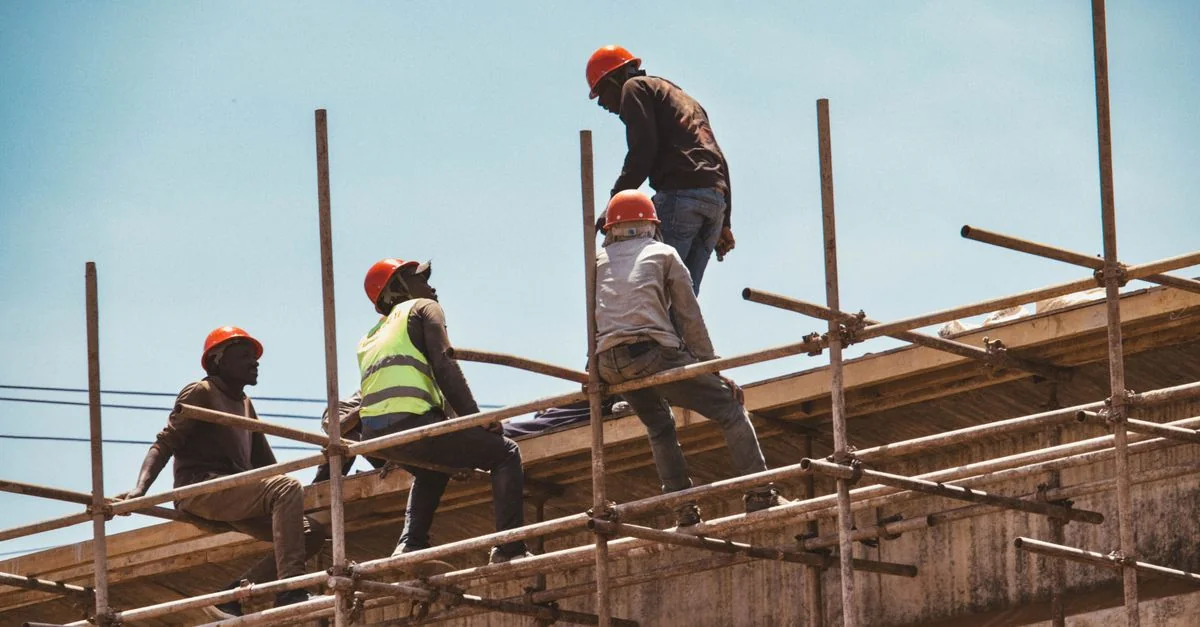
In 1899, a simple rail depot sprouted on swampy ground where Maasai herders once watered their cattle, eventually hardening into the administrative capital of Kenya . Today, walking through the Central Business District reveals a striking juxtaposition of colonial-era stone facades, brutalist mid-century civic architecture, and contemporary glass high-rises that document the shifting ambitions of East Africa ’s largest metropolis. Why Nairobi County Is ideal for Art and History Lovers # Architectural historians and cultural observers find endless fascination in the way Nairobi ’s street grid tells a story of planning decisions spanning more than a century. The city layout retains the footprint of British colonial design overlaid with the rapid modernization projects of post-independence administrations. Strolling past landmarks like the McMillan Memorial Library or the Parliament Buildings provides a concrete lesson in stone and mortar regarding how civic spaces project authority. Public art installations and sculptures scattered throughout downtown honor the nation’s independence leaders and freedom fighters, transforming the downtown core into an open-air museum for those willing to look up from the sidewalk.
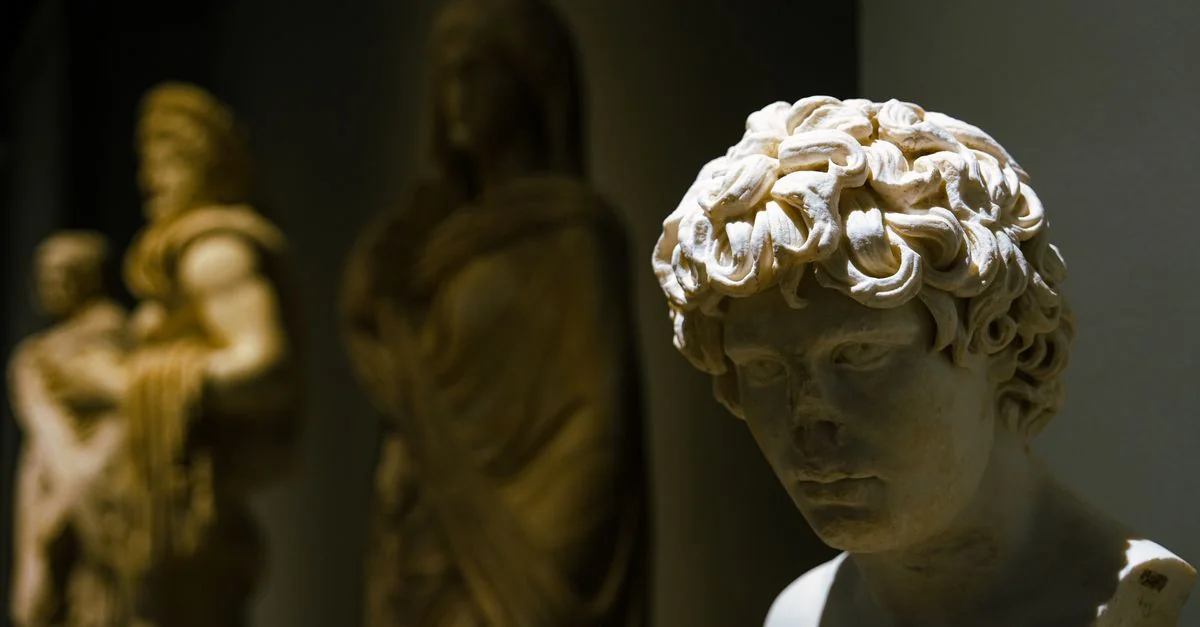
Standing beneath the massive stone walls of the Palamidi Fortress, looking out over the Argolic Gulf, I am reminded that Nafplio served as the first official capital of modern Greece . The city’s architecture tells a complex story of Venetian occupation, Ottoman rule, and early Greek statehood. Every corner of the old town reveals neoclassical mansions with wrought-iron balconies and bougainvillea-draped courtyards. As a traveler who tracks history through brushstrokes and carved marble, I find that Nafplio offers a distinct Mediterranean aesthetic where artistic detail meets military engineering. Why Nafplio Is ideal for Art and History Lovers # The urban landscape of Nafplio functions as an open-air museum. Walking through Syntagma Square, you encounter the Vouleftikon, a former Ottoman mosque that housed the first Hellenic Parliament, and the Archaeological Museum, which occupies a grand Venetian arsenal building from 1713. The streets here were laid out by the French architect Stamatis Voulgaris in the 1820s, giving the lower town a geometric grace that contrasts with the rugged medieval fortifications climbing the cliffs above.
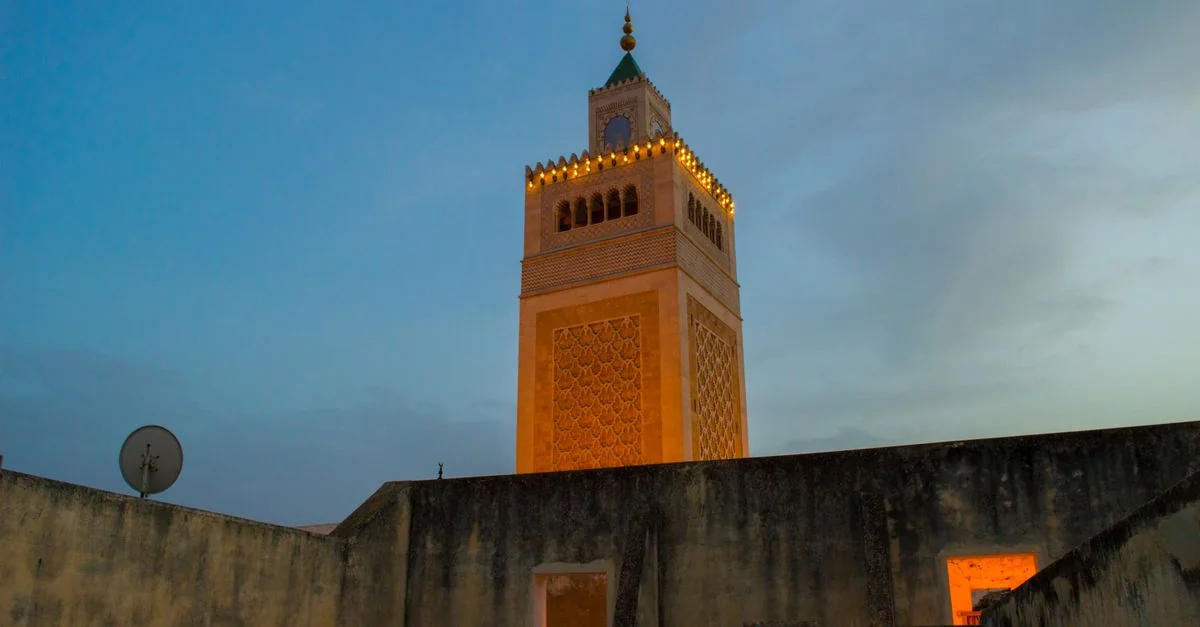
Standing before the heavy wooden doors of the Zaytouna Mosque, studded with iron nails and framed by salvaged Roman marble columns, you sense the deep layers of craftsmanship that built the Médina de Tunis. As a traveler who tracks civilizations through their masonry, tilework, and curated galleries, I found this labyrinth of the 9th century onward to be a remarkable study in urban preservation. Why Médina de Tunis Is ideal for Art and History Lovers # Walking the narrow vaulted alleyways reveals why this district earned UNESCO World Heritage status. Artisans hammer brass in the Souk des Chachias, producing the traditional crimson felt caps that have defined local headwear for centuries. The architecture shifts from austere limestone facades to the ornate stucco and Iznik tile panels of palaces like Dar Bach Hamba and Dar Hussein. These residences now function as cultural centers and municipal offices, but their interior courtyards still showcase the geometric precision of Andalusian and Ottoman design influences.