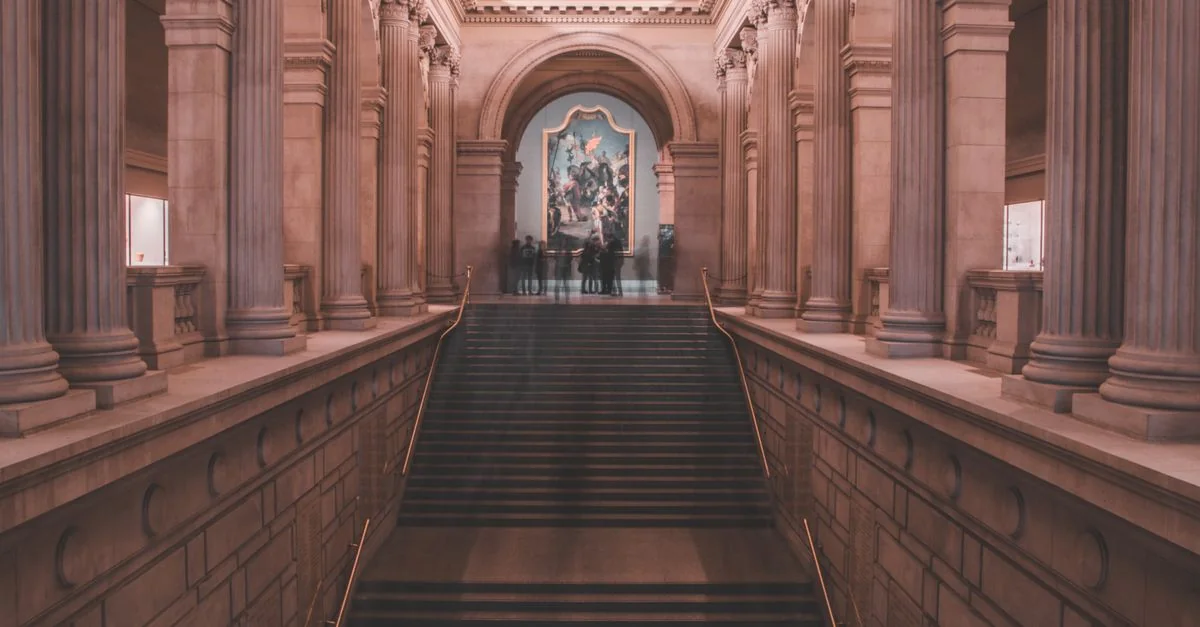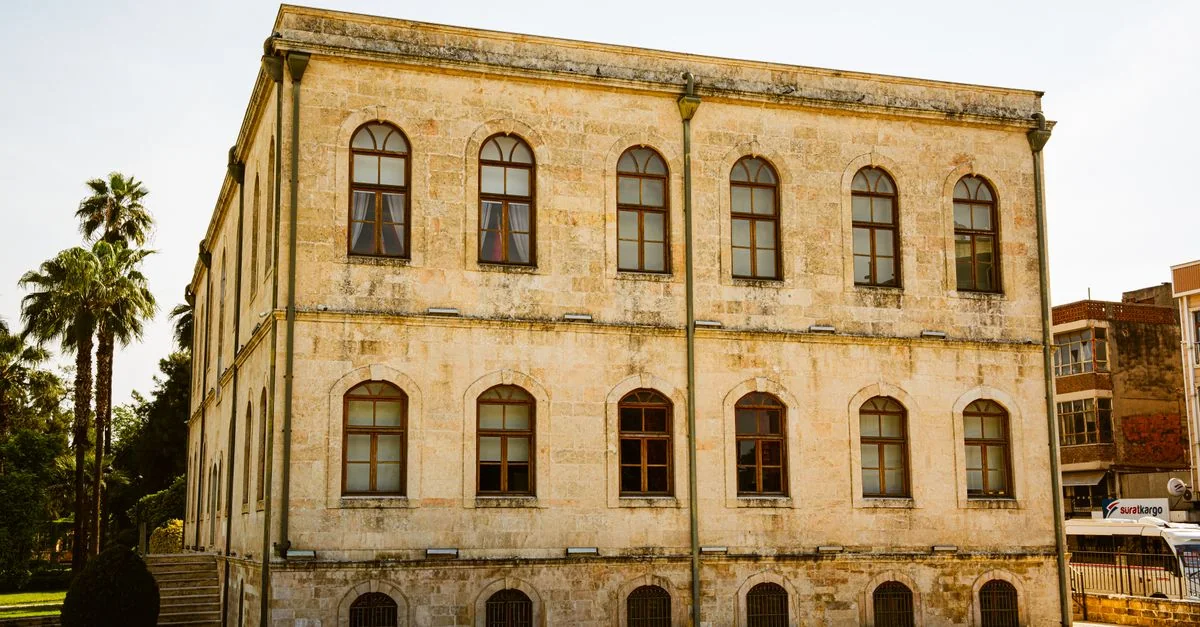
Standing before the carved stone reliefs of the historic Kaleiçi district, I traced the rough edges of centuries-old architecture where ancient Mediterranean trade routes once converged. Muratpaşa , the pulsing heart of Antalya , holds layers of human creativity that stretch from classical antiquity down to modern performance arts. As a traveler who tracks civilizations through their brushstrokes, textiles, and public monuments, I found this stretch of the Turkish coast to be a quiet revelation. It is a place where every restored Ottoman konak and sun-bleached ruin tells a story of aesthetic endurance. Why Muratpaşa Is ideal for Art and History Lovers # The physical geography of Muratpaşa—clinging to limestone cliffs above the turquoise Gulf of Antalya—has drawn creators and empires for millennia. Walking through the narrow alleys of Kaleiçi, you encounter the architectural footprints of the Hellenistic, Roman, Byzantine, and Ottoman periods standing side by side. The fluted minaret of Yivli Minare, built by the Seljuk Sultan Kayqubad I in the 13th century, remains a masterclass in brick geometry and turquoise tilework. Meanwhile, Hadrian’s Gate, erected in honor of the Roman emperor’s visit in 130 CE, frames the modern city with intricately carved marble acanthus leaves and lion-head motifs that have survived two thousand years of seismic shifts.
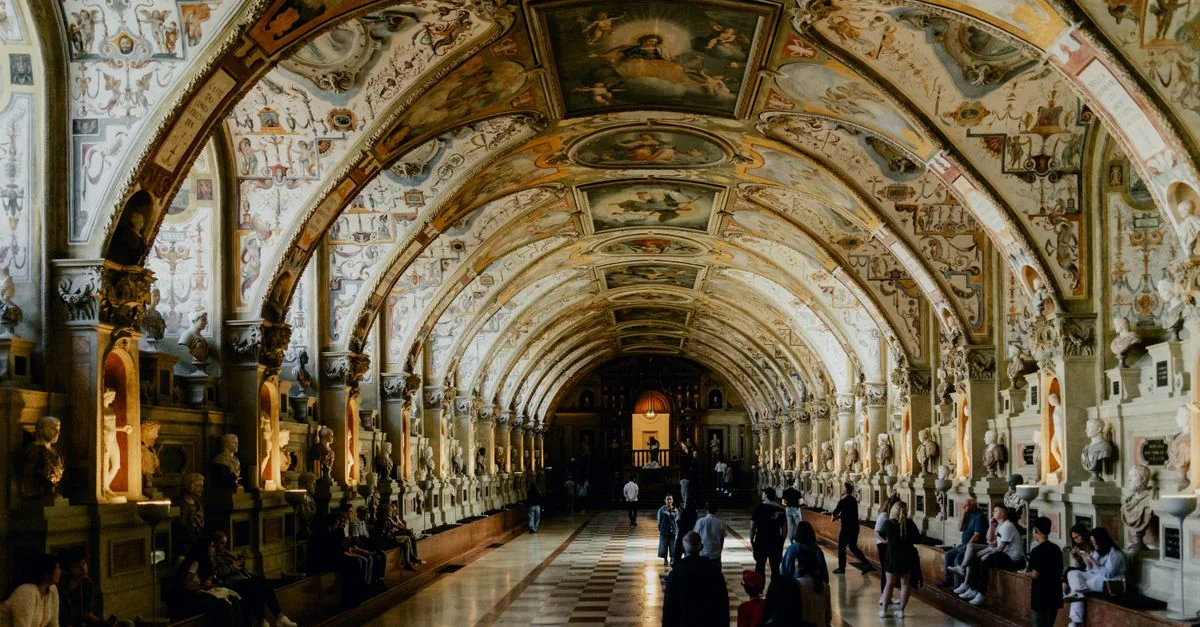
Standing inside the Alte Pinakothek, I spent nearly twenty minutes studying Albrecht Dürer’s Self-Fur-Collared Self-Portrait from 1500, marveling at how the artist painted individual hairs with such precision that the surface feels almost sculptural. Munich operates on this exact intersection of meticulous historic preservation and bold creative expression. When I travel through Bavaria’s capital, I look past the standard tourist narratives to find the specific galleries, day excursions, and interactive spaces that define the local cultural landscape. Why Munich Is ideal for Art and History Lovers # Munich holds a distinct place in European art history, shaped heavily by the patronage of the Wittelsbach dynasty, who collected masterpieces across centuries. Walking through the central districts, you notice how the city honors this legacy through monumental architecture and sprawling gallery complexes like the Kunstareal district. My preferred approach to exploring this city involves balancing the classical paintings of the old masters with contemporary conceptual spaces.
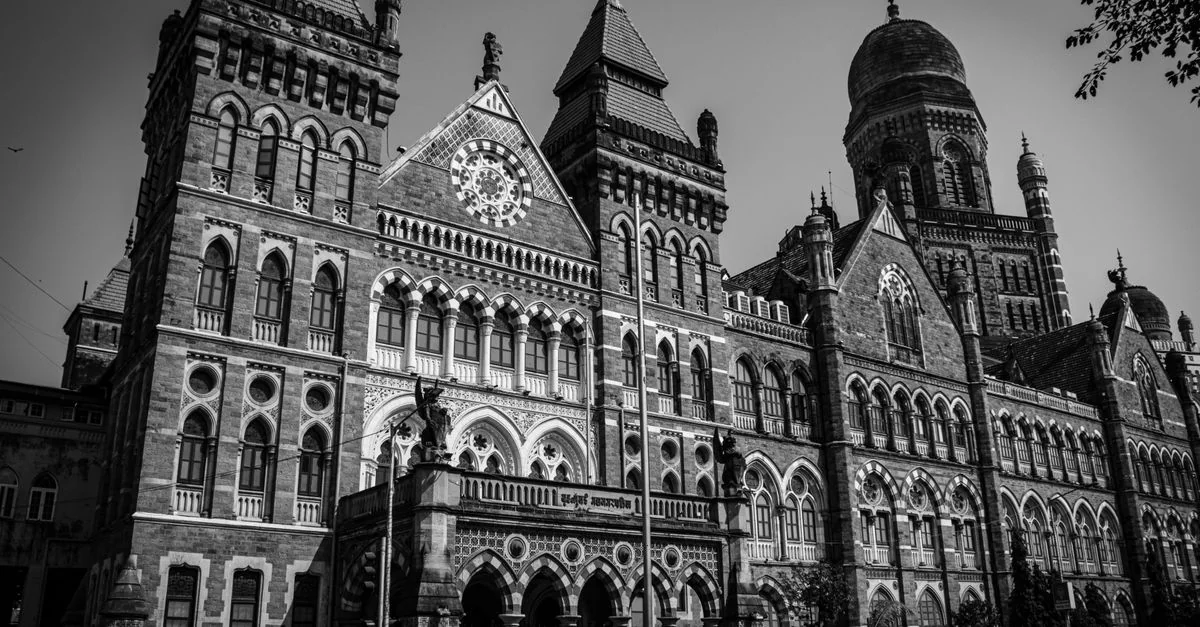
The basalt arches of the Gateway of India stand as a stoic reminder of the city’s complex colonial past. When you stand beneath the central dome, looking out toward the Arabian Sea, the intricate latticework and the sheer scale of the Indo-Saracenic architecture command attention. It is here, at the edge of the water, that you begin to understand how Mumbai functions as a bridge between centuries. The city does not merely house history; it breathes it through its Victorian Gothic railway stations, its Art Deco residential blocks along Marine Drive, and the quiet, curated spaces of its museums. Why Mumbai Is ideal for Art and History Lovers # Mumbai serves as a focal point for those who want to see how global influences settled into the Indian landscape. The city’s architectural identity is a direct result of its geography as a major port. Walking through the Fort area, you encounter buildings that mimic the grandiosity of London , yet they are constructed from local materials and adapted for the humid, tropical climate. This is not a city that hides its history; it displays it on every street corner.
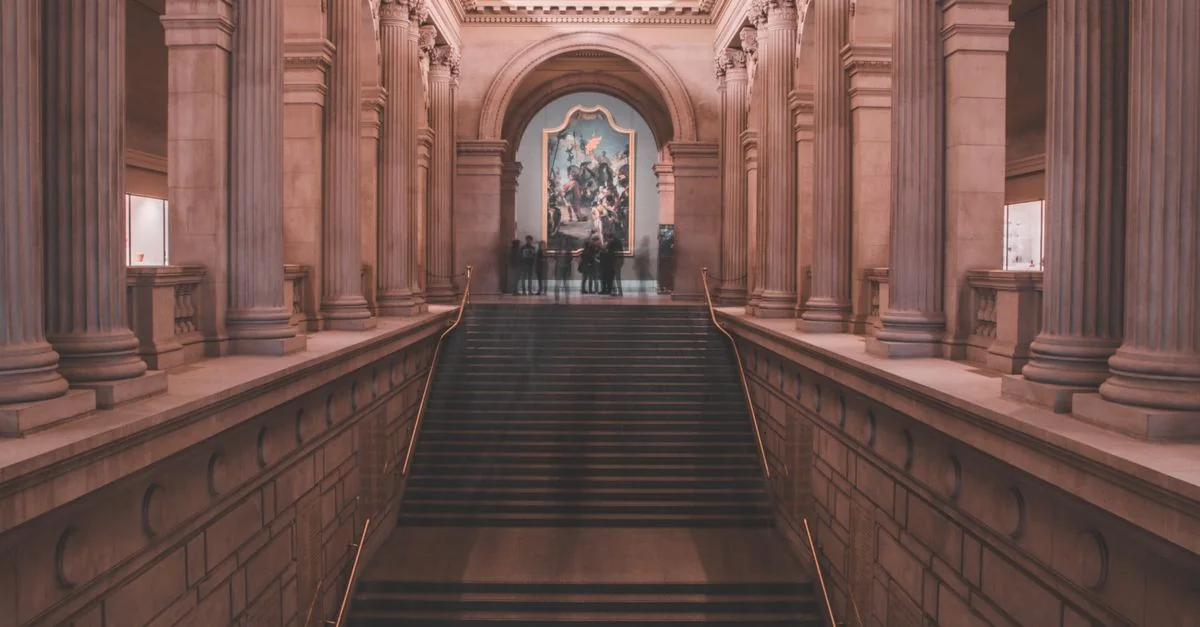
Standing before the weathered brick facade of the Alberta Arts District, you can immediately trace the physical layers of community history embedded in the neighborhood’s murals and independent galleries. Multnomah County holds a distinct creative energy, shaped by generations of makers, muralists, and neighborhood historians who turned industrial streetscapes into open-air studios. When I travel through this region, I look past the standard tourist itineraries to find the real cultural heartbeat of the streets, tracking how local residents preserve their neighborhoods through paint, public sculpture, and community organizing. Why Multnomah County Is ideal for Art and History Lovers # The creative identity of Multnomah County thrives in its neighborhood pockets, where public art functions as social commentary and historical archive. Rather than keeping history confined behind glass vitrines, the region displays its cultural evolution on exterior walls and historic storefronts. Walking down the avenues reveals how local artists document neighborhood shifts, civil rights milestones, and the enduring influence of Pacific Northwest printmakers and ceramicists.
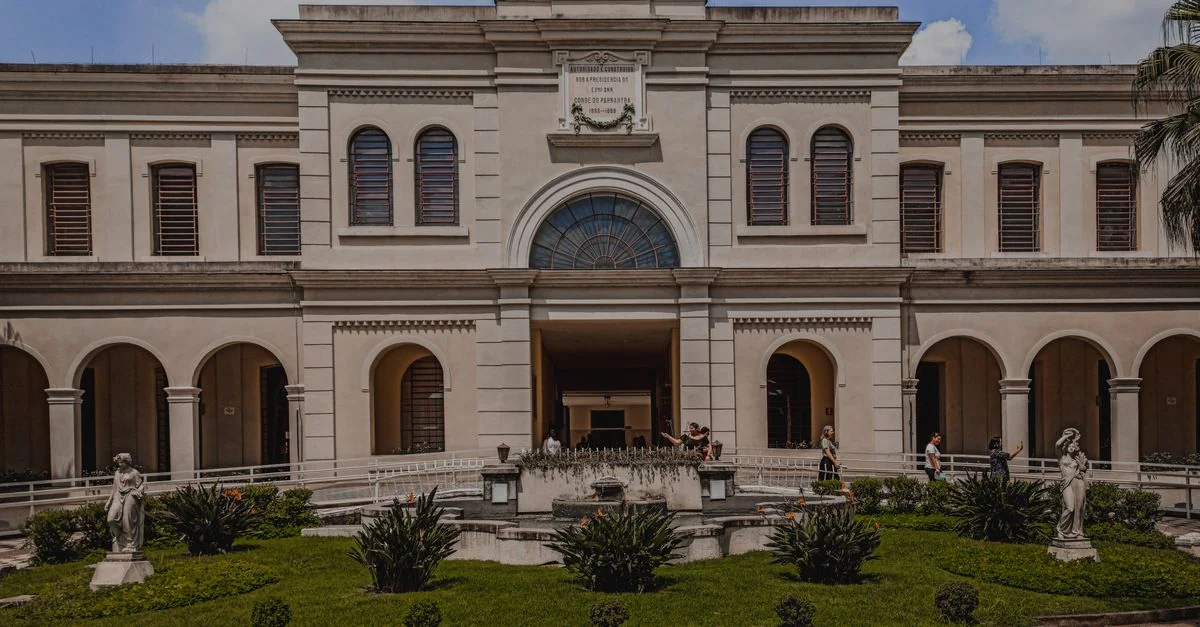
Standing beneath the weathered Georgian architecture of the historic courthouse on Sam Sharpe Square, you can almost hear the echoes of 19th-century abolition debates. When I travel through the Caribbean , I look past the resort brochures to find the physical spaces where local history, contemporary music, and visual expression intersect. Montego Bay carries a distinct creative pulse, shaped by colonial history, Afro-Jamaican resilience, and a thriving nightlife that acts as a modern canvas for regional artists and performers. Why Montego Bay Is ideal for Art and History Lovers # Art in this coastal Jamaican hub lives as much on the walls of neighborhood lounges as it does in formal galleries. The city’s cultural identity is rooted in the transition from sugar plantations to contemporary artistic expression, where music, dance, and visual design merge. Walking through the streets reveals architectural echoes from the British colonial era standing right alongside modern murals. Galleries and performance spaces reflect the island’s ongoing dialogue with its past.
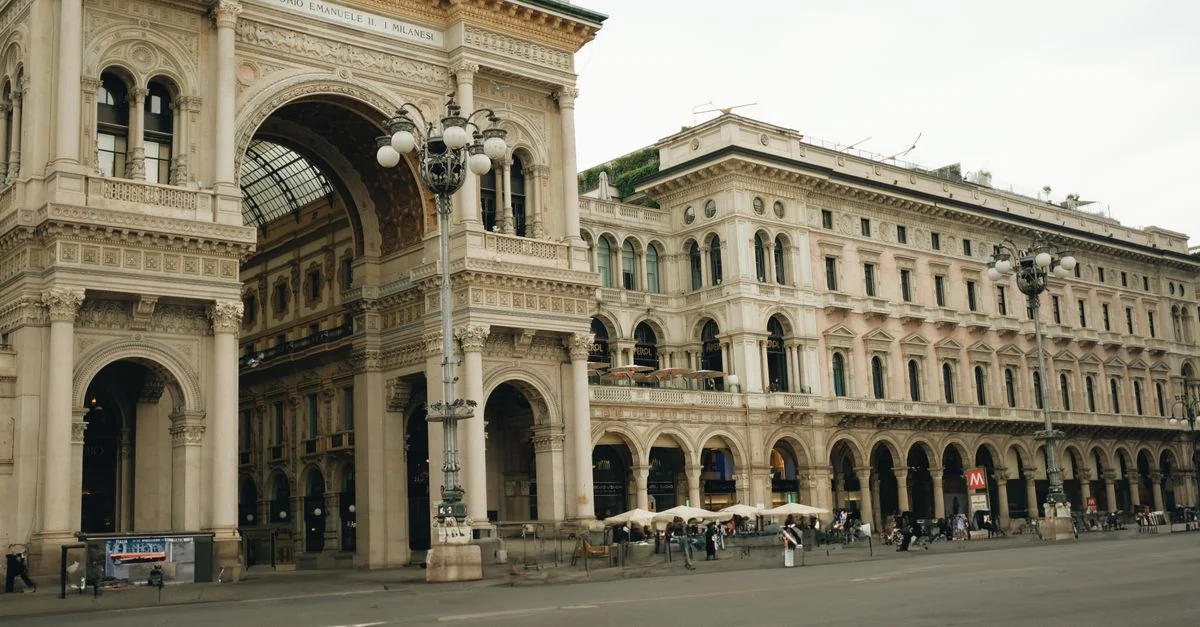
Standing in front of Michelangelo’s unfinished Rondanini Pietà inside the Museo d’Arte Antica, you realize Milan operates on a different frequency than Rome or Florence . Here, art is forged in industrial iron, Renaissance brick, and the sheer vertical ambition of Gothic spires. When I travel for art and history, I look past the superficial gloss and zero in on the physical spaces where centuries of patrons, architects, and athletes left their mark. Milan demands that you look up, walk through heavy wooden doors, and trace the lines of ancient fortifications and modern stadiums alike. Why Milan Is ideal for Art and History Lovers # Milan’s cultural identity is deeply rooted in civic power and engineering feats. The city shifted from a Roman imperial capital to a Visconti and Sforza stronghold, and finally into an economic powerhouse that still reveres design and sport with religious fervor. When you walk through the city, you are tracking the evolution of brickwork, defensive architecture, and monumental concrete.
Standing before the industrial warehouses of the Little River neighborhood, concrete facades read as open-air canvases where local artists reshape the visual language of South Florida. For years, my travels have centered on finding spaces where contemporary design intersects with everyday urban life, and this county offers a distinct industrial edge far removed from the pastel art deco postcard imagery most travelers expect. Why Miami -Dade County Is ideal for Art and History Lovers # When you peel back the layers of South Florida beyond the shoreline, you find a distinct physical geography shaped by industrial architecture, immigrant communities, and a thriving contemporary studio culture. Neighborhoods like Little River evolved from quiet manufacturing districts into expansive zones of creative production, where independent galleries occupy former machine shops and metal fabrication warehouses.
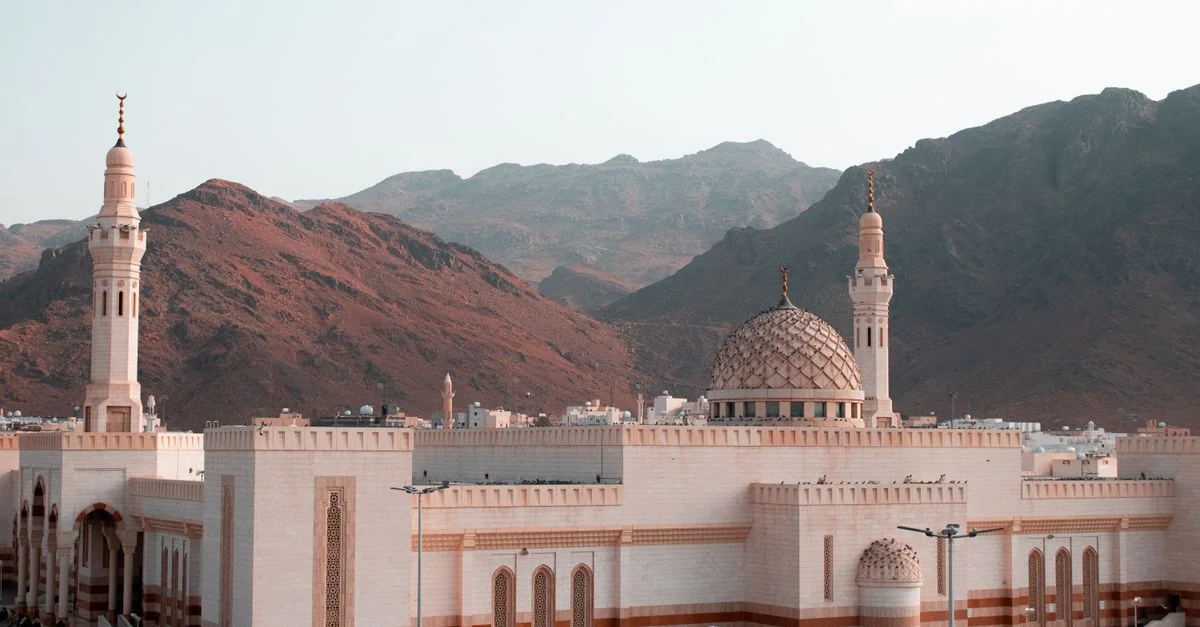
The sight of the clock face atop the Abraj Al-Bait complex, visible from miles away, serves as a modern anchor for a city defined by its deep historical roots. Standing beneath these massive structures, one cannot help but notice the juxtaposition of contemporary engineering against the ancient spiritual geography of the region. The intricate geometric patterns carved into the stone facades and the sheer scale of the masonry reflect a commitment to craftsmanship that has defined this landscape for centuries. For those interested in the evolution of monumental architecture and the physical markers of history, Mecca offers a perspective that is grounded in both the ancient past and the rapid development of the modern era. Why Mecca Is ideal for Art and History Lovers # Mecca functions as a living archive of Islamic history. The physical environment here is not merely a collection of buildings but a testament to how art and architecture have been utilized to define space and direct the human experience. When you walk through the city, the focus is on the structural integrity of the sites and the historical narratives embedded in the stone. The art here is found in the calligraphy adorning the walls, the precision of the masonry, and the deliberate layout of the city’s most significant locations.
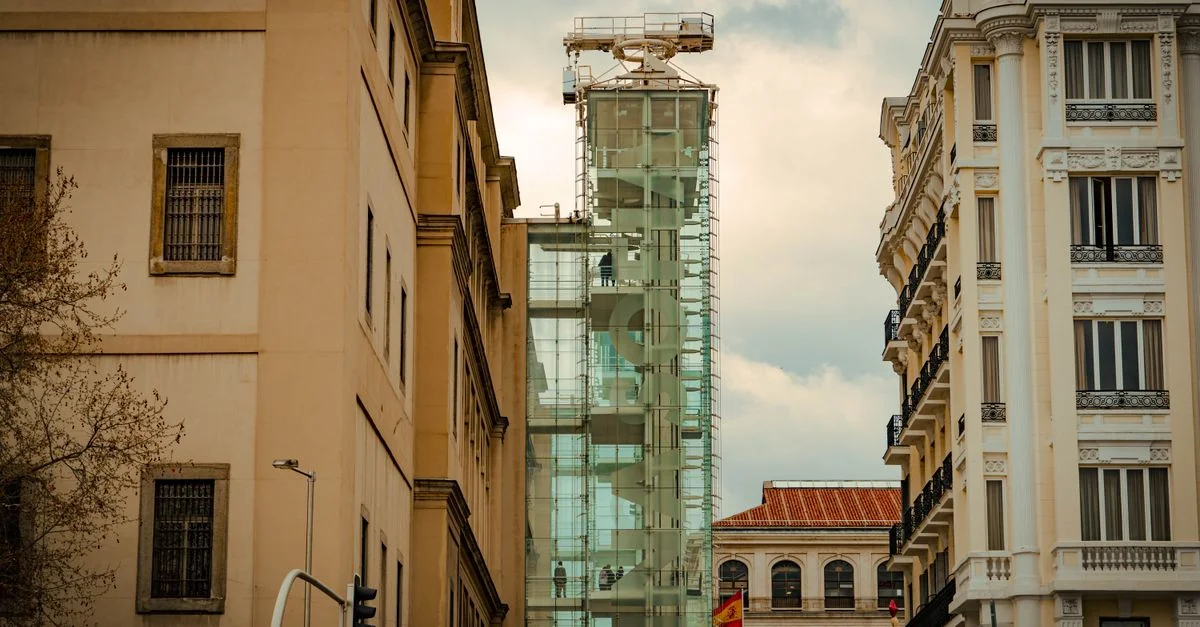
The intricate stucco work on the facade of the Cathedral of Murcia serves as a stark reminder of the architectural evolution that defines this region. Standing before the ornate, baroque exterior, one can trace the transition from the foundational Islamic influences to the later Christian overlays that characterize the city’s skyline. It is this specific intersection of eras—where the remnants of the Almohad period meet the grandeur of later centuries—that makes exploring the local landscape so compelling for anyone interested in the physical manifestation of history. Why MU Is ideal for Art and History Lovers # MU functions as a living archive of the Iberian Peninsula’s complex past. The city does not merely house artifacts in sterile rooms; rather, the streets themselves act as a conduit to the past. Walking through the center, you notice how the urban layout preserves the footprint of the medieval medina. For those of us who prioritize archaeology, the significance of these sites lies in the ability to touch walls that have stood for nearly a millennium. The local focus on preserving Islamic archaeological sites provides a rare opportunity to understand the sophisticated irrigation and urban planning systems that allowed this region to flourish in the arid climate of the southeast.
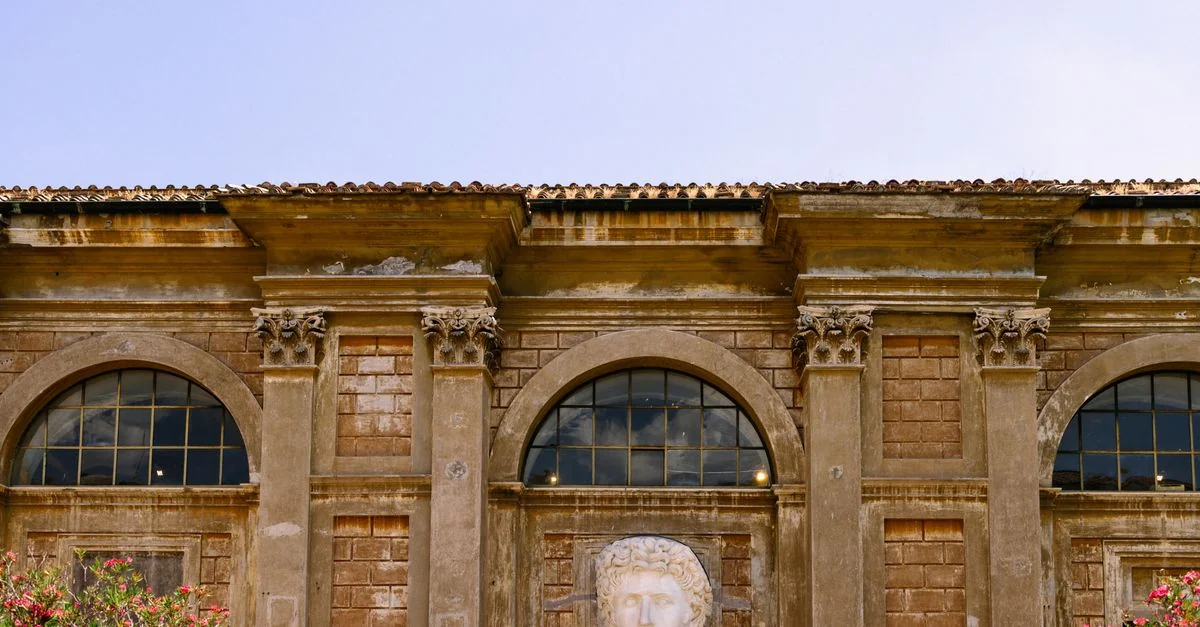
Standing inside the cool, damp interior of Santa Lucia alle Malve, my fingers brushed against eleventh-century frescoes painted directly onto the limestone cave walls. The pigments—faded ochres, earthy reds, and deep indigos—depicting a towering Madonna and Child felt remarkably immediate, despite the centuries of human footsteps that have worn down the stone floors beneath them. This subterranean sanctuary is just one fragment of the extraordinary landscape that defines MT, a southern Italian destination where architecture, archaeology, and human survival intertwine in the most striking manner imaginable. Why MT Is ideal for Art and History Lovers # The singular topography of MT forces you to reconsider how art and habitation intersect. Long before canvas and marble dominated European artistic expression, local masons and monks in MT carved entire sanctuaries, frescoed churches, and multi-level dwellings directly out of the calcarenite rock. Walking through the Sassi districts feels like stepping inside a massive sculpture where the boundary between nature and human intervention disappears entirely.