In the shadow of the San Rafael Swell, the local landscape holds deep ties to prehistoric artistry and ancient geological formations. Standing before the carved stone panels and eroded sandstone hoodoos of this Utah region, you realize that the primary creative force here is deep time itself. Wind, water, and early human inhabitants have shaped an open-air gallery that rewards deliberate observation over rushed sightseeing. If you are planning a trip to this part of the American West, your actual decision comes down to how you pace your travel across vast distances, when to visit to avoid extreme desert temperatures, what self-guided audio formats to download before losing cell service, and how to avoid wasting hours driving the wrong dirt tracks. Why Emery County Is ideal for Art and History Lovers # When you approach the eroded sandstone features of the San Rafael Swell, the sheer scale of the geology forces you to slow down and re-evaluate how humans have interacted with this terrain for centuries. Ancient Fremont people left intricate petroglyphs and pictographs on canyon walls across Emery County, serving as permanent records of their culture etched directly into the stone.
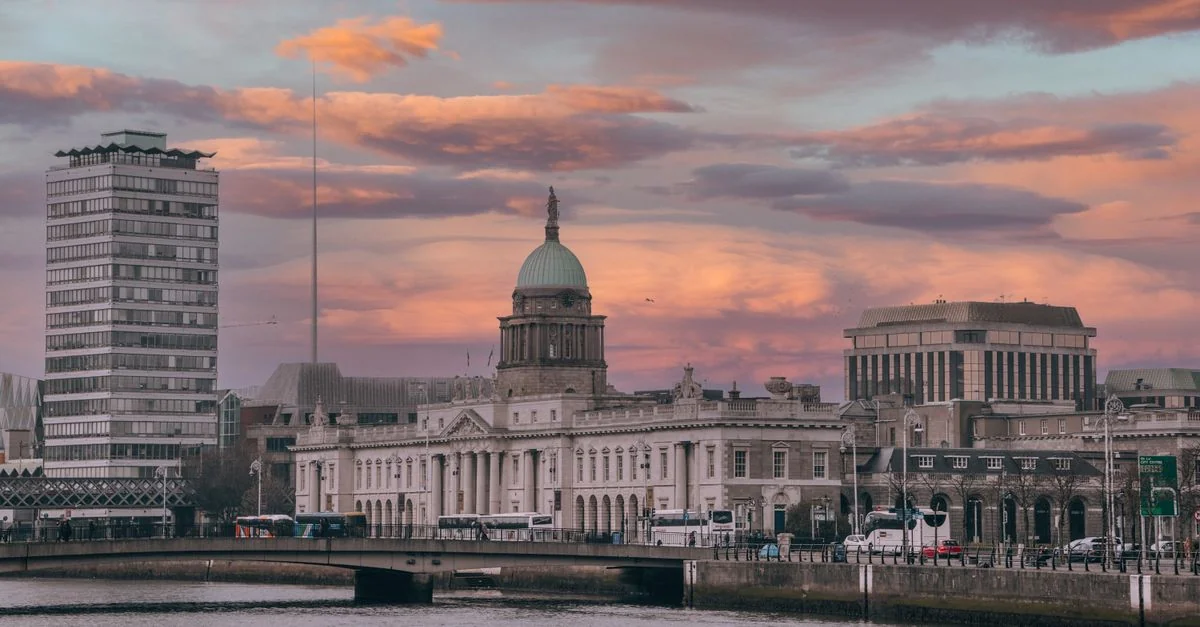
Standing before the illuminated vellum of the Book of Kells at Trinity College Library, the intricate spiral patterns and stylized animal motifs painted in the 9th century reveal the foundational aesthetic of Ireland . As a culture traveler who prefers digging past the tourist gloss to find the real creative pulse of a city, I look for the physical artifacts and guided pathways that explain how a place thinks. Dublin is a city built on literature, rebellion, Georgian brickwork, and a distinct visual tradition that stretches from medieval manuscripts to contemporary galleries along the Liffey. Why Dublin Is ideal for Art and History Lovers # Dublin operates on a human scale, making it uniquely suited for exploring on foot. The city’s visual identity is anchored by its Georgian architecture, where redbrick townhouses feature brightly colored doors—historically said to let intoxicated homeowners find their own properties—and wrought-iron fanlights. Beyond the streets, the capital holds collections that chart the nation’s shifting identity through canvas and sculpture.
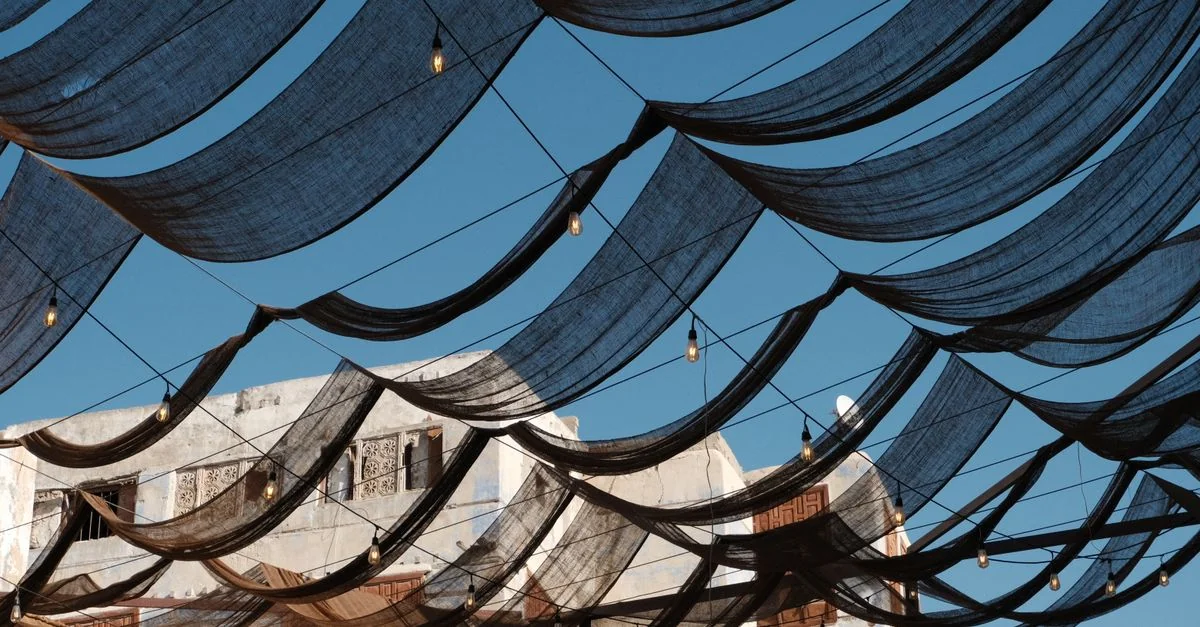
The sun strikes the hand-carved geometric patterns on the mud-brick walls of the At-Turaif district, casting sharp, angular shadows that define the architecture of Diriyah. Standing before these restored structures, you can see the precise layering of sun-dried mud bricks and straw, a technique that has defined this region for centuries. It is not merely a collection of ruins; it is a deliberate reconstruction of the birthplace of the first Saudi state, where the interplay of light against the earthen textures provides a stark, minimalist aesthetic that appeals to anyone interested in the intersection of desert survival and structural design. Why Diriyah Is ideal for Art and History Lovers # Diriyah serves as a physical archive of the Najdi architectural style. The district is characterized by thick, tapered walls designed to withstand the harsh desert climate while maintaining internal temperatures. For those who appreciate the history of urban planning, the layout of the district offers a clear view of how social hierarchies and defensive needs influenced the placement of palaces and mosques.
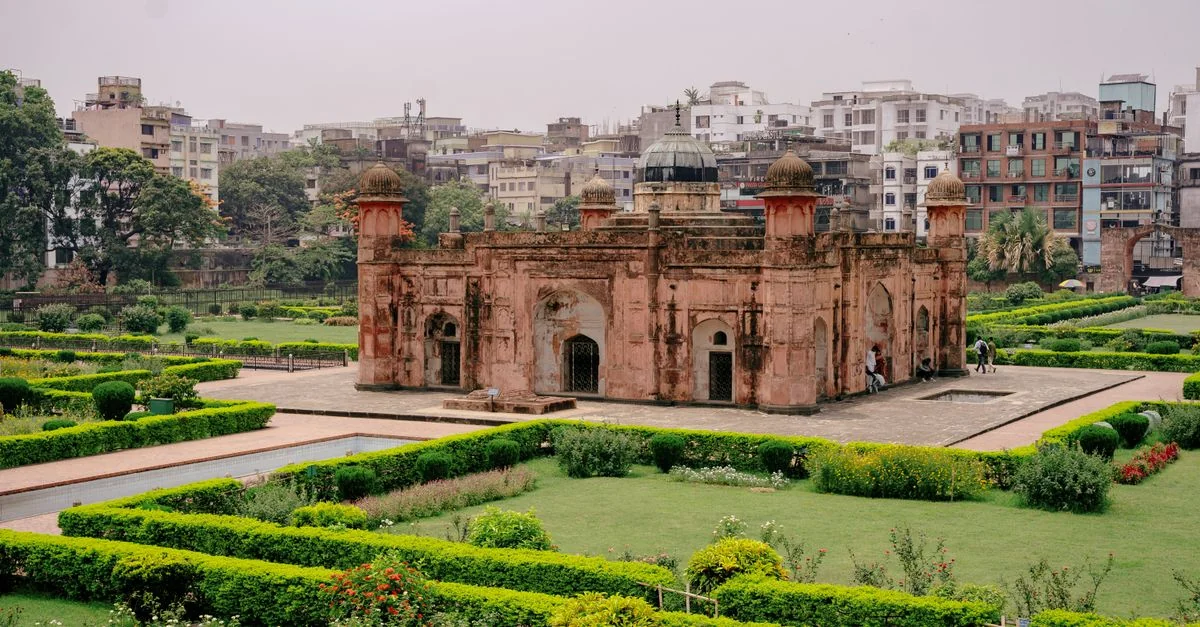
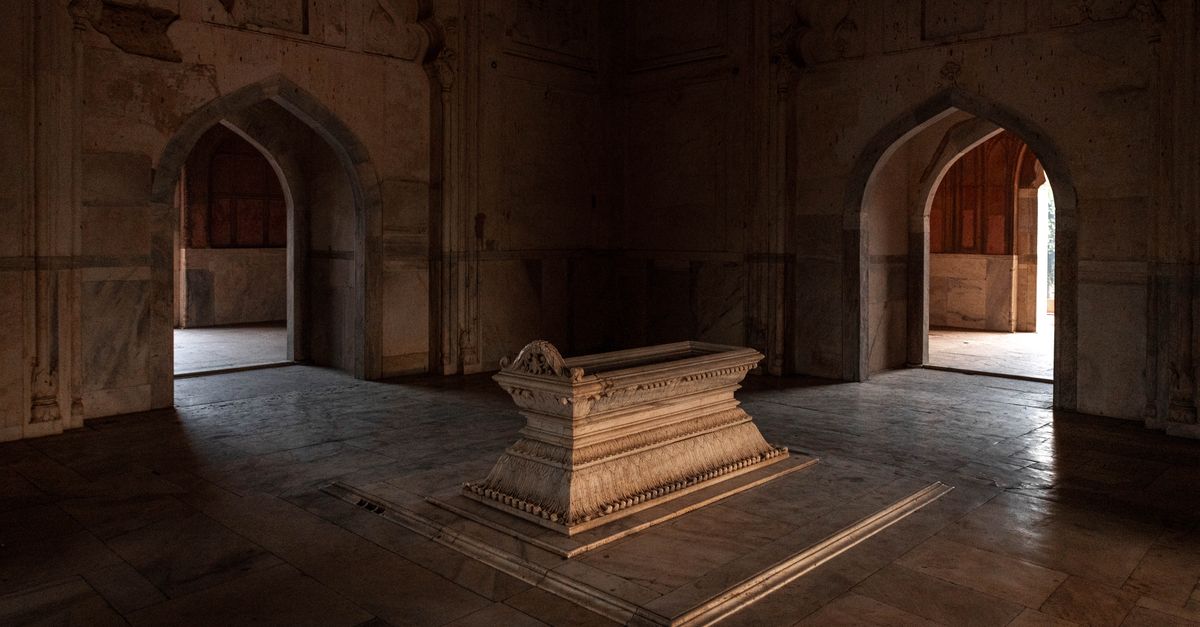
The terracotta ornamentation on the walls of the 15th-century mosques in the region serves as a primary record of Bengal’s architectural evolution. Walking through the older districts, one notices how the geometric floral motifs carved into the burnt clay bricks have survived centuries of humidity and monsoon rains. These details are not merely decorative; they are the visual language of a period when local artisans synthesized Islamic structural forms with indigenous craftsmanship. Understanding this transition from brick-based ornamentation to the later Mughal stone-carving traditions provides the necessary context for anyone interested in the physical history of Bangladesh . Why Dhaka City Is ideal for Art and History Lovers # Dhaka City functions as a repository for the administrative and artistic shifts that defined the Bengal Delta. The city’s historical core, particularly the areas adjacent to the Buriganga River, retains the spatial layout of the Mughal provincial capital. For those interested in archaeology, the significance lies in the layers of construction—from the Sultanate period’s modest, thick-walled brick structures to the more expansive, courtyard-centered designs of the 17th century.
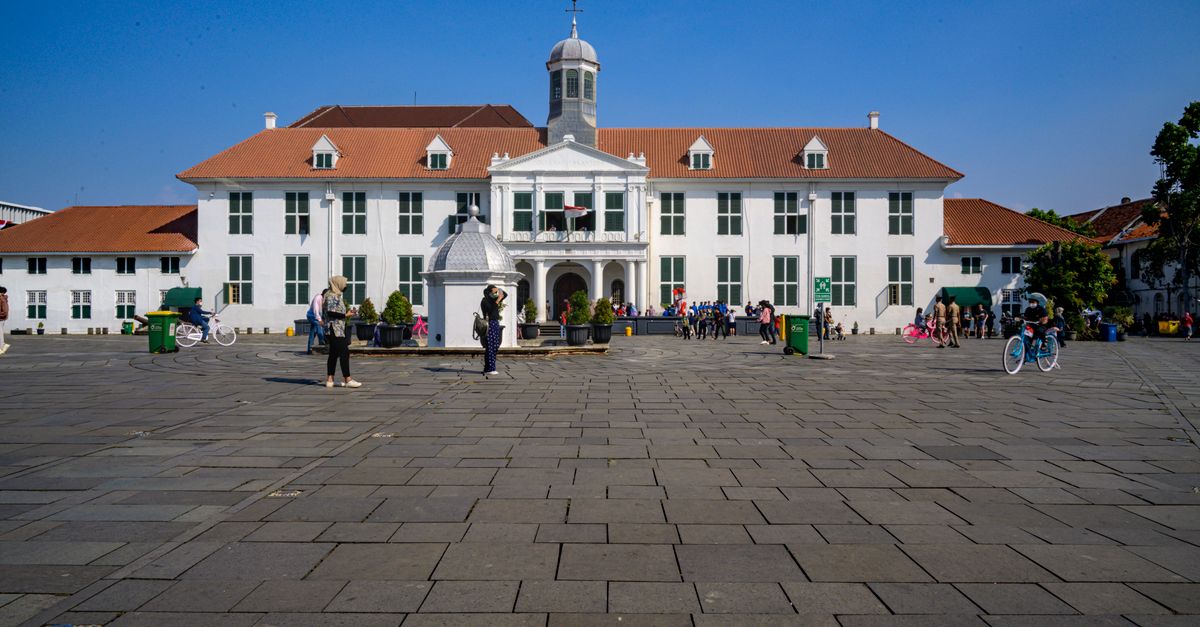
Stepping onto the historic grounds of Pura Jagatnatha, the city’s primary public Hindu temple, you immediately notice the absence of mortar. The intricate carvings of the towering shrine are crafted entirely from white sandstone, depicting ancient mythological tales from the Mahabharata. This architectural detail sets the tone for Denpasar , where traditional Balinese beliefs quietly anchor daily urban life. As a traveler who tracks down the physical evidence of ancient civilizations and local craftsmanship, I spent days navigating the city’s cultural landscape to separate the generic tourist traps from the genuinely educational stops. Why Denpasar Is ideal for Art and History Lovers # While many travelers treat Denpasar merely as a transit point to the beaches further south, anyone interested in anthropology and traditional arts will find plenty to study here. The city serves as the administrative and historical heart of southern Bali , housing institutions that preserve the island’s complex artistic lineage. From stone-carved temple walls along major intersections to collections of ethnographic artifacts, the physical layers of the city tell stories of kingdoms past and ongoing spiritual traditions.
Why Delhi Division Is ideal for Art and History Lovers # Standing at the edge of the Red Fort’s massive sandstone walls, I felt the weight of centuries in every crack and carved motif. Delhi Division is not simply a city; it is a living museum that stretches from the austere elegance of Mughal architecture to the bold strokes of contemporary Indian art. The city’s museums, galleries, and historic monuments offer a layered narrative of India ’s past, its colonial encounters, and its modern aspirations. From the National Museum’s extensive collection of sculptures and textiles to the modernist displays at the National Gallery of Modern Art, each institution invites visitors to trace the evolution of artistic expression across eras.
The iconic neon marquee of the Ryman Auditorium, lit against the night sky, greeted me as I stepped onto Broadway. That flash of light felt like a promise that the city’s creative pulse would keep beating long after the music faded. Davidson County, anchored by Nashville , offers a surprisingly diverse mix of visual art, historic streetscapes, and lively venues that satisfy anyone with a curiosity for culture. Below I share why this corner of Tennessee deserves a spot on your itinerary, how to make the most of the guided tours on offer, and a few practical tips to keep the day flowing smoothly.
The ornate carvings of the Retiro neighborhood’s facades tell a story of European influence meeting South American ambition. Walking through these streets, you notice how the limestone and marble details reflect a specific era of urban planning, where every cornice and balcony was designed to signal status and sophistication. This intersection of design and history defines the soul of the district.
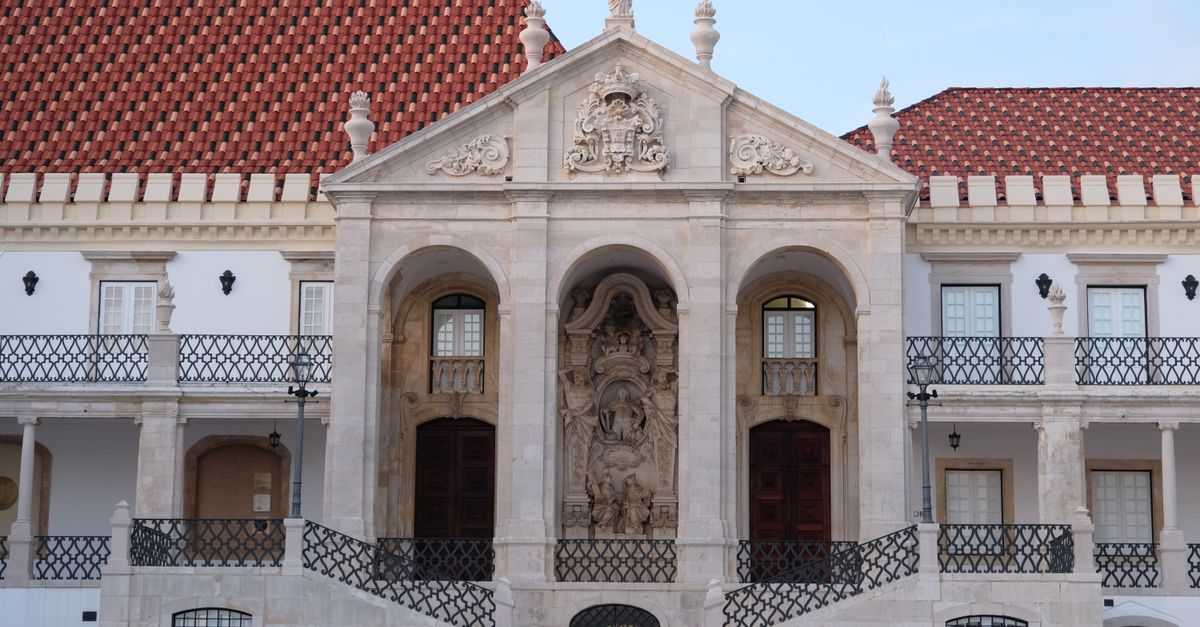
In 1139, Coimbra became the birthplace of the Portuguese nation when Afonso Henriques declared it the capital, a political shift that permanently etched stone monuments, monastic libraries, and narrow medieval alleys into the steep hills rising above the Mondego River. Standing before the Manueline portal of the Santa Cruz Monastery, where the first two kings of Portugal rest in intricately carved limestone tombs, you immediately feel the gravitational pull of a city built on centuries of scholarship and royal ambition. As a traveler who tracks down the physical evidence of past eras, I find that Coimbra rewards slow observation, whether you are analyzing the tiles of ancient palaces or walking the labyrinthine passages of the old Jewish quarter.
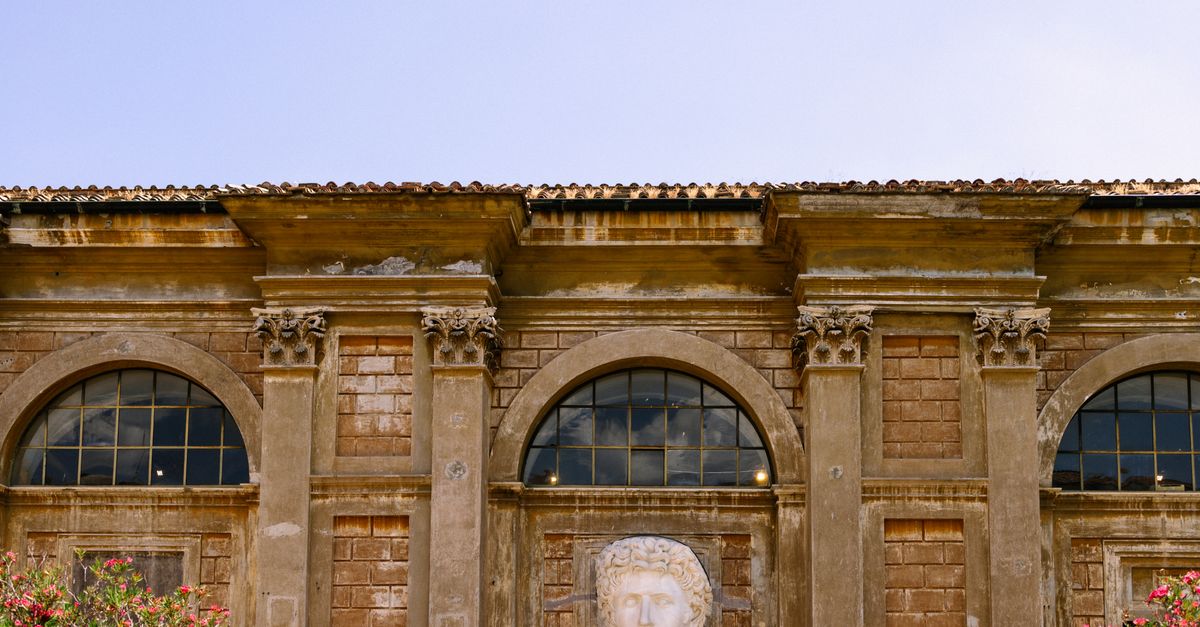
Standing on the stone ramparts of the Forte Michelangelo, watching the Tyrrhenian waves crash against sixteenth-century brickwork designed with the architectural input of Gian Lorenzo Bernini and Donato Bramante, I often think about how many travelers dismiss Civitavecchia as merely a transit point. They rush past the harbor gates toward Rome , ignoring the maritime layers underneath their feet. As someone who prefers unpacking a city’s historical layers rather than just checking monuments off a list, I find this coastal gateway holds its own distinct weight in Italian art and antiquity. The harbor has served as Rome’s primary maritime outlet since the Emperor Trajan founded Centumcellae in the second century AD, and today, that coastal infrastructure still frames a rewarding itinerary for anyone interested in classical archaeology and defensive architecture.