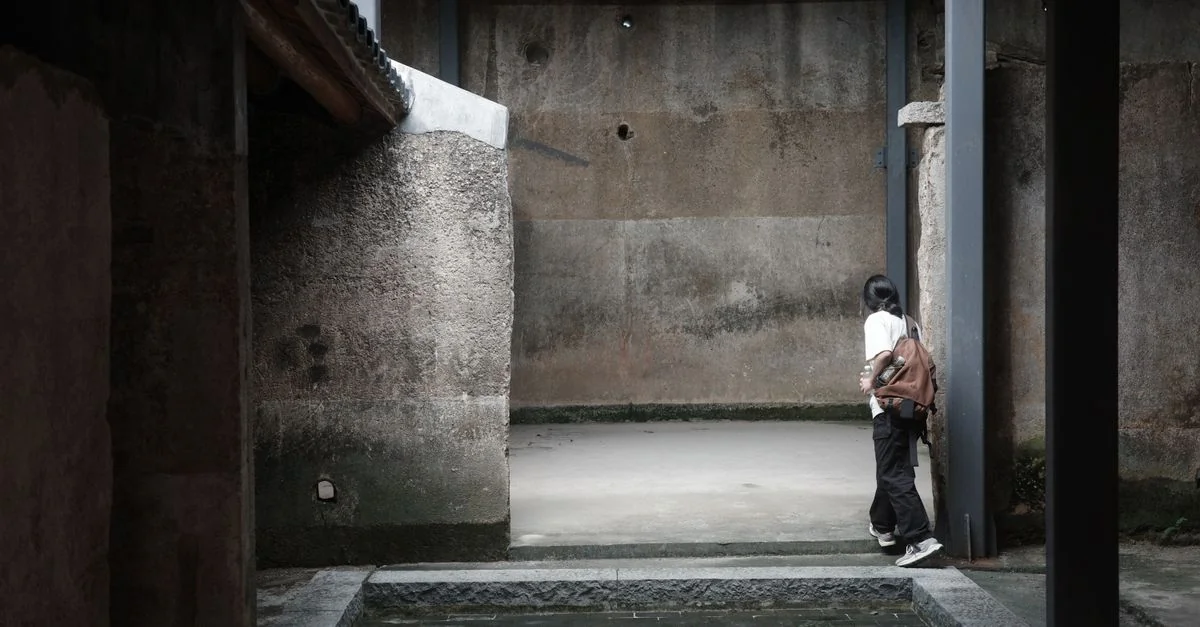
Standing in front of a modern architectural marvel in Southern China, I found myself tracing the precise intersection of engineering and artistic expression. Guang Dong Sheng offers a unique lens into how traditional regional craftsmanship merges with cutting-edge technology. When planning your travels through this province, your actual decision comes down to choosing between self-paced museum wandering or booking structured technology-focused itineraries. If you prefer fixed schedules with managed logistics, booking a designated tour prevents transit guesswork; conversely, independent travelers who value complete schedule flexibility may find rigid group itineraries too restrictive. Solo explorers comfortable with local navigation gain time and spontaneity, while those managing tight travel windows benefit from pre-arranged transport. Why Guang Dong Sheng Is ideal for Art and History Lovers # The southern coastal region of China has long operated as a major engine of design, manufacturing, and creative output. This territory moves at a rapid pace, yet it maintains deep connections to historic craftsmanship and contemporary visual arts. Understanding this dual identity changes how you approach your daily sightseeing schedule: instead of expecting quiet, dusty antiquities galleries, prepare for high-tech installations and forward-looking design centers.
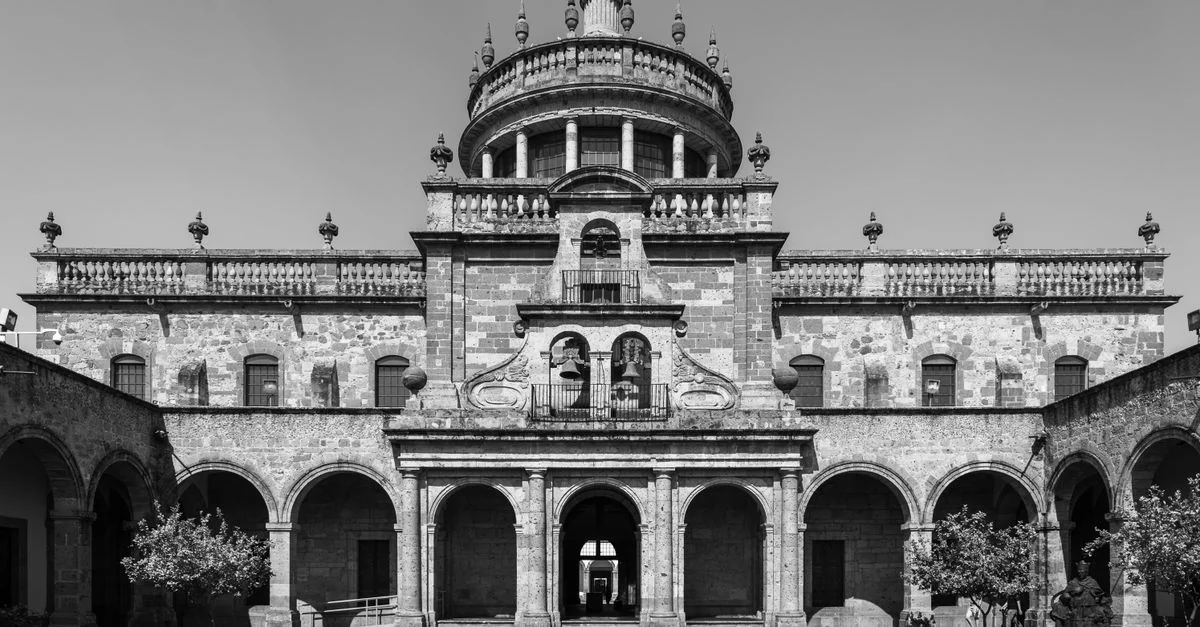
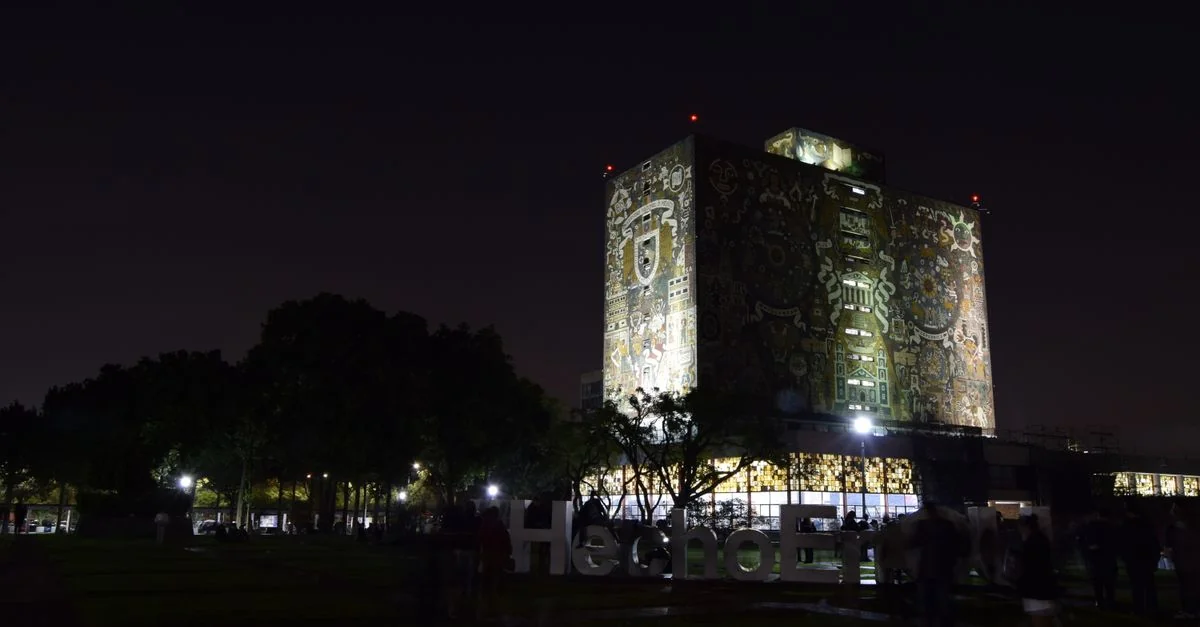
When I stood before the circular architecture of western Mexico’s ancient past, the realization hit me: human creativity takes shapes we rarely see in standard textbooks. Instead of the towering angular steps found elsewhere in the country, the builders here engineered concentric terraces that defy conventional Mesoamerican design. Walking through this landscape changes the traveler in real use by shifting focus from monumental empire-building to community-centered ceremonial spaces. For the independent cultural traveler with a strong interest in pre-Hispanic engineering, this means allocating specific transit time for regional day trips; however, those pressed for time or primarily interested in downtown easel painting may find the journey requires more logistics than a simple afternoon stroll. Why Guadalajara Is ideal for Art and History Lovers # Guadalajara holds a distinct place in the creative identity of Mexico, grounding its reputation in regional craftsmanship, muralism, and deep-seated historical narratives. When you trace the city’s architectural details, from neoclassical stone facades to mid-century public art, you see an urban center that refuses to stand still.
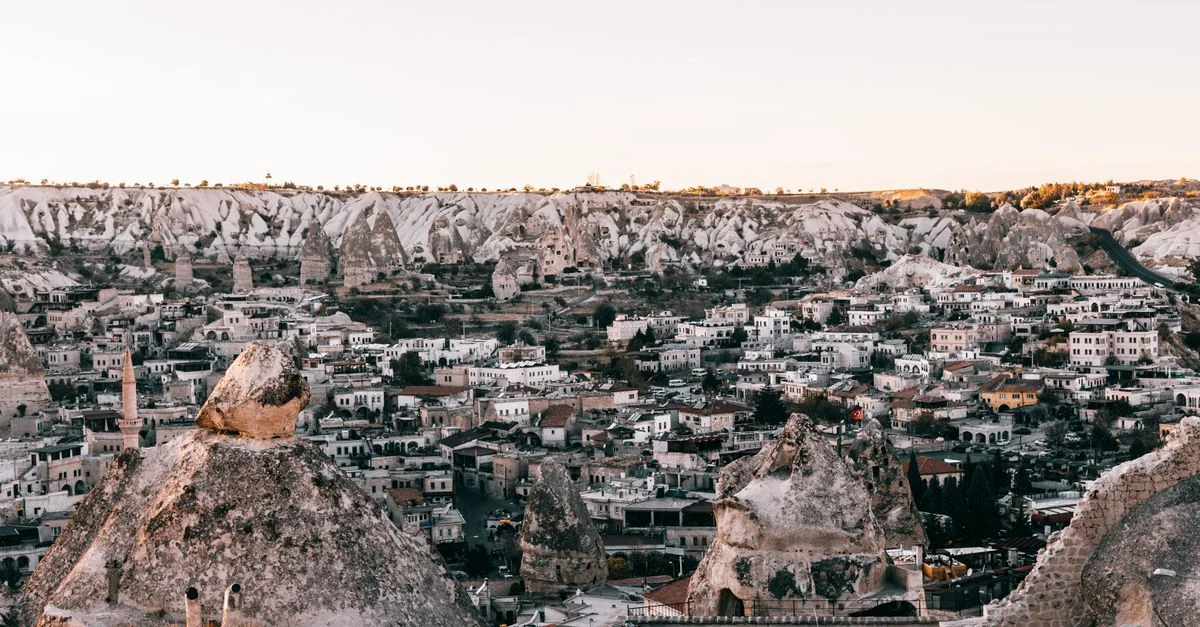
Standing inside the dark interior of the Buckle Church, the 10th-century indigo frescoes caught the dim afternoon light, revealing an intensity of lapis lazuli pigment that painters imported at great expense from distant mines. When traveling through this landscape of eroded volcanic rock, understanding the historical layers carved directly into the stone transforms the trip from simple sightseeing into an archaeological investigation. Why Goreme Is ideal for Art and History Lovers # Goreme operates as an open-air archive where Byzantine iconography intersects with geological formations sculpted by centuries of wind and water. The monastic complexes here hold wall paintings executed in red ochre, white lime, and expensive blues, depicting saints and biblical narratives directly into volcanic tuff.
Standing before the contemporary canvases scattered across Fulton County, I often find myself caught between the region’s historic roots and its modern creative output. When planning your days here, the traveler’s actual decision comes down to choosing between structured nighttime historical strolls or hands-on studio sessions, determining where to go, when to book, and how to avoid a wasted trip. Why Fulton County Is ideal for Art and History Lovers # Fulton County operates as a significant regional center for creative expression, drawing travelers who appreciate visual arts and localized history. The area supports distinct creative districts where galleries, studios, and public installations intersect.
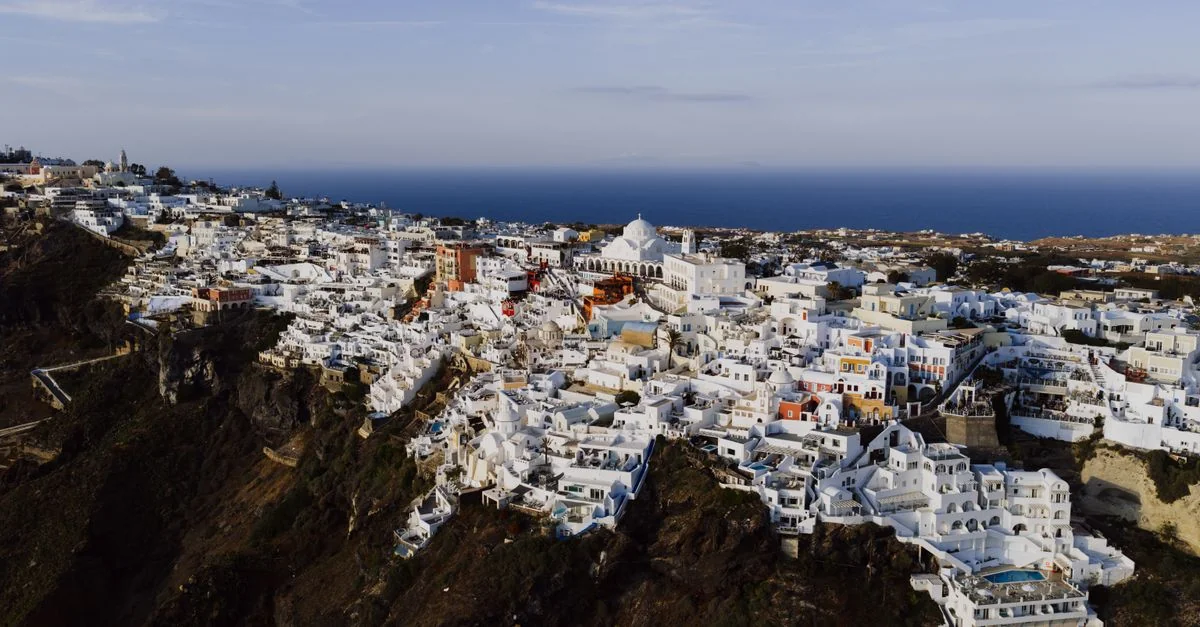
In 1967, archaeologists digging beneath the volcanic ash of Akrotiri—just a short distance from the cliffs of Fira—unearthed frescoes depicting saffron gatherers and young boxers painted more than three millennia ago. Standing on the caldera edge today, peering down at the sea-filled crater, those ancient pigments frame how I approach this Cycladic capital. Fira is not merely a postcard backdrop of blue domes and white-washed walls; it is a layered site where geological catastrophe preserved an extraordinary Aegean civilization. If you want to understand the physical and cultural foundation of this island beyond the cliffside cafes, you need to look closely at the remnants of its sacred architecture and deep archaeological record. Why Fira Is ideal for Art and History Lovers # When travelers step off the cable car or finish the climb up the stairs from the old port, many head straight for the souvenir shops. That is a tactical error if your goal is cultural engagement. Instead, turn your focus toward the Orthodox Metropolitan Cathedral and the Catholic Cathedral of Saint John the Baptist, which anchor the town’s spiritual geography. These structures reveal the architectural adaptation of a community rebuilding after earthquakes, utilizing local stone and neoclassical influences shaped by Venetian and Greek Orthodox histories.
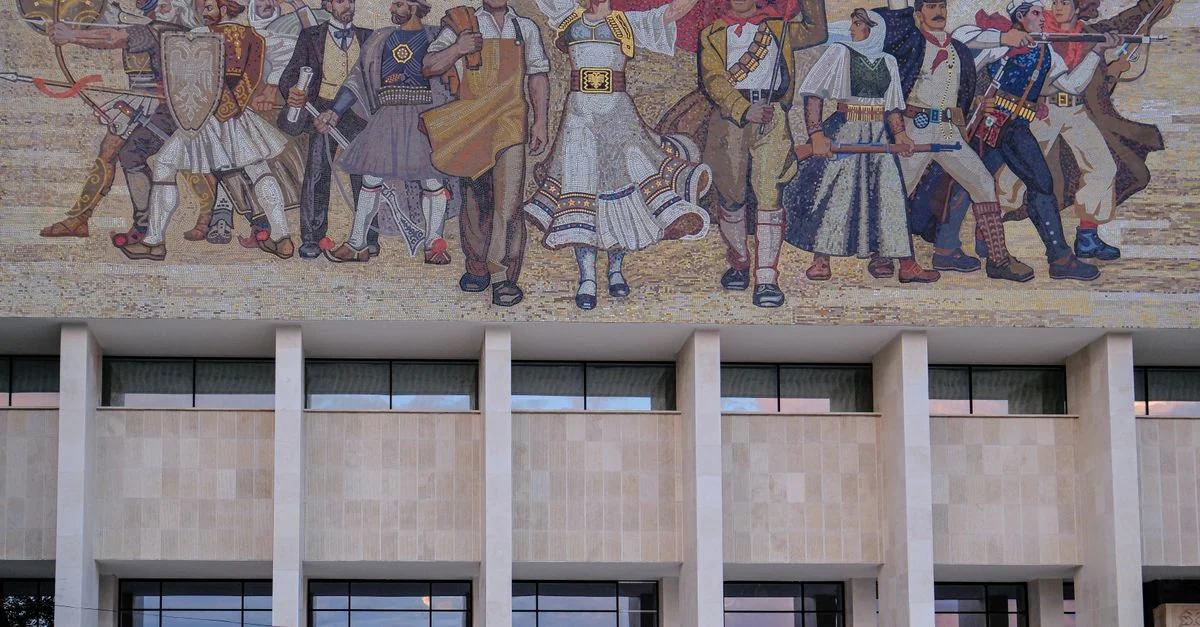
Standing before the weathered limestone blocks of the monumental Hellenistic stadium at Apollonia, one immediately understands why this Illyrian and Roman crossroads shaped classical antiquity. The hand-chiselled ashlar masonry, fitted without mortar in the third century BCE, still holds the afternoon light, casting sharp shadows across the orchestra floor just as it did when Aristotle’s contemporaries walked these plains. Planning a cultural journey through Fier requires a clear-eyed look at logistics. Because local transport options to archaeological zones outside the immediate city center are limited, knowing how to structure your transit prevents wasted hours waiting on infrequent regional minibuses.
Why Estado de México Is ideal for Art and History Lovers # When you gaze up at the towering silhouette of the Pyramid of the Sun in Teotihuacan, you are standing before a monumental achievement of urban planning and Mesoamerican cosmology. The ancient architects aligned this massive structure along specific astronomical axes, creating a ritual landscape that still commands absolute attention. Walking down the Avenue of the Dead, the sheer scale of the stone facades and residential compounds reveals how deeply art and architecture were intertwined with civic power in pre-Hispanic societies.
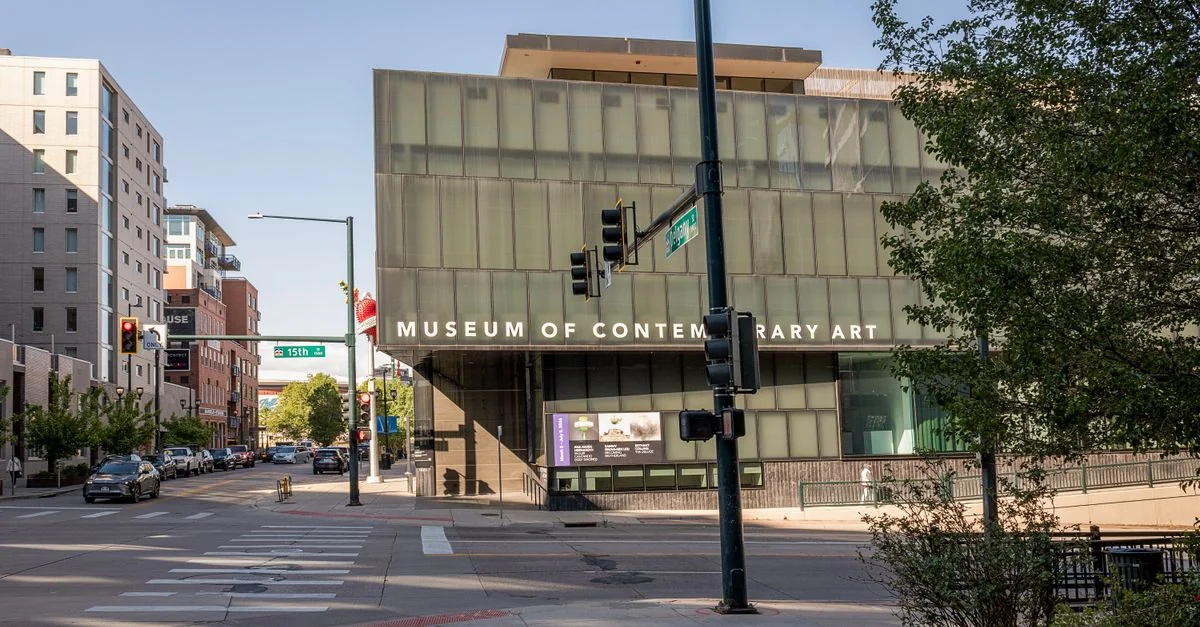
In the shadow of the San Rafael Swell, the local landscape holds deep ties to prehistoric artistry and ancient geological formations. Standing before the carved stone panels and eroded sandstone hoodoos of this Utah region, you realize that the primary creative force here is deep time itself. Wind, water, and early human inhabitants have shaped an open-air gallery that rewards deliberate observation over rushed sightseeing. If you are planning a trip to this part of the American West, your actual decision comes down to how you pace your travel across vast distances, when to visit to avoid extreme desert temperatures, what self-guided audio formats to download before losing cell service, and how to avoid wasting hours driving the wrong dirt tracks. Why Emery County Is ideal for Art and History Lovers # When you approach the eroded sandstone features of the San Rafael Swell, the sheer scale of the geology forces you to slow down and re-evaluate how humans have interacted with this terrain for centuries. Ancient Fremont people left intricate petroglyphs and pictographs on canyon walls across Emery County, serving as permanent records of their culture etched directly into the stone.

Standing before the illuminated vellum of the Book of Kells at Trinity College Library, the intricate spiral patterns and stylized animal motifs painted in the 9th century reveal the foundational aesthetic of Ireland. As a culture traveler who prefers digging past the tourist gloss to find the real creative pulse of a city, I look for the physical artifacts and guided pathways that explain how a place thinks. Dublin is a city built on literature, rebellion, Georgian brickwork, and a distinct visual tradition that stretches from medieval manuscripts to contemporary galleries along the Liffey. Why Dublin Is ideal for Art and History Lovers # Dublin operates on a human scale, making it uniquely suited for exploring on foot. The city’s visual identity is anchored by its Georgian architecture, where redbrick townhouses feature brightly colored doors—historically said to let intoxicated homeowners find their own properties—and wrought-iron fanlights. Beyond the streets, the capital holds collections that chart the nation’s shifting identity through canvas and sculpture.
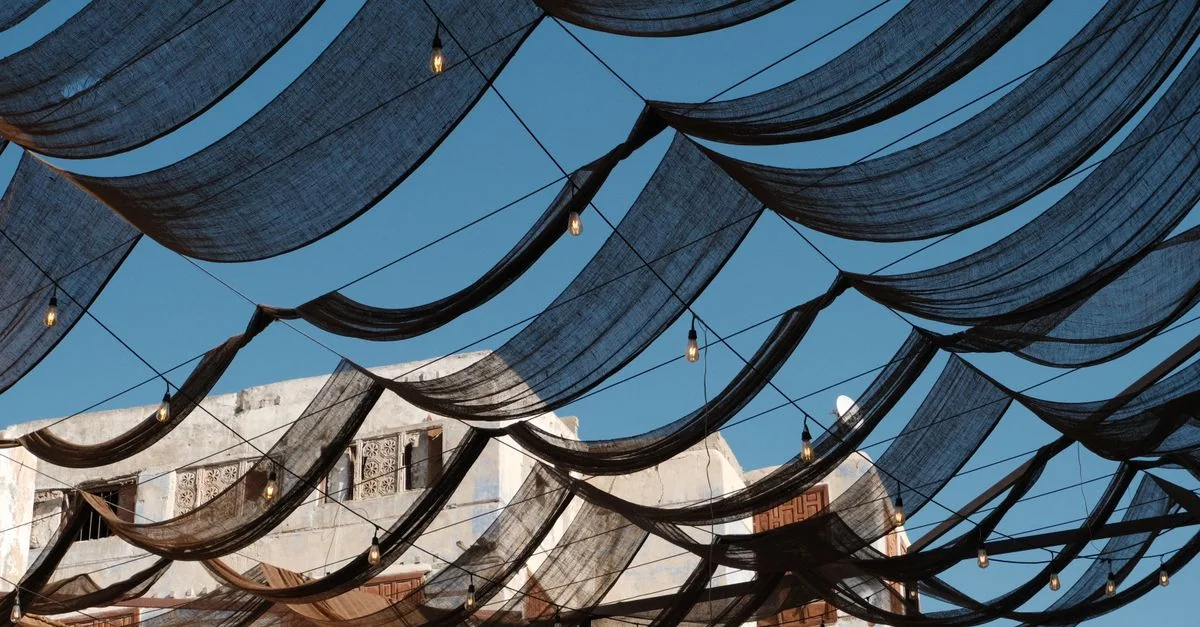
The sun strikes the hand-carved geometric patterns on the mud-brick walls of the At-Turaif district, casting sharp, angular shadows that define the architecture of Diriyah. Standing before these restored structures, you can see the precise layering of sun-dried mud bricks and straw, a technique that has defined this region for centuries. It is not merely a collection of ruins; it is a deliberate reconstruction of the birthplace of the first Saudi state, where the interplay of light against the earthen textures provides a stark, minimalist aesthetic that appeals to anyone interested in the intersection of desert survival and structural design. Why Diriyah Is ideal for Art and History Lovers # Diriyah serves as a physical archive of the Najdi architectural style. The district is characterized by thick, tapered walls designed to withstand the harsh desert climate while maintaining internal temperatures. For those who appreciate the history of urban planning, the layout of the district offers a clear view of how social hierarchies and defensive needs influenced the placement of palaces and mosques.