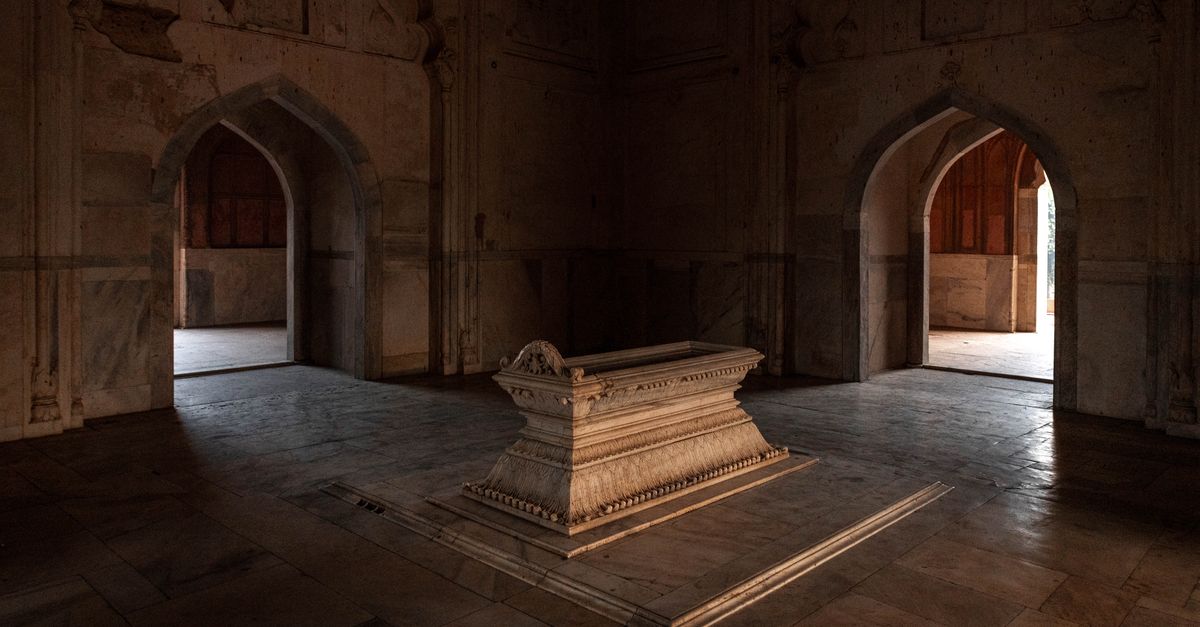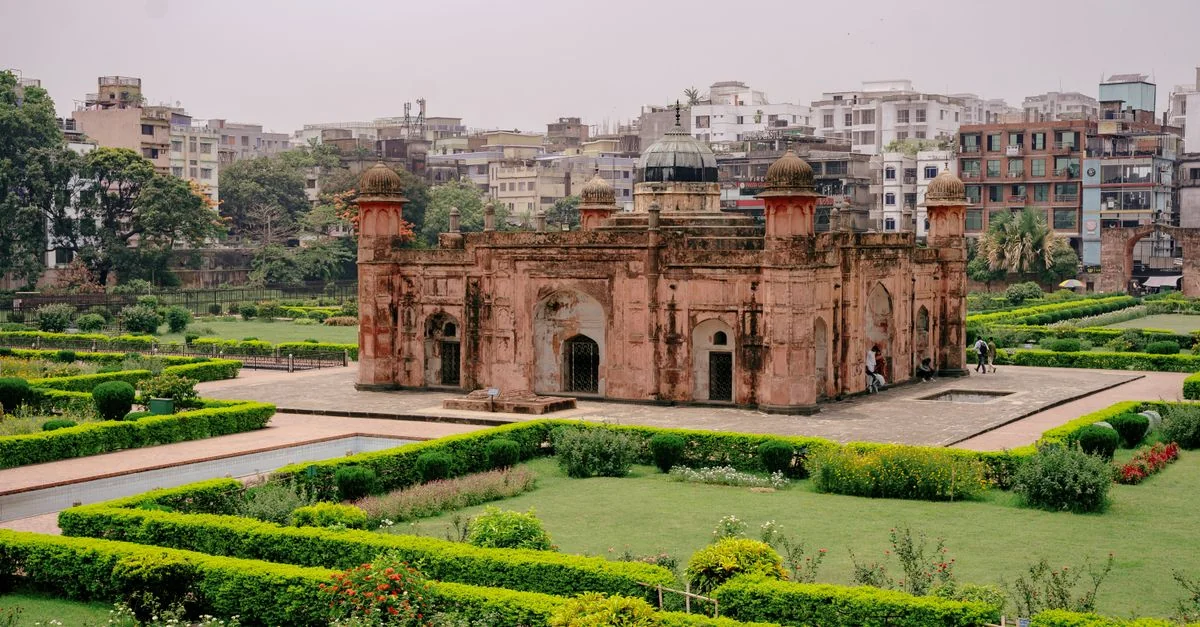
The terracotta ornamentation on the walls of the 15th-century mosques in the region serves as a primary record of Bengal’s architectural evolution. Walking through the older districts, one notices how the geometric floral motifs carved into the burnt clay bricks have survived centuries of humidity and monsoon rains. These details are not merely decorative; they are the visual language of a period when local artisans synthesized Islamic structural forms with indigenous craftsmanship. Understanding this transition from brick-based ornamentation to the later Mughal stone-carving traditions provides the necessary context for anyone interested in the physical history of Bangladesh. Why Dhaka City Is ideal for Art and History Lovers # Dhaka City functions as a repository for the administrative and artistic shifts that defined the Bengal Delta. The city’s historical core, particularly the areas adjacent to the Buriganga River, retains the spatial layout of the Mughal provincial capital. For those interested in archaeology, the significance lies in the layers of construction—from the Sultanate period’s modest, thick-walled brick structures to the more expansive, courtyard-centered designs of the 17th century.
Stepping onto the historic grounds of Pura Jagatnatha, the city’s primary public Hindu temple, you immediately notice the absence of mortar. The intricate carvings of the towering shrine are crafted entirely from white sandstone, depicting ancient mythological tales from the Mahabharata. This architectural detail sets the tone for Denpasar, where traditional Balinese beliefs quietly anchor daily urban life. As a traveler who tracks down the physical evidence of ancient civilizations and local craftsmanship, I spent days navigating the city’s cultural landscape to separate the generic tourist traps from the genuinely educational stops. Why Denpasar Is ideal for Art and History Lovers # While many travelers treat Denpasar merely as a transit point to the beaches further south, anyone interested in anthropology and traditional arts will find plenty to study here. The city serves as the administrative and historical heart of southern Bali, housing institutions that preserve the island’s complex artistic lineage. From stone-carved temple walls along major intersections to collections of ethnographic artifacts, the physical layers of the city tell stories of kingdoms past and ongoing spiritual traditions.
Why Delhi Division Is ideal for Art and History Lovers # Standing at the edge of the Red Fort’s massive sandstone walls, I felt the weight of centuries in every crack and carved motif. Delhi Division is not simply a city; it is a living museum that stretches from the austere elegance of Mughal architecture to the bold strokes of contemporary Indian art. The city’s museums, galleries, and historic monuments offer a layered narrative of India’s past, its colonial encounters, and its modern aspirations. From the National Museum’s extensive collection of sculptures and textiles to the modernist displays at the National Gallery of Modern Art, each institution invites visitors to trace the evolution of artistic expression across eras.
The iconic neon marquee of the Ryman Auditorium, lit against the night sky, greeted me as I stepped onto Broadway. That flash of light felt like a promise that the city’s creative pulse would keep beating long after the music faded. Davidson County, anchored by Nashville, offers a surprisingly diverse mix of visual art, historic streetscapes, and lively venues that satisfy anyone with a curiosity for culture. Below I share why this corner of Tennessee deserves a spot on your itinerary, how to make the most of the guided tours on offer, and a few practical tips to keep the day flowing smoothly.
The ornate carvings of the Retiro neighborhood’s facades tell a story of European influence meeting South American ambition. Walking through these streets, you notice how the limestone and marble details reflect a specific era of urban planning, where every cornice and balcony was designed to signal status and sophistication. This intersection of design and history defines the soul of the district.
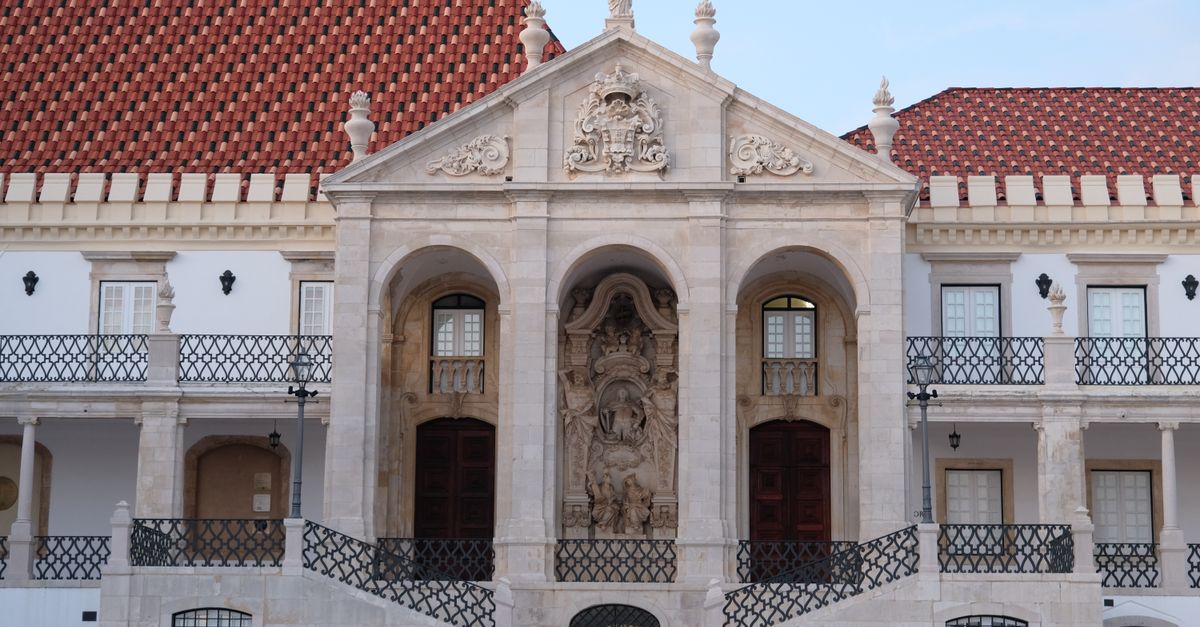
In 1139, Coimbra became the birthplace of the Portuguese nation when Afonso Henriques declared it the capital, a political shift that permanently etched stone monuments, monastic libraries, and narrow medieval alleys into the steep hills rising above the Mondego River. Standing before the Manueline portal of the Santa Cruz Monastery, where the first two kings of Portugal rest in intricately carved limestone tombs, you immediately feel the gravitational pull of a city built on centuries of scholarship and royal ambition. As a traveler who tracks down the physical evidence of past eras, I find that Coimbra rewards slow observation, whether you are analyzing the tiles of ancient palaces or walking the labyrinthine passages of the old Jewish quarter.
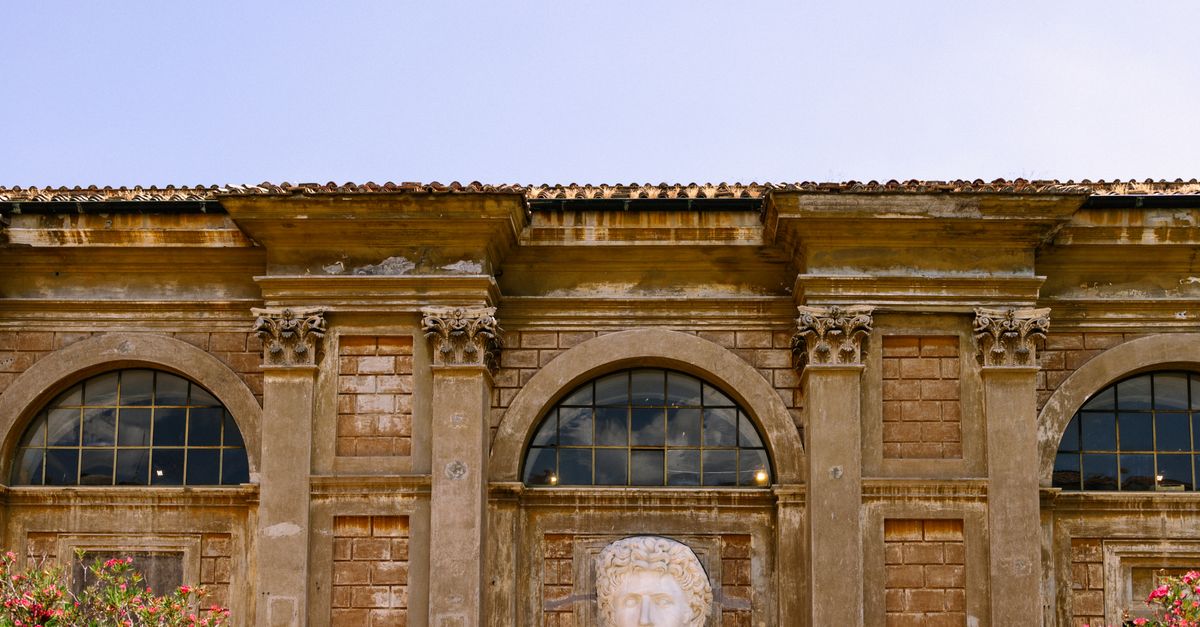
Standing on the stone ramparts of the Forte Michelangelo, watching the Tyrrhenian waves crash against sixteenth-century brickwork designed with the architectural input of Gian Lorenzo Bernini and Donato Bramante, I often think about how many travelers dismiss Civitavecchia as merely a transit point. They rush past the harbor gates toward Rome, ignoring the maritime layers underneath their feet. As someone who prefers unpacking a city’s historical layers rather than just checking monuments off a list, I find this coastal gateway holds its own distinct weight in Italian art and antiquity. The harbor has served as Rome’s primary maritime outlet since the Emperor Trajan founded Centumcellae in the second century AD, and today, that coastal infrastructure still frames a rewarding itinerary for anyone interested in classical archaeology and defensive architecture.
On the façade of the old Portuguese colonial building in Maputo’s downtown, a mural depicting the 1975 independence ceremony catches the eye. The scene is rendered in bold strokes and deep hues, capturing the moment when the nation’s flag was raised above the city’s skyline. That single image invites you to step into a city where history and creativity intertwine, offering a window into Mozambique’s past and present.
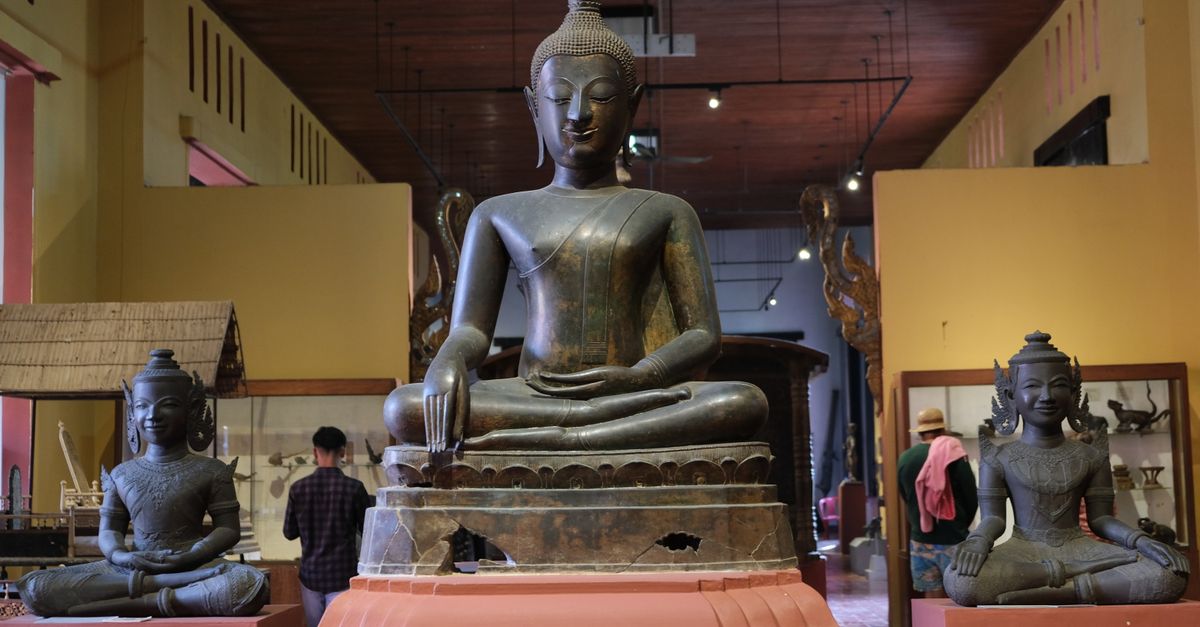
The intricate stone lintel above the main entrance of the National Museum of Cambodia, carved with a procession of ancient Khmer dancers, has always been my first visual cue that Chamkarmon is a place where history and creativity intersect. That moment of stepping through the doorway, feeling the cool marble underfoot while the scent of incense drifts from nearby shrines, sets the tone for a day that can easily fill a week. Below is my seasoned take on how to make the most of Chamkarmon’s artistic and historical offerings, from budget‑friendly hop‑on hop‑off buses to the quiet corners of lesser‑known galleries.
The moment I stepped into the rock‑carved sanctuary of the Church of St. John the Baptist in Cavusin, the centuries‑old frescoes greeted me with a muted palette of ochre and lapis that seemed to whisper stories of Byzantine monks. That quiet encounter set the tone for my entire visit to this hillside village, where every stone and gallery holds a dialogue between past and present. Below is my full‑day itinerary, practical tips, and the one tour that truly captures the artistic spirit of Cavusin.