The intricate frescoes of the City Palace’s Chandra Mahal, painted in the late 19th century, still whisper stories of royal patronage and artistic exchange. Standing beneath those gilded arches, I felt the pulse of a city that has long been a crossroads of craft, architecture, and narrative. Jaipur, often called the Pink City for its terracotta‑toned walls, offers more than striking façades; it houses a living museum of Rajasthani art, stone carving, and textile mastery. Below is my detailed walk‑through of what truly matters for anyone eager to explore Jaipur’s artistic heartbeat, complete with practical tips to make every minute count. Why Jaipur Is ideal for Art and History Lovers # From the vaulted halls of the Albert Hall Museum to the delicate mirror work of the Hawa Mahal, Jaipur’s artistic legacy spans centuries. The Albert Hall, inaugurated in 1887, showcases a collection that ranges from Mughal miniatures to colonial-era sculptures, each piece positioned to guide visitors through a chronological narrative. Meanwhile, the Jaipur Wax Museum offers a quirky glimpse into the personalities who shaped the region, displayed in lifelike form.

The first thing that strikes you about the Crane Estate is not the size of the house, but the silence of the gardens. As you step off the carriage path and approach the main entrance of this 1905 mansion, the air smells of damp earth and old pine. It is a place where the architecture does not shout for attention but instead commands it through proportion and light. The white clapboard siding, the deep eaves, and the way the structure sits atop a bluff overlooking the Ipswich River create a visual rhythm that feels both deliberate and inevitable. This is not a place for a quick photo op; it is a setting for slow observation. For those who appreciate the intersection of landscape design, architectural history, and New England domestic life, this single location offers a depth of experience that few other day trips from Boston can match. Why Ipswich Is ideal for Art and History Lovers # Ipswich, Massachusetts, often flies under the radar for travelers who are fixated on the dense museum clusters of Boston or the coastal drama of Cape Cod. However, for the art and history enthusiast, this town offers a specific kind of cultural density that rewards patience. The town’s identity is deeply intertwined with the early 20th-century “Gilded Age” of New England, a period when wealthy industrialists and their families retreated to the coast to build estates that blended domestic comfort with artistic ambition. The Crane Estate is the culmination of this era. It was designed by the architectural firm of Peabody and Stearns, who also designed the famous Biltmore Estate in North Carolina, but here the scale is more intimate, allowing for a closer inspection of the craftsmanship.

The first thing that strikes you when you stand at the edge of the pond in Kairakuen is not the scale of the garden, but the precise geometry of the stone bridges. They do not merely connect two points; they frame the view of the plum trees in a way that feels calculated, deliberate, and deeply artistic. This is not just a park. It is a constructed landscape designed to be viewed, studied, and understood as a work of art in itself. Ibaraki Prefecture is often overlooked in favor of the more famous cultural hubs of Tokyo or Kyoto, but for those who seek a quieter, more contemplative experience with Japanese aesthetics, it offers something distinct. The region’s approach to culture is less about the frantic accumulation of museum visits and more about the slow appreciation of seasonal beauty and historical continuity. Why Ibaraki Is ideal for Art and History Lovers # When people think of Japanese art, they often picture the ukiyo-e woodblock prints of the Edo period or the minimalist tea rooms of Kyoto. Ibaraki offers a different kind of artistic expression: landscape as art. The centerpiece of this experience is Kairakuen, one of the Three Great Gardens of Japan. Built in 1843 by the Tokugawa clan, this garden was designed to provide a place for the common people to gather and enjoy the beauty of nature, a radical concept at the time. The garden is famous for its approximately 3,000 plum trees, which bloom in early spring. However, the artistic merit of Kairakuen extends far beyond the flowers. The layout is a masterclass in shakkei or “borrowed scenery,” where the surrounding hills are incorporated into the garden’s visual composition. This technique turns the horizon into part of the artwork, blurring the line between the curated space and the wild landscape beyond.
The massive bronze doors of the War Remnants Museum stand as a silent testimony to a turbulent past, their intricate ironwork catching the morning light as visitors line up to step inside. That first glimpse of history sets the tone for a city where every alley, gallery, and riverbank whispers stories of creativity and resilience. As someone who has spent weeks wandering the streets and galleries of Hồ Chí Minh, I’ve gathered a handful of experiences that feel genuinely worthwhile for anyone drawn to art, history, and hands‑on making. Why Hồ Chí Minh Is ideal for Art and History Lovers # Hồ Chí Minh’s artistic pulse is evident in its colonial architecture, street‑level murals, and the way traditional crafts coexist with contemporary design studios. The city’s museums offer a clear narrative of Vietnam’s modern evolution, while its workshops let you try your hand at the very techniques that have shaped local aesthetics.

The moment I stepped into the Golkonda Fort, the intricate carvings on the walls seemed to whisper tales of a bygone era. The Qutb Shahi Tombs, with their stunning architecture, stood as a testament to the long history of Hyderabad. These two iconic sites are the heart of Hyderabad’s cultural and historical landscape, and they are worth visiting for anyone interested in art and history. Why Hyderabad Is ideal for Art and History Lovers # Hyderabad, often referred to as the “City of Pearls,” is a melting pot of cultures and traditions. The city’s long history is evident in its architecture, art, and museums. The Charminar, a symbol of Hyderabad, is a masterpiece of Indo-Islamic architecture. The Chowmahalla Palace, another UNESCO World Heritage Site, offers a glimpse into the opulent lifestyle of the Nizam of Hyderabad. The Salar Jung Museum, with its vast collection of Indian and international art, is a great for art lovers. These sites and more make Hyderabad worth visiting destination for art and history enthusiasts.
The moment I stepped into the ancient town of Hoi An, the intricate carvings on the Japanese Covered Bridge beckoned me to explore further. This UNESCO World Heritage site is a treasure chest of history, culture, and art, making it worth visiting destination for anyone with a passion for the past. Why Hoi An Is ideal for Art and History Lovers # Hoi An’s rich cultural mix is woven from the threads of its ancient past. The town’s well-preserved architecture, from the Japanese Covered Bridge to the ancient houses along the Thu Bon River, offers a glimpse into the lives of its inhabitants centuries ago. The Hoi An Ancient Town is a UNESCO World Heritage site, and it’s easy to see why. The town’s layout, with its narrow streets and traditional houses, is a masterpiece of urban planning.
The moment I stepped into Helsinki Cathedral, the intricate stained glass windows caught my eye, casting a warm glow over the space. The cathedral’s Gothic architecture and the lively colors within the glass told a story of faith and artistry, setting the stage for the rich cultural journey that awaited me in this Finnish capital. Why Helsinki Is ideal for Art and History Lovers # Helsinki is a city where art and history intertwine seamlessly. The city’s deep history is evident in its museums, galleries, and historic buildings. From the iconic Helsinki Cathedral to the modern art installations in the Design District, Helsinki offers a diverse range of experiences for art and history lovers. The city’s strategic location along the coast has also influenced its architectural styles, with a mix of classic and contemporary designs that reflect its maritime past and modern aspirations.

The moment I stepped into the Hilo Museum’s archaeological exhibit, I was transported back to a time when ancient civilizations thrived. The meticulously displayed artifacts, each telling a story of a different era, left an indelible mark on my mind. This is the kind of experience that makes Hawaii County worth visiting destination for art and history enthusiasts. Why Hawaii County Is ideal for Art and History Lovers # Hawaii County, or the Big Island, is a great destination of cultural and historical sites. From the ancient Hawaiian ruins to the modern art galleries, there’s something for everyone. The Hilo Museum, for instance, is worth visiting. It houses a vast collection of artifacts that span thousands of years, offering a glimpse into the long history of the region. The museum’s archaeological exhibit is particularly fascinating, with artifacts ranging from ancient Hawaiian tools to more recent historical items. The best part? Admission is free, so you can explore at your own pace.
Imagine standing on the cobblestone streets of Halifax, where the walls are not just walls but canvases. The Halifax Mural Walk Street Art and Architecture tour is your passport to this lively world. As you walk, you’ll see murals that tell stories of the city’s past and present, from the resilience of its people to the beauty of its landscapes. Each mural is a conversation starter, a piece of art that invites you to pause and reflect. Why Halifax Regional Municipality Is ideal for Art and History Lovers # Halifax is a city that breathes art. From the historic architecture of the Citadel to the modern murals that adorn its streets, there’s always something to see and learn. The Halifax Mural Walk Street Art and Architecture tour is a testament to this. It’s not just about seeing art; it’s about understanding the city’s soul. Each mural is a story, a piece of the puzzle that is Halifax.
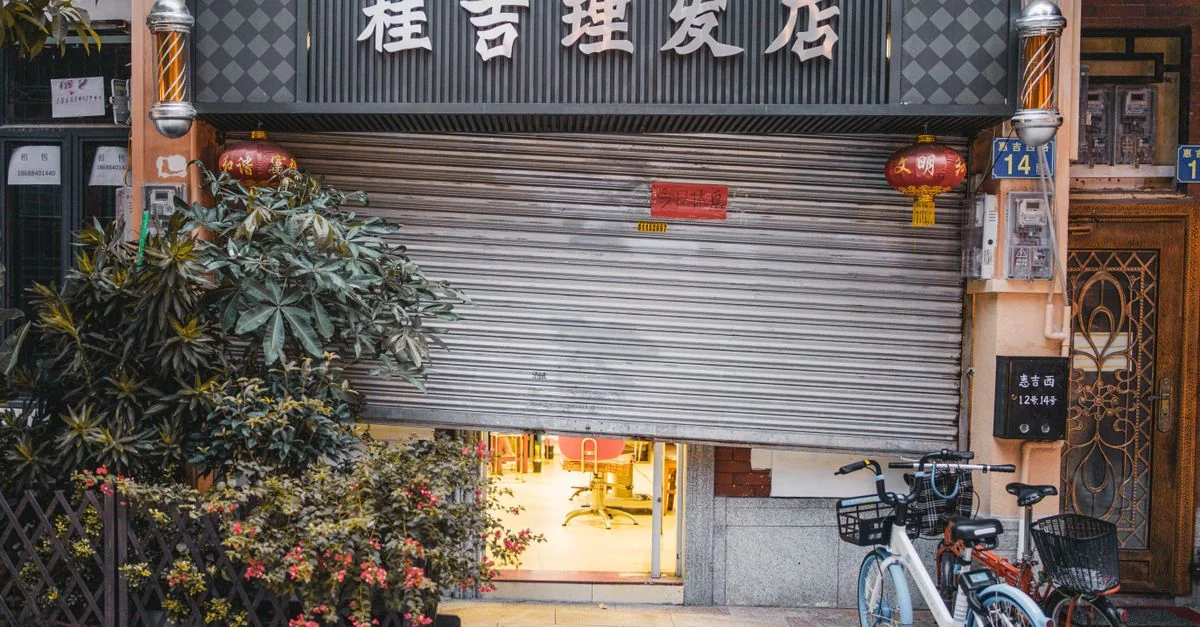
The moment the XPENG Motors factory’s sleek, futuristic design catches your eye, you know Guangzhou is a city that blends tradition with innovation. This isn’t just a factory; it’s a testament to China’s rapid advancements in the electric vehicle industry. As you approach, the contrast between the modern and the ancient becomes evident, with the factory standing tall next to the ancient Canton Tower. This juxtaposition sets the stage for a city that’s as dynamic as it is culturally rich. Why Guangzhou Is ideal for Art and History Lovers # Guangzhou’s art scene is a lively mix woven with threads of tradition and modernity. The city’s museums and galleries offer a deep dive into its long history, while its contemporary art spaces showcase the work of both local and international artists. The Canton Tower, with its glass floors and observation decks, provides a unique perspective of the city’s skyline, blending art and engineering in a breathtaking display. For those interested in traditional Chinese art, the Guangzhou Museum is worth visiting, housing an impressive collection of ancient artifacts and paintings.