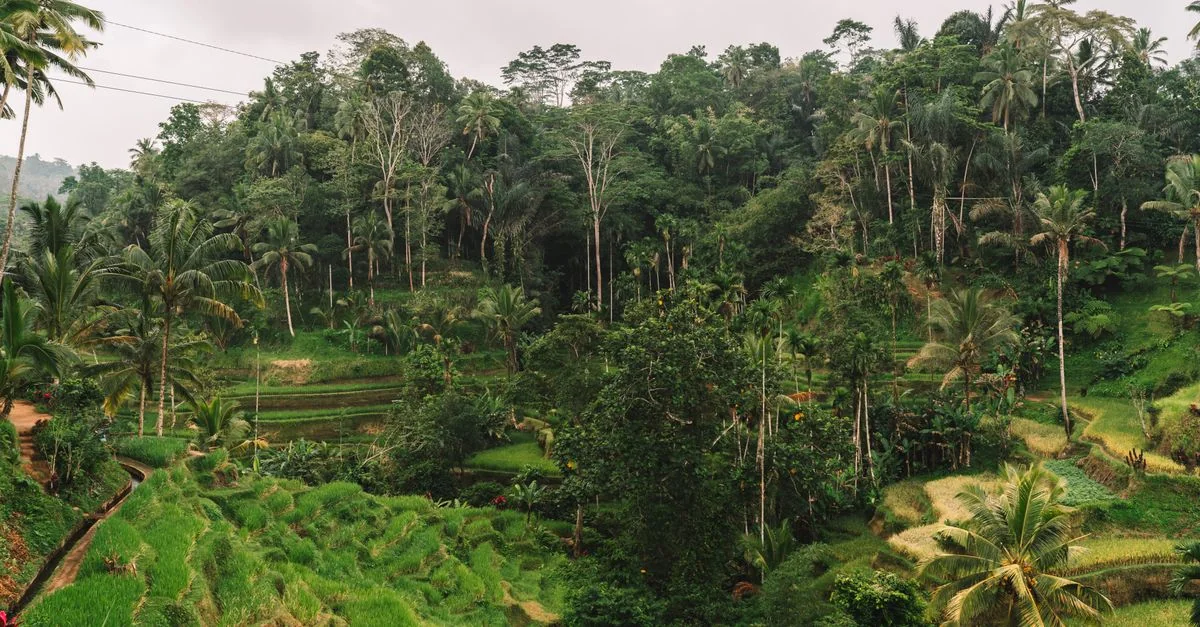
When I trace my fingers across the intricate, hand-chiselled stone temple reliefs around Ubud, I feel the direct connection between daily Balinese life and centuries of spiritual devotion. This town in the rolling hills of Bali operates as an active canvas where painting, wood carving, and sacred architecture form the rhythm of existence. As a traveler who tracks artistic movements and historical layers, I find that Ubud demands a deliberate pace. You cannot rush through an architectural tradition that treats every doorway as an offering. Why Ubud Is ideal for Art and History Lovers # The creative energy here stems from royal patronage and a deep-rooted spiritual philosophy known as Tri Hita Karana, which harmonizes humans with gods, nature, and each other. Painters and sculptors migrated to these highlands decades ago, drawn by the quality of light and the abundance of natural materials like teak, volcanic stone, and organic dyes. Walk down any side street, and you will hear the rhythmic tap of a chisel meeting wood, or watch an elder weaving palm fronds for daily temple ceremonies. The art here is not locked behind glass for passive viewing; it lives in the courtyards, frames the doorways, and dictates the layout of ancient water shrines.

I stood in the grand stairwell of the Palazzo Reale, tracing the gilded plasterwork with my eyes as the morning light hit the ceiling frescoes. Turin has a way of surprising travelers who expect only automotive factories from Italy’s northern powerhouse. Instead, this former royal capital offers a distinct architectural dignity, born from its grid-like Roman foundations and centuries of Savoy rule. When I travel for art and history, I look for places where the streetscapes feel like open-air galleries, and Turin delivers this through its uniform baroque facades, grand piazzas, and an unhurried cafe culture. Why Turin Is ideal for Art and History Lovers # Walking through the city center, the architectural shift from medieval alleys to sweeping 17th-century boulevards tells the story of the House of Savoy. The city’s layout was designed to project power, with long avenues framing the snow-capped Alps in the distance. Beyond the royal architecture, the urban fabric houses exceptional collections of historical artifacts, fine art, and design objects that span centuries.
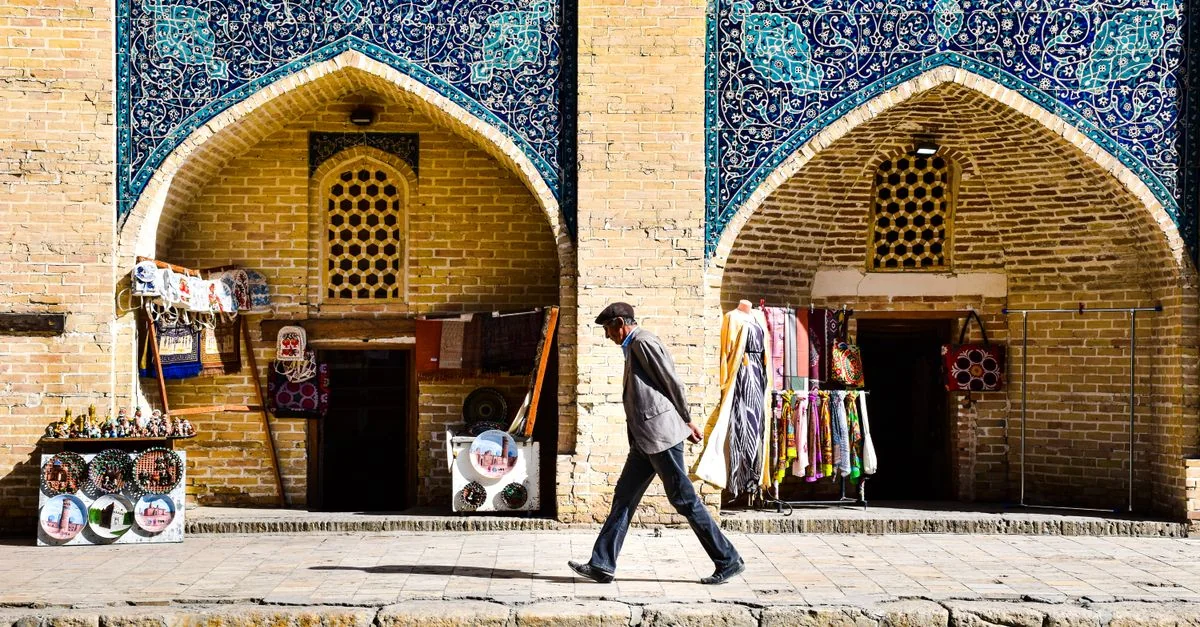
Standing beneath the soaring concrete arches of Toshkent’s Hotel Uzbekistan, tracing the intricate geometric patterns of its concrete brise-soleil facade, you immediately understand that this city operates on a different architectural frequency than its ancient neighbors. While Samarkand and Bukhara draw travelers with turquoise-domed madrasas, Toshkent offers a masterclass in mid-century Soviet monumental design overlaid with a living Central Asian arts scene. I spent weeks walking these broad avenues, examining mosaic murals bolted to residential apartment blocks, and exploring the layers of history preserved in the city’s exhibition halls. This guide details how to navigate the cultural landscape of Toshkent, focusing strictly on verifiable experiences, authentic artistic heritage, and the exact tour options available to travelers on the ground. Why Toshkent Is ideal for Art and History Lovers # Toshkent functions as the primary gateway to Uzbekistan, yet many travelers bypass its cultural offerings in a rush to reach the Silk Road monuments further west. That is a mistake. The city’s identity was dramatically reshaped by the devastating 1966 earthquake, which leveled large portions of the historic center. In response, architects and artists from across the Soviet Union arrived to rebuild the capital, creating a unique urban laboratory.
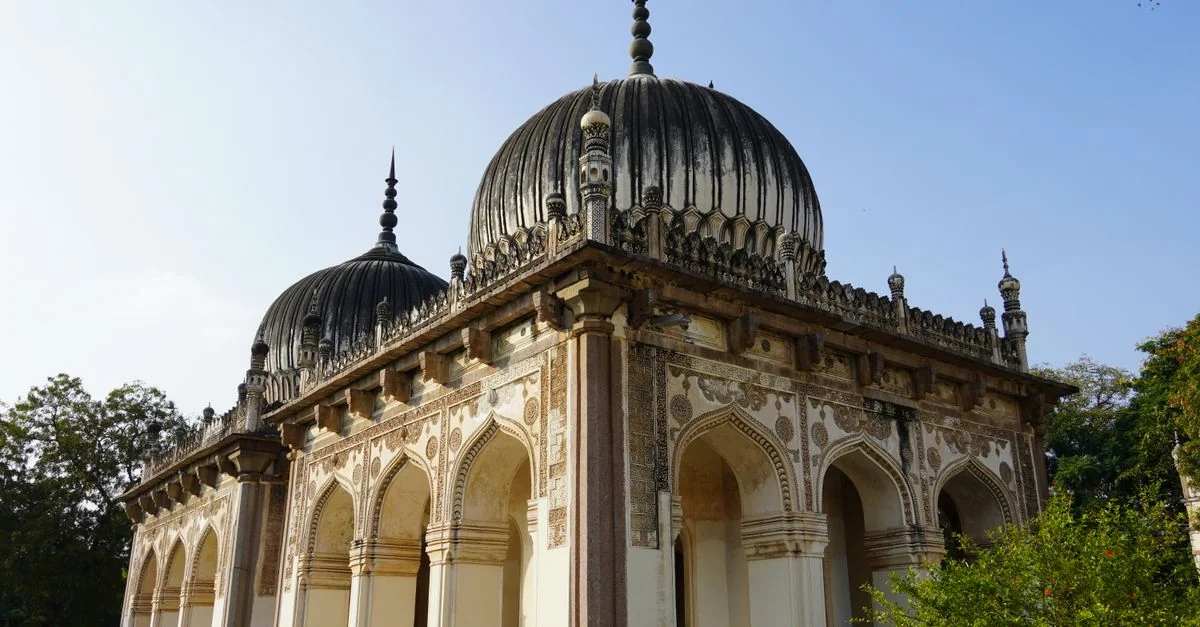
The four minarets of the Charminar rise above the old city of Hyderabad like a limestone compass, their stucco ornamentation reflecting the Qutb Shahi dynasty’s preference for Indo-Islamic precision. Standing at the base of this structure, you notice the intricate carvings that have withstood centuries of monsoon rains and urban expansion. It is here, in the heart of Telangana, that the past remains physically present, etched into the granite of fortresses and the delicate arches of mosques. Understanding this region requires moving beyond the surface level of modern transit and focusing on the specific engineering feats of the Deccan Plateau. Why Telangana Is ideal for Art and History Lovers # Telangana serves as a bridge between the architectural traditions of the north and the Dravidian motifs of the south. The history here is defined by the transition from the Kakatiya dynasty to the Bahmani and Qutb Shahi rulers, a sequence that left behind a distinct visual language. You see this in the geometric patterns of the tombs and the defensive walls of the Golconda Fort, which utilize acoustic engineering that still functions today.

The towering gopurams of the Meenakshi Amman Temple in Madurai serve as a masterclass in Dravidian architecture. Each tier is crowded with stucco deities, their expressions frozen in a permanent state of celestial drama. Standing at the base of these structures, you realize that the art of Tamil Nadu is not confined to the sterile glass cases of a gallery; it is a living, breathing entity carved directly into the bedrock of the landscape. The precision of the stone-cutters, who turned granite into fluid drapery and delicate jewelry, remains one of the most compelling reasons to explore this southern Indian state. Why Tamil Nadu Is ideal for Art and History Lovers # Tamil Nadu operates on a scale of antiquity that is difficult to process. While many regions in India focus on the aesthetics of the Mughal era, Tamil Nadu remains the stronghold of the Chola, Pandya, and Pallava dynasties. The art here is defined by its verticality and its narrative density. In the temples of Thanjavur or the rock-cut shrines of Mahabalipuram, every pillar serves as a page in a historical manuscript.
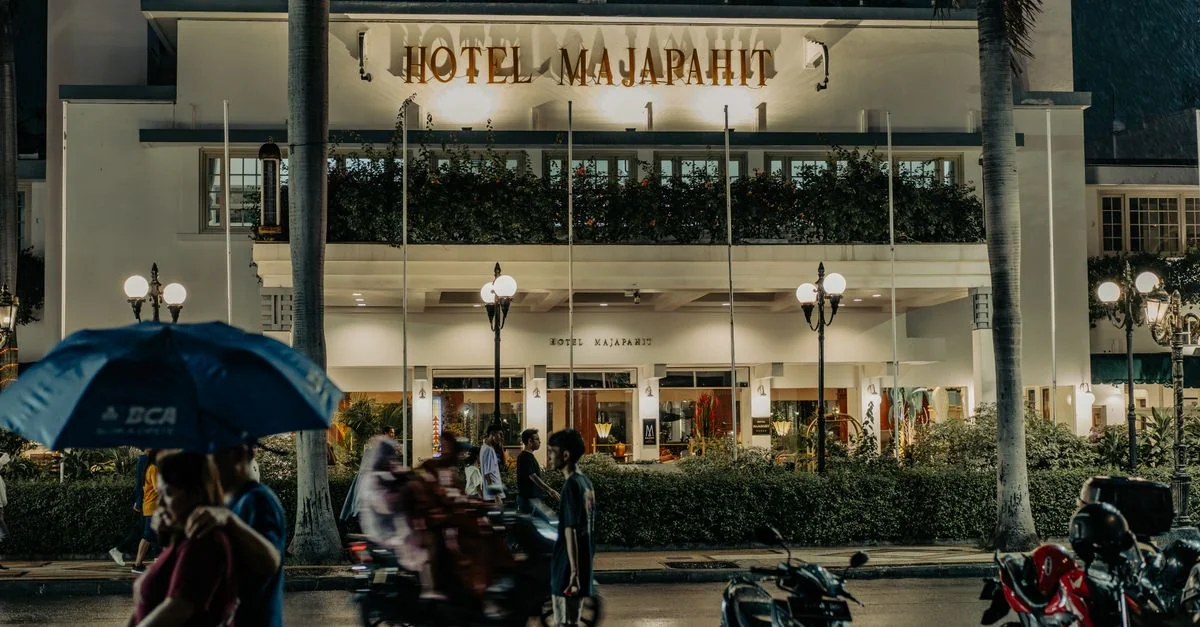
Standing before the weathered red brickwork of Candi Tikus, located just outside Surabaya, I found myself tracing the geometric contours of a structure that once served as a ritual bathing place for Javanese royalty. This thirteenth-century archaeological site anchors the region’s deep historical narrative, connecting the modern streetscape of East Java’s largest city directly to the medieval Majapahit Empire. As a traveler who measures a destination by its physical artifacts and enduring artistic traditions, I discovered that Surabaya offers a distinct lens into Indonesian heritage, far removed from the typical beach resort circuit. Why Surabaya Is ideal for Art and History Lovers # Surabaya operates as a city forged in the fires of anti-colonial resistance and shaped by centuries of maritime trade. The architecture shifts dramatically from the crumbling colonial facades of the Red Bridge district to the neighborhood of Kampong Lawas Maspati, where traditional Javanese dwellings stand quietly behind narrow alleys. Local galleries and civic museums house the tangible remains of eras when Hindu-Buddhist kingdoms and Islamic sultanates held sway over the archipelago.

Standing before the weathered stone and maritime masonry of the Rooms in downtown St. John’s, you instantly feel the weight of centuries of North Atlantic history. This capital city holds stories carved by cod fisheries, transatlantic aviation, and an Indigenous past that stretches far beyond European contact. When I travel for art and history, I look past the standard tourist gloss to find the architecture, galleries, and local guides that explain how a place actually lives. St. John’s delivers this with an unpretentious warmth that sets it apart from larger Canadian metropolises. Why St. John’s Is ideal for Art and History Lovers # The geographic isolation of Newfoundland shaped a distinct artistic and cultural identity here. You see it in the bright, multi-colored Jellybean Row houses climbing the steep hillsides, and in the contemporary galleries displaying works by local painters and sculptors who draw inspiration from the crashing waves of Cape Spear. The city’s cultural footprint rests on a foundation of maritime resilience. History isn’t locked away in dusty cabinets here; it echoes through the narrow lanes, local folk music sessions in pubs, and the permanent collections at major cultural centers.
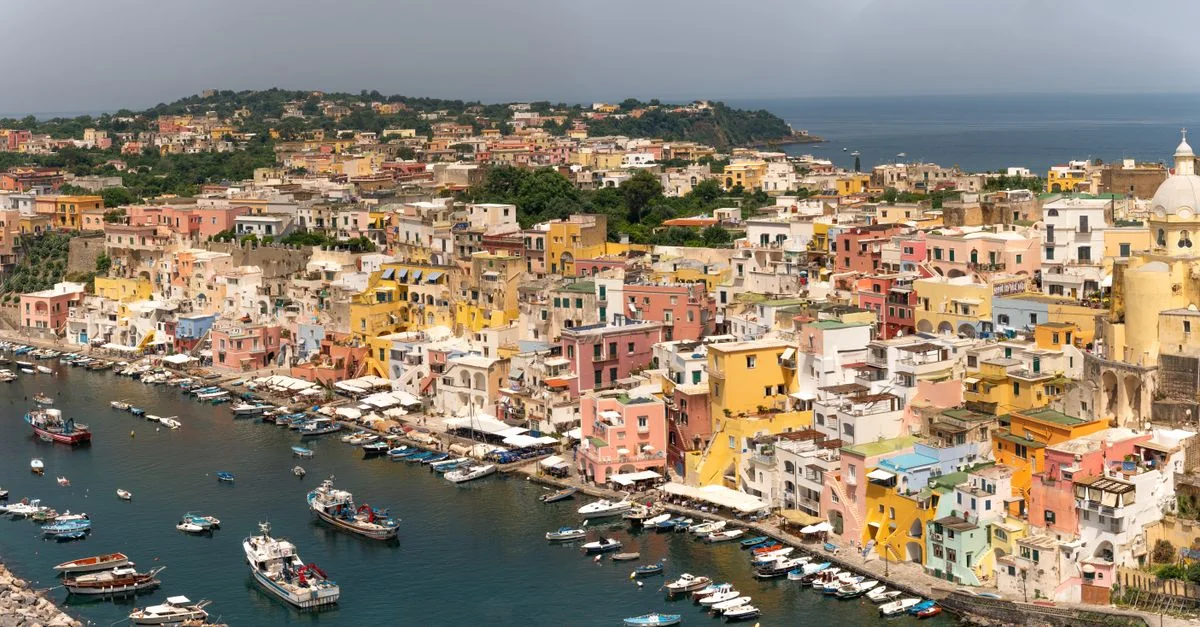
Standing before the carved wooden intarsia panels inside Sorrento’s Museo Correale di Terranova, I immediately understood that this cliffside Campanian town is far more than a coastal stopping point for sunseekers. The intricate wood inlay work captures centuries of local artisan tradition, reflecting the same meticulous craftsmanship found across the region’s ancient ruins and historic workshops. Why Sorrento Is ideal for Art and History Lovers # Perched dramatically on tufa cliffs overlooking the Bay of Naples, Sorrento serves as a geographic and historical bridge to antiquity. The town’s ancient Greek orthogonal street pattern still dictates the layout of the historic center, where narrow alleys wind past medieval stone archways and Baroque churches like the Basilica of San Antonino. Art enthusiasts can trace the evolution of Southern Italian aesthetics from Greco-Roman artifacts in local collections to the distinct maritime paintings of the 19th-century School of Posillipo. Every corner reveals physical layers of Greek, Roman, Byzantine, and Bourbon rule, making the town an essential destination for anyone looking to understand the broader cultural landscape of Southern Italy.
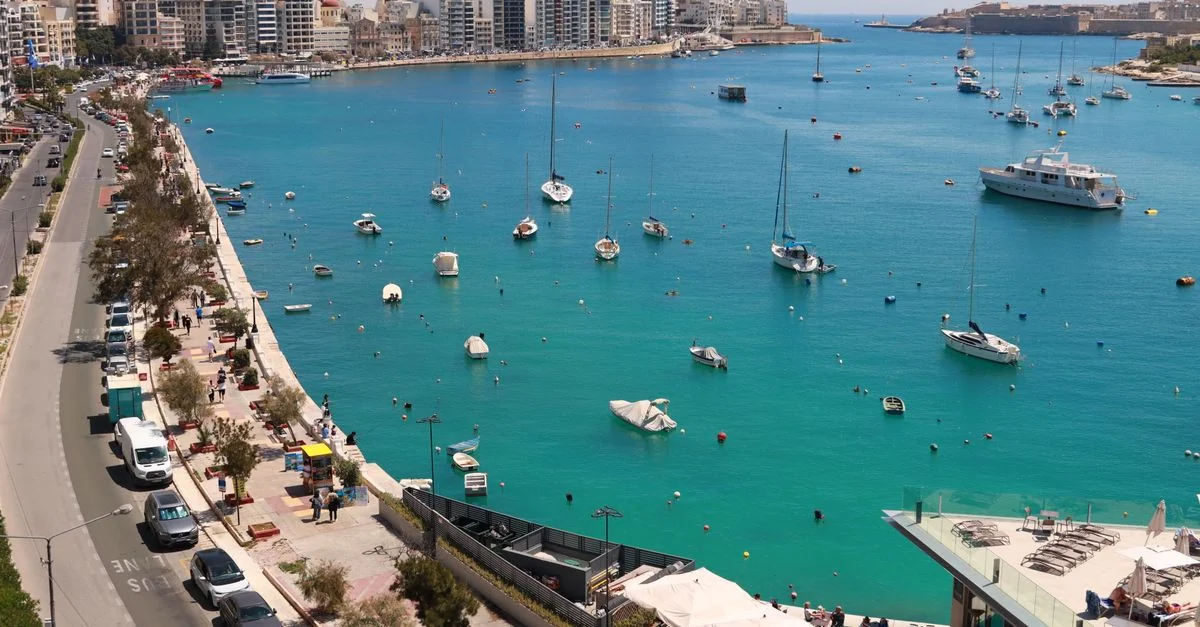
Standing on the rocky limestone promenade of Sliema, watching the golden limestone fortifications of Valletta catch the late afternoon light across Marsamxett Harbour, I find myself thinking about the sheer density of ancient human endeavor packed into these Mediterranean islands. While many travelers view this Maltese coastal town merely as a modern hub of cafes and shopping malls, it serves as an ideal base for exploring the deeper creative and historical strata of the Maltese archipelago. The air here carries the scent of salt and dry earth, a sensory prelude to the monumental archaeology waiting just beyond the modern streetscape. Why Sliema Is ideal for Art and History Lovers # When you study the silhouette of Valletta from the Sliema waterfront, you are looking at a masterclass in military architecture conceived by the Knights of St. John following the Great Siege of 1565. Yet, the cultural narrative of Malta reaches far deeper than the Baroque facades of the capital. Sliema itself grew from a quiet fishing village centered around a small chapel dedicated to Our Lady Star of the Sea—known locally as Stella Maris—into a fashionable residential resort for Valletta’s gentry in the nineteenth century.
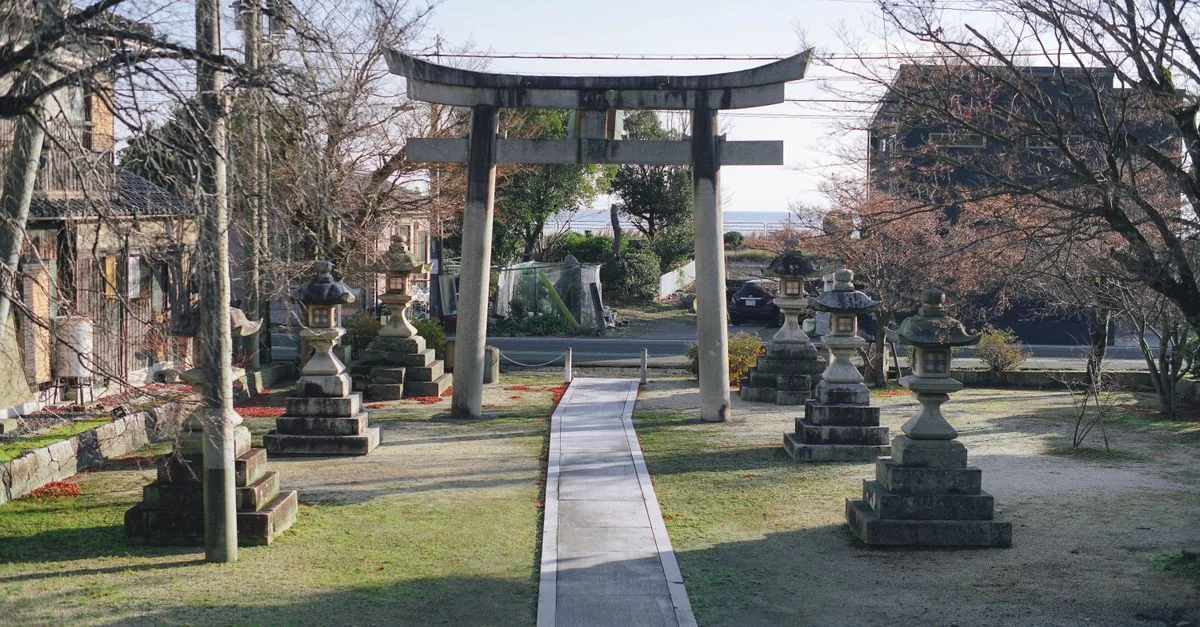
Standing before a painted scroll of the demon demon-turned-monkey beating a drum, I realized how much humor actually existed in Edo-period Japanese art. These satirical characters, known locally as Otsu-e, were originally sold to travelers along the Tokaido road as cheap amulets and souvenirs. They combined folk beliefs with sharp social commentary, mocking human folly through figures like Ogre in Buddhist robes or the blind men stumbling together. Shiga Prefecture preserves this exact artistic lineage, offering travelers a rare window into Japan’s historic visual culture far away from the standard metropolitan museum crowds. Why Shiga Is ideal for Art and History Lovers # Shiga sits directly adjacent to Kyoto, yet its cultural identity leans heavily into rural craftsmanship and ancient regional traditions rather than imperial court aesthetics. Lake Biwa anchors the prefecture, but the surrounding mountains and valleys tell stories of potters, painters, and pilgrims who shaped Japanese material culture over centuries.