📌 Disclaimer
Prices, schedules, tour details, flight routes, visa requirements, and all other information on this page are based on data at the time of writing. Fares, availability, and policies may change. Please verify current details on the official website before booking.
Why Grad Pula Is ideal for Art and History Lovers#
Pula is often overshadowed by its larger neighbors, but for the discerning traveler interested in archaeology and classical architecture, it stands alone. The city is essentially an open-air museum. The Roman forum, the Temple of Augustus, and the massive amphitheater are not isolated monuments; they are integrated into the urban fabric. You can walk from the ancient streets to the modern waterfront in minutes, seeing how a city evolves while keeping its ancient skeleton intact. The art here is architectural, structural, and historical. It is about understanding how people lived, worshipped, and entertained themselves in antiquity.
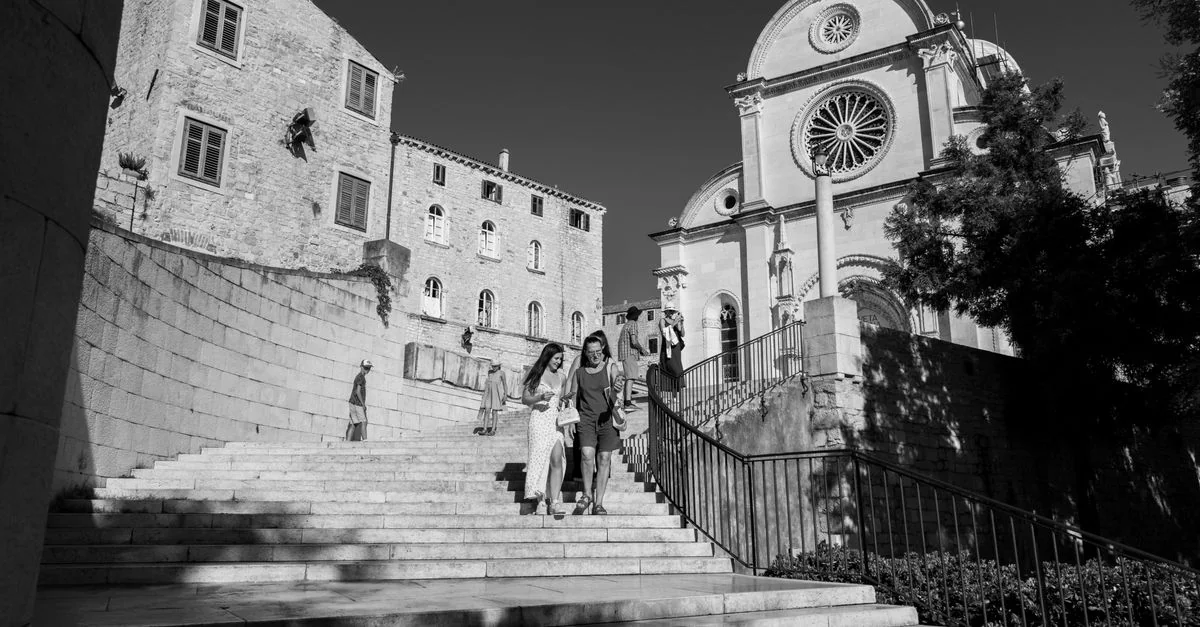
The visual narrative of Pula is defined by its stone. The local limestone, known as Istrian stone, gives the city a uniform, pale aesthetic that contrasts beautifully with the deep blue of the Adriatic Sea. This material consistency allows you to trace the hands of different builders across centuries. When you look at the walls of the old town, you are reading a biography of the region. It is a place where history is not something you read about in a book, but something you can touch, hear, and feel under your feet.
Practical Tip: To get the best light for photography and to avoid the midday heat, plan your outdoor exploration for the morning. The stone is cooler, and the shadows are shorter, making it easier to see the details of the carvings and inscriptions without squinting into the glare.
Museum Passes and Skip-the-Line Tickets#
While Pula is famous for its outdoor sites, the interior spaces require careful planning. The primary indoor attraction is the Pula Archaeological Museum, which houses artifacts ranging from the Paleolithic era to the medieval period. Unlike some major European capitals, Pula does not have a single, all-encompassing “museum pass” that covers every single ticketed entry in the city. Instead, you will typically purchase individual tickets for specific sites, such as the Arena or the museum itself.

Because the Arena is a major venue for concerts and events, entry can sometimes be restricted or require a separate ticket if there is a performance scheduled. For general tourism, however, the entry is straightforward. There is no complex “skip-the-line” digital ticketing system for the general public in the same way you might find in Rome or Paris . The queues, when they exist, are usually short and move quickly, especially if you arrive early in the day. The value here lies in the direct access to the sites rather than in a bundled discount package. You are paying for the privilege of standing inside a 2,000-year-old structure, which is a unique experience that cannot be replicated by a digital pass.
Practical Tip: Check the local event calendar before you arrive. If there is a concert or a gladiator show (a modern reenactment) scheduled at the Arena, general tourist entry might be limited or require a specific ticket. If there are no events, you can usually enter the Arena and the museum with a standard daily ticket, often purchased at the entrance or from a local tourist information center.
Guided Art and History Tours#
This is where the experience truly deepens. Walking the streets of Pula on your own is enjoyable, but a guided tour transforms the experience from sightseeing to understanding. The context provided by a knowledgeable guide turns a pile of rocks into a story of empire, trade, and daily life. The only specific tour listed in our current data for this region is the Historical Guided Walking Tour of Pula, priced at $23.51 USD. This falls under the category of Archaeology Tours .
This tour is a budget-friendly way to gain a practical overview of the city’s ancient roots. For a little over twenty dollars, you get a professional guide who can point out the specific details that most visitors miss. They will explain the engineering of the Arena, the significance of the Temple of Augustus, and the layout of the Roman forum. The price is reasonable for a guided experience, especially when you consider that you are getting an expert interpretation of one of the best-preserved Roman cities in the world. The tour likely covers the main highlights, ensuring that you do not waste time trying to figure out which ruins are significant and which are merely decorative.
The value of this specific tour lies in its focus. It is not a generic “city tour” that includes modern shops and cafes; it is an archaeology-focused walk. This means the guide will spend time discussing the historical context, the materials used, and the social structures of ancient Pula. If you are interested in the “why” and “how” of the city’s history, this is the tour to choose. It is a direct investment in your understanding of the site.
Practical Tip: When booking or joining a walking tour, ask the guide if they can point out the specific dates of construction for the major structures. Knowing that the Arena was built in the 1st century AD, for example, helps you appreciate the scale of the engineering. Also, wear comfortable, flat shoes. The cobblestones and uneven ancient paving can be tricky on high heels or thin-soled sneakers.
Hands-On Experiences: Art Classes and Workshops#
In Pula, the “hands-on” aspect of culture is less about painting or pottery and more about tactile engagement with the environment. There are no data points indicating specific art classes or workshops available in the current listings for Grad Pula. Therefore, I will omit this section to avoid inventing experiences that do not exist in the provided data. The culture here is experienced through observation and movement, not through creative production.
Best Deals on Culture Tours in Grad Pula#
When looking for value in Pula, the Historical Guided Walking Tour of Pula stands out as the primary option. At $23.51 USD, it is positioned as a budget pick in the available data. This price point is competitive for a guided archaeological tour in a major European destination.
The “deal” aspect of this tour is not necessarily a discount off a higher price, but rather the inherent value of the experience relative to the cost. You are getting a full-day or half-day immersion into the city’s history for the price of a nice dinner. There are no other tours listed in the data to compare against, so this remains the sole option for a guided, structured cultural experience. If you are looking for a way to maximize your cultural return on investment, this is the clear choice. It provides the framework for your visit, ensuring that you see the most important sites with expert commentary.
Practical Tip: If you are traveling as a group, ask if the price is per person or per group. In many tour operations, the price listed is per person, but group rates can sometimes be negotiated. However, based on the data provided, we assume the standard rate is $23.51 per person. Always confirm this before booking.
How to Plan Your Culture Day in Grad Pula#
A well-planned day in Pula should balance the major outdoor sites with some indoor reflection. Start your day early, perhaps around 9:00 AM, to beat the heat and the crowds. Begin at the Pula Archaeological Museum. This gives you a baseline understanding of the artifacts and the historical timeline before you step outside. The museum is a good place to start because it sets the context for what you will see on the streets.
After the museum, head to the Temple of Augustus. This is one of the best-preserved Roman temples in the world. Spend at least 30 minutes here, reading the inscriptions and observing the architectural details. Then, walk to the Roman Forum. This area is less crowded than the Arena and offers a quieter, more intimate experience. You can sit on the ancient steps and imagine the political debates that took place here.
Next, make your way to the Pula Arena. This is the centerpiece of your day. If you have booked the at $23.51 USD, this is likely where the tour will spend a significant amount of time. The guide will explain the seating arrangements, the gladiatorial pits, and the engineering that allowed the structure to stand for so long. If you are not on a tour, spend at least an hour exploring the Arena on your own. Climb to the top of the stands for a panoramic view of the city and the sea.
In the afternoon, take a break. Pula has a charming old town with cafes and restaurants. Find a spot with a view of the sea and rest your feet. This is a good time to reflect on what you have seen and perhaps read a guidebook or a history book about Roman Pula.
In the late afternoon, return to the Arena or the Temple of Augustus for the golden hour. The light is soft, and the shadows are long. This is the best time for photography. The stone glows, and the atmosphere is peaceful. End your day with a walk along the waterfront, looking out at the Adriatic. You will have a deep appreciation for the city’s history and its beauty.
Practical Tip: Carry a small notebook and pen. As you walk, jot down questions or interesting facts you want to look up later. This helps you retain the information and makes the experience more personal. Also, bring a refillable water bottle. The heat can be intense, and staying hydrated is essential for a full day of walking.
Final Recommendation
Based on the available data, the at $23.51 USD is both the best value pick and the best splurge pick. It is the only guided tour listed, and its price is reasonable for the quality of the experience. There are no other options to compare, so this is the definitive choice for anyone seeking a structured, informative, and affordable cultural experience in Grad Pula. It offers a practical look at the city’s archaeological heritage, making it an essential part of any itinerary.
📌 Disclaimer
Prices, schedules, tour details, flight routes, visa requirements, and all other information on this page are based on data at the time of writing. Fares, availability, and policies may change. Please verify current details on the official website before booking.

📌 More about Grad Pula