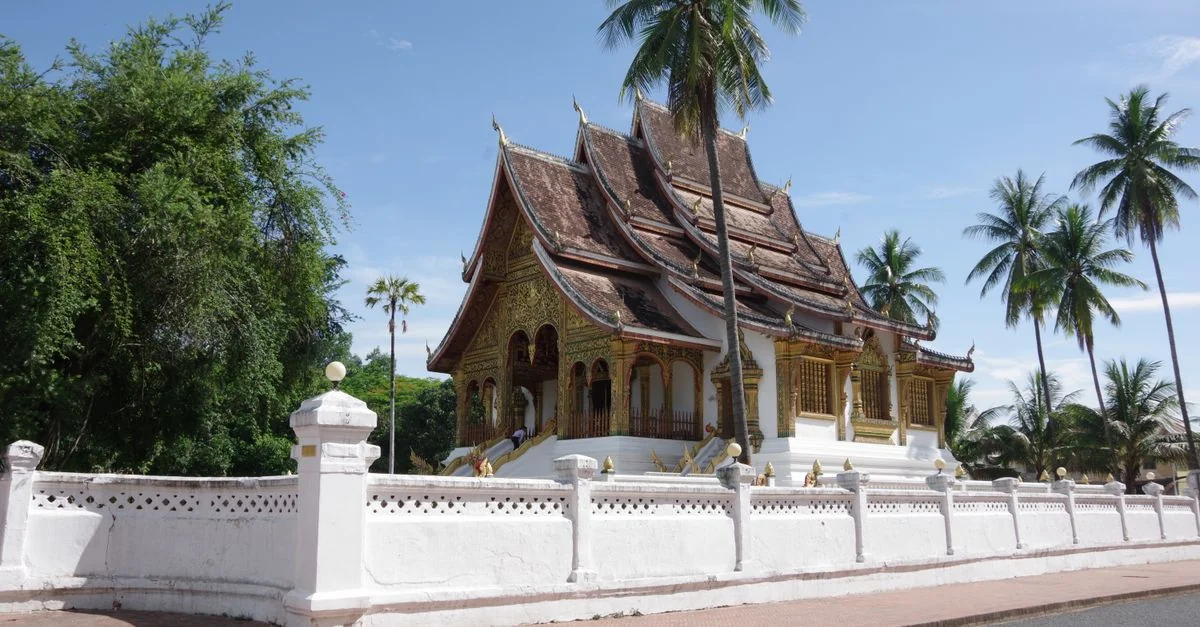
Standing before the gilded, intricately carved wooden facade of Wat Xieng Thong, built in 1560 by King Setthathirat, you immediately understand the aesthetic heartbeat of this former royal capital. The temple’s low-sweeping roofs and the famous “Tree of Life” mosaic on the western exterior wall capture a distinct Laotian craftsmanship that merges Theravada Buddhist symbolism with indigenous decorative traditions. When I travel here, my goal is always to move past the surface architecture and understand the hands that shaped these temples, textiles, and paper traditions. Why Luang Prabang Is ideal for Art and History Lovers # Art and history exist in a continuous loop in this Indochinese peninsula. French colonial villas with decaying pastel shutters sit right alongside centuries-old Buddhist monasteries. The Royal Palace Museum, once the residence of King Sisavang Vong, houses the Phra Bang Buddha image alongside royal religious art and traditional Lao artifacts. Every monastery ceiling, gilded door panel, and hand-woven sinh worn by local women speaks to an unbroken lineage of aesthetic expression.
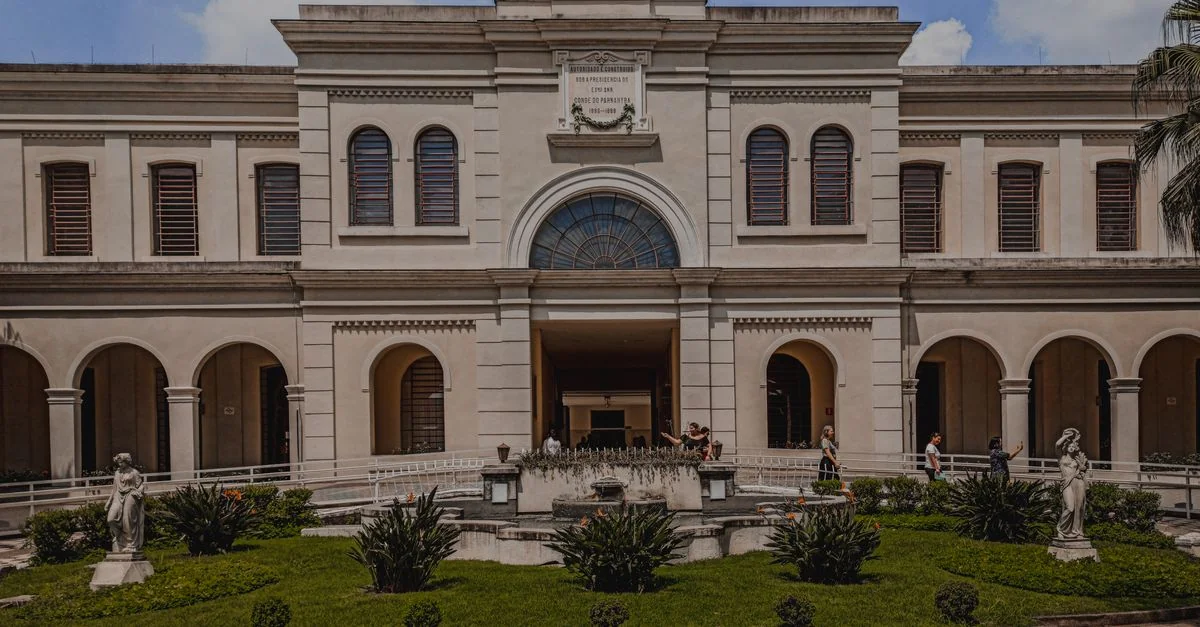
Standing before the carved mahogany door panels at the entrance of the regional archives, I trace the geometric symbols worn smooth by decades of humid air and passing hands. This is where my journey through the cultural landscape of Lome Commune began—not with a grand monument, but with the quiet, tactile evidence of daily life and ancestral memory. As a traveler who tracks civilizations through their material culture, I find that this coastal capital offers a distinct window into West African history. The city’s architectural juxtaposition of German colonial brickwork and modernist concrete structures provides an immediate visual cue about its complex past. When you walk these streets, you are navigating layers of governance, trade, and artistic expression that stretch back long before independence. Why Lome Commune Is ideal for Art and History Lovers # The urban fabric of Lome Commune tells stories through its facades, markets, and institutions. Along the palm-lined coastal avenues, old colonial administrative buildings now house local government offices and small galleries. You notice the rhythmic patterns of breeze-block walls, designed to catch the Atlantic trade winds, alongside elaborate wrought-iron balconies imported during the late nineteenth century.
Standing inside the soaring gothic nave of the Lausanne Cathedral, looking up at the 13th-century painted rose window, you realize this city is layered with centuries of stone and spirit. When I first visited Lausanne, I expected a sleepy alpine postcard. Instead, I found a steep, terraced hillside city on the shores of Lake Geneva where Roman foundations meet medieval walls and experimental contemporary design. As a traveler who measures a city by its stone carvings, gallery lighting, and preservation of the past, Lausanne offers an intellectual density that rewards slow walking and careful observation. You do not just look at history here; you climb through it, stairwell by steep stairwell, from the port of Ouchy up to the old town.

Standing on the southern tip of Grenada , the sea salt hits my tongue before I even notice the weathered stone remnants of old estate walls near Prickly Bay. This peninsula, known for its sweeping peninsular curves and quiet residential lanes, carries layers of history that extend far beyond its modern reputation for luxury villas and calm swimming waters. While many travelers come here simply to lounge on the sand, my curiosity always pulls me toward the archaeology and heritage embedded in the soil. Why Lance aux Epines Is ideal for Art and History Lovers # When you trace the footsteps of the island’s past, this corner of St. George parish reveals a narrative shaped by indigenous settlement, colonial struggles, and agricultural evolution. The architecture along the coastal paths often incorporates estate foundations dating back centuries, whispering stories of the spice trade that earned Grenada its moniker. Walking these roads feels less like touring a standard museum and more like moving through an open-air archive where every turn brings you closer to the physical roots of the Caribbean .
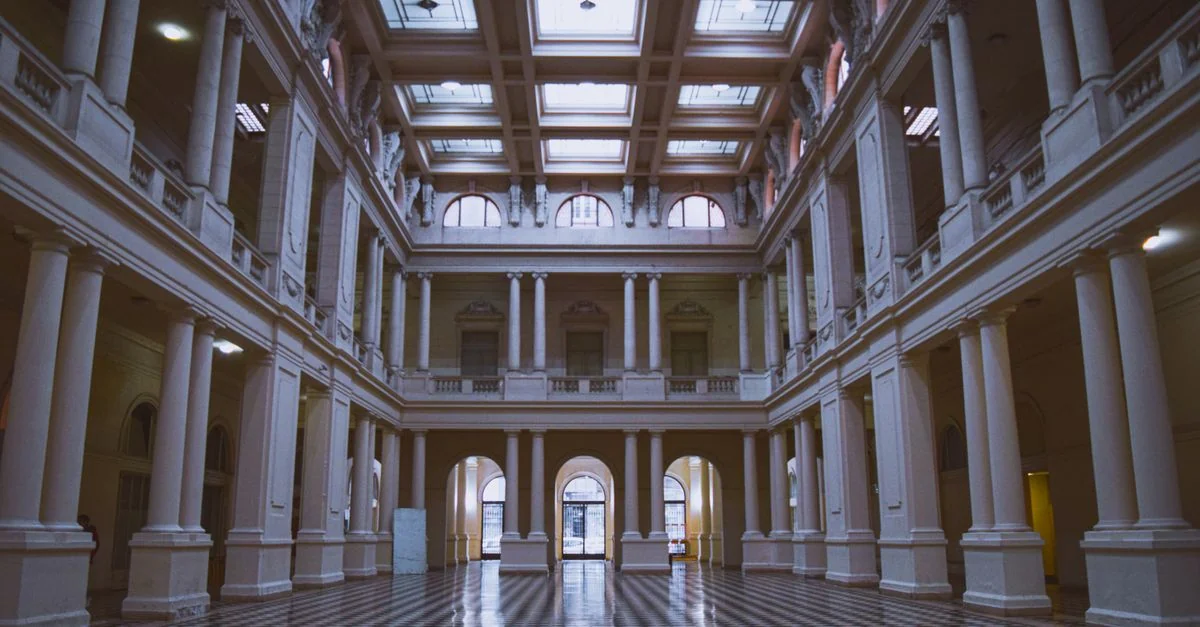
Standing before the stone masonry of Cliff Palace in nearby Mesa Verde, staring up at dwellings tucked seamlessly into the canyon walls, you immediately sense the ingenuity of the Ancestral Puebloan people who shaped this landscape centuries ago. As a traveler who prefers digging past the surface gloss of a destination to understand its historical skeleton, I found that La Plata County operates as a profound open-air museum. The region holds stories carved directly into sandstone and preserved beneath juniper-dotted mesas, offering a raw, unfiltered encounter with the American Southwest’s deep past. Why La Plata County Is ideal for Art and History Lovers # When you peel back the layers of this corner of Colorado, you discover an archaeological landscape that demands careful observation. Rather than traditional white-cube galleries, the primary canvas here is the high desert terrain itself, where ancient architecture tells the story of human resilience, adaptation, and complex societal structures. Every alcove and ruin site speaks to centuries of habitation, trade networks, and artistic expression found in pottery shards and petroglyphs.
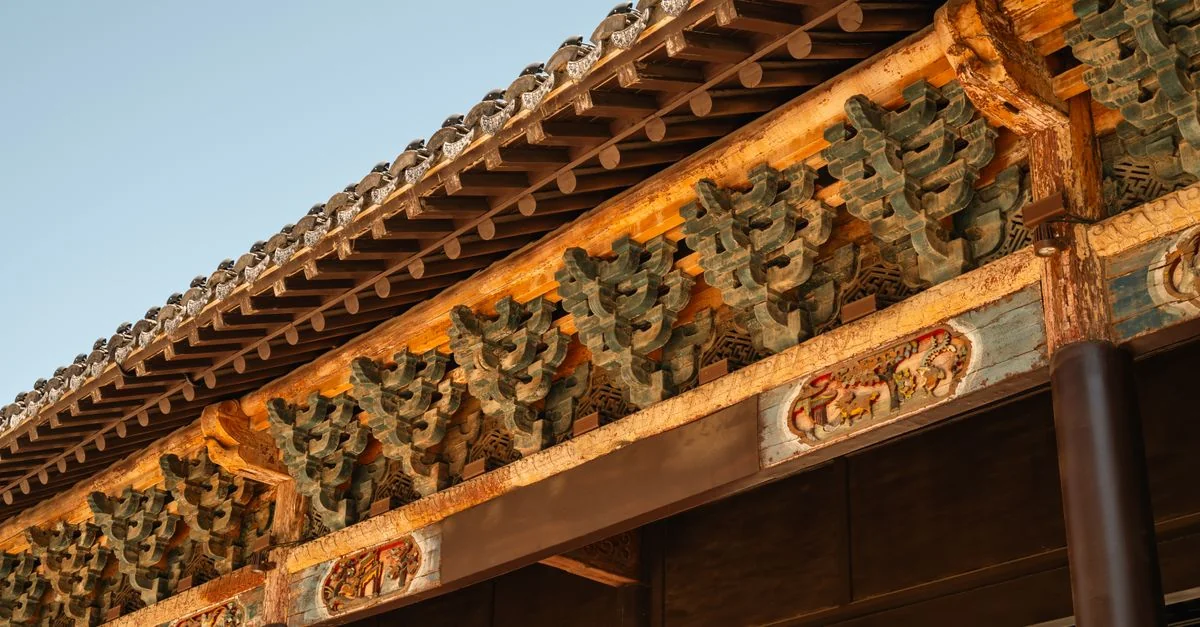
Standing before the sheer marble facade of Pisa ’s Cathedral, the sunlight catches the intricate blind arcades built by Buscheto in the eleventh century, reminding every traveler that LI serves as the primary maritime gateway to some of the greatest artistic achievements in human history. When your ship docks in this coastal Italian port, you are positioned mere miles away from the birthplace of the Renaissance. While many travelers simply rush past the port toward the interior, taking the time to understand the cultural geography of LI allows you to structure an itinerary that balances the salt-sprayed air of the Tyrrhenian coast with the heavy religious iconography and secular humanist paintings housed in inland galleries. Why LI Is ideal for Art and History Lovers # The geographic advantage of LI places you at the crossroads of maritime commerce and artistic patronage. Historically, this Tuscan port city connected merchants, diplomats, and artists who traveled across the Mediterranean, bringing foreign techniques and ideas back to the mainland. While the city itself carries the scars and subsequent rebuilds of World War II, its proximity to Florence and Pisa means you have direct access to the architectural revolutions of the Romanesque period and the painterly breakthroughs of the Quattrocento. Walking along the Medici port or viewing the monument of the Quattro Mori, you feel the weight of a mercantile empire that funded the very workshops where Michelangelo, Brunelleschi, and Giotto changed visual culture forever.
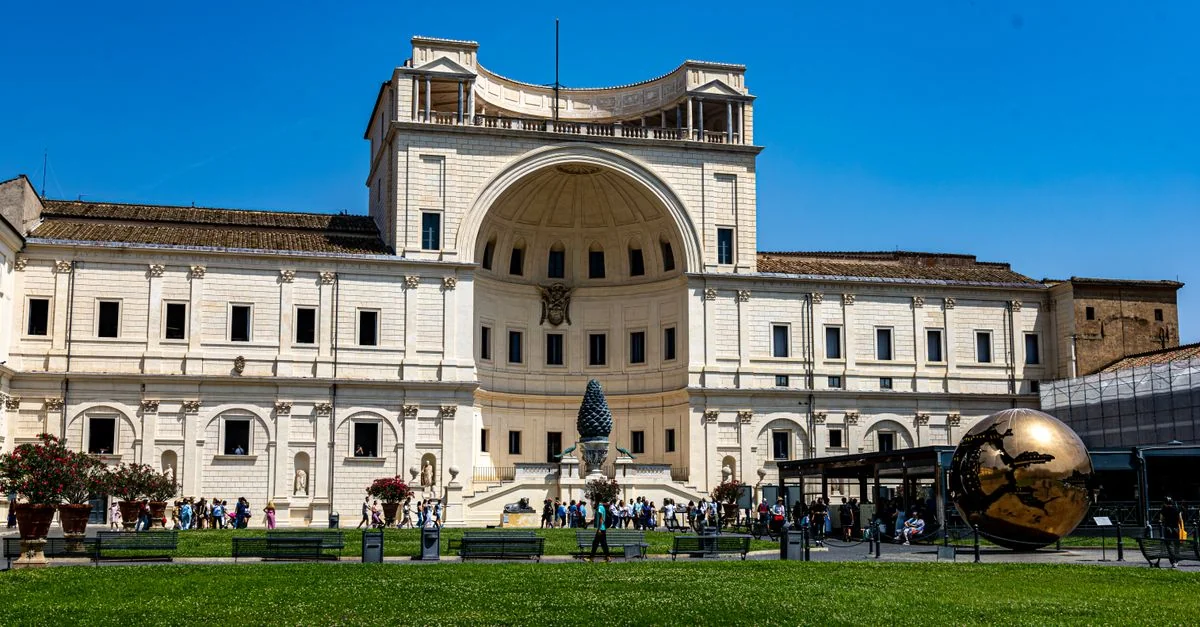
Standing before the ornate facade of the Basilica di Santa Croce in LE, I trace the intricate carvings of mythical beasts and floral garlands rendered in warm, honey-colored local stone. This sixteenth-century masterpiece demonstrates how the local Baroque style transformed ordinary limestone into sculptural lace. As a traveler who tracks historical footprints and artisan traditions rather than standard tourist checklists, I found that this southern Italian city rewards slow observation. Every piazza reveals centuries of architectural ambition, from Messapian foundations to Roman amphitheaters hidden just beneath the modern street level. Why LE Is ideal for Art and History Lovers # The distinct visual identity of LE stems from pietra di leccese, a pliable limestone that enabled generations of stonemasons to carve elaborate balconies, corbels, and church facades with extraordinary detail. Walking through the historic center, I noticed how the late afternoon sun turns the limestone a deep amber, illuminating the Piazza del Duomo in a warm glow. Unlike the stark white towns further south, this city embraces theatricality and shadow.
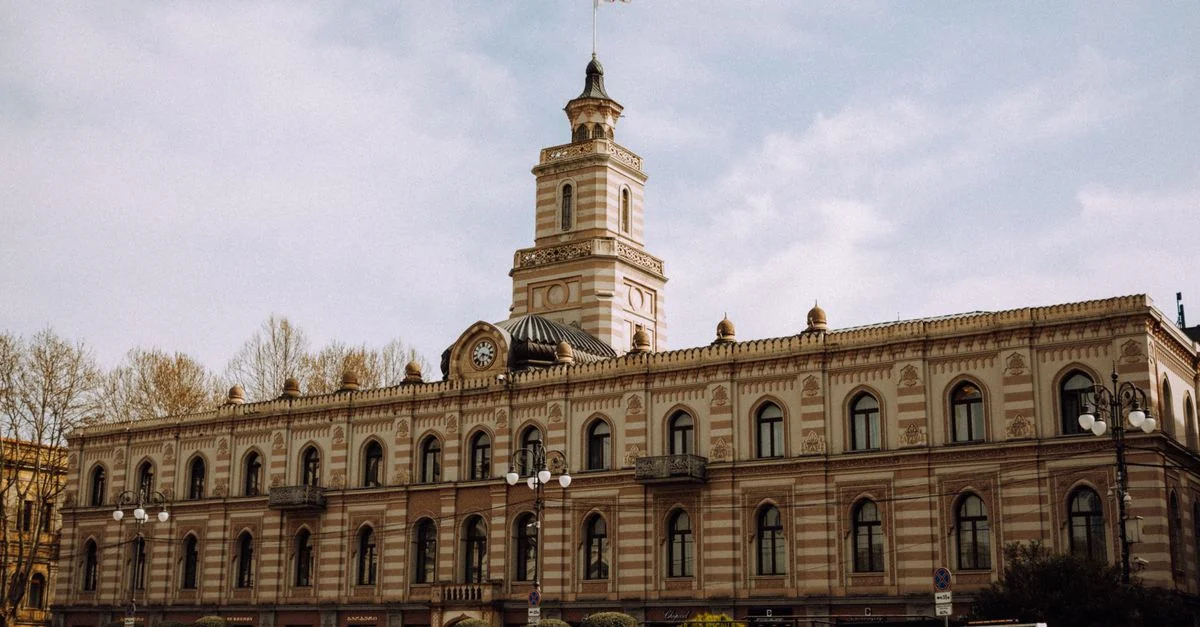
Standing beneath the stone arch of the south portal at Bagrati Cathedral, tracing the worn reliefs of the medieval master masons who carved lions and geometric crosses into the soft limestone, you immediately feel the weight of Colchis and the unified Georgian kingdom. This 11th-century monument, rebuilt and restored, commands the Rioni River valley from the heights of Ukimerioni Hill. My own travels through the Caucasus have often led me to grand landscapes, but Kutaisi Municipality offers something more grounded in ecclesiastical architecture, medieval wall paintings, and archaeological layers that tell the story of Western Georgia . Why Kutaisi Municipality Is ideal for Art and History Lovers # Art and history intersect across Kutaisi Municipality in ways that reward slow observation. The region preserves foundational chapters of Georgian statehood and Orthodox iconography. Walking through the ruins of Bagrati Cathedral reveals how medieval architects combined centralized cross-in-square floor plans with soaring proportions. A few kilometers away in the hills, Gelati Monastery introduces visitors to the Golden Age of Georgian painting, where 12th-century mosaics in the main apse—featuring the Virgin and Child flanked by archangels—shine with Byzantine gold leaf against dark backgrounds. Nearby, Motsameta Monastery, perched above the turbulent Tskhaltsitsa River, offers a quieter contemplation of stone masonry and martyrdom legends tied to the 8th-century princes David and Constantine.
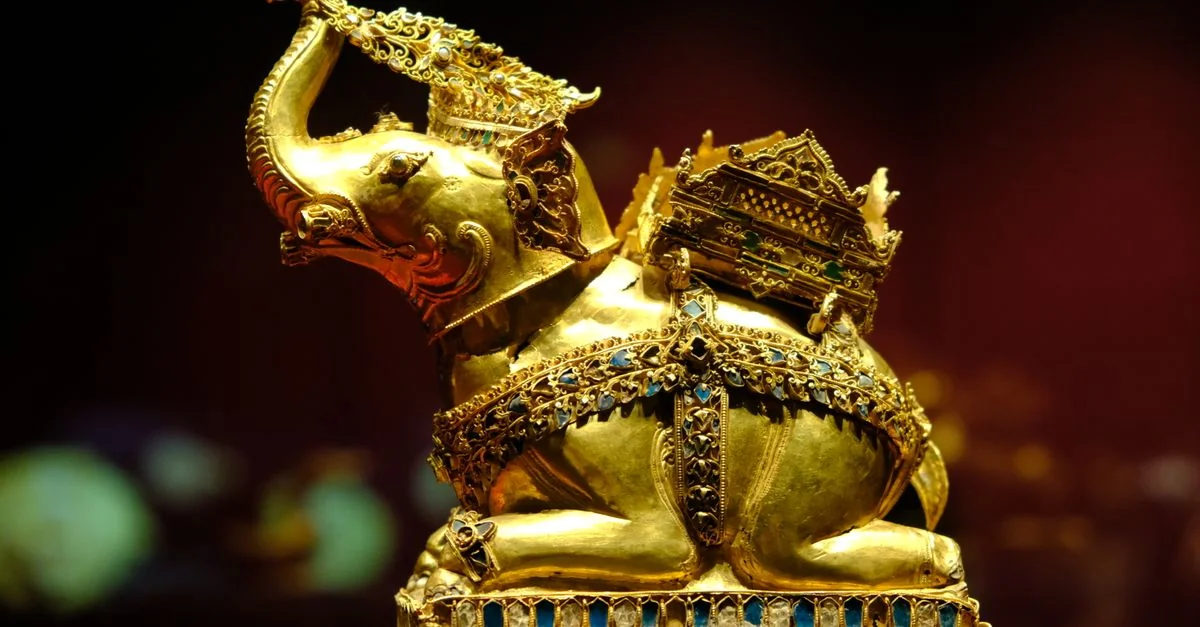
The intricate gold leaf application on the exterior of the Wat Phra Kaew temple serves as a stark reminder of the meticulous craftsmanship that defines Krung Thep Maha Nakhon . Standing before these structures, one realizes that the city is not merely a collection of buildings, but a living archive of aesthetic evolution. Whether you are interested in the quiet contemplation of historical sites or the energetic pulse of the contemporary nightlife scene, the city offers a distinct perspective on how Southeast Asian culture adapts to the modern era. Why Krung Thep Maha Nakhon Is ideal for Art and History Lovers # Krung Thep Maha Nakhon functions as a bridge between the traditional craftsmanship of the past and the experimental creative spirit of the present. The city’s identity is constructed through its deliberate preservation of historical sites alongside a growing interest in local design and nightlife culture. For those who appreciate the intersection of history and modern expression, the city provides a unique framework to observe how urban spaces influence artistic output.
Standing before the intricate stone reliefs of Pura Jagatnatha, watching the afternoon sunlight catch the carved basalt figures depicting Hindu epics, you realize Kota Denpasar operates on a different rhythm than the rest of the island. While travelers often rush past the provincial capital toward the southern beaches, this city holds the actual creative pulse of Bali . Here, centuries-old performance traditions share streets with modern markets, and the architecture tells stories of kingdoms past and present. Why Kota Denpasar Is ideal for Art and History Lovers # Art and history in Kota Denpasar live out in the open, far beyond the glass cases of standard galleries. The city serves as the administrative and cultural heartbeat of Bali, where traditional craftsmanship passes seamlessly from generation to generation. Walking through the older quarters, you notice how daily offerings intersect with stone carvings on family compounds and neighborhood temples.