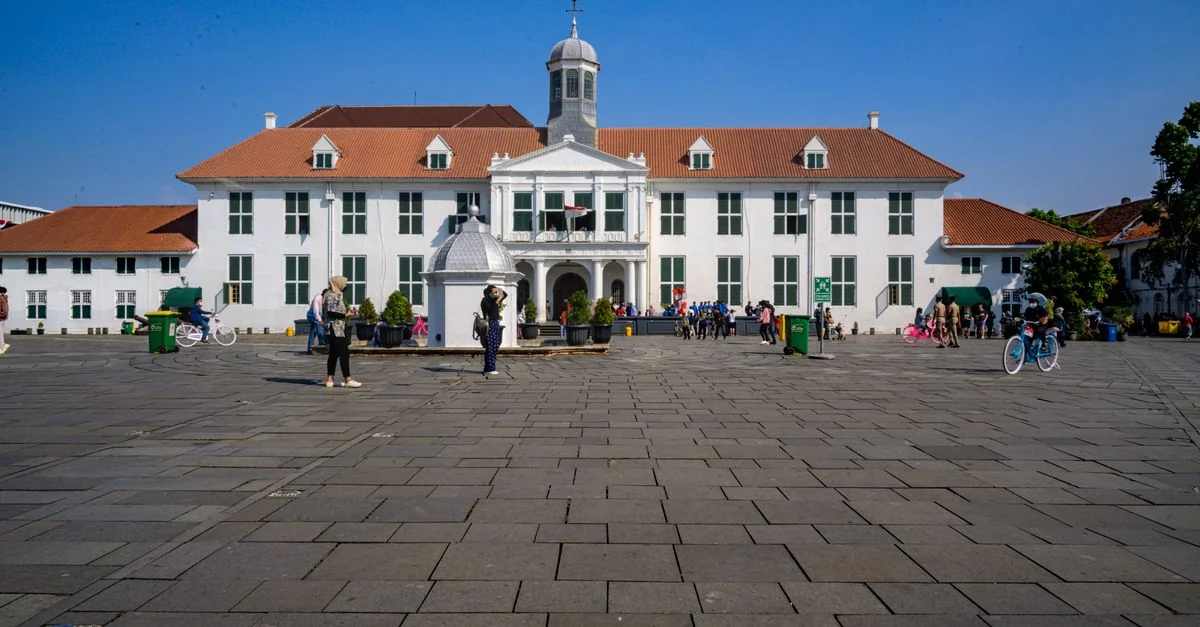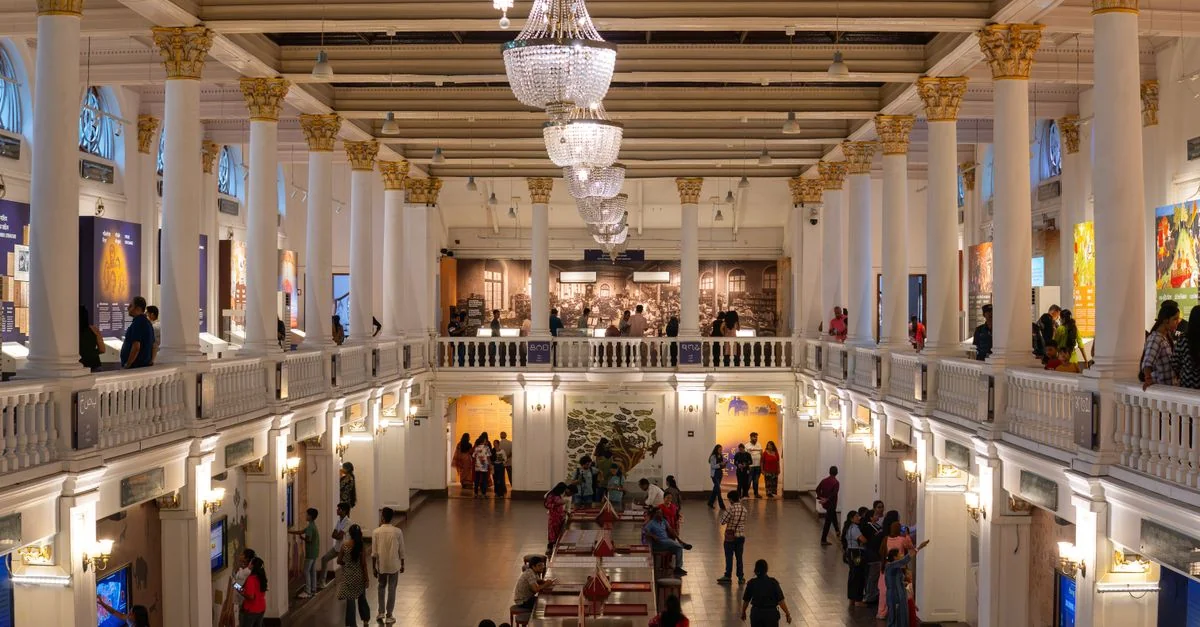
Standing on the southern tip of Grenada, the sea salt hits my tongue before I even notice the weathered stone remnants of old estate walls near Prickly Bay. This peninsula, known for its sweeping peninsular curves and quiet residential lanes, carries layers of history that extend far beyond its modern reputation for luxury villas and calm swimming waters. While many travelers come here simply to lounge on the sand, my curiosity always pulls me toward the archaeology and heritage embedded in the soil. Why Lance aux Epines Is ideal for Art and History Lovers # When you trace the footsteps of the island’s past, this corner of St. George parish reveals a narrative shaped by indigenous settlement, colonial struggles, and agricultural evolution. The architecture along the coastal paths often incorporates estate foundations dating back centuries, whispering stories of the spice trade that earned Grenada its moniker. Walking these roads feels less like touring a standard museum and more like moving through an open-air archive where every turn brings you closer to the physical roots of the Caribbean.
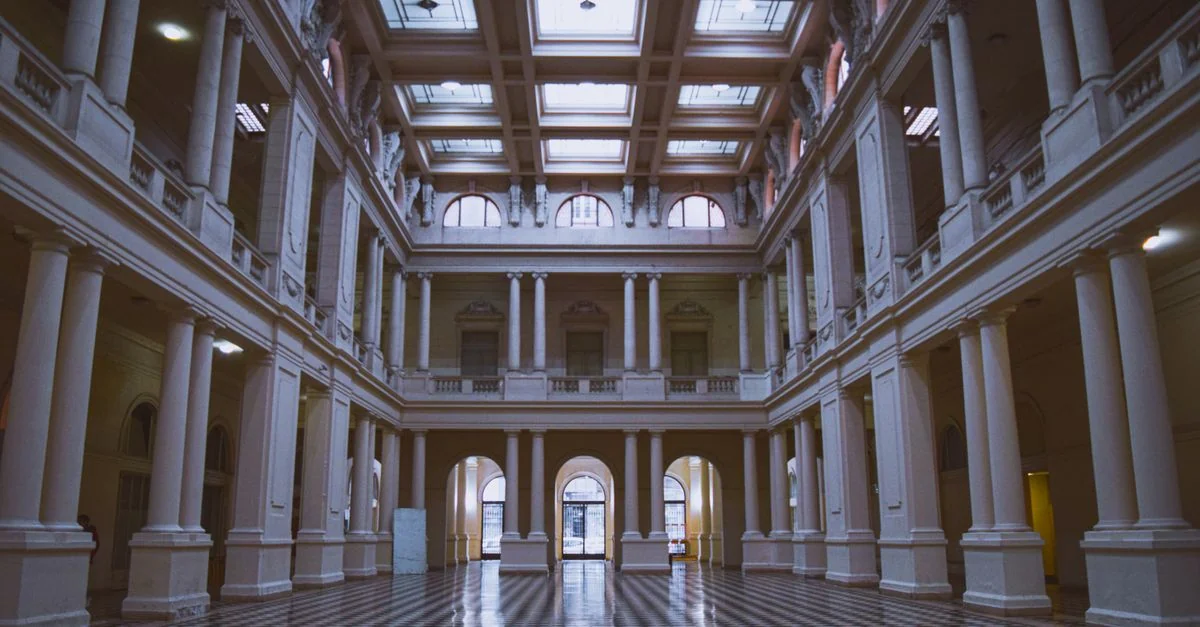
Standing before the stone masonry of Cliff Palace in nearby Mesa Verde, staring up at dwellings tucked seamlessly into the canyon walls, you immediately sense the ingenuity of the Ancestral Puebloan people who shaped this landscape centuries ago. As a traveler who prefers digging past the surface gloss of a destination to understand its historical skeleton, I found that La Plata County operates as a profound open-air museum. The region holds stories carved directly into sandstone and preserved beneath juniper-dotted mesas, offering a raw, unfiltered encounter with the American Southwest’s deep past. Why La Plata County Is ideal for Art and History Lovers # When you peel back the layers of this corner of Colorado, you discover an archaeological landscape that demands careful observation. Rather than traditional white-cube galleries, the primary canvas here is the high desert terrain itself, where ancient architecture tells the story of human resilience, adaptation, and complex societal structures. Every alcove and ruin site speaks to centuries of habitation, trade networks, and artistic expression found in pottery shards and petroglyphs.
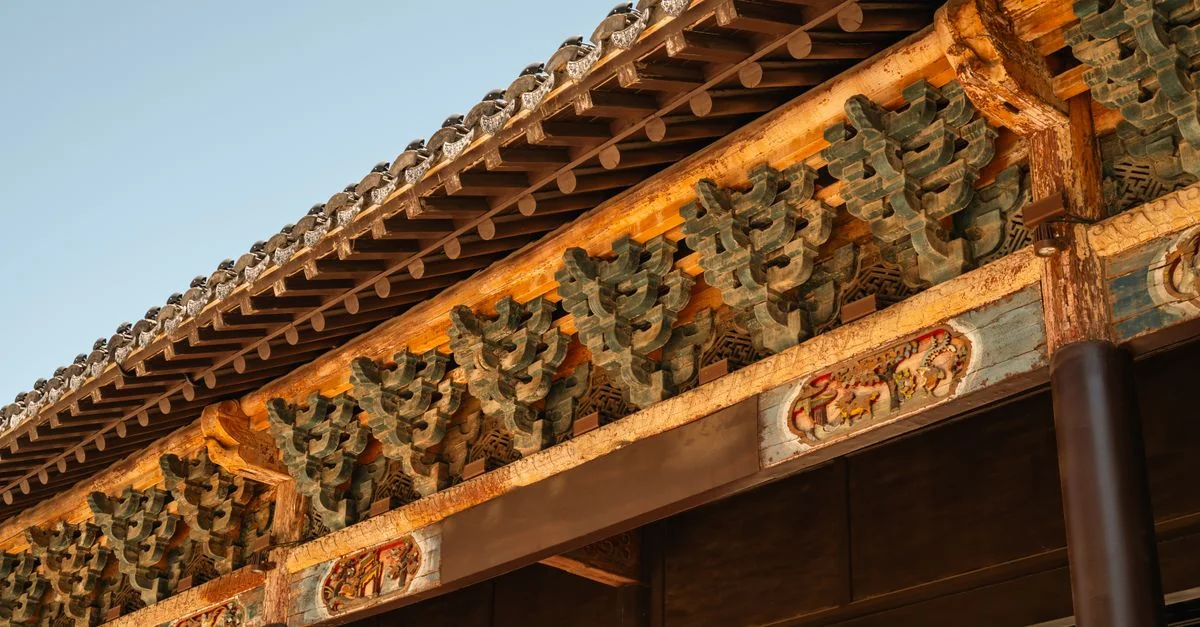
Standing before the sheer marble facade of Pisa’s Cathedral, the sunlight catches the intricate blind arcades built by Buscheto in the eleventh century, reminding every traveler that LI serves as the primary maritime gateway to some of the greatest artistic achievements in human history. When your ship docks in this coastal Italian port, you are positioned mere miles away from the birthplace of the Renaissance. While many travelers simply rush past the port toward the interior, taking the time to understand the cultural geography of LI allows you to structure an itinerary that balances the salt-sprayed air of the Tyrrhenian coast with the heavy religious iconography and secular humanist paintings housed in inland galleries. Why LI Is ideal for Art and History Lovers # The geographic advantage of LI places you at the crossroads of maritime commerce and artistic patronage. Historically, this Tuscan port city connected merchants, diplomats, and artists who traveled across the Mediterranean, bringing foreign techniques and ideas back to the mainland. While the city itself carries the scars and subsequent rebuilds of World War II, its proximity to Florence and Pisa means you have direct access to the architectural revolutions of the Romanesque period and the painterly breakthroughs of the Quattrocento. Walking along the Medici port or viewing the monument of the Quattro Mori, you feel the weight of a mercantile empire that funded the very workshops where Michelangelo, Brunelleschi, and Giotto changed visual culture forever.
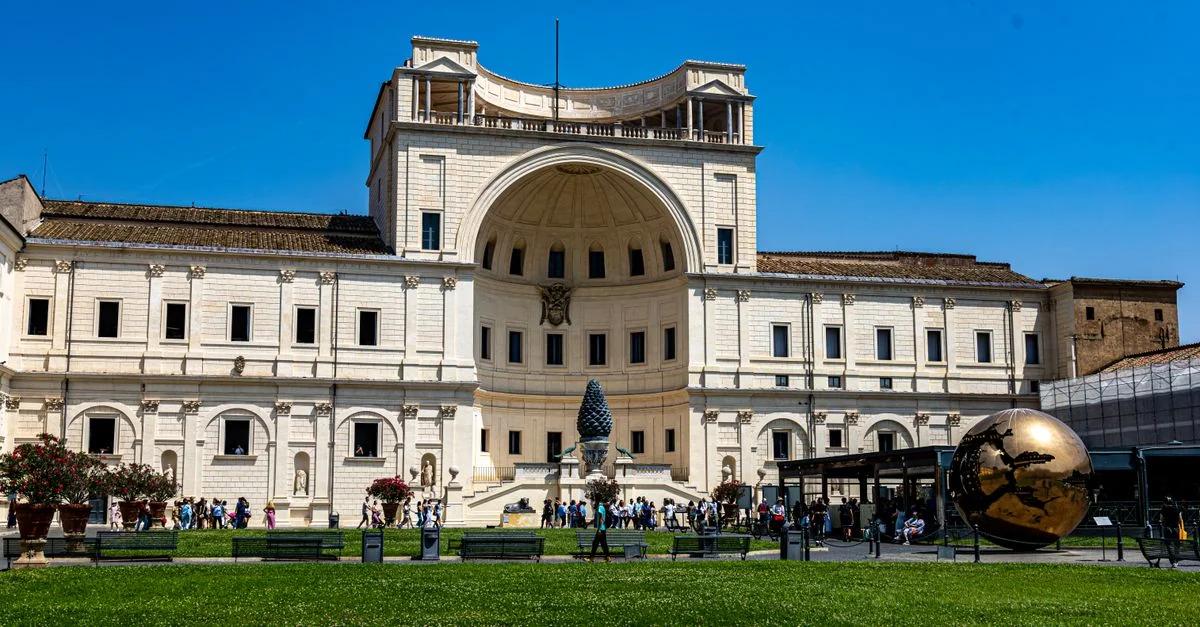
Standing before the ornate facade of the Basilica di Santa Croce in LE, I trace the intricate carvings of mythical beasts and floral garlands rendered in warm, honey-colored local stone. This sixteenth-century masterpiece demonstrates how the local Baroque style transformed ordinary limestone into sculptural lace. As a traveler who tracks historical footprints and artisan traditions rather than standard tourist checklists, I found that this southern Italian city rewards slow observation. Every piazza reveals centuries of architectural ambition, from Messapian foundations to Roman amphitheaters hidden just beneath the modern street level. Why LE Is ideal for Art and History Lovers # The distinct visual identity of LE stems from pietra di leccese, a pliable limestone that enabled generations of stonemasons to carve elaborate balconies, corbels, and church facades with extraordinary detail. Walking through the historic center, I noticed how the late afternoon sun turns the limestone a deep amber, illuminating the Piazza del Duomo in a warm glow. Unlike the stark white towns further south, this city embraces theatricality and shadow.
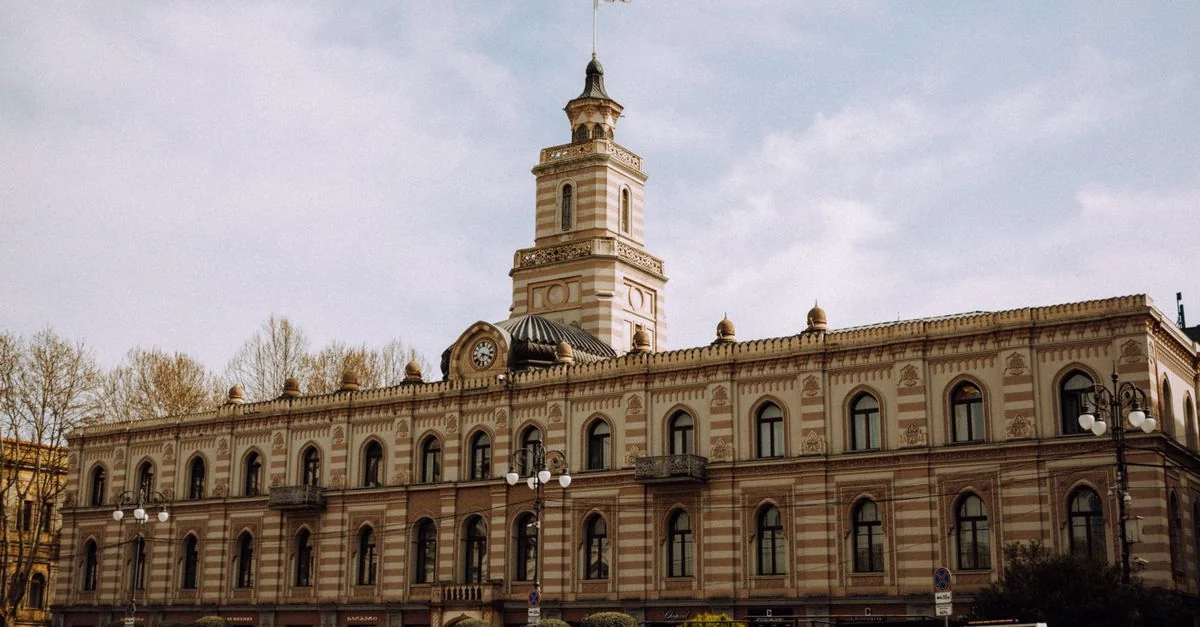
Standing beneath the stone arch of the south portal at Bagrati Cathedral, tracing the worn reliefs of the medieval master masons who carved lions and geometric crosses into the soft limestone, you immediately feel the weight of Colchis and the unified Georgian kingdom. This 11th-century monument, rebuilt and restored, commands the Rioni River valley from the heights of Ukimerioni Hill. My own travels through the Caucasus have often led me to grand landscapes, but Kutaisi Municipality offers something more grounded in ecclesiastical architecture, medieval wall paintings, and archaeological layers that tell the story of Western Georgia. Why Kutaisi Municipality Is ideal for Art and History Lovers # Art and history intersect across Kutaisi Municipality in ways that reward slow observation. The region preserves foundational chapters of Georgian statehood and Orthodox iconography. Walking through the ruins of Bagrati Cathedral reveals how medieval architects combined centralized cross-in-square floor plans with soaring proportions. A few kilometers away in the hills, Gelati Monastery introduces visitors to the Golden Age of Georgian painting, where 12th-century mosaics in the main apse—featuring the Virgin and Child flanked by archangels—shine with Byzantine gold leaf against dark backgrounds. Nearby, Motsameta Monastery, perched above the turbulent Tskhaltsitsa River, offers a quieter contemplation of stone masonry and martyrdom legends tied to the 8th-century princes David and Constantine.
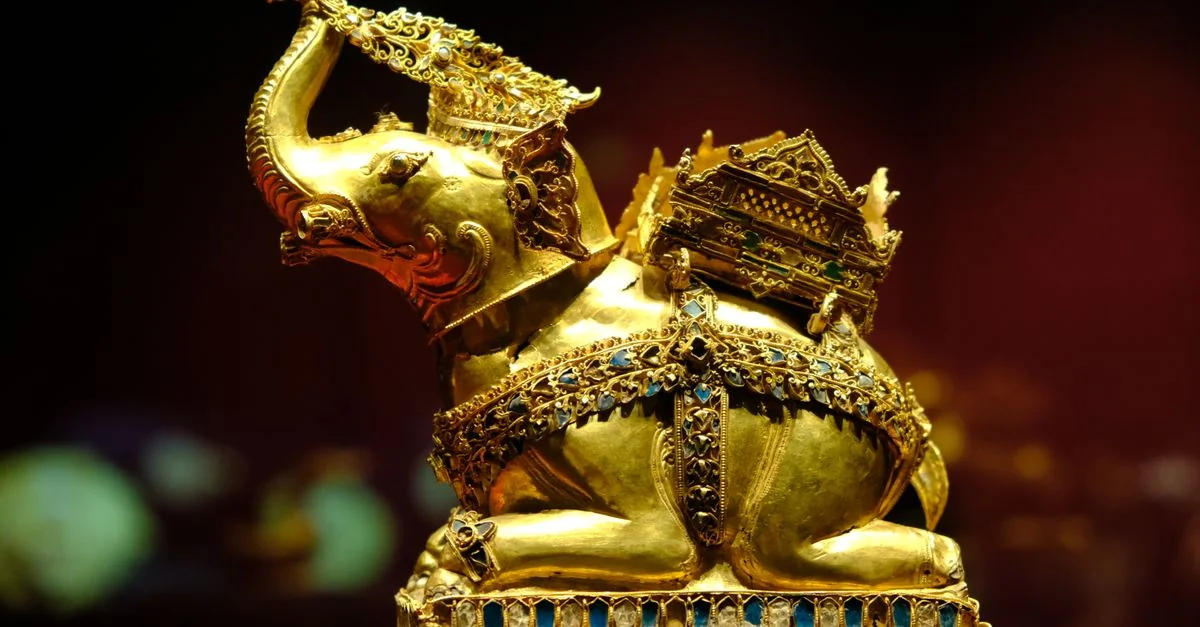
The intricate gold leaf application on the exterior of the Wat Phra Kaew temple serves as a stark reminder of the meticulous craftsmanship that defines Krung Thep Maha Nakhon. Standing before these structures, one realizes that the city is not merely a collection of buildings, but a living archive of aesthetic evolution. Whether you are interested in the quiet contemplation of historical sites or the energetic pulse of the contemporary nightlife scene, the city offers a distinct perspective on how Southeast Asian culture adapts to the modern era. Why Krung Thep Maha Nakhon Is ideal for Art and History Lovers # Krung Thep Maha Nakhon functions as a bridge between the traditional craftsmanship of the past and the experimental creative spirit of the present. The city’s identity is constructed through its deliberate preservation of historical sites alongside a growing interest in local design and nightlife culture. For those who appreciate the intersection of history and modern expression, the city provides a unique framework to observe how urban spaces influence artistic output.
Standing before the intricate stone reliefs of Pura Jagatnatha, watching the afternoon sunlight catch the carved basalt figures depicting Hindu epics, you realize Kota Denpasar operates on a different rhythm than the rest of the island. While travelers often rush past the provincial capital toward the southern beaches, this city holds the actual creative pulse of Bali. Here, centuries-old performance traditions share streets with modern markets, and the architecture tells stories of kingdoms past and present. Why Kota Denpasar Is ideal for Art and History Lovers # Art and history in Kota Denpasar live out in the open, far beyond the glass cases of standard galleries. The city serves as the administrative and cultural heartbeat of Bali, where traditional craftsmanship passes seamlessly from generation to generation. Walking through the older quarters, you notice how daily offerings intersect with stone carvings on family compounds and neighborhood temples.
Standing before the weathered clay kilns of central Mumbai, watching artisans shape wet earth into functional vessels with rapid, practiced movements, you immediately sense the deep creative pulse of this coastal region. My journey through the Konkan Division always reminds me that art here lives in the streets, the small studios, and the daily rhythms of local makers rather than just inside sterile white-cube galleries. Why Konkan Division Is ideal for Art and History Lovers # The creative identity of this coastal stretch spans centuries of maritime trade, local craftsmanship, and dense urban evolution. While many travelers rush past the regional nuances to reach the standard monuments, I prefer wandering through the older neighborhoods where traditional trades persist against the backdrop of a modern metropolis.

When I stand before the colonial-era farmhouse that once belonged to Karen Blixen at the foot of the Ngong Hills, I am struck by the physical weight of literary history. The corrugated iron roof and the deep veranda floorboards tell a very specific story about early 20th-century European settlement in East Africa, far removed from the gloss of modern guidebooks. Kenya offers a profound physical engagement with history, conservation, and architecture for travelers who look beyond the standard wildlife safari. Why Kenya Is ideal for Art and History Lovers # Art and history in Kenya are anchored in landscapes that have witnessed profound political and ecological shifts. In Nairobi, historical architecture ranges from Indian-influenced masonry brought by the builders of the Uganda Railway to the sprawling homesteads of early agricultural pioneers. The art scene here channels contemporary African identity through bold gallery spaces, while the architectural preservation sites capture the complex narratives of the colonial era.
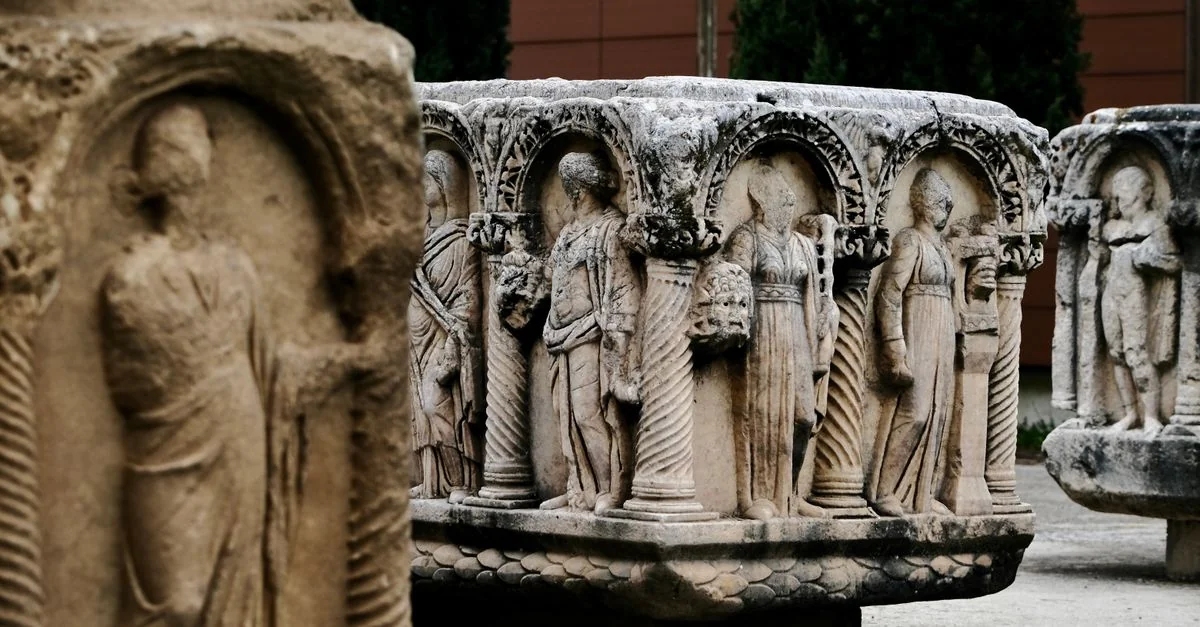
In the 4th century BC, a massive earthquake fractured the earth along the Lycian coast, sliding the ancient harbor town of Simena partially beneath the turquoise waves of the Mediterranean. Today, standing at the water’s edge in Kekova, I trace the outline of stone staircases descending directly into the sea, meeting ancient sarcophagi that jut out from the shallows like stone islands. This ruined landscape sets the tone for any traveler interested in the physical layers of human history etched directly into the Lycian geography. Why Kekova Is ideal for Art and History Lovers # When you walk the ruins of Simena or gaze down through the water at the Sunken City, you are interacting with architecture and sculpture created by civilizations that mastered carving living rock. The necropolis features Lycian sarcophagi—monumental tombs shaped like upturned wooden ships, reflecting the maritime culture of the ancient inhabitants. Unlike cities built of temporary wood, these stone monuments survive as enduring sculptures shaped by master masons using simple iron chisels and geometric precision.