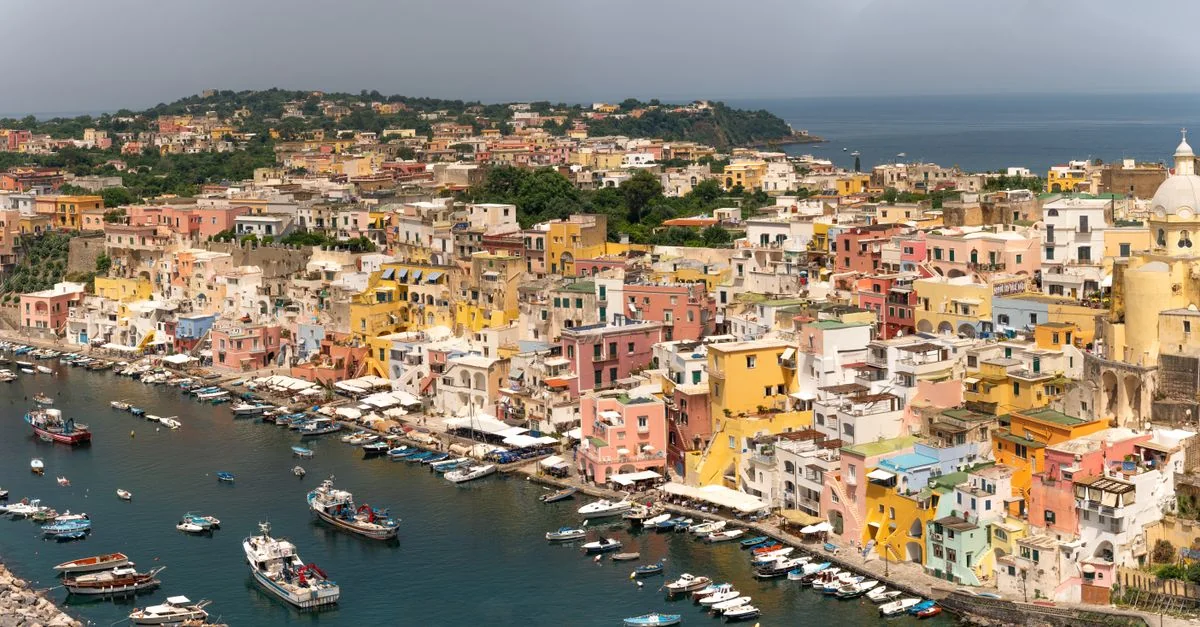
Standing before the carved wooden intarsia panels inside Sorrento ’s Museo Correale di Terranova, I immediately understood that this cliffside Campanian town is far more than a coastal stopping point for sunseekers. The intricate wood inlay work captures centuries of local artisan tradition, reflecting the same meticulous craftsmanship found across the region’s ancient ruins and historic workshops. Why Sorrento Is ideal for Art and History Lovers # Perched dramatically on tufa cliffs overlooking the Bay of Naples , Sorrento serves as a geographic and historical bridge to antiquity. The town’s ancient Greek orthogonal street pattern still dictates the layout of the historic center, where narrow alleys wind past medieval stone archways and Baroque churches like the Basilica of San Antonino. Art enthusiasts can trace the evolution of Southern Italian aesthetics from Greco-Roman artifacts in local collections to the distinct maritime paintings of the 19th-century School of Posillipo. Every corner reveals physical layers of Greek, Roman, Byzantine, and Bourbon rule, making the town an essential destination for anyone looking to understand the broader cultural landscape of Southern Italy .
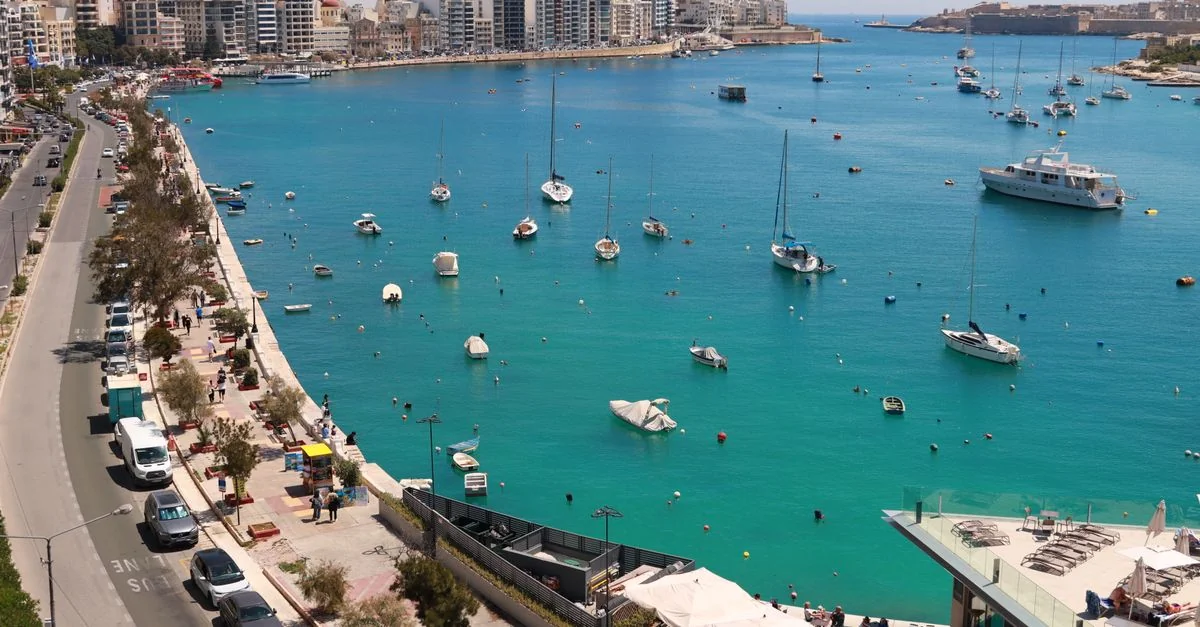
Standing on the rocky limestone promenade of Sliema, watching the golden limestone fortifications of Valletta catch the late afternoon light across Marsamxett Harbour, I find myself thinking about the sheer density of ancient human endeavor packed into these Mediterranean islands. While many travelers view this Maltese coastal town merely as a modern hub of cafes and shopping malls, it serves as an ideal base for exploring the deeper creative and historical strata of the Maltese archipelago. The air here carries the scent of salt and dry earth, a sensory prelude to the monumental archaeology waiting just beyond the modern streetscape. Why Sliema Is ideal for Art and History Lovers # When you study the silhouette of Valletta from the Sliema waterfront, you are looking at a masterclass in military architecture conceived by the Knights of St. John following the Great Siege of 1565. Yet, the cultural narrative of Malta reaches far deeper than the Baroque facades of the capital. Sliema itself grew from a quiet fishing village centered around a small chapel dedicated to Our Lady Star of the Sea—known locally as Stella Maris—into a fashionable residential resort for Valletta’s gentry in the nineteenth century.
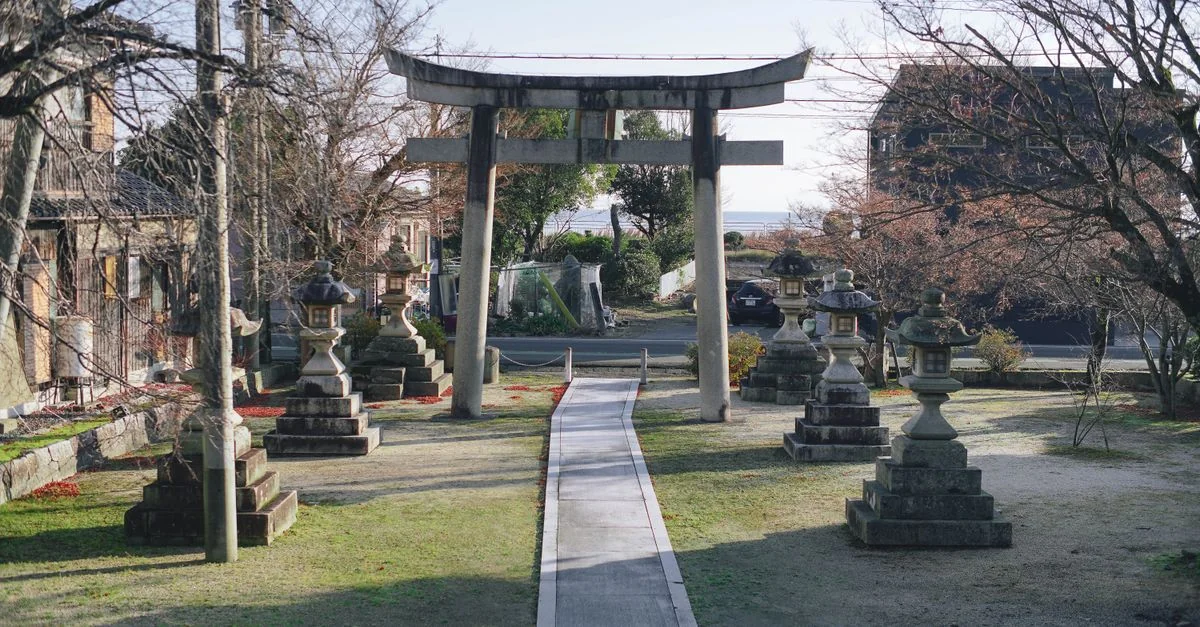
Standing before a painted scroll of the demon demon-turned-monkey beating a drum, I realized how much humor actually existed in Edo-period Japanese art. These satirical characters, known locally as Otsu-e, were originally sold to travelers along the Tokaido road as cheap amulets and souvenirs. They combined folk beliefs with sharp social commentary, mocking human folly through figures like Ogre in Buddhist robes or the blind men stumbling together. Shiga Prefecture preserves this exact artistic lineage, offering travelers a rare window into Japan ’s historic visual culture far away from the standard metropolitan museum crowds. Why Shiga Is ideal for Art and History Lovers # Shiga sits directly adjacent to Kyoto , yet its cultural identity leans heavily into rural craftsmanship and ancient regional traditions rather than imperial court aesthetics. Lake Biwa anchors the prefecture, but the surrounding mountains and valleys tell stories of potters, painters, and pilgrims who shaped Japanese material culture over centuries.

Standing before the weathered brick and wrought-iron details of nineteenth-century architecture along the Mississippi River corridor, I often find myself thinking about the layers of music, visual art, and historical struggle that shaped this landscape. Shelby County , anchored by Memphis and its surrounding communities, holds a distinct place in American cultural history. This is where the blues found its electric heartbeat, where civil rights history was forged in concrete and courage, and where contemporary painters and sculptors continue to find their voice. When I travel here, my goal is always to move past the superficial tourist stops and engage directly with the physical spaces, galleries, and roadways that tell the story of the region. Why Shelby County Is ideal for Art and History Lovers # The cultural footprint of Shelby County extends far beyond standard museum galleries. You see it in the public murals splashed across downtown walls, the bronze statues honoring blues pioneers, and the design of historic neighborhoods that preserve decades of architectural evolution. Visual art here is deeply intertwined with sound. Every street corner seems to echo with the lineage of soul, rock and roll, and rhythm and blues, which naturally influences the local contemporary art scene. Galleries feature works by regional painters who document the changing Delta landscape, while community spaces host exhibitions that confront the complex social history of the American South.
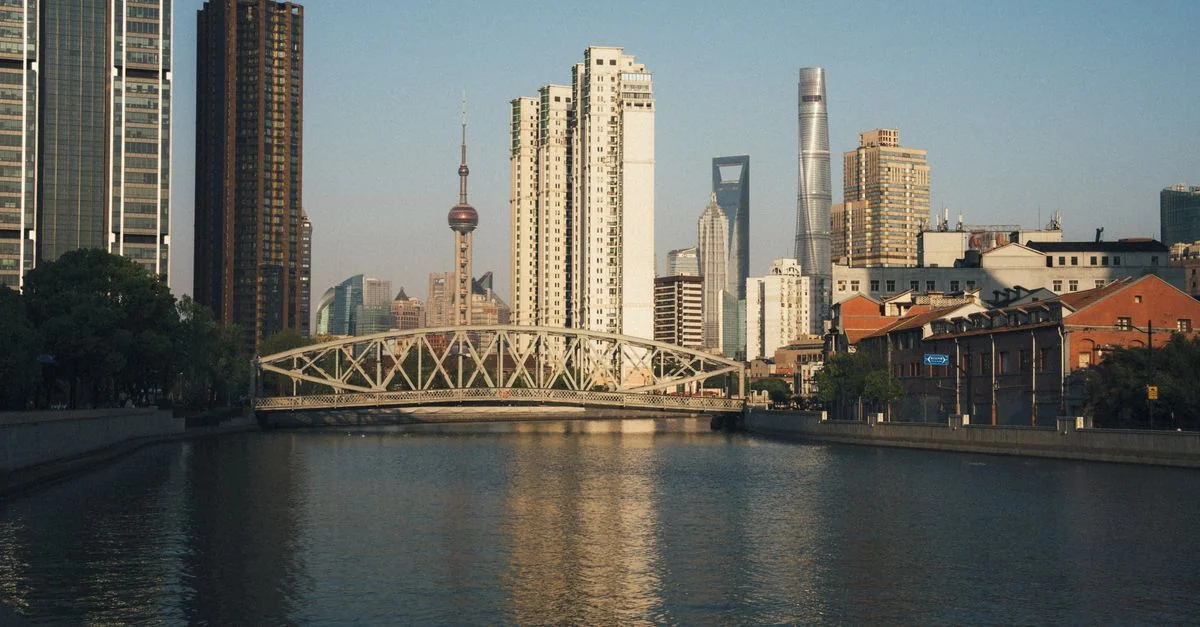
The intricate, carved brickwork of the Yu Garden’s zig-zag bridge serves as a perfect introduction to the aesthetic philosophy of the Yangtze River Delta. Standing there, watching the reflection of the upturned eaves ripple in the pond, one begins to understand the deliberate tension between the modern skyline of Pudong and the meticulous, centuries-old landscape design that defines this region. Shanghai is not merely a city of glass towers; it is a gateway to a specific mode of Chinese artistry that values the balance between nature and architecture. Why Shanghai Is ideal for Art and History Lovers # Shanghai functions as a living archive of 20th-century history and traditional aesthetics. The city’s identity is defined by the juxtaposition of the Bund’s neoclassical stone facades and the delicate, scholarly gardens found just beyond the city limits. For those interested in art history, the city offers a unique vantage point: you can witness the transition from imperial garden design to the early industrialization that shaped modern Chinese urbanism. The local museums often highlight the evolution of calligraphy and ink painting, providing context for how these ancient practices survived the radical shifts of the last hundred years.

The weathered limestone blocks of the theater at Butrint, located just a short distance from Sarandë , offer a profound look at the layering of civilizations. Standing in the center of the semi-circular seating, you can trace the history of the site from its Greek origins in the 3rd century BC through the Roman expansions. The way the stage floor sits against the backdrop of the surrounding forest creates a stillness that is rare in modern travel. This site is not just a collection of ruins; it is a physical timeline of the Mediterranean, where Byzantine mosaics and Venetian towers stand as silent witnesses to the shifting tides of power. Why Sarandë Is ideal for Art and History Lovers # Sarandë serves as the primary gateway to the archaeological wealth of southern Albania . While the city itself is defined by its modern coastal development, its true cultural value lies in its proximity to sites that have been occupied since antiquity. The architectural history here is defined by the transition between Greek, Roman, and Venetian influences. Walking through the remains of the basilica at Butrint, you can see the deliberate reuse of Roman masonry in later Christian structures, a common practice that tells the story of how societies adapted to the resources left by their predecessors.
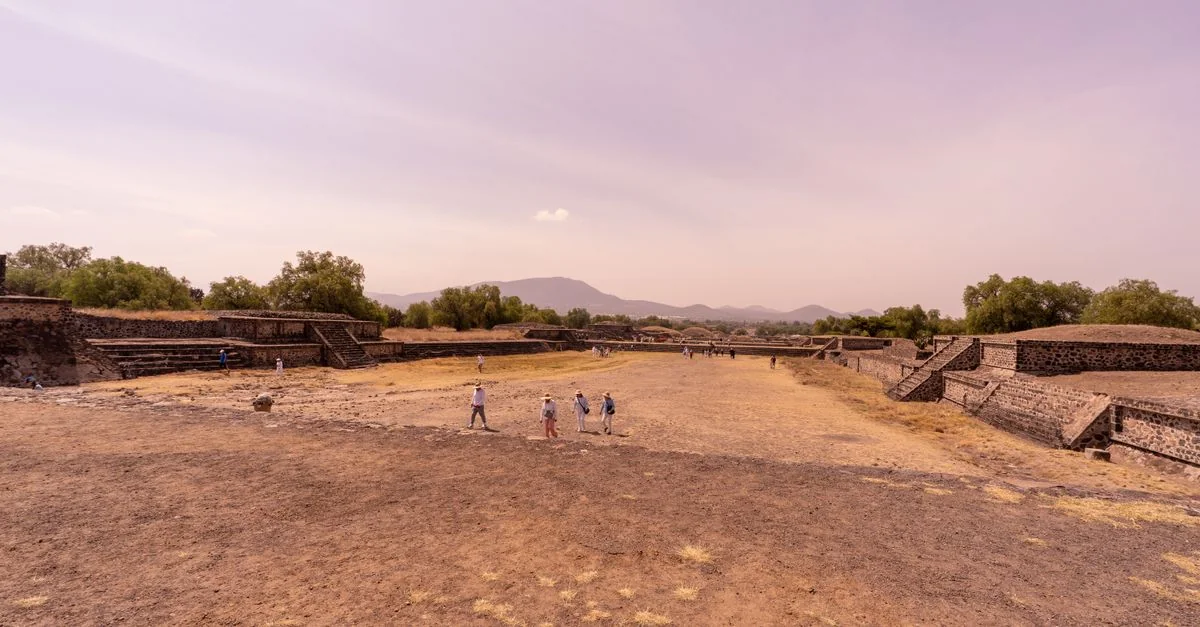
The sight of the Pyramid of the Moon, perfectly aligned with the Avenue of the Dead, forces a shift in perspective. Standing at the base of this massive stone structure, one realizes that Teotihuacan was not merely a city, but a meticulously planned architectural statement. The builders utilized volcanic stone and lime plaster to create a grid that has dictated the movement of visitors for centuries. While the scale of the pyramids often dominates the conversation, the true intellectual weight of this site lies in its surviving mural fragments, which offer a rare glimpse into the complex social hierarchy and religious devotion of the people who occupied this valley long before the Aztec expansion. Why San Juan Teotihuacan Is ideal for Art and History Lovers # Walking through the residential compounds, such as Tetitla or Atetelco, reveals the sophisticated artistic sensibilities of the Teotihuacanos. The walls here were once covered in elaborate frescoes depicting jaguars, feathered serpents, and ritual processions. These paintings were not decorative in a modern sense; they were functional, serving to reinforce the status of the ruling families and the cosmic order of the site. Observing the remnants of red hematite pigments that still cling to the stucco allows for a direct connection to the hands that applied them nearly two millennia ago.
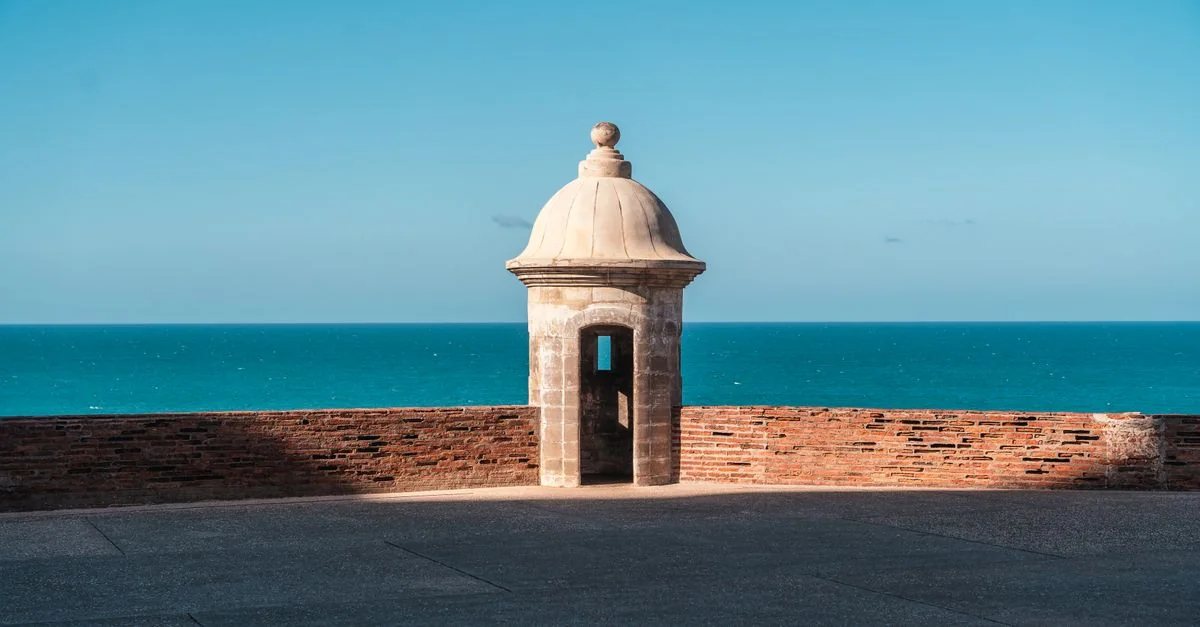
Standing before the massive wooden doors of San Juan ’s historic fortifications, you can trace the faint scars left by centuries of cannon fire and maritime trade. This coastal capital holds stories carved into blue cobblestones, painted across sun-bleached colonial facades, and beaten out on street-corner congas. When you walk these narrow alleys, you are moving through an open-air gallery where Caribbean history intersects with Spanish colonial architecture and contemporary island expression. Why San Juan Is ideal for Art and History Lovers # The visual culture of San Juan reveals itself slowly to travelers willing to step away from the beach resorts and into the historic core. Old San Juan functions as a sprawling museum district where sixteenth-century military engineering sits alongside contemporary murals painted by local collectives. The city’s cultural foundation rests on the blending of Taíno indigenous influences, Spanish institutional traditions, and West African rhythms. This synthesis defines everything from the city’s architectural rhythm to its contemporary galleries.

Standing before the imposing bronze doors of the Salerno Cathedral, observing the intricate Byzantine-style details cast in Constantinople during the eleventh century, you immediately sense the city’s layered past. While many travelers use this coastal destination merely as a transit point for the Amalfi Coast, I find that spending time in Salerno reveals a distinct artistic identity shaped by Norman kings, medieval medical scholars, and ancient Roman neighbors. Why Salerno Is ideal for Art and History Lovers # Salerno rewards those who slow down and examine its architectural transitions. The medieval historic center, known locally as the Centro Storico, features narrow alleys opening into sunlit piazzas where Baroque churches sit atop earlier Roman foundations. Walking past the Complesso Monumentale di Santa Sofia , you encounter spaces that once hosted historic civic gatherings and now showcase contemporary art exhibitions. The city’s maritime history is visible in its stone fortifications and the layout of the old port, which connected this Campanian hub to trade routes across the Mediterranean.
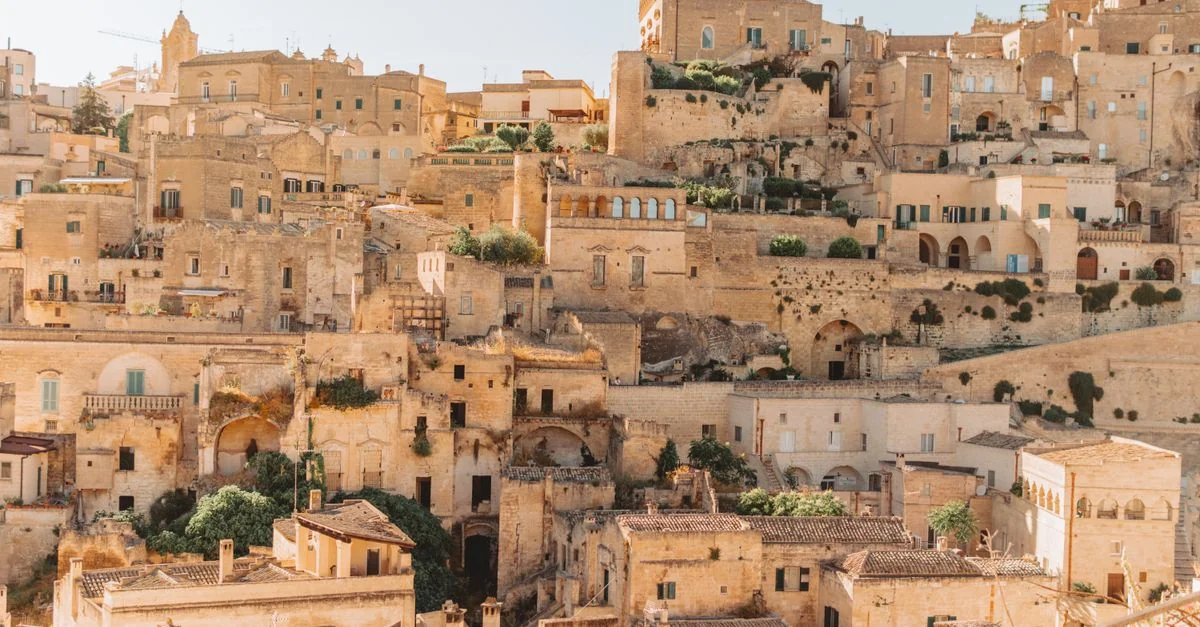
The weathered basalt stones of the ancient Roman road near Chia serve as a silent testament to the engineering precision of a civilization that once spanned continents. Standing on this path, you can almost hear the rhythmic clatter of cart wheels that traversed these routes centuries ago. This is the reality of SU—a place where history is not confined behind glass cases, but is instead etched into the very topography of the landscape. For those of us who prefer our history with a side of coastal wind and rugged terrain, this region offers a rare opportunity to walk the same ground as the Romans. Why SU Is ideal for Art and History Lovers # SU remains one of the few places where the intersection of geography and archaeology feels completely unmediated. Unlike the manicured museum corridors of major European capitals, the history here is exposed. The Roman road near Chia is not merely a path; it is a structural narrative of how the empire connected its periphery to its center. When you walk these trails, you are observing the logistical backbone of the Mediterranean. The preservation of these sites relies on the harsh, beautiful climate of the island, which has kept these ruins from being swallowed by urban development.