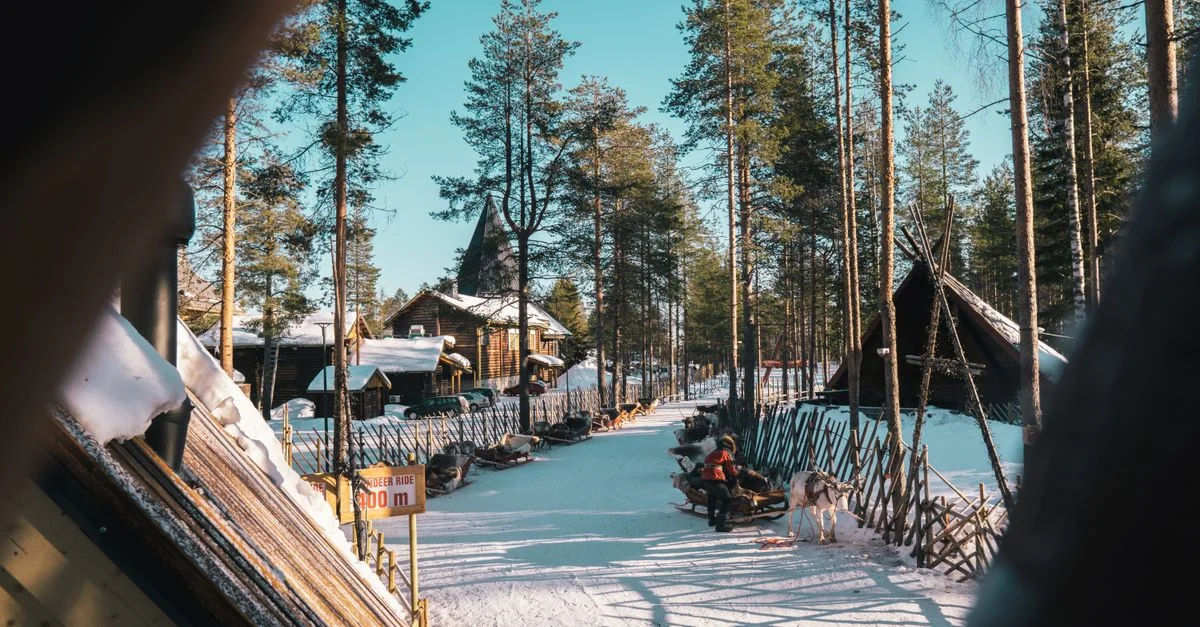
The low, slanted light hitting the timber walls of the traditional reindeer enclosures in the Arctic Circle serves as a reminder that Rovaniemi is not merely a transit point for travelers seeking the northern lights. It is a place where the harsh, beautiful landscape has dictated the aesthetic of the local creative community for centuries. When you stand in the quiet of the taiga, you begin to see how the stark lines of the architecture and the deliberate, functional beauty of Sami craftsmanship inform the identity of this northern outpost. Why Rovaniemi Is ideal for Art and History Lovers # Rovaniemi occupies a unique position in the Arctic. It is a city defined by its relationship with the natural world, a theme that echoes through its local galleries and historical sites. For those who appreciate how geography shapes human expression, this city offers a clear view into the resilience of northern traditions. The history here is not found in grand cathedrals or marble statues, but in the way the local culture has adapted to the extreme shifts in daylight and temperature. Whether you are observing the intricate wood carvings in the local workshops or examining the design principles of the buildings that survived the mid-century reconstruction, there is a quiet, deliberate intelligence to the local aesthetic.
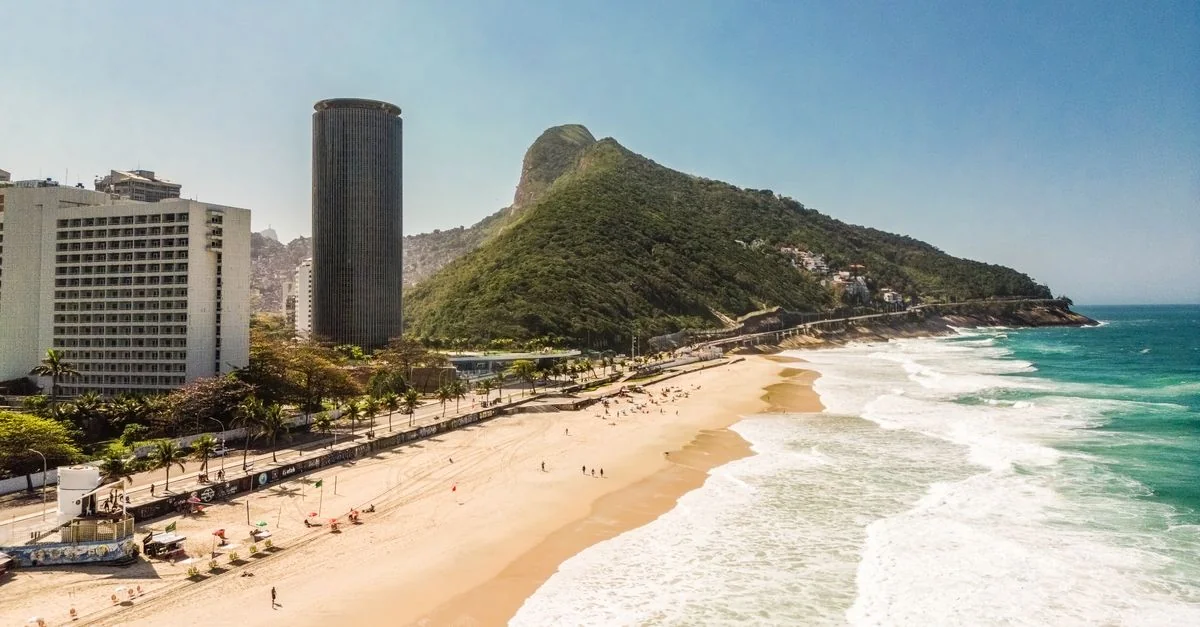
The concrete curves of the Maracanã Stadium, rising like an architectural crown above the city, tell a story of twentieth-century ambition that rivals any gallery wall. When you stand before the sheer scale of this arena, you are not just looking at a sports venue; you are witnessing a monument to the collective identity of Brazil . Rio de Janeiro is a city that wears its history on its sleeve, from the structured lines of its stadiums to the fluid, salt-sprayed sketches created on its sands. To understand this city, one must look past the postcards and engage with the specific ways its people celebrate their past and create their future. Why Rio de Janeiro Is ideal for Art and History Lovers # Rio de Janeiro functions as a living laboratory for those interested in the intersection of urban design and human expression. The city’s history is etched into its infrastructure, where colonial-era stone paths meet the bold, modernist strokes of later centuries. Walking through the streets, you notice how the light hits the architecture differently than in European capitals; it is sharper, more unforgiving, and highlights the textures of the city’s facades.

Standing inside the Basilica of San Vitale in RA, my eyes adjusted to the dim interior before locking onto the 6th-century apse mosaic of Empress Theodora. Every single glass tessera was set at a slight angle by the Byzantine artisans, deliberately catching the flickering candlelight so the gold leaf background appeared to shiver and glow against the damp Italian air. That exact moment of stillness, surrounded by centuries of turquoise and lapis lazuli, explains why this northern Italian city holds such a powerful pull for anyone obsessed with late antique art. Why RA Is ideal for Art and History Lovers # RA functions as a quiet open-air archive for early Christian and Byzantine visual culture. Unlike Rome or Florence , where monuments scatter across sprawling urban centers, the core architectural marvels here sit within walking distance of one another, preserving an intact artistic program from the Western Roman Empire’s twilight years. You can walk from the Orthodox Baptistery—where the ceiling mosaic depicts the baptism of Christ in concentric rings of astonishingly preserved color—straight to the Mausoleum of Galla Placidia. Inside that tiny brick cross-shaped building, the dark blue barrel vaults are studded with hundreds of golden stars that have not faded since the year 430.
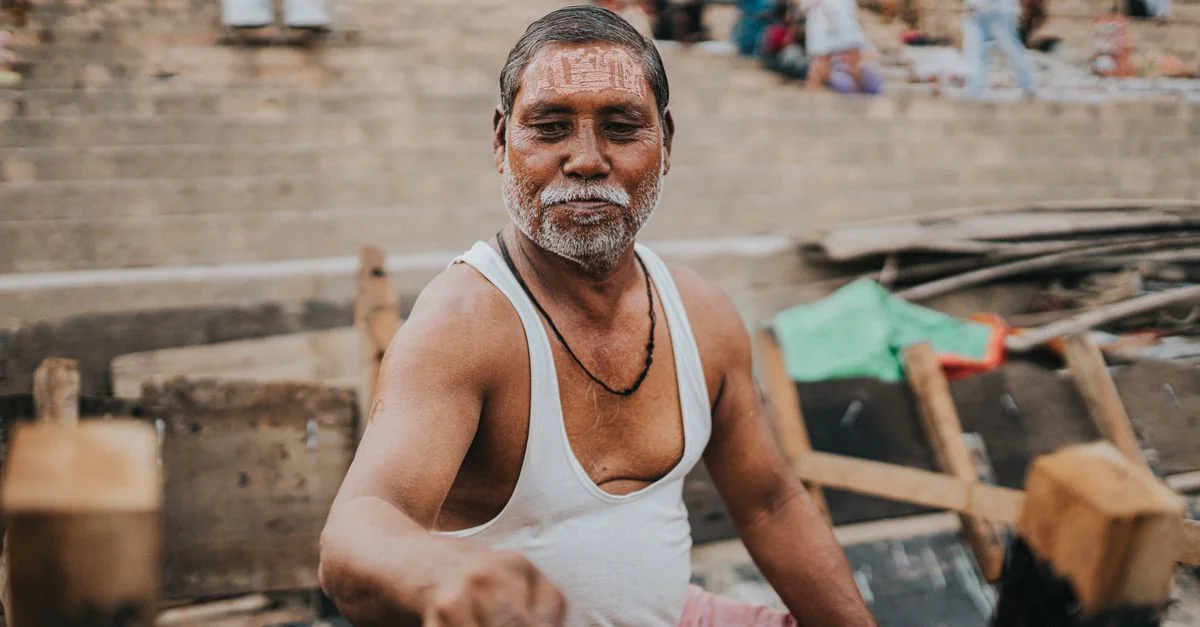
Standing before the colossal Dhamek Stupa in Sarnath, where the ground still holds the resonance of Buddha’s first teaching in 594 BCE, I realized how physical history becomes in this ancient landscape. Varanasi operates on an entirely different temporal scale. As someone who spends my life tracking the intersection of artistic expression and civic ritual, I find this city offers a rare portal into unbroken traditions of craftsmanship, architecture, and spiritual iconography. Why Varanasi Is ideal for Art and History Lovers # Few places on earth sustain such an ancient continuum of creative labor. The narrow lanes, known locally as gullyar, wind past workshops where master weavers handloom Banarasi silk brocades using techniques passed down through generations. Bronze casters, miniature painters, and stone sculptors work within feet of shrines that have stood for millennia. The architecture along the riverfront ghats displays centuries of stone masonry, featuring intricate brackets, carved balconies, and shrines that shift color from ochre to gold as the sun moves across the Ganges.
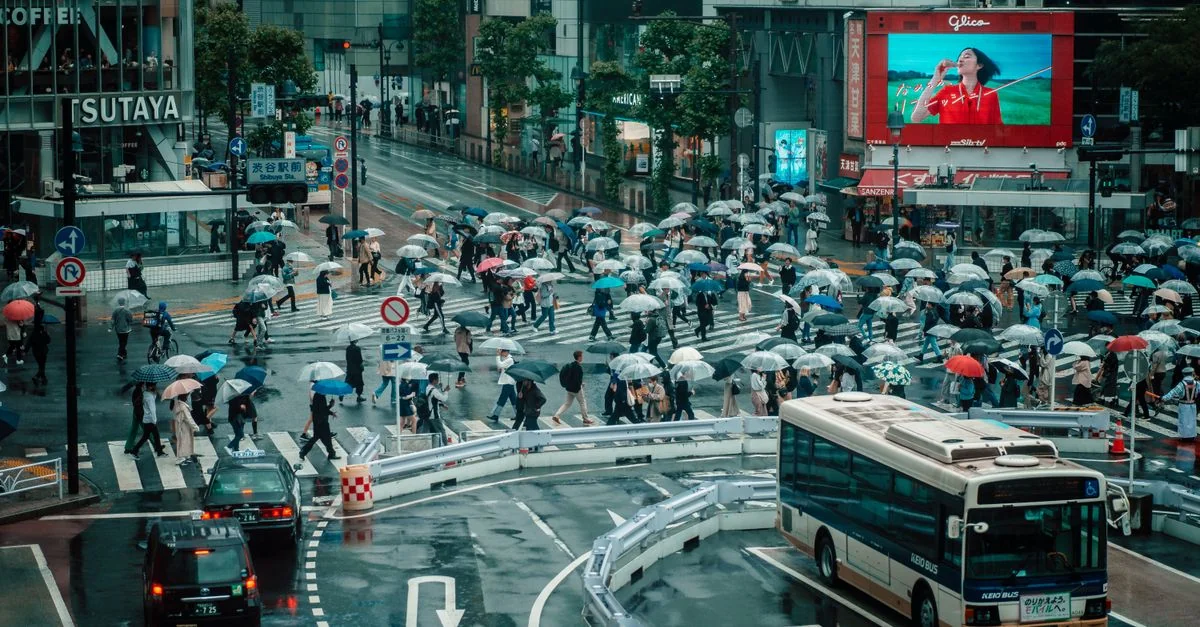
Standing on the pedestrian crossing outside Shibuya Station, watching the massive human tide move in synchronized waves beneath towering neon screens, I often think about the quiet galleries and historic ateliers tucked just beyond this modern concrete facade. Shibuya is frequently dismissed as a district reserved entirely for youth fashion and frantic commerce, yet it holds a deeply layered creative identity for travelers willing to look past the billboards. Why Shibuya Is ideal for Art and History Lovers # Beneath the district’s high-tech surface lies a neighborhood that has quietly nurtured Japanese modernism and contemporary expression for decades. When you walk the sloping residential lanes of Daikanyama and Tomigaya, you find architectural statements by Kengo Kuma and smaller independent exhibition spaces that showcase emerging Japanese painters. The aesthetic pulse here connects the postwar avant-garde movements with today’s street-level graphic designers.

Standing in front of the preserved agricultural furrows at Joya de Cerén—where a sudden volcanic eruption sealed an entire farming community beneath layers of ash in the seventh century—you realize how tangible ancient Mesoamerican daily life remains here. San Salvador Centro operates as the intellectual and historical engine of El Salvador , where modern street life collides with profound archaeological narratives. Why San Salvador Centro Is ideal for Art and History Lovers # When you walk the historic core of San Salvador Centro, the layers of the city’s artistic and political evolution reveal themselves in civic architecture, public plazas, and neighborhood murals. The city functions as the central hub for travelers looking to understand both pre-Columbian civilizations and the subsequent chapters of Salvadoran history. Rather than existing as static display cases, the historical sites and institutional archives here speak directly to the landscape of volcanoes and lakes that shaped human settlement.
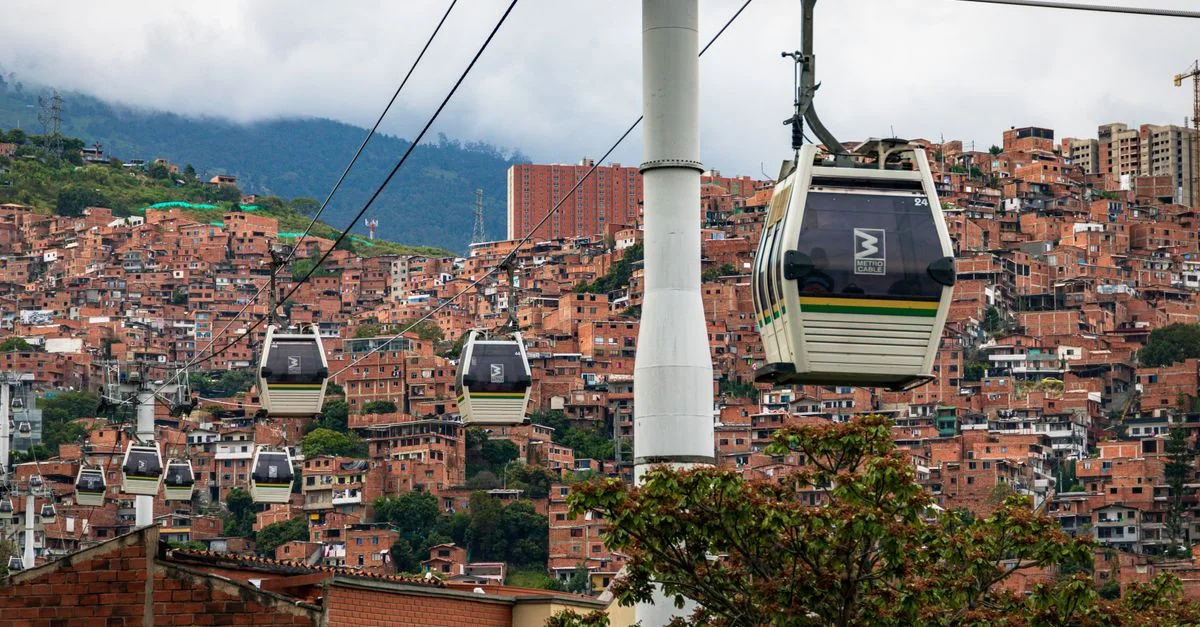
Standing in the courtyard of Museo de Antioquia, my eyes trace the bronze curves of Fernando Botero’s monumental La Mano sculpture. The exaggerated proportions, so characteristic of the master’s aesthetic, ground you immediately in the artistic identity of this Andean metropolis. Medellín has undergone a profound transformation over the past three decades, shifting from a city defined by turbulence to one shaped by public art, community-led murals, and forward-thinking urban design. When you walk these streets, history is etched into every plaza and painted across hillside favelas. Why Medellín Is ideal for Art and History Lovers # Art in Medellín is not confined behind glass climate-controlled cases; it spills directly onto the streets. Plaza Botero acts as an open-air gallery containing twenty-three bronze sculptures donated by the artist himself, creating a shared civic living room where locals and travelers intersect daily. Beyond the sculptures, the city’s urban transformation is legendary. Metrocables slice through the mountain air, connecting previously isolated hillside neighborhoods to the valley floor and democratizing access to culture.
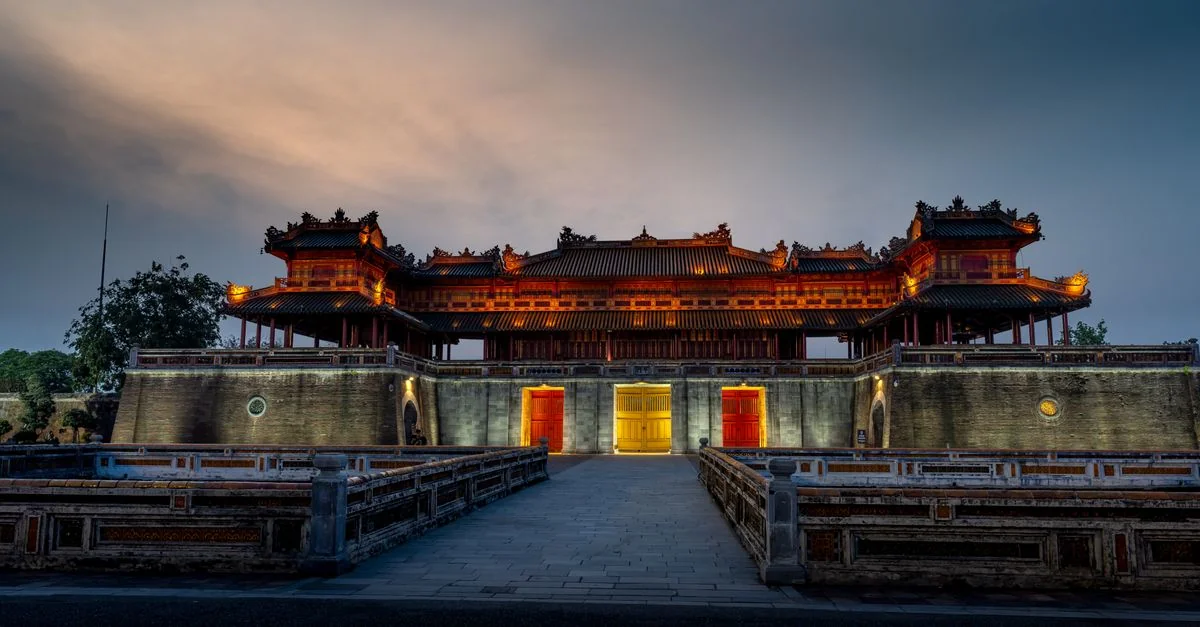
When the wooden puppets strike the water surface at the Thang Long Water Puppet Theater, sending ripples across the pool under the red glow of stage lanterns, you are witnessing an art form rooted in the flooded rice paddies of the Red River Delta from the 11th century. This specific performance tradition uses lacquered wooden figures controlled by bamboo rods and hidden strings beneath the water, narrating agrarian myths and local legends. Exploring Hoàn Kiếm means engaging directly with these enduring creative expressions and historical narratives that define the quarter. Why Hoàn Kiếm Is ideal for Art and History Lovers # Hoàn Kiếm functions as the cultural heart of Hanoi , where centuries-old guild streets intersect with contemporary artistic practices. Painters, ceramicists, and performers draw from a local history deeply tied to the lake and its surrounding French colonial and traditional Vietnamese architecture. Rather than sterile display rooms, the district treats its streets as living galleries where artisan traditions pass down through generations.
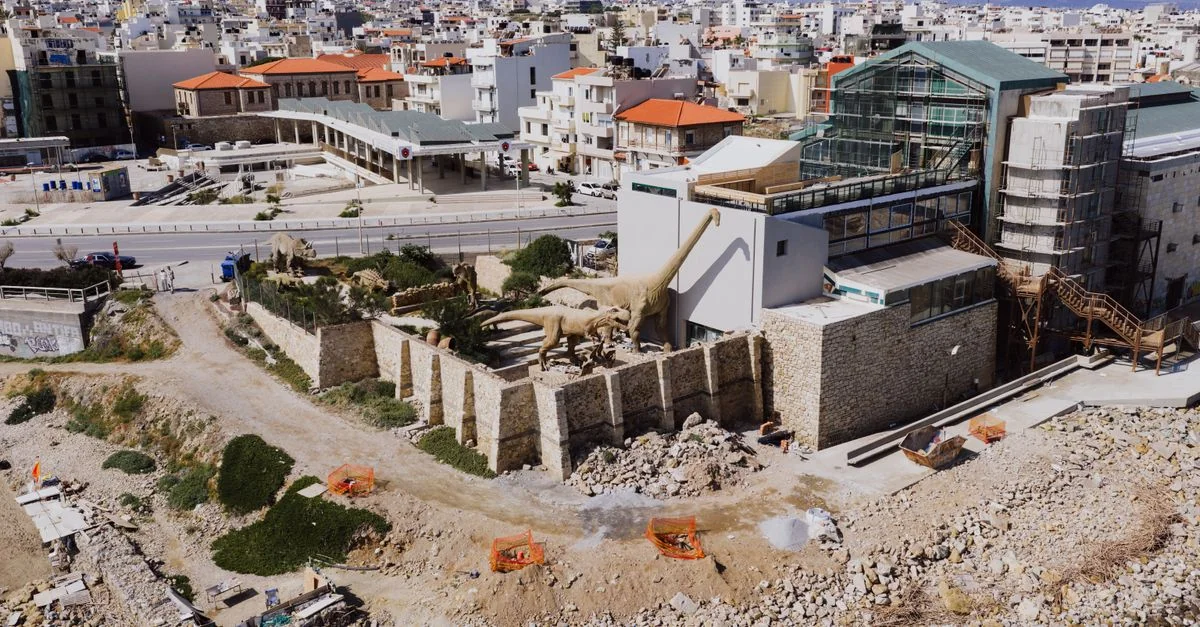
Standing before the reconstructed North Entrance of the Palace of Knossos, staring at the painted gypsum relief of the charging bull against a backdrop of swirling red and blue frescoes, I realized how physical the Minoan past feels in Crete . The masonry blocks, notched with double-axe mason’s marks, connect us directly to a Bronze Age civilization that valued movement, color, and natural form. Heraklion is not simply a transit point for island ferries; it is a dense archive of art and archaeology where medieval Venetian fortifications collide with Minoan palace ruins. Why Heraklion Is ideal for Art and History Lovers # The stratification of history here shapes every street corner. You can walk from the Venetian port, guarded by the stone fortress of Koules built in the sixteenth century, straight into the heart of the old town where Ottoman fountains sit beside Byzantine churches. The Archaeological Museum holds the physical evidence of this continuity, displaying the Phaistos Disc with its enigmatic stamped hieroglyphs and the delicate gold bee jewelry from Malia that shows astonishing metalworking precision.
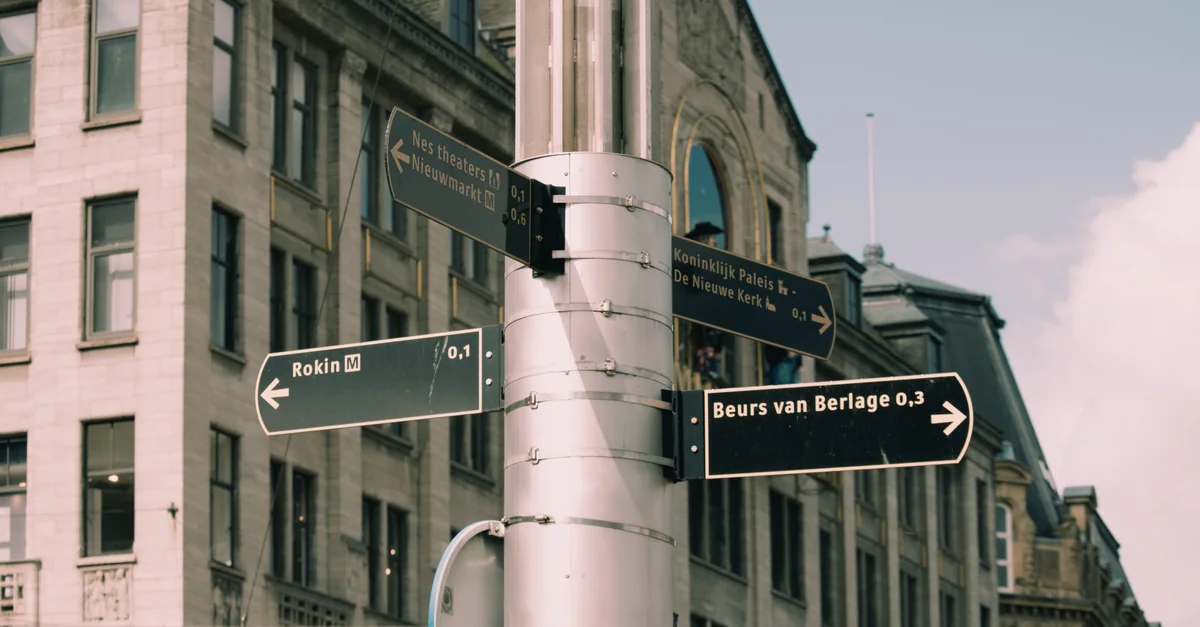
Standing before Johannes Vermeer’s Girl with a Pearl Earring inside the Mauritshuis, you notice how the light catches the moisture on her parted lips and the single pearl resting against her dark tunic. This small 1665 masterpiece defines the understated elegance of Den Haag . As someone who spends my life tracking down the physical brushstrokes and architectural details that shaped European history, I find this Dutch city offers a rare concentration of artistic mastery without the suffocating crowds of Amsterdam . Den Haag operates at a deliberate pace. Government decisions happen behind centuries-old brick facades while golden-age paintings hang quietly in former palaces. If you want to understand how courtly diplomacy and revolutionary art intersect in the Netherlands , this city provides the exact narrative arc you are looking for.