📌 Disclaimer
Prices, schedules, tour details, flight routes, visa requirements, and all other information on this page are based on data at the time of writing. Fares, availability, and policies may change. Please verify current details on the official website before booking.
Why Shiga Is ideal for Art and History Lovers#
Shiga sits directly adjacent to Kyoto , yet its cultural identity leans heavily into rural craftsmanship and ancient regional traditions rather than imperial court aesthetics. Lake Biwa anchors the prefecture, but the surrounding mountains and valleys tell stories of potters, painters, and pilgrims who shaped Japanese material culture over centuries.

When visiting local historic sites, mornings offer the quietest hours for observing architectural details without crowds blocking your view of temple gates and historical galleries.
Guided Art and History Tours#
To truly understand Shiga’s visual arts, pairing your own museum visits with local expert-led excursions pays dividends. These specialized outings connect the dots between historical artifacts and living techniques practiced today.
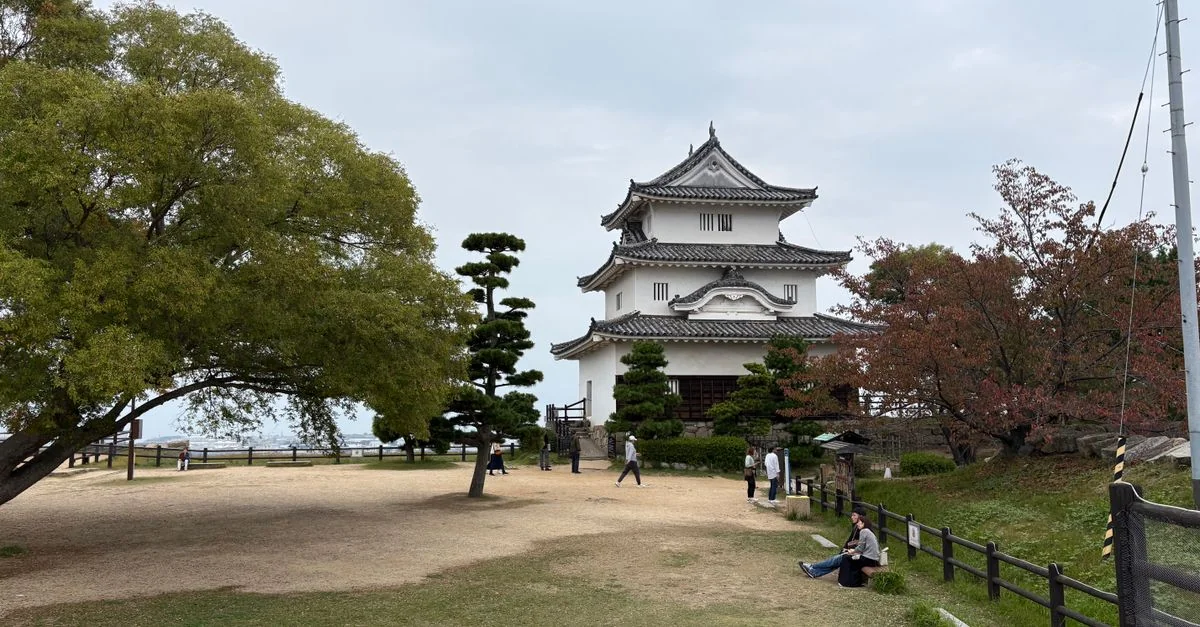
Art enthusiasts looking for unique regional painting styles will appreciate the Shiga: Discover Otsu-e, Japan’s Hidden Edo Pop Art Tradition tour priced at $51 USD. This experience pulls back the curtain on the satirical folk paintings that once served as popular roadside art.
If three-dimensional craftsmanship is more your speed, the Shiga: Discover the Living Tradition of Shigaraki Pottery tour priced at $57 USD offers a direct route into one of Japan’s oldest ceramic centers. Shigaraki ware is famous for its earthy tones and unglazed textures, deeply rooted in the tea ceremony aesthetic.
When booking these experiences, aim for weekday morning slots to secure smaller group sizes and more personalized attention from your guide.
Best Deals on Culture Tours in Shiga#
Travelers watching their budgets will find that the available regional offerings maintain transparent pricing without hidden fees. Both of the primary art experiences currently operating in the prefecture double as discounted options, meaning you get specialized local instruction without paying peak-season surcharges.
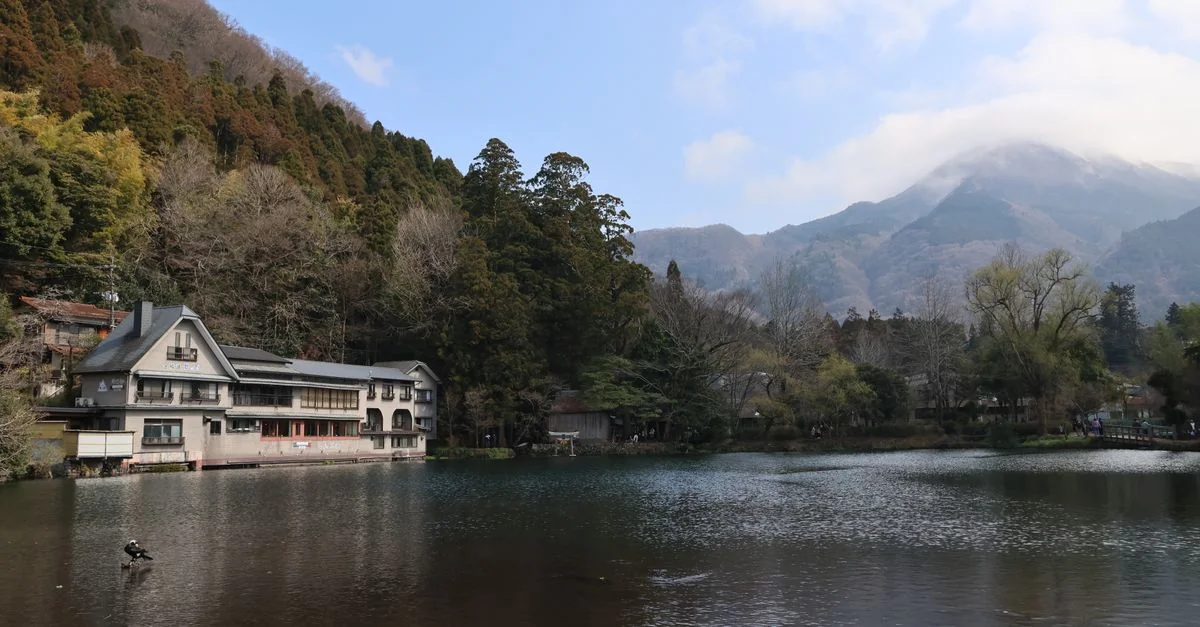
The Shiga: Discover Otsu-e, Japan’s Hidden Edo Pop Art Tradition at $51 USD and the Shiga: Discover the Living Tradition of Shigaraki Pottery at $57 USD both provide accessible entry points into Shiga’s creative heritage.
For the smoothest logistical experience, book your selected outing at least one week in advance to ensure guide availability during peak foliage seasons.
How to Plan Your Culture Day in Shiga#
Structuring a day around Shiga’s artistic offerings requires acknowledging the geographic spread between Lake Biwa’s eastern shores and the southern mountain kilns. Start your morning early at a regional ceramics studio or folk art gallery while the galleries are quiet, leaving your afternoons open for transit between towns.
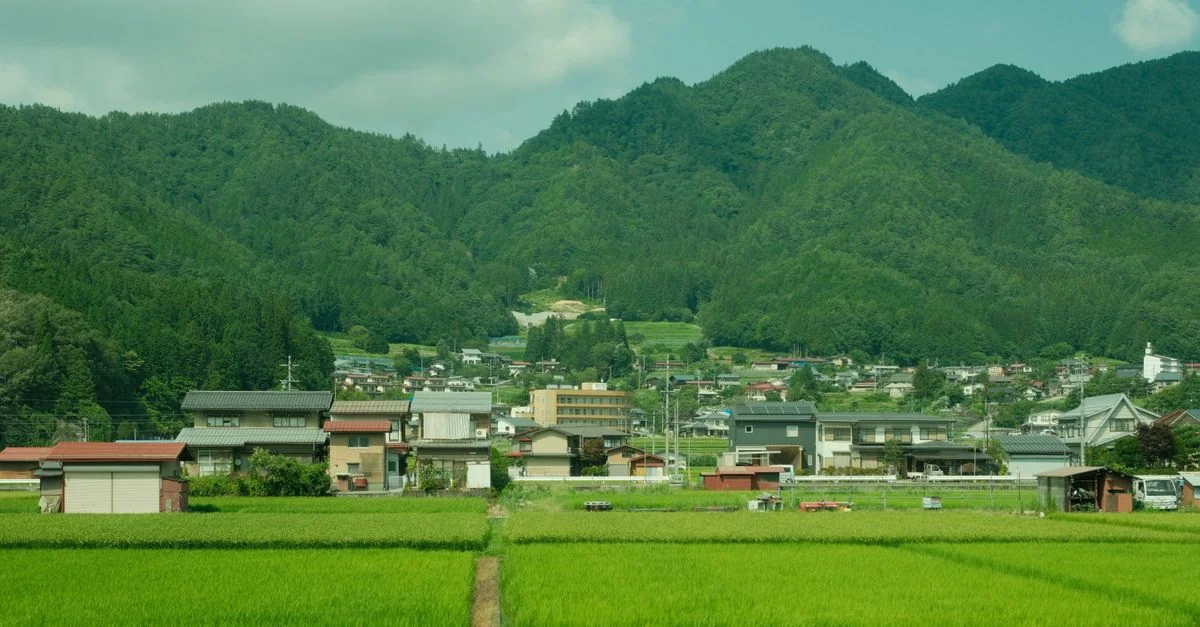
For those ready to finalize their itinerary, the best value pick for budget-conscious travelers is the Shiga: Discover Otsu-e, Japan’s Hidden Edo Pop Art Tradition at $51 USD, offering an affordable dive into vernacular painting history. If you want a more practical dive into historic craftsmanship, the best splurge pick is the Shiga: Discover the Living Tradition of Shigaraki Pottery at $57 USD, which connects you directly to the region’s legendary ceramic lineage.
📌 Disclaimer
Prices, schedules, tour details, flight routes, visa requirements, and all other information on this page are based on data at the time of writing. Fares, availability, and policies may change. Please verify current details on the official website before booking.
Top Tours & Activities


📌 More about Shiga