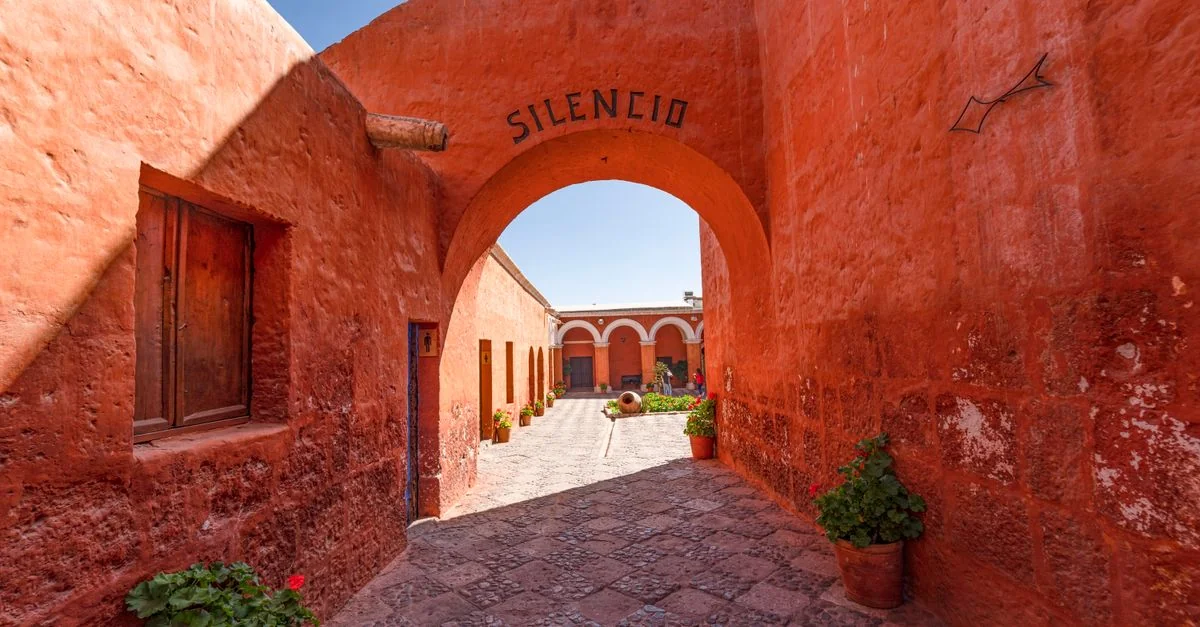
Tracing Volcanic Stone and Starlight: A Cultural Traveler's Guide to Arequipa
Standing in front of the ornate baroque facade of the Jesuit Church of La Compañía, the pale white sillar masonry catches the afternoon sun in a way that feels almost otherworldly. This porous, pearlescent volcanic ignimbrite, carved from the flanks of the towering Misti volcano, defines the physical and artistic identity of southern Peru . As a traveler who tracks civilizations through their architecture, stone carving, and enduring traditions, I found that this Andean city demands a slow, deliberate pace. Every carved floral motif on a colonial portal and every petroglyph etched into ancient canyon walls tells a distinct story of human adaptation and artistic expression. Why Arequipa Is ideal for Art and History Lovers # The historic center stands as a textbook example of Spanish colonial urban planning colliding with indigenous craftsmanship. Mestizo artisans took the soft volcanic rock and imbued it with local flora and fauna motifs, creating a distinct architectural style known as the Arequipa School. Walking through the Plaza de Armas, flanked by heavy two-story arcades built to withstand seismic activity, you see centuries of human history baked directly into the geology of the buildings.