Standing beneath the red-and-white double arches of the great hypostyle hall, light filtering softly through the stone lattice work, I felt the profound weight of Islamic architecture in Islamic Spain. This monument, begun in the eighth century under Abd al-Rahman I, set the aesthetic tone for centuries of Andalusian design. When you travel through CO, your days are defined by this kind of architectural grandeur, alongside narrow medieval lanes and sweeping archaeological ruins that document the shifting powers of the Iberian Peninsula. Why CO Is ideal for Art and History Lovers # CO operates as an open-air archive where Roman, Islamic, and medieval Christian influences collide. You see it in the surviving Roman bridge spanning the Guadalquivir River, and you feel it in the maze-like streets of the old town. The city’s cultural gravity centers on its UNESCO-listed monuments and the archaeological remains of palatine cities just beyond the modern limits.
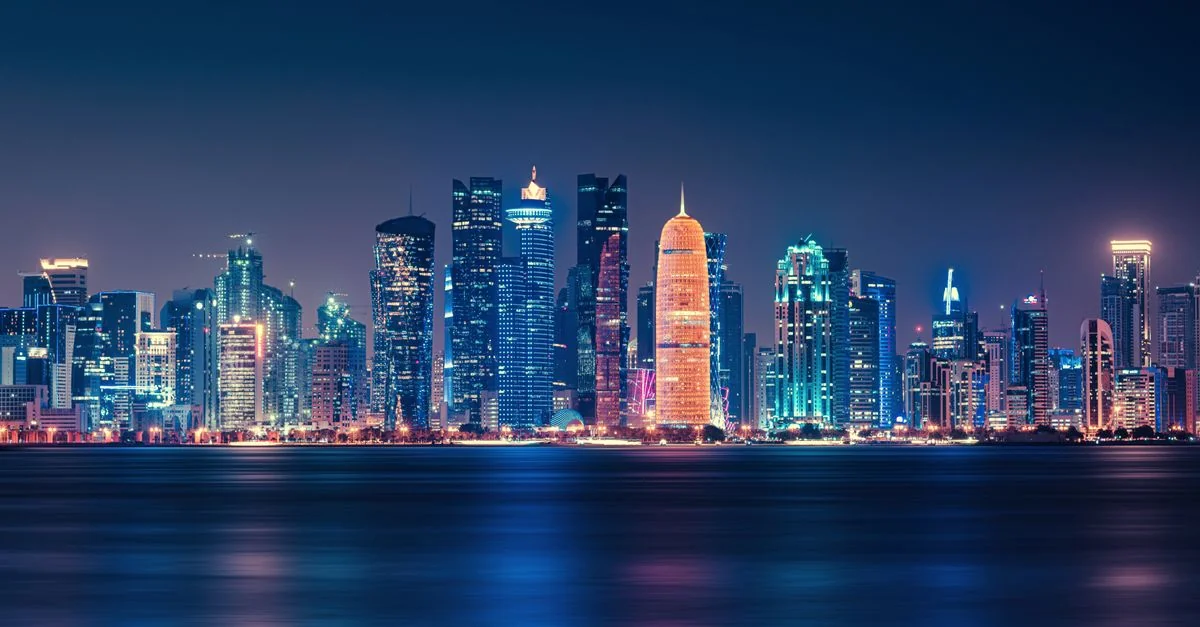
Standing inside the towering, geometric concrete walls of I.M. Pei’s masterpiece on the Corniche, the Qatari sunlight filters through the central atrium, casting sharp shadows over centuries of Islamic manuscripts and ceramics. When I first visited Doha, I expected a city focused entirely on futuristic skyscrapers. Instead, I found a deeply layered landscape where ancient desert forts stand against the Persian Gulf and traditional wooden dhows glide past modern waterfront promenades. As a traveler who tracks culture through architecture, local craft, and archaeology, I spent weeks exploring how the Qatari capital preserves its past while funding boundary-pushing contemporary institutions. Why Doha Is ideal for Art and History Lovers # Doha sits at a fascinating crossroads of ancient maritime trade routes and hyper-modern urban planning. The city’s cultural footprint extends from the coastal archaeological remains of Al Zubarah to the sprawling galleries of Msheireb Downtown. Walking through the older quarters, you notice how urban designers integrate Qatari heritage with contemporary design principles. For anyone interested in how a society builds its cultural identity using both archaeology and modern architecture, this city offers an incredible study in contrasts.
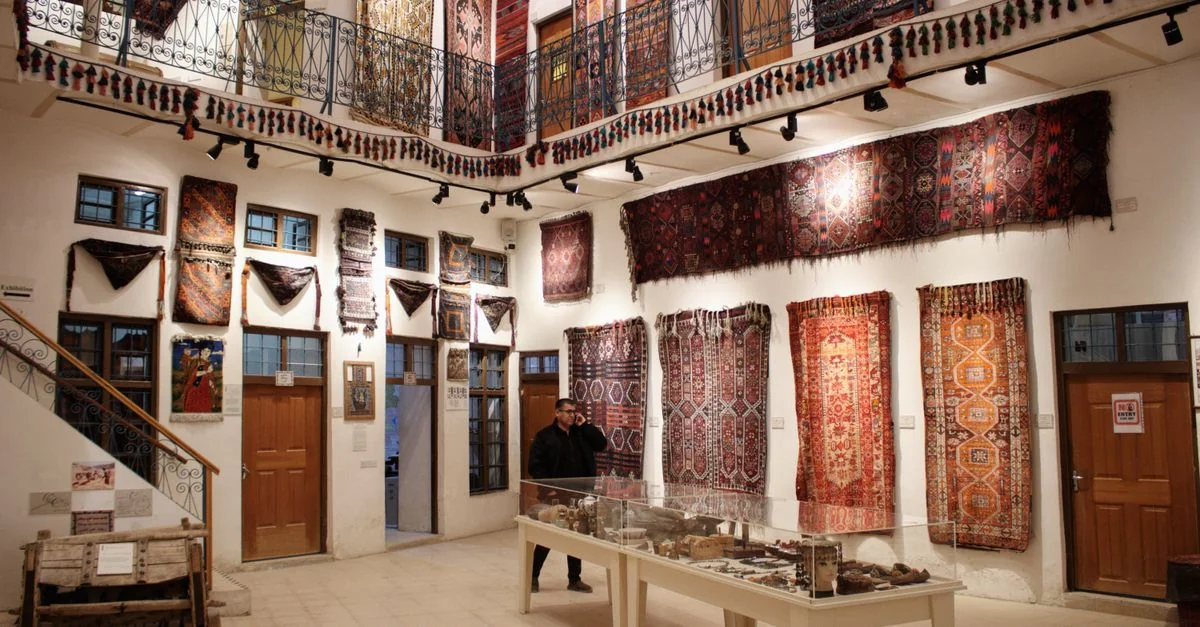
When the afternoon sun hits the lime-washed facades of Popayan’s historic center, the entire city glows with a blinding, uniform brilliance that earned it the nickname Ciudad Blanca. My eyes trace the intricate stone portals and heavy wooden balconies of the 17th-century colonial homes, pondering the labor of the masons who carved these Spanish-Andalusian motifs into the Andean rock. This architecture is not merely decorative; it serves as a physical archive of the colonial administration that governed southwestern Colombia for centuries. Why Popayan Is ideal for Art and History Lovers # Walking through the colonial grid of Popayan feels like moving through an open-air museum of ecclesiastical and civic architecture. The central plaza, Parque Caldas, anchors a historic core defined by whitewashed walls, red-tile roofs, and grand stone churches such as the Cathedral of Our Lady of the Assumption and the Church of San Francisco. These structures house significant collections of religious art, featuring wooden sculptures and oil paintings from the Quiteña and Quiteño colonial art schools. The city’s cultural identity is deeply tied to its religious processions during Holy Week, a tradition recognized by UNESCO, which brings sacred colonial artifacts out of the museums and into the public streets.

Standing before the multi-tiered roof of the Royal Palace’s Throne Hall, the golden spires catch the late afternoon sun, reflecting centuries of Khmer architectural ambition. This precise intersection of traditional design and modern resilience is what draws me back to Cambodia’s capital time and again. Phnom Penh is a city where every street corner reveals a dialogue between ancient temple aesthetics, French colonial influence, and the determined output of contemporary creators. Why Phnom Penh Is ideal for Art and History Lovers # Visitors often rush through the capital on their way to the temple ruins of Siem Reap, but spending time in Phnom Penh reveals the deep backbone of Cambodian identity. The city’s cultural landscape tells a story of survival and artistic rebirth. At the National Museum, housed in a magnificent terracotta structure completed in 1920, I always spend hours examining the world’s finest collection of pre-Angkorian and Angkorian stone sculptures. The bronze standing Vishnu, recovered from the Western Mebon, demonstrates a level of metalcasting mastery that continues to influence local sculptors today. Beyond antiquity, the capital supports a thriving modern art scene, with independent galleries tucked into shophouses along Bassac Lane showing how younger generations process historical trauma through abstract canvas work and installation pieces.
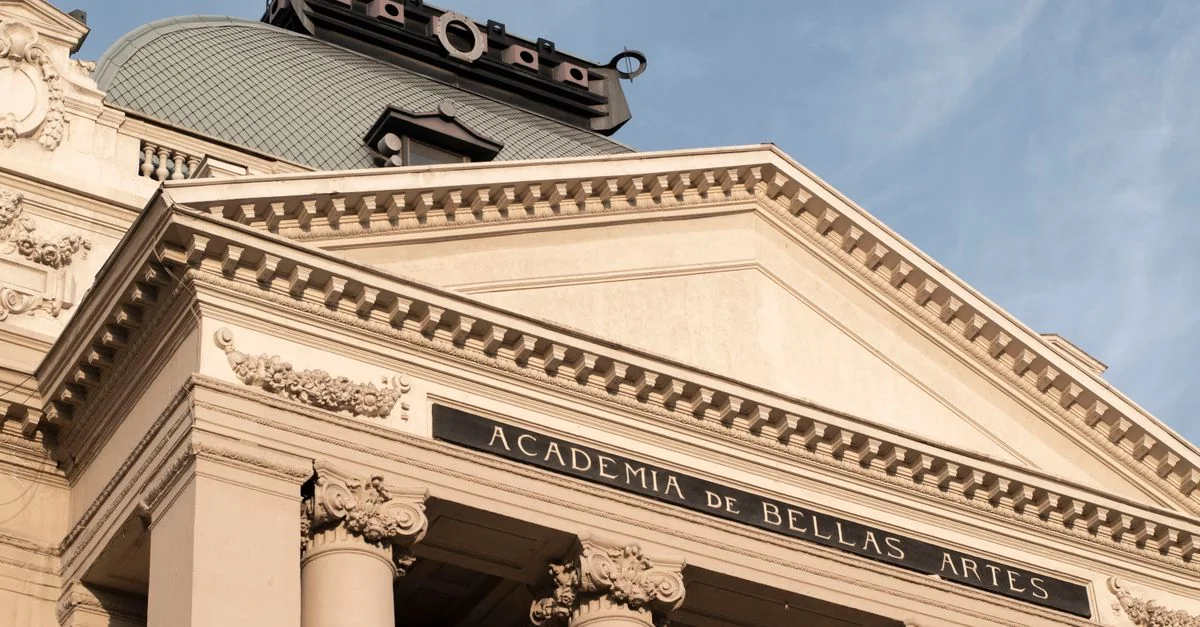
Standing before the jagged silhouette of the Torre Cathedral against the modern skyline of Panamá City, the weight of the 17th century presses into the humid air. This solitary stone tower is all that remains of the original Pacific-side settlement, sacked and burned in 1671. As a traveler obsessed with the tangible threads of history and artistic expression, I found this architectural skeleton to be the ultimate starting point for understanding the soul of Panamá. The interplay between ancient ruins and contemporary urban growth defines the creative energy here. Why Panamá Is ideal for Art and History Lovers # Panamá City operates as a crossroads of human endeavor, bridging continents and oceans through creative legacy. The cultural narrative goes far beyond the famous canal engineering feats. It lives in the weathered stone walls of the old capital and the curated artifacts housed within the site’s museum. When you walk these grounds, you trace the footsteps of indigenous groups, Spanish conquistadors, and the builders who shaped global trade. The artistic merit here rests in structural survival—how colonial masonry adapts to tropical climates and how modern curators preserve these narratives.
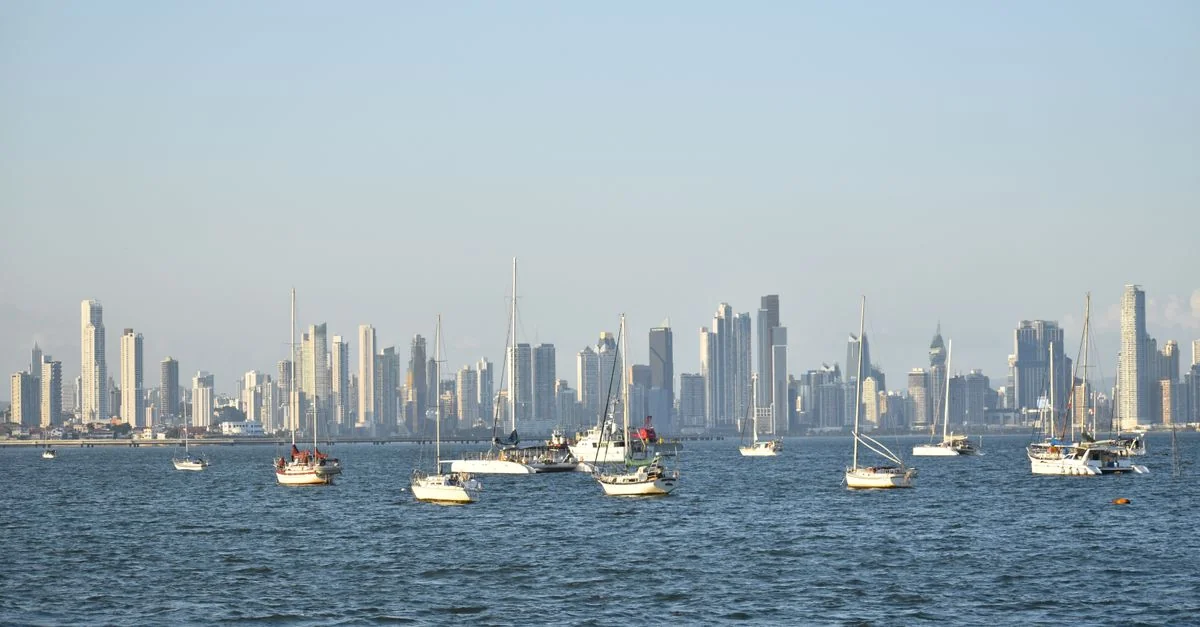
Standing before the altar of the Golden Altar inside the Church of San José in Casco Viejo, I found myself tracing the intricate, baroque carvings of solid mahogany coated in gold leaf. According to local lore, when the privateer Henry Morgan attacked the original Panama settlement in 1671, quick-thinking priests painted this sacred treasure black to disguise its worth. Morgan spared the building, and the altar survived intact. That single survival story encapsulates what draws me to this coastal capital: layers of survival, architectural reinvention, and a deeply layered past waiting to be unpacked by travelers who look closer. Why Panama City Is ideal for Art and History Lovers # Panama City sits at the intersection of continents, oceans, and distinct historical epochs, making it an endlessly fascinating destination for anyone who values architecture and social history. You can wander from the stone ruins of Panamá Viejo—destroyed in the 17th century—to the French colonial facades and wrought-iron balconies of Casco Viejo, all within a short distance. The city’s museums, historic churches, and public plazas tell a complex story of indigenous roots, Spanish colonization, and the monumental engineering feat of the canal.
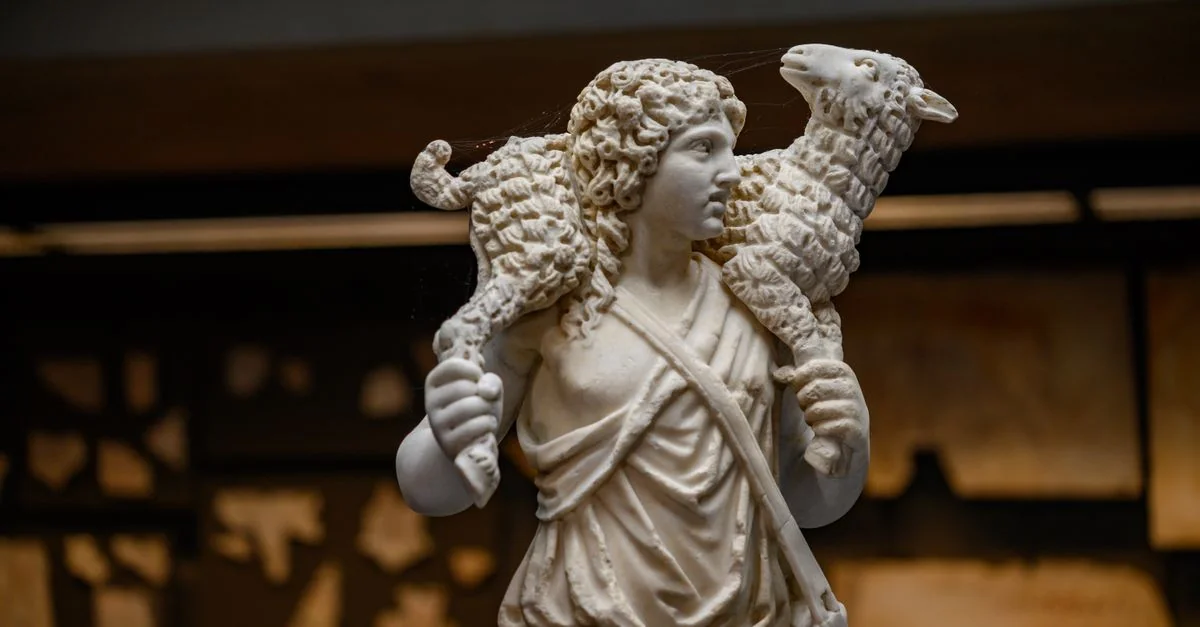
The first thing that strikes you when standing on the northern tip of Santorini is the precise, geometric interplay of the blue domes against the whitewashed limestone. These structures are not merely aesthetic choices; they are functional responses to the island’s volcanic landscape and the need for thermal regulation. Looking closely at the masonry of the older cave houses, or yposkafa, you can see the ingenuity of 19th-century builders who carved dwellings directly into the pumice cliffs. This architectural language defines the visual identity of Oía, turning the entire village into an open-air museum of vernacular design. Why Oía Is ideal for Art and History Lovers # Oía functions as a living archive of Aegean history. While many travelers come for the sunset, the real substance lies in the layers of volcanic ash that have preserved the island’s developmental timeline. The architecture here tells a story of survival and adaptation, where the scarcity of resources led to a minimalist design philosophy that influences modern architects globally. Walking through the narrow, winding paths, you are navigating a space shaped by the 1956 earthquake, which necessitated a careful reconstruction that honored the original Byzantine and Venetian influences. The way the light hits the curved edges of the churches creates a shifting canvas throughout the day, providing a unique study in shadow and form for anyone interested in the intersection of geology and human habitation.
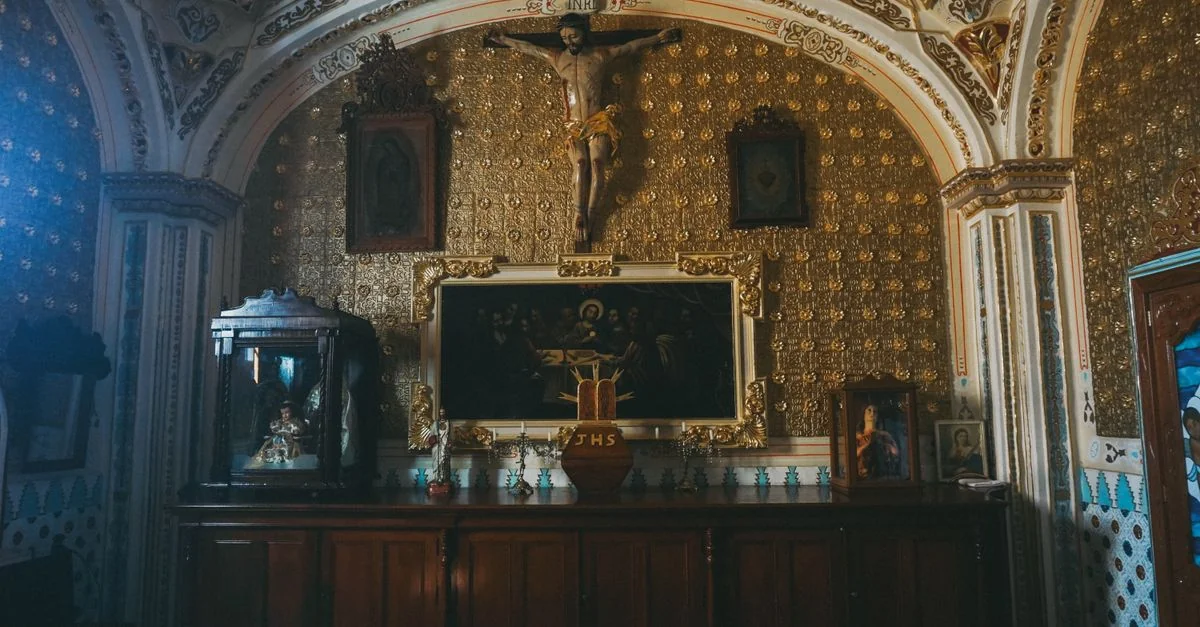
The stone carvings at the Monte Albán archaeological site, particularly the Danzantes reliefs, offer a silent, haunting look into the Zapotec civilization that once dominated the valley. Standing on the Main Plaza, looking out over the terraced hills, you realize that the architecture here is not merely decorative; it is a deliberate alignment with the horizon and the heavens. This sense of historical gravity is what defines the city of Oaxaca. It is a place where the ancient past is not tucked away in a basement but is present in the way local artisans still work with waist looms and black clay, techniques that have survived centuries of change. Why Oaxaca Is ideal for Art and History Lovers # Oaxaca serves as a living archive of human ingenuity. The city’s geography, nestled in a high-altitude valley, allowed for the development of distinct artistic traditions that remain central to local identity. When you walk through the markets or visit the outskirts where workshops are located, you see the continuity of craft. The black mud pottery, or barro negro, is a perfect example of how local resources are transformed into sophisticated art forms. Similarly, the tradition of carving alebrijes—intricately painted wooden figures—reflects a unique worldview that blends surrealism with traditional Zapotec motifs.
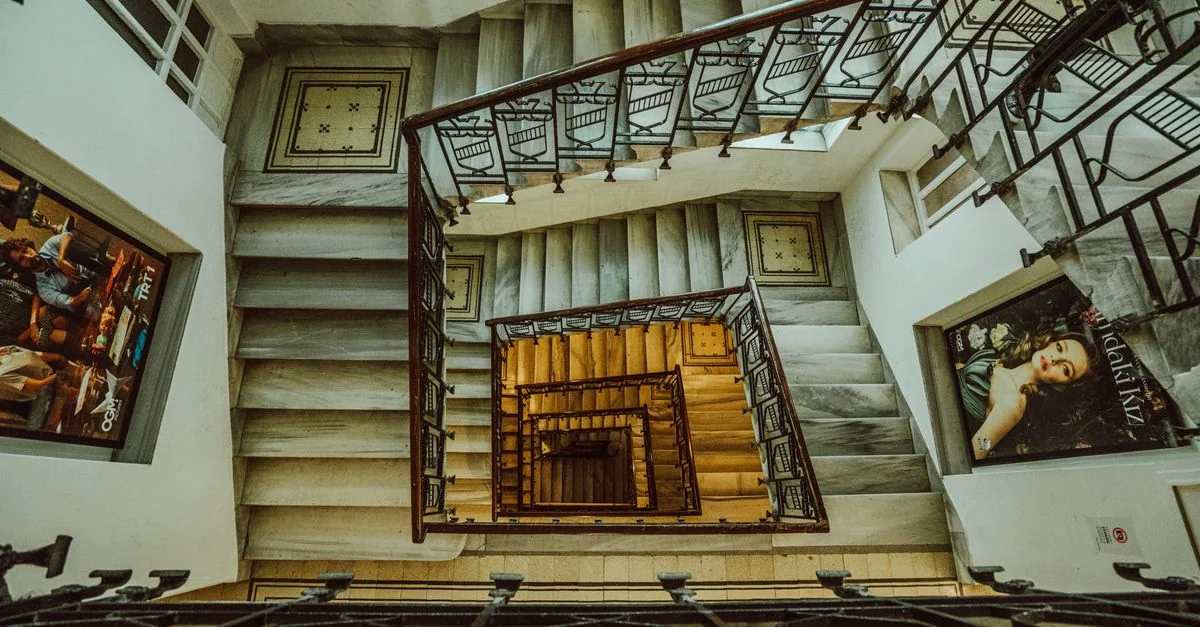
When standing before the raw, welded-metal sculptures outside the local creative spaces in Nyarugenge, you immediately sense the district’s modern artistic identity. This is a place where contemporary makers reinterpret historical narratives through canvas, clay, and discarded materials. As a traveler who tracks creative communities across the globe, I find that Nyarugenge rewards those who look past the surface and engage directly with the people shaping East Africa’s contemporary aesthetic. Why Nyarugenge Is ideal for Art and History Lovers # The urban core of Kigali holds stories of resilience, reinvention, and rapid artistic growth. Walking through the neighborhood streets, you encounter public art installations and architectural juxtapositions that speak to the city’s trajectory. Traditional craft cooperatives sit alongside contemporary galleries, creating a dynamic visual dialogue between past traditions and modern expressions. Painters and sculptors here do not simply replicate historical motifs; they challenge viewers to consider identity, urbanization, and memory.
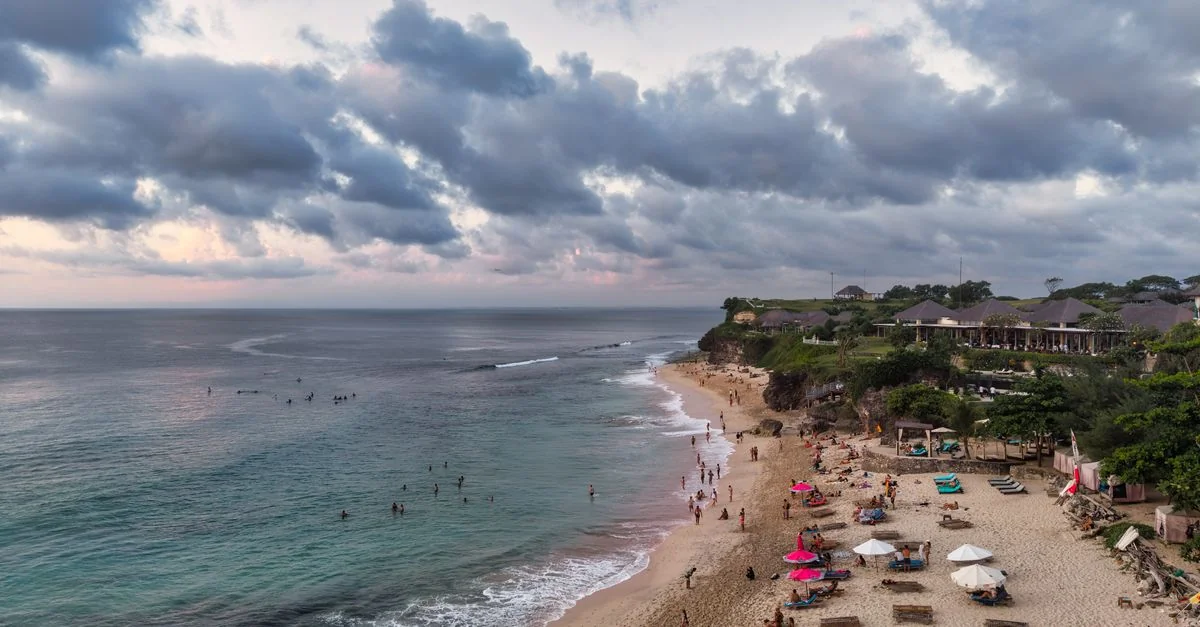
Standing before the intricate stone reliefs carved into the temple walls of southern Bali, I always trace the deep grooves left by the sculptor’s chisel. These detailed narrative panels depict ancient epics, anchoring the island’s coastal geography in centuries of storytelling. While this region is frequently recognized for its manicured lawns and guarded resort gates, a closer inspection reveals significant artistic traditions that extend far beyond the hotel pools. Why Nusa Dua Is ideal for Art and History Lovers # When travelers think of southern Bali, pristine beaches and luxury hospitality usually come to mind. Yet, the area serves as an ideal baseline for exploring Balinese craftsmanship, temple architecture, and performing arts. Local stone carvers still practice techniques passed down through generations, utilizing soft paras sandstone to adorn local shrines with floral motifs and mythological figures. Traditional painters maintain the Kamasan style, utilizing natural pigments to illustrate Hindu epics on cloth and bark paper.