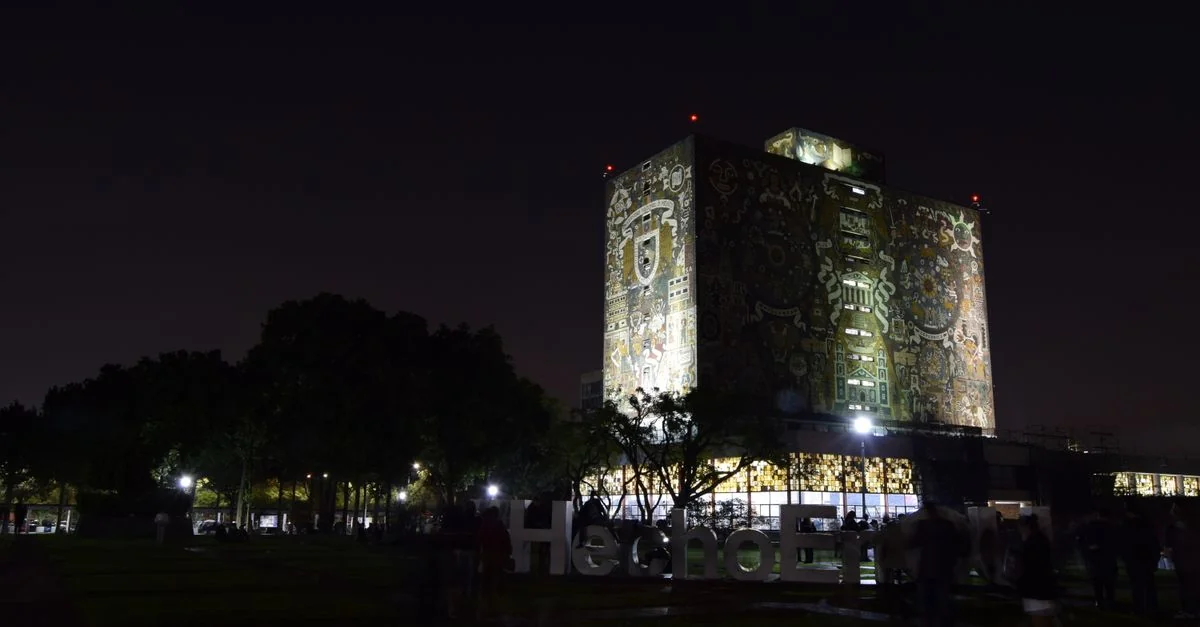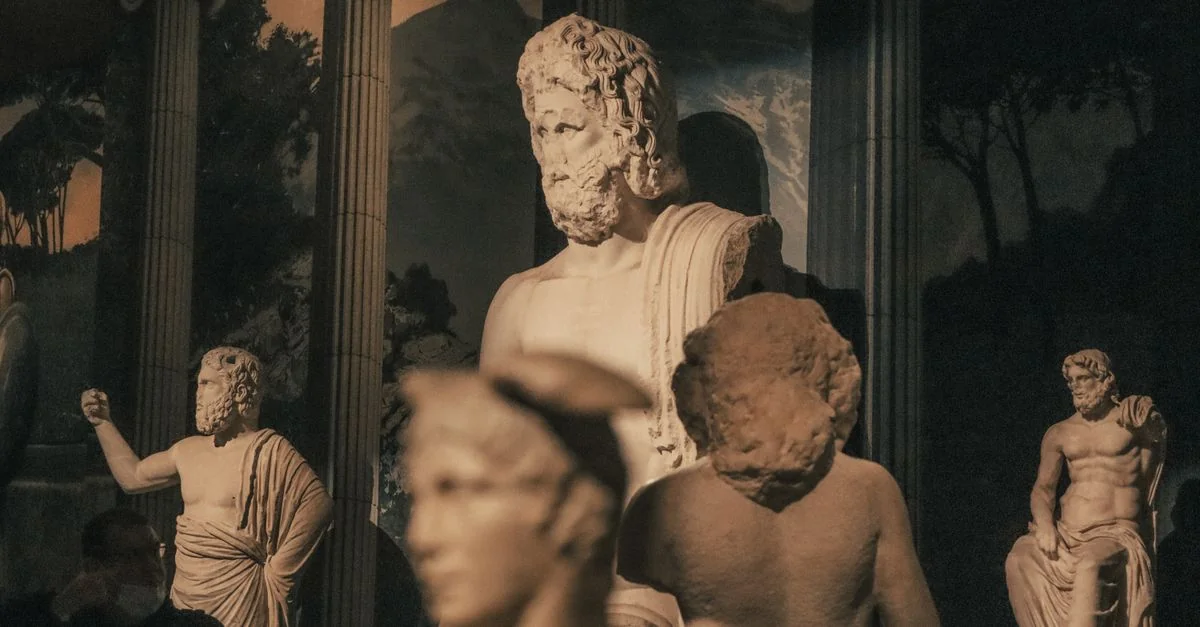
The bull-leaping fresco in the Heraklion Archaeological Museum remains one of the most sophisticated depictions of human movement in the ancient world. Standing before the plaster relief, you notice the rhythmic tension in the acrobat’s muscles, a detail that feels remarkably modern despite its age. Iraklio is not merely a transit point for ferries or a gateway to beaches; it is a dense layering of history where Venetian fortifications collide with the rigid, colorful geometry of the Bronze Age. Walking the city walls, you can trace the path of engineers who sought to protect this port from Ottoman advancement, while a short drive away, the ruins of Knossos reveal a civilization that prioritized light, ventilation, and intricate drainage systems long before the common era. Why Iraklio Is ideal for Art and History Lovers # Art in Iraklio is defined by its tactile nature. You do not just view the history here; you walk over it. The city serves as the primary repository for the Minoan civilization, which remains one of the most enigmatic chapters in Mediterranean history. The architecture of the city reflects a transition from the heavy, defensive stone of the Venetian period to the more open, eclectic styles that followed.
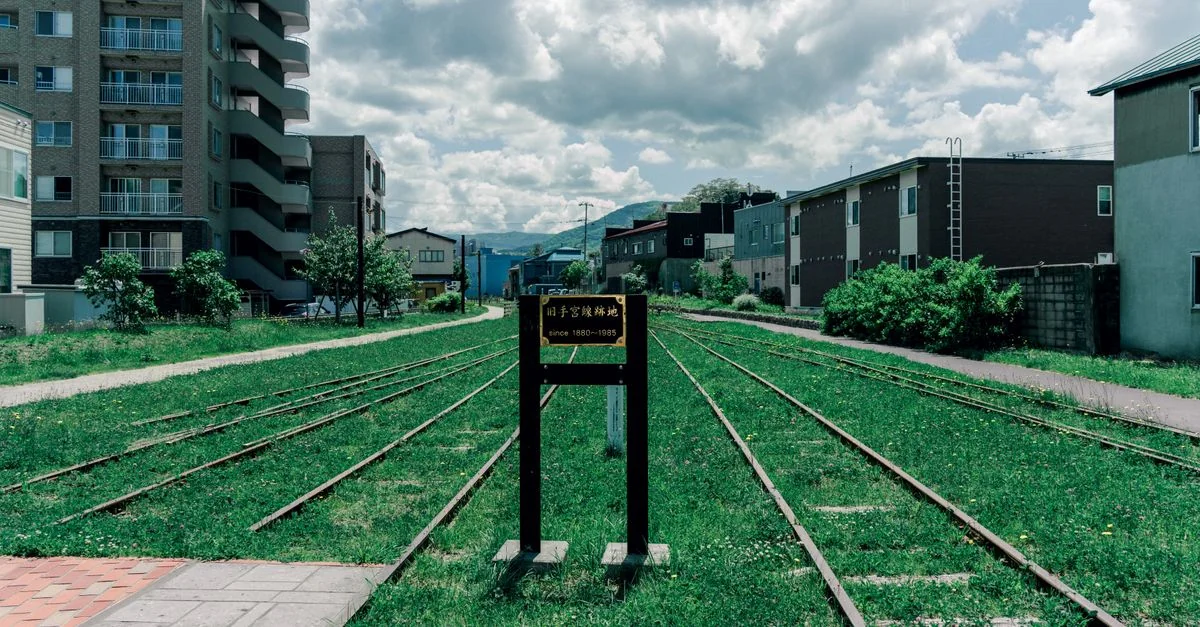
The glass facade of the Hokkaido Museum of Modern Art catches the low, slanting light of a Sapporo afternoon, reflecting the snow-dusted peaks of the surrounding hills. Inside, the air is still, carrying the faint scent of polished wood and old paper. This is not a place of loud proclamations or overwhelming grandeur. It is a space for contemplation, where the art speaks softly, asking you to lean in and listen. Hokkaido, the northernmost major island of Japan , is often celebrated for its powder snow, its hot springs, and its rugged wilderness. Yet, beneath the layer of ice and the roar of the wind, there is a quiet cultural pulse that thrives in its galleries and museums. For the traveler who seeks more than just scenic vistas, Hokkaido offers a refined, understated artistic experience that rewards patience and observation. Why Hokkaido Is ideal for Art and History Lovers # Hokkaido’s artistic identity is distinct from the historic temples of Kyoto or the neon-lit galleries of Tokyo . Here, the art is deeply connected to the landscape. The vastness of the island, its seasonal extremes, and its indigenous Ainu heritage create a unique context for creative expression. When you walk through the halls of a Hokkaido museum, you are not just viewing objects; you are engaging with a narrative that is tied to the earth, the sea, and the sky. The modern art scene here is particularly compelling because it often grapples with themes of isolation, resilience, and the sublime beauty of nature.
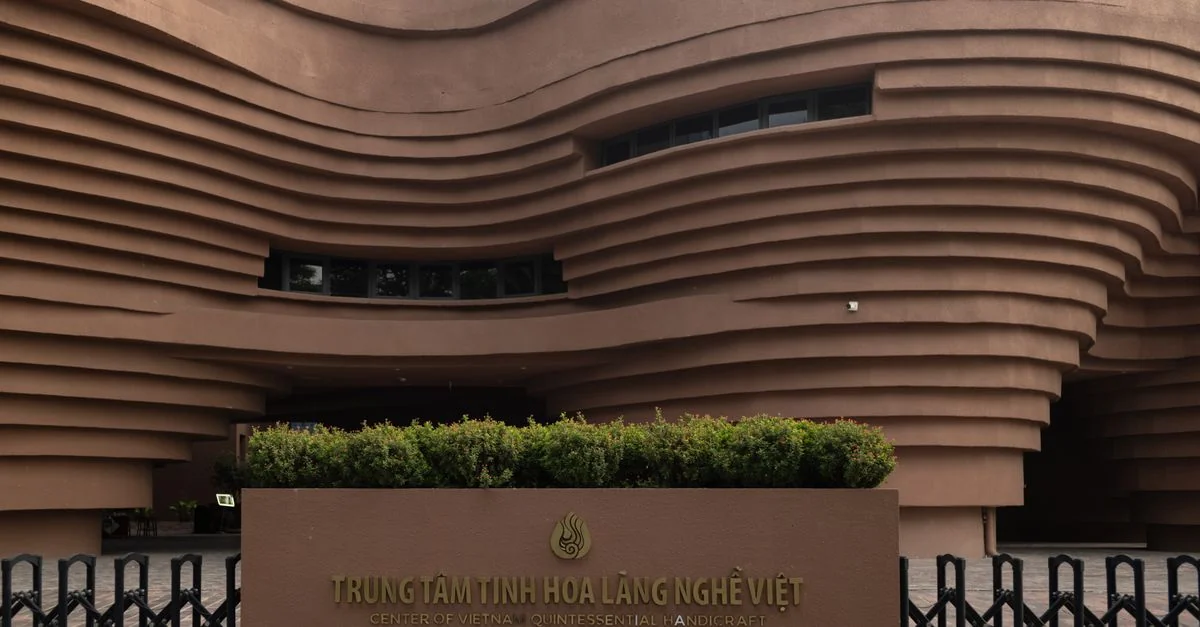
When I stand before the rust-red walls and towering roof tiles of the Temple of Literature, tracing the stone stele carved with the names of 15th-century scholars, I realize that Hanoi ’s artistic heartbeat does not live strictly behind glass cabinets. It exists in the acrid, sweet scent of drying incense sticks and the precise geometry of palm leaves woven into conical hats. As a traveler who judges a destination by its tactile relationship with history, I find that Hanoi demands a slower, more deliberate pace. Why Hanoi Is ideal for Art and History Lovers # Hanoi operates on a sensory frequency that rewards observation. When you walk through the Old Quarter, the architectural layers tell a story of dynastic rule, French colonial planning, and modern Vietnamese resilience. The French colonial villas peeling in ochre paint sit alongside ancient Buddhist pagodas, creating a visual contrast that informs every local craft and artistic medium.
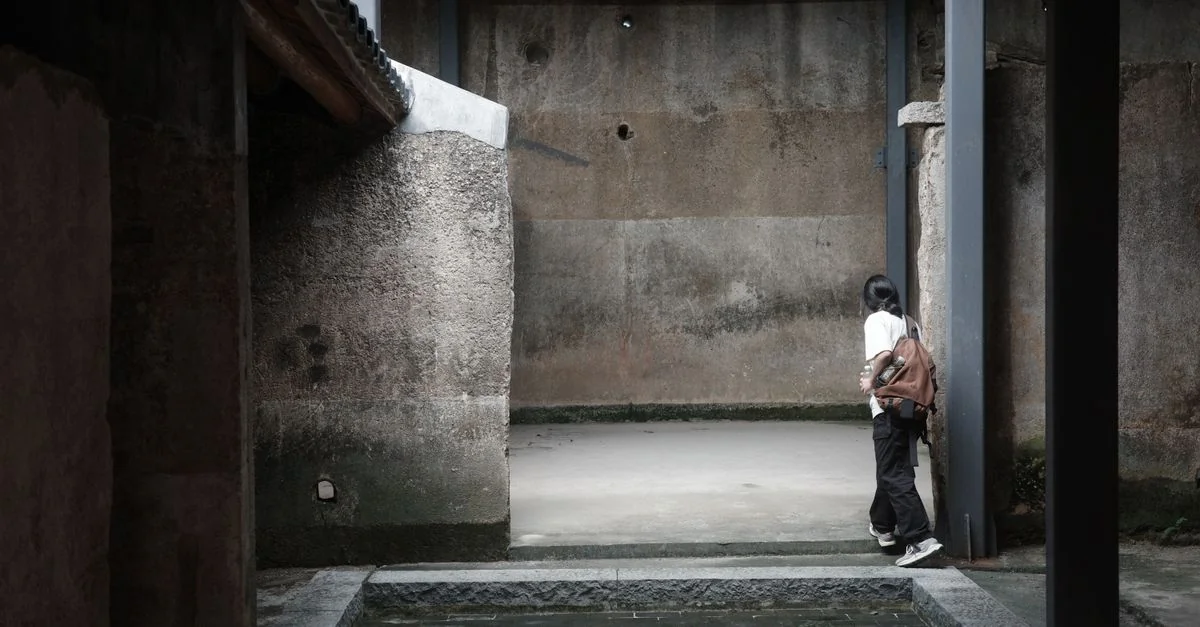
Standing in front of a modern architectural marvel in Southern China , I found myself tracing the precise intersection of engineering and artistic expression. Guang Dong Sheng offers a unique lens into how traditional regional craftsmanship merges with cutting-edge technology. When planning your travels through this province, your actual decision comes down to choosing between self-paced museum wandering or booking structured technology-focused itineraries. If you prefer fixed schedules with managed logistics, booking a designated tour prevents transit guesswork; conversely, independent travelers who value complete schedule flexibility may find rigid group itineraries too restrictive. Solo explorers comfortable with local navigation gain time and spontaneity, while those managing tight travel windows benefit from pre-arranged transport. Why Guang Dong Sheng Is ideal for Art and History Lovers # The southern coastal region of China has long operated as a major engine of design, manufacturing, and creative output. This territory moves at a rapid pace, yet it maintains deep connections to historic craftsmanship and contemporary visual arts. Understanding this dual identity changes how you approach your daily sightseeing schedule: instead of expecting quiet, dusty antiquities galleries, prepare for high-tech installations and forward-looking design centers.
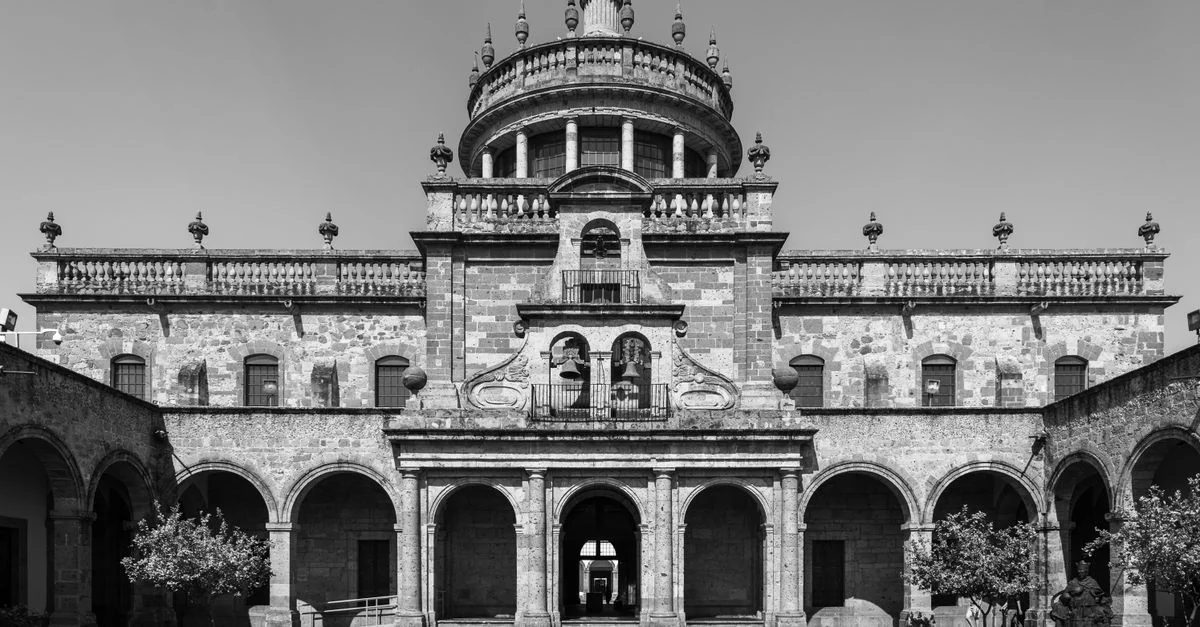
When I stood before the circular architecture of western Mexico ’s ancient past, the realization hit me: human creativity takes shapes we rarely see in standard textbooks. Instead of the towering angular steps found elsewhere in the country, the builders here engineered concentric terraces that defy conventional Mesoamerican design. Walking through this landscape changes the traveler in real use by shifting focus from monumental empire-building to community-centered ceremonial spaces. For the independent cultural traveler with a strong interest in pre-Hispanic engineering, this means allocating specific transit time for regional day trips; however, those pressed for time or primarily interested in downtown easel painting may find the journey requires more logistics than a simple afternoon stroll. Why Guadalajara Is ideal for Art and History Lovers # Guadalajara holds a distinct place in the creative identity of Mexico, grounding its reputation in regional craftsmanship, muralism, and deep-seated historical narratives. When you trace the city’s architectural details, from neoclassical stone facades to mid-century public art, you see an urban center that refuses to stand still.
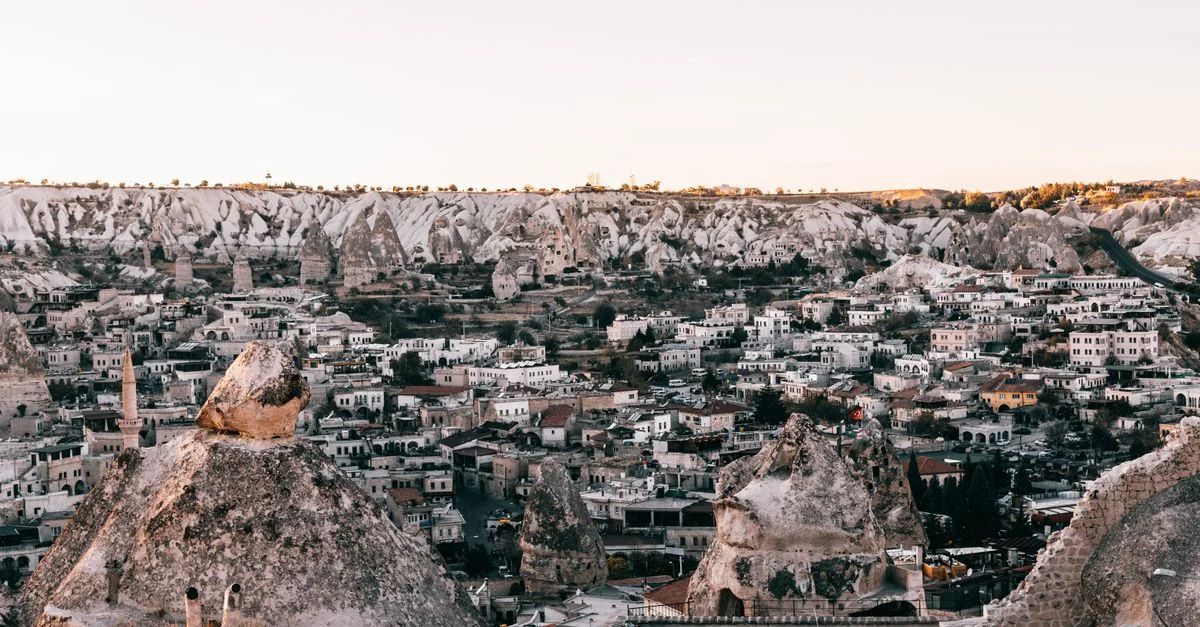
Standing inside the dark interior of the Buckle Church, the 10th-century indigo frescoes caught the dim afternoon light, revealing an intensity of lapis lazuli pigment that painters imported at great expense from distant mines. When traveling through this landscape of eroded volcanic rock, understanding the historical layers carved directly into the stone transforms the trip from simple sightseeing into an archaeological investigation. Why Goreme Is ideal for Art and History Lovers # Goreme operates as an open-air archive where Byzantine iconography intersects with geological formations sculpted by centuries of wind and water. The monastic complexes here hold wall paintings executed in red ochre, white lime, and expensive blues, depicting saints and biblical narratives directly into volcanic tuff.
Standing before the contemporary canvases scattered across Fulton County , I often find myself caught between the region’s historic roots and its modern creative output. When planning your days here, the traveler’s actual decision comes down to choosing between structured nighttime historical strolls or hands-on studio sessions, determining where to go, when to book, and how to avoid a wasted trip. Why Fulton County Is ideal for Art and History Lovers # Fulton County operates as a significant regional center for creative expression, drawing travelers who appreciate visual arts and localized history. The area supports distinct creative districts where galleries, studios, and public installations intersect.
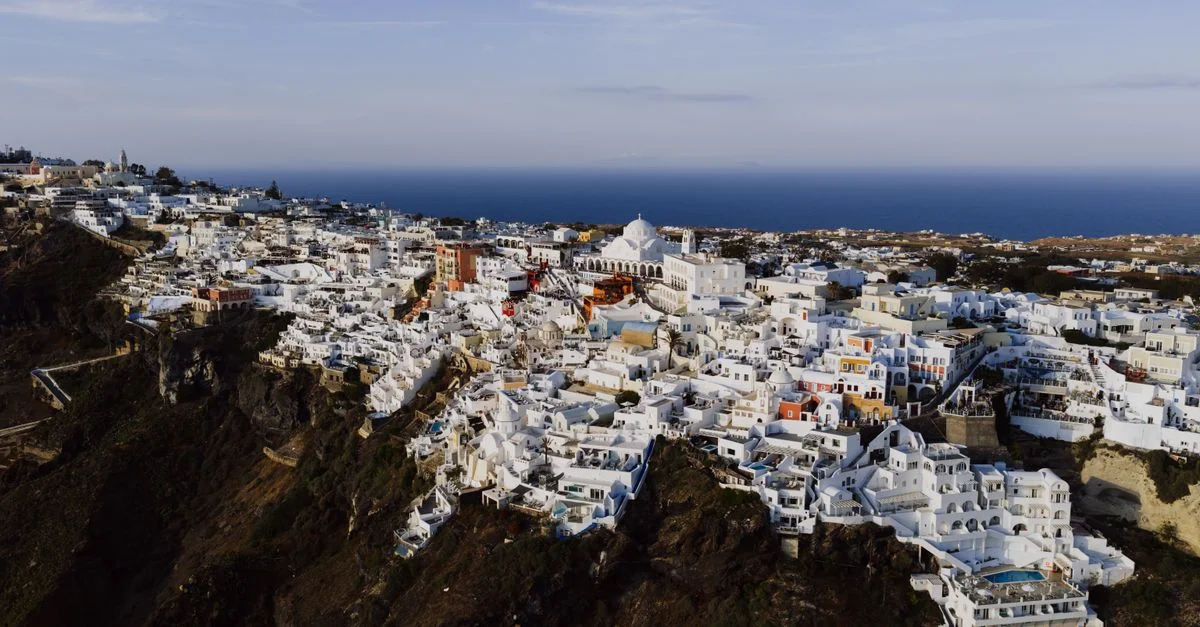
In 1967, archaeologists digging beneath the volcanic ash of Akrotiri—just a short distance from the cliffs of Fira —unearthed frescoes depicting saffron gatherers and young boxers painted more than three millennia ago. Standing on the caldera edge today, peering down at the sea-filled crater, those ancient pigments frame how I approach this Cycladic capital. Fira is not merely a postcard backdrop of blue domes and white-washed walls; it is a layered site where geological catastrophe preserved an extraordinary Aegean civilization. If you want to understand the physical and cultural foundation of this island beyond the cliffside cafes, you need to look closely at the remnants of its sacred architecture and deep archaeological record. Why Fira Is ideal for Art and History Lovers # When travelers step off the cable car or finish the climb up the stairs from the old port, many head straight for the souvenir shops. That is a tactical error if your goal is cultural engagement. Instead, turn your focus toward the Orthodox Metropolitan Cathedral and the Catholic Cathedral of Saint John the Baptist, which anchor the town’s spiritual geography. These structures reveal the architectural adaptation of a community rebuilding after earthquakes, utilizing local stone and neoclassical influences shaped by Venetian and Greek Orthodox histories.
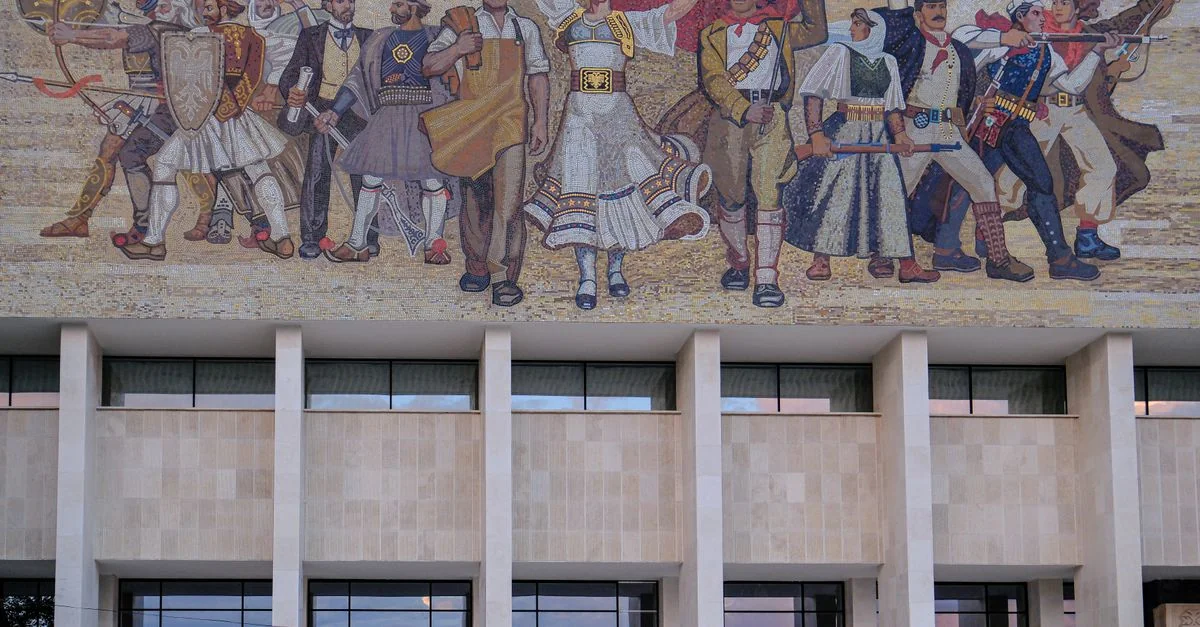
Standing before the weathered limestone blocks of the monumental Hellenistic stadium at Apollonia, one immediately understands why this Illyrian and Roman crossroads shaped classical antiquity. The hand-chiselled ashlar masonry, fitted without mortar in the third century BCE, still holds the afternoon light, casting sharp shadows across the orchestra floor just as it did when Aristotle’s contemporaries walked these plains. Planning a cultural journey through Fier requires a clear-eyed look at logistics. Because local transport options to archaeological zones outside the immediate city center are limited, knowing how to structure your transit prevents wasted hours waiting on infrequent regional minibuses.
Why Estado de México Is ideal for Art and History Lovers # When you gaze up at the towering silhouette of the Pyramid of the Sun in Teotihuacan, you are standing before a monumental achievement of urban planning and Mesoamerican cosmology. The ancient architects aligned this massive structure along specific astronomical axes, creating a ritual landscape that still commands absolute attention. Walking down the Avenue of the Dead, the sheer scale of the stone facades and residential compounds reveals how deeply art and architecture were intertwined with civic power in pre-Hispanic societies.