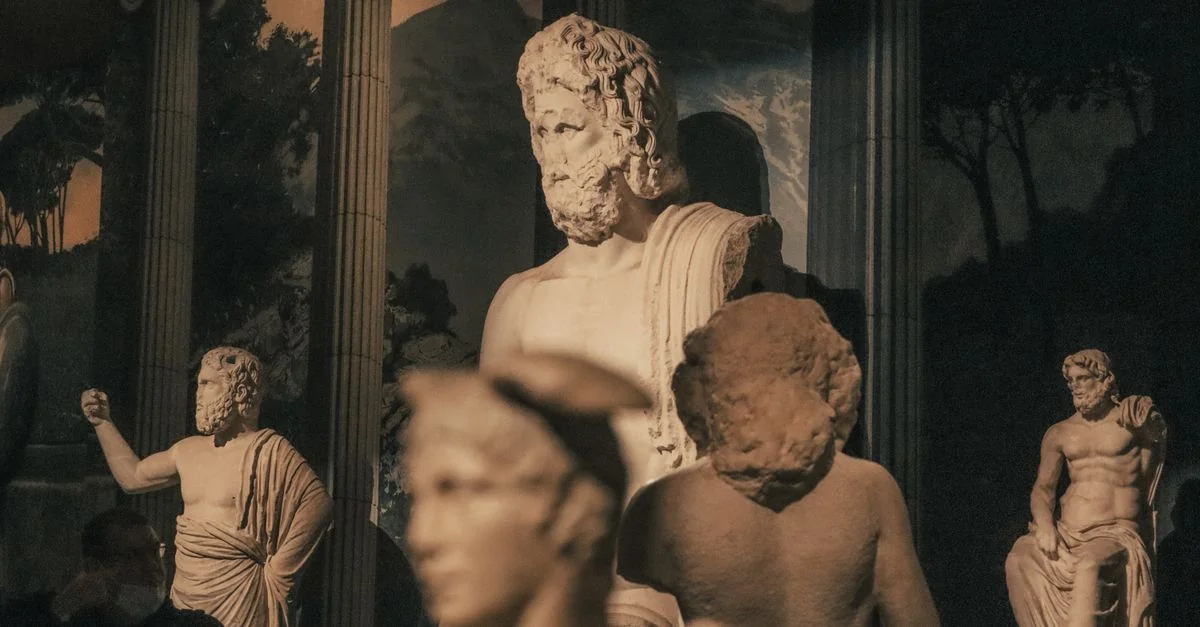
The bronze statue of Hermes by Praxiteles, housed in the museum at Olympia, remains one of the most significant encounters with human craftsmanship I have ever experienced. Seeing the way the marble—or in this case, the Parian marble original—captures the softness of skin and the delicate drape of cloth provides a direct line to the aesthetic values of the fourth century BCE. While Katakolo serves primarily as a seaside port, its true value lies in how it functions as the threshold to these profound artistic achievements. The transition from the salt air of the Ionian coast to the quiet, shaded groves of the Alpheios River valley is a journey through layers of Greek history that shaped Western art. Why Katakolo Is ideal for Art and History Lovers # Katakolo is often viewed merely as a point of arrival, but for those who prioritize historical context, it is the essential starting point for understanding the Peloponnese. The architecture of the port itself reflects a 19th-century mercantile history, but the draw here is the proximity to the sanctuary of Olympia. The site is not just a collection of ruins; it is an open-air museum of architectural evolution, displaying the shift from archaic structural forms to the refined proportions of the Classical period.
Standing before the carved limestone balustrades of the Mohatta Palace, sunlight catches the pink Jodhpur stone and local yellow stone, revealing architectural patterns that whisper tales of pre-partition Sindh. When I first stepped onto these grounds, the quiet dignity of the galleries immediately set the tone for my exploration of Pakistan’s largest metropolis. Karachi is a city where colonial-era civic buildings stand shoulder-to-shoulder with modernist concrete structures, and where the layers of regional history run deep beneath the surface of everyday street life. Why Karachi Is ideal for Art and History Lovers # Art and history enthusiasts traveling through Sindh often overlook the sheer density of creative expression found across this coastal urban center. Beyond the private galleries showcasing contemporary Pakistani painters, the city acts as a gateway to ancient civilizations that shaped South Asia. The architectural footprint left by the British Raj—visible in structures like Frere Hall with its ceiling murals by Sadequain—sits alongside institutions dedicated to preserving the material culture of the Indus Valley Civilization.
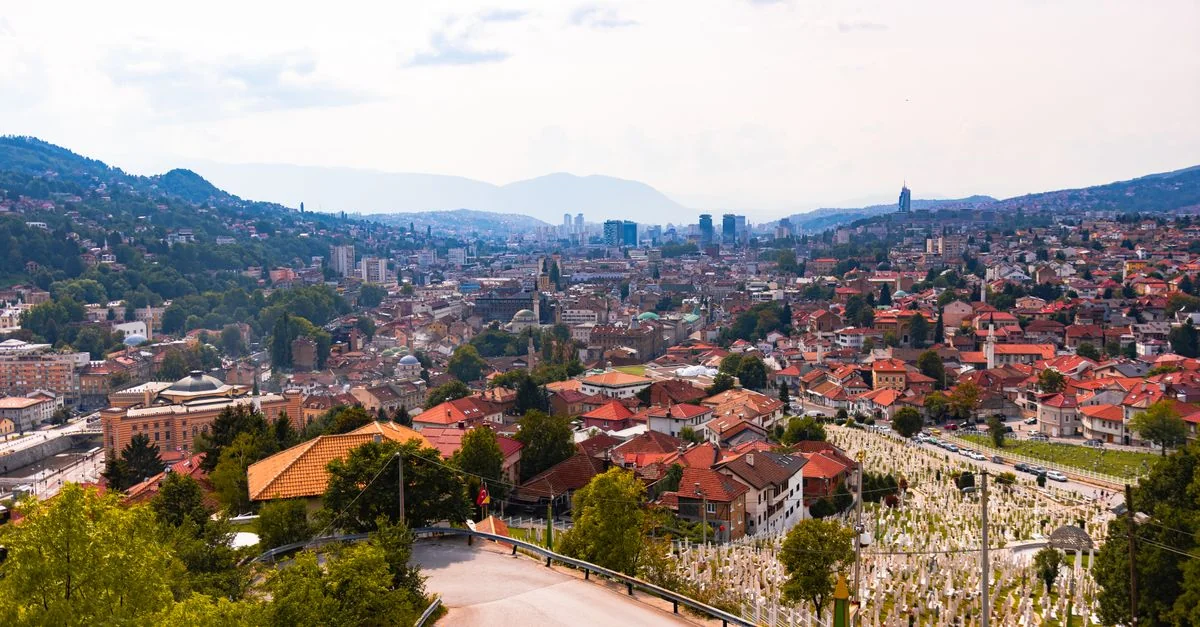
When you stand before the copper-domed Gazi Husrev-beg Mosque, built in 1531 by the Ottoman Empire’s greatest architect, Mimar Sinan’s influence is unmistakable. The way light filters through the calligraphic interior stonework sets the tone for exploring Kanton Sarajevo. This region holds centuries of intersecting empires, religions, and artistic movements, making every street corner a lesson in architectural evolution. Why Kanton Sarajevo Is ideal for Art and History Lovers # The physical landscape of Kanton Sarajevo tells a story written in stone, brick, and mortar. Ottoman hans, Austro-Hungarian administrative buildings, and brutalist socialist structures sit side by side along the Miljacka River. Walking past the Latin Bridge—the exact spot where Archduke Franz Ferdinand was assassinated in 1914, triggering the First World War—brings history textbooks into sharp relief. You can trace the city’s complex past simply by observing the rooflines, where Islamic minarets stand within sight of Catholic bell towers and Orthodox domes.
The sight of Yayoi Kusama’s yellow pumpkin, perched defiantly on a concrete pier against the backdrop of the Seto Inland Sea, remains one of the most iconic images in modern Japanese art. It is not merely a sculpture; it is a statement on how human creativity can alter the perception of a rugged, maritime landscape. Standing there, watching the tide shift against the yellow-and-black polka dots, I realized that Kagawa District functions differently than the mainland. Here, the architecture and the environment are not separate entities; they are collaborators. Why Kagawa District Is ideal for Art and History Lovers # Kagawa District offers a rare opportunity to observe how contemporary art integrates into rural island life. Unlike the dense, vertical museums of Tokyo or Kyoto, the art here requires movement. You walk through narrow village lanes, past traditional wooden houses, and suddenly find yourself inside a subterranean gallery designed by Tadao Ando.
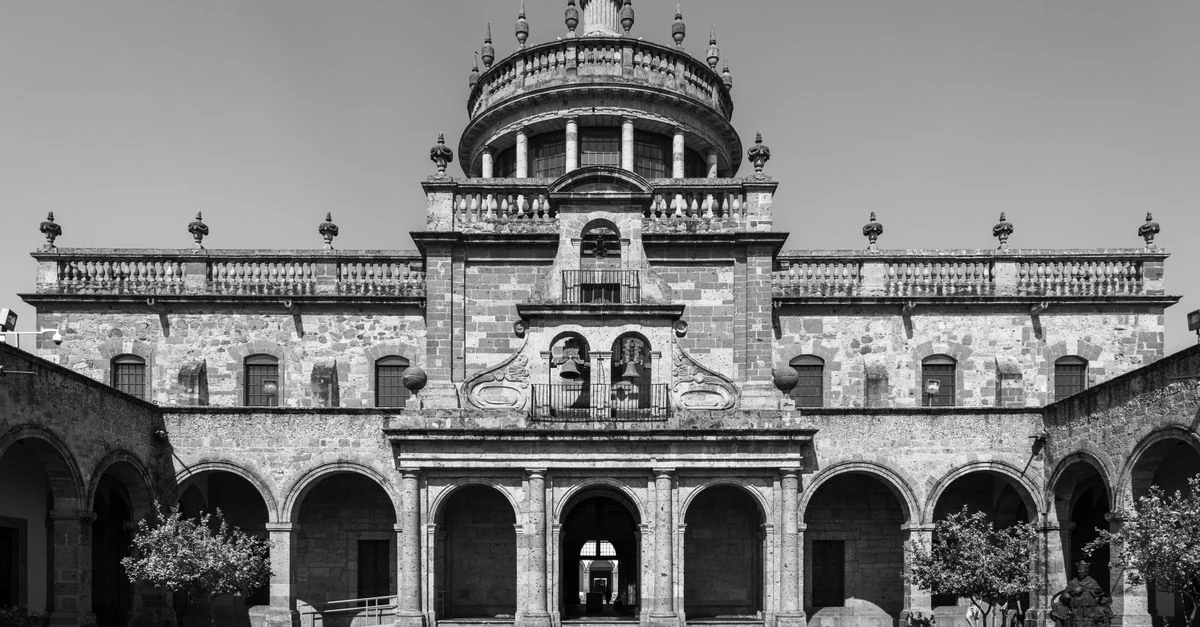
Standing in front of José Clemente Orozco’s monumental mural The Man of Fire inside the dome of Guadalajara’s Hospicio Cabañas, the human figure appears to leap upward through swirling tongues of flame. This masterpiece, painted between 1938 and 1939, anchors my understanding of Jalisco’s artistic soul. It represents a region where political history, indigenous heritage, and revolutionary artistic expression collide on every wall and street corner. When planning a trip focused on the creative output of western Mexico, looking beyond the standard beach resorts to the historical centers yields profound encounters with painters, muralists, and rugged landscapes. Why Jalisco Is ideal for Art and History Lovers # Jalisco operates as a powerhouse of Mexican identity. Beyond being the birthplace of mariachi music and tequila, the state capital of Guadalajara and the surrounding terrain hold significant weight in the country’s muralism movement. Orozco claimed this state as his intellectual home, leaving walls across public buildings covered in complex allegories of conquest, religion, and human struggle. Exploring these sites requires paying attention to building details, such as the neoclassical symmetry of downtown courtyards contrasting sharply with the expressionist fury of mid-century frescoes.
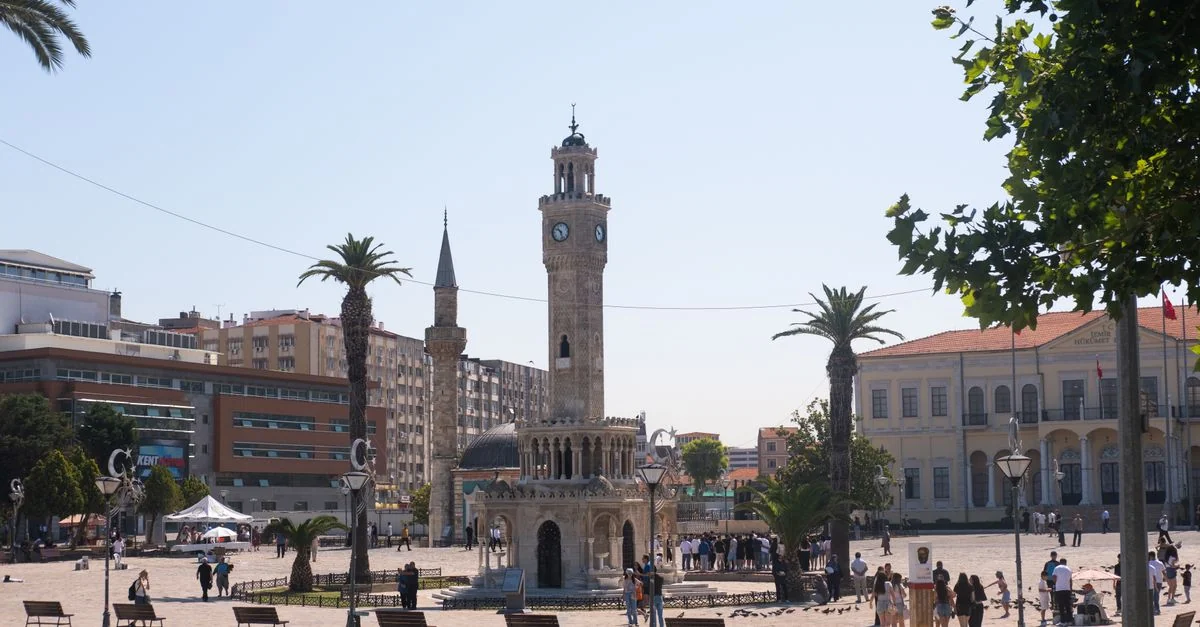
Standing before the reconstructed facade of the Library of Celsus at Ephesus, watching the Mediterranean sunlight hit the second-century marble columns, you realize why this region shaped the ancient world. Izmir and its surrounding archaeological zones offer a direct line to antiquity that few destinations can match. As someone who travels specifically to understand the layers left behind by Hellenistic, Roman, and early Christian civilizations, I approach this coastal Turkish hub not just as a transit point, but as an open-air museum. Why Izmir Is ideal for Art and History Lovers # The physical scale of the ruins near Izmir forces you to adjust your perspective on ancient engineering and urban planning. Walking down the marble-paved Curetes Street in Ephesus, past the terrace houses with their remarkably preserved frescoes and mosaics, you witness the domestic life of the Roman elite. Every carved frieze of Medusa, every architectural fragment in the local museums, speaks to a high point in classical artistic expression.
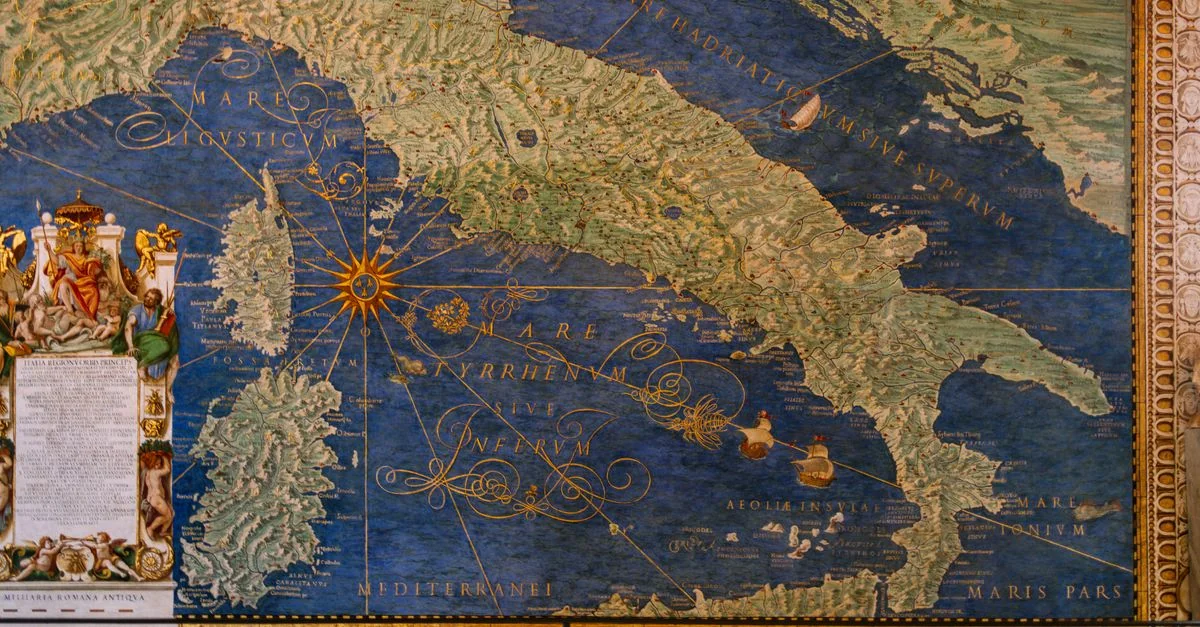
Standing before the weathered, sun-bleached columns of an ancient Roman forum, I am always struck by the sheer weight of the stone. It is not just the scale of the architecture that commands attention, but the realization that these structures were once the center of a daily life that dictated the course of Western civilization. When you walk these paths, you are not merely looking at ruins; you are navigating the physical remnants of political debates, trade agreements, and social shifts that still echo in our modern legal and architectural systems. Why Italy Is ideal for Art and History Lovers # Italy functions as an open-air archive where the strata of history are visible in every alleyway. You might find a Renaissance facade built directly onto the foundations of an Etruscan wall, or a Baroque church interior that houses a Romanesque mosaic. The continuity of human expression here is unparalleled. In Rome, the layers of time are particularly dense, allowing you to trace the evolution of urban planning from the Republic to the modern era.
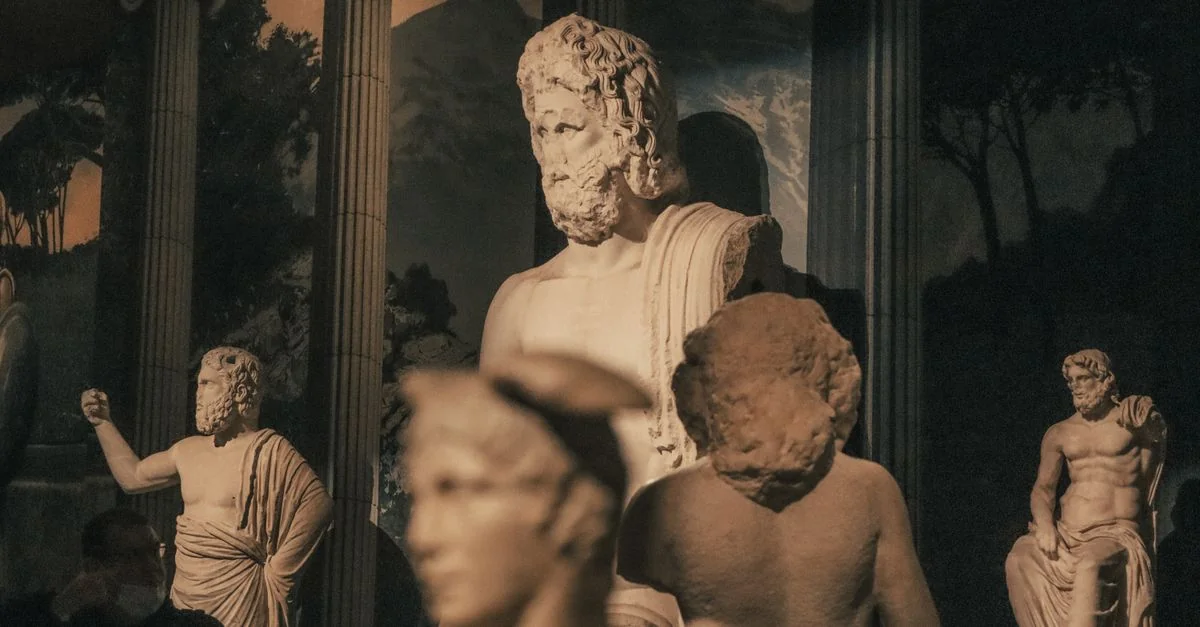
The bull-leaping fresco in the Heraklion Archaeological Museum remains one of the most sophisticated depictions of human movement in the ancient world. Standing before the plaster relief, you notice the rhythmic tension in the acrobat’s muscles, a detail that feels remarkably modern despite its age. Iraklio is not merely a transit point for ferries or a gateway to beaches; it is a dense layering of history where Venetian fortifications collide with the rigid, colorful geometry of the Bronze Age. Walking the city walls, you can trace the path of engineers who sought to protect this port from Ottoman advancement, while a short drive away, the ruins of Knossos reveal a civilization that prioritized light, ventilation, and intricate drainage systems long before the common era. Why Iraklio Is ideal for Art and History Lovers # Art in Iraklio is defined by its tactile nature. You do not just view the history here; you walk over it. The city serves as the primary repository for the Minoan civilization, which remains one of the most enigmatic chapters in Mediterranean history. The architecture of the city reflects a transition from the heavy, defensive stone of the Venetian period to the more open, eclectic styles that followed.
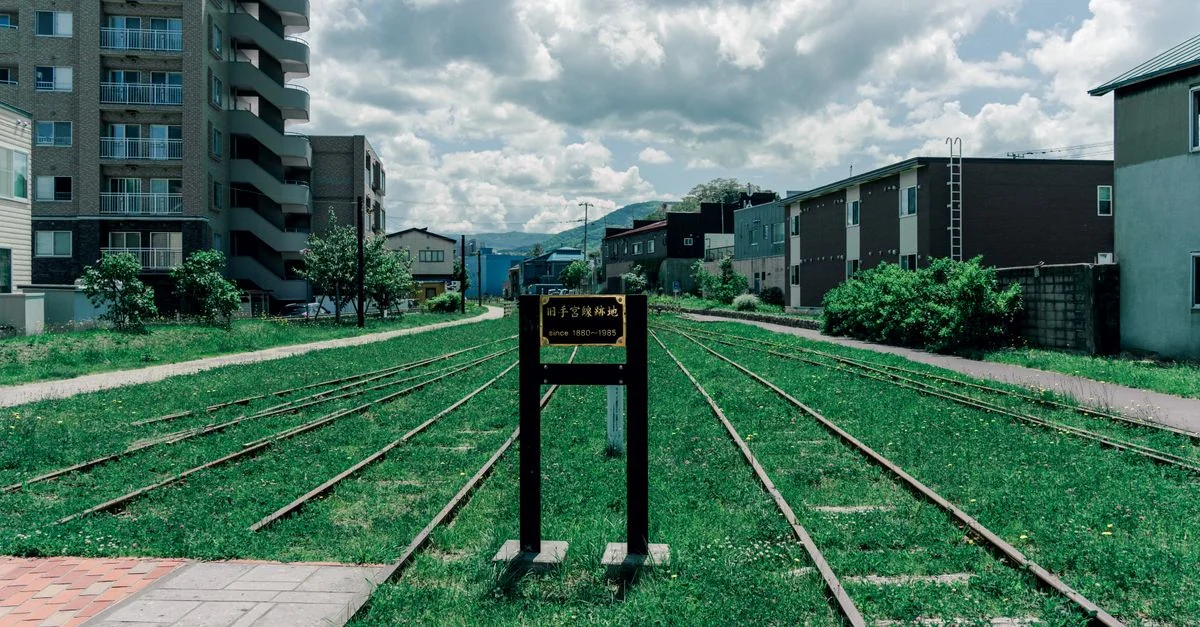
The glass facade of the Hokkaido Museum of Modern Art catches the low, slanting light of a Sapporo afternoon, reflecting the snow-dusted peaks of the surrounding hills. Inside, the air is still, carrying the faint scent of polished wood and old paper. This is not a place of loud proclamations or overwhelming grandeur. It is a space for contemplation, where the art speaks softly, asking you to lean in and listen. Hokkaido, the northernmost major island of Japan, is often celebrated for its powder snow, its hot springs, and its rugged wilderness. Yet, beneath the layer of ice and the roar of the wind, there is a quiet cultural pulse that thrives in its galleries and museums. For the traveler who seeks more than just scenic vistas, Hokkaido offers a refined, understated artistic experience that rewards patience and observation. Why Hokkaido Is ideal for Art and History Lovers # Hokkaido’s artistic identity is distinct from the historic temples of Kyoto or the neon-lit galleries of Tokyo. Here, the art is deeply connected to the landscape. The vastness of the island, its seasonal extremes, and its indigenous Ainu heritage create a unique context for creative expression. When you walk through the halls of a Hokkaido museum, you are not just viewing objects; you are engaging with a narrative that is tied to the earth, the sea, and the sky. The modern art scene here is particularly compelling because it often grapples with themes of isolation, resilience, and the sublime beauty of nature.
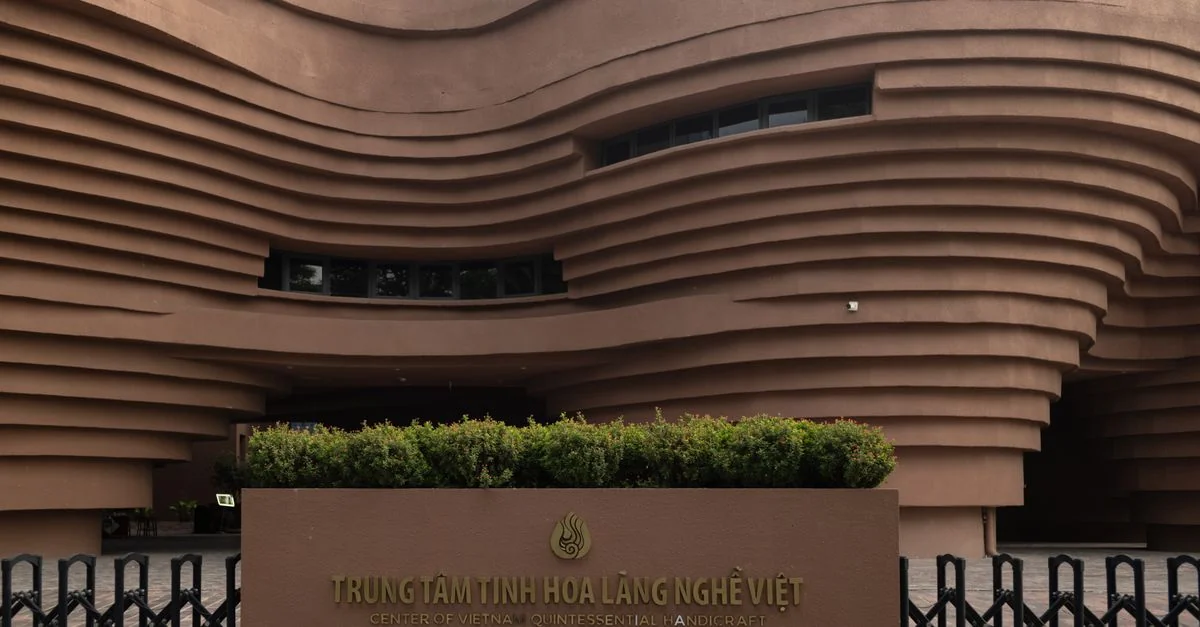
When I stand before the rust-red walls and towering roof tiles of the Temple of Literature, tracing the stone stele carved with the names of 15th-century scholars, I realize that Hanoi’s artistic heartbeat does not live strictly behind glass cabinets. It exists in the acrid, sweet scent of drying incense sticks and the precise geometry of palm leaves woven into conical hats. As a traveler who judges a destination by its tactile relationship with history, I find that Hanoi demands a slower, more deliberate pace. Why Hanoi Is ideal for Art and History Lovers # Hanoi operates on a sensory frequency that rewards observation. When you walk through the Old Quarter, the architectural layers tell a story of dynastic rule, French colonial planning, and modern Vietnamese resilience. The French colonial villas peeling in ochre paint sit alongside ancient Buddhist pagodas, creating a visual contrast that informs every local craft and artistic medium.