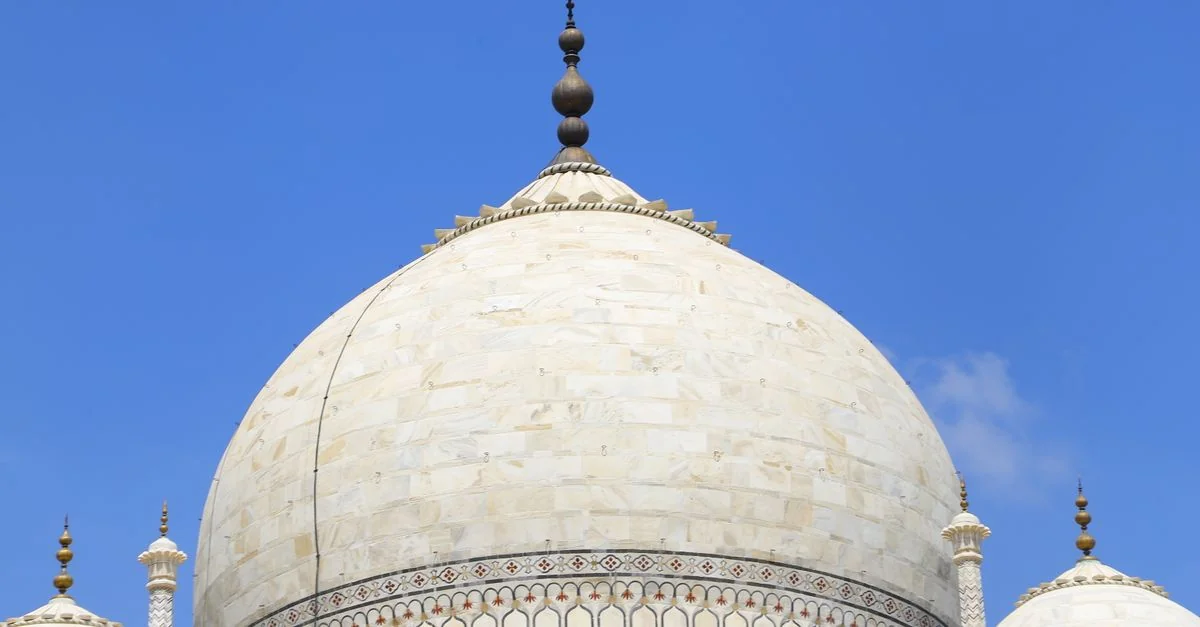
The first thing that catches your eye in the Inglewood district of Calgary is not a grand marble statue or a gilded frame, but a massive, hand-painted mural of a wolf howling at a moon that seems to pulse with neon blue paint against the brick wall of a former warehouse. It is a stark contrast to the polished galleries you might expect in a major Canadian city. Here, the art is not behind glass; it is on the street, weathered by the prairie wind and exposed to the curious gaze of anyone willing to look up from their phone. This specific intersection of urban decay and creative expression defines the cultural landscape of Alberta , particularly in its largest city, Calgary. While the province is famous for its oil fields and vast open spaces, its urban centers harbor a gritty, authentic artistic scene that rewards those who know where to look. Why Alberta Is ideal for Art and History Lovers # When people think of Alberta, they often picture the Rocky Mountains or the badlands. They rarely think of street art. This oversight is a mistake. The cultural identity of Calgary, and by extension the urban experience of Alberta, is deeply tied to its industrial past and its rapid, sometimes chaotic, growth. The art here reflects that energy. It is direct, bold, and often humorous. It is not trying to be a museum piece; it is trying to be part of the city’s skin.
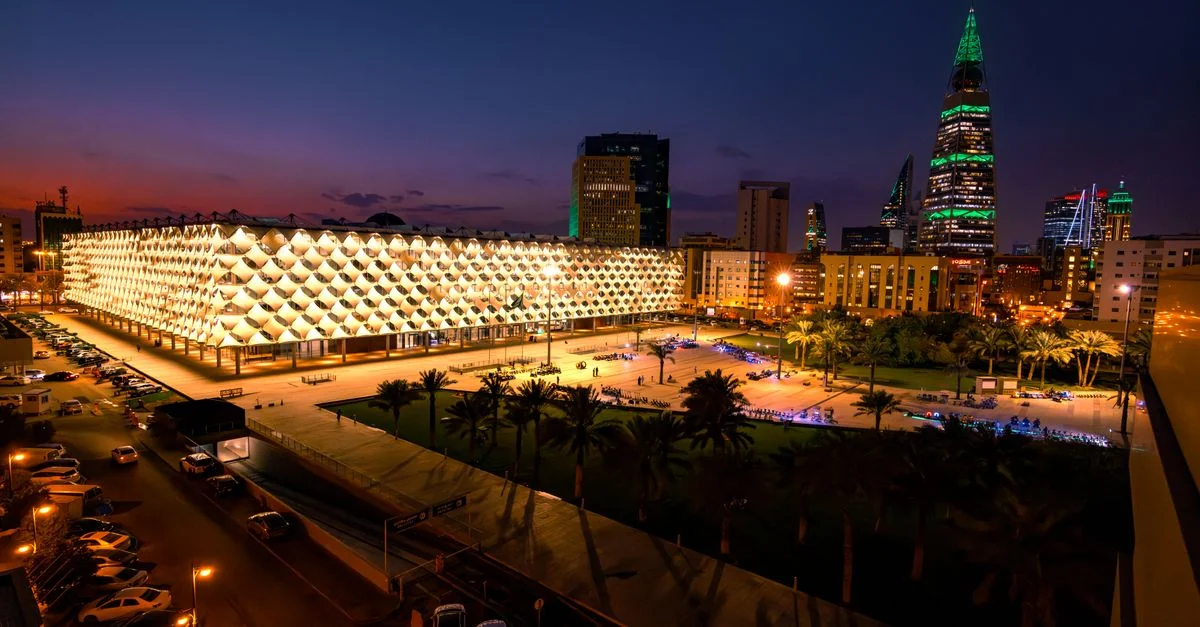
Al Ula , Saudi Arabia , is a great destination of ancient art and history, offering a unique blend of archaeological wonders and cultural experiences. The city’s stunning rock-cut architecture and ancient tombs, such as the Hejazi Tombs and the Al Ula Archaeological Museum, provide a glimpse into the region’s rich past. As a culture and art travel blogger, I’m thrilled to share my experiences and insights on what makes Al Ula worth visiting destination for art and history lovers. Why Al Ula Is ideal for Art and History Lovers # Al Ula’s most iconic landmark is the Hejazi Tombs, a collection of ancient rock-cut tombs dating back to the Nabatean civilization. The tombs are a testament to the skill and craftsmanship of the ancient Hejazis, who carved their graves into the mountainside. The most famous tomb in the complex is the Tomb of King Ghayath, which features intricate carvings and a stunning courtyard. To fully appreciate the tombs, consider visiting during the cooler months, from November to February, when the weather is more pleasant.
The ancient city of Hierapolis, now a UNESCO World Heritage Site, stands as a testament to the long history of Aksu . The city’s well-preserved ruins, including the Great Bath , the Temple of Apollo, and the Basilica, offer a glimpse into the past and are worth visiting for any history lover. Why Aksu Is ideal for Art and History Lovers # Aksu is a city that seamlessly blends art and history, making it a perfect destination for culture enthusiasts. The city’s art scene is lively, with numerous galleries and studios showcasing the works of local artists. The Aksu Art Gallery, for instance, is a great for contemporary art lovers, featuring works by both local and international artists. The gallery’s modern and minimalist design complements the art on display, creating a serene and contemplative atmosphere.
The moment you step into the Agra Fort, the intricate carvings on the walls seem to whisper tales of a bygone era. The red sandstone facade, adorned with delicate floral motifs and geometric patterns, is a testament to the architectural prowess of the Mughal rulers. As you walk through the fort, the echoes of history linger, making you feel like you’re not just a visitor, but a witness to a living museum. Agra Division , a region in northern India , is a great destination for art and history enthusiasts. The division is home to some of the most iconic landmarks in the world, including the Taj Mahal, Agra Fort, and Fatehpur Sikri. These sites are not just architectural marvels but also repositories of deep history, offering a glimpse into the opulent lifestyle of the Mughal emperors.

Standing before the whitewashed, cubic geometry of traditional Cycladic architecture in Agios Stefanos, I immediately notice how the blinding white walls frame the deep blue of the Aegean Sea. This coastal settlement, situated just north of the main harbor in Mykonos , carries centuries of maritime and archaeological significance in its sun-bleached stones. While many travelers pass through this suburb merely for its sandy beach, my cultural explorations here reveal an intimate connection to the broader historical narratives of the Cyclades . The interplay between austere island architecture and the nearby archaeological weight of Delos makes this region a compelling stop for any traveler interested in the ancient Mediterranean world. Why Agios Stefanos Is ideal for Art and History Lovers # When I analyze the cultural fabric of Agios Stefanos, I look past the contemporary beach umbrellas to trace the footsteps of ancient sailors and ritual celebrants. This northern coast served as a strategic maritime vantage point in antiquity, acting as a gateway to the sacred island of Delos, located just a short boat ride across the strait. The localized art of this region is defined by utility meeting austere beauty—from the dry-stone terrace walls, known as xerolithies, which sculpt the arid hillsides into agricultural works of art, to the small blue-domed chapels that punctuate the landscape.
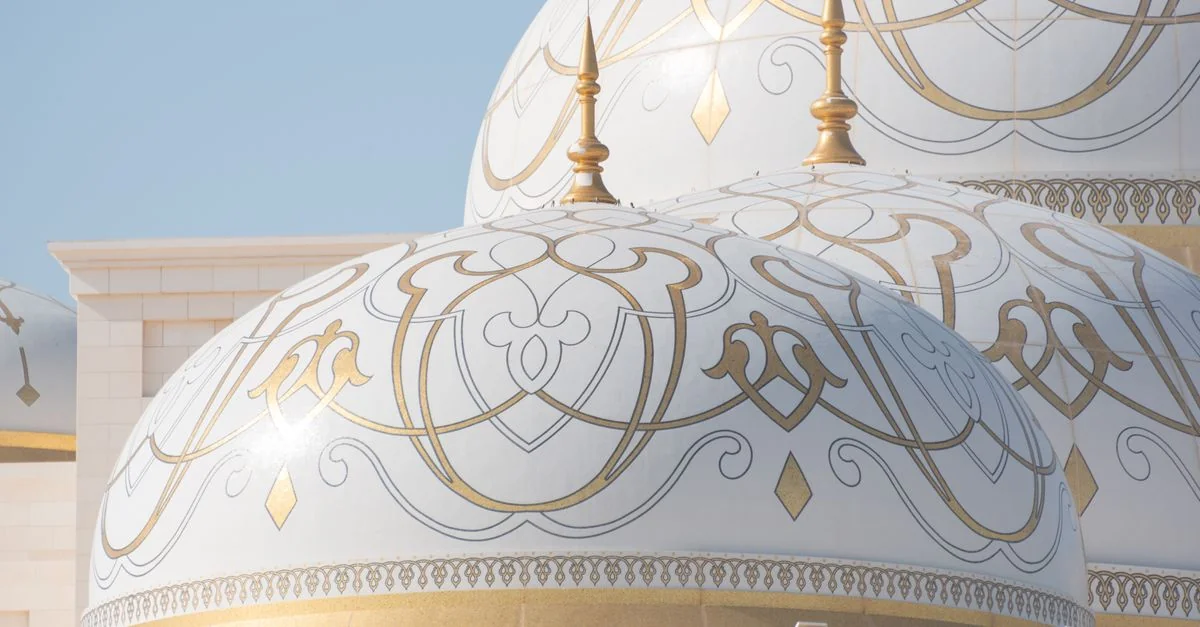
When the light hits the silver-layered dome of Jean Nouvel’s architecture at the edge of Saadiyat Island, filtering downward in geometric patterns that mimic date palm fronds, you realize Abu Dhabi approaches design on a monumental scale. Standing beneath that web of interlocking metal is the moment I knew this emirate operates beyond standard definitions of a desert metropolis. It functions as a serious junction for international art, architecture, and historical narrative. If you are tracking the migration of ideas through the Gulf, this city deserves a deliberate, unhurried pace. Why Abu Dhabi Is ideal for Art and History Lovers # The cultural footprint of Abu Dhabi moves outward from its coastline, bridging ancient regional trade routes with contemporary curation. Beyond the headline-grabbing galleries, the emirate values scale and visual impact. You see this in the palatial halls of governmental governance and the dedicated preservation spaces across the landscape. Art and architecture here do not merely decorate public squares; they define them.

When you stand before the colossal columns of Karnak Temple, tracing the hieroglyphs carved deeply into sandstone by ancient Egyptian scribes, you understand why travelers have made the overland journey from the Red Sea coast for centuries. My own journey into this landscape of monuments began not with a modern amenity, but with the sheer scale of the Hypostyle Hall, where 135 stone pillars tower overhead like petrified papyrus stalks. سفاجا serves as the primary maritime gateway for travelers looking to bridge the gap between Red Sea shores and the monumental architecture of ancient Thebes. Why سفاجا Is ideal for Art and History Lovers # While the coastal town itself functions primarily as a commercial and port hub, its geographical position makes it the ideal launchpad for exploring the monumental open-air galleries of Luxor . The artistic achievements of the New Kingdom Pharaohs are concentrated just a few hours inland, along the banks of the Nile. On the East Bank, the temples of Luxor and Karnak showcase monumental sculpture, towering obelisks, and miles of relief carvings that document military campaigns, religious rituals, and dynastic propaganda. Crossing the river to the West Bank reveals a starkly different artistic medium: the subterranean painted tombs of the Valley of the Kings. Here, the walls of royal sepulchers retain their brilliant pigments of ochre, Egyptian blue, and carbon black, illustrating the perilous journey of the soul through the underworld. These sites represent the pinnacle of ancient Egyptian aesthetic expression, where architecture, painting, and relief sculpture merge into a unified cosmological vision.
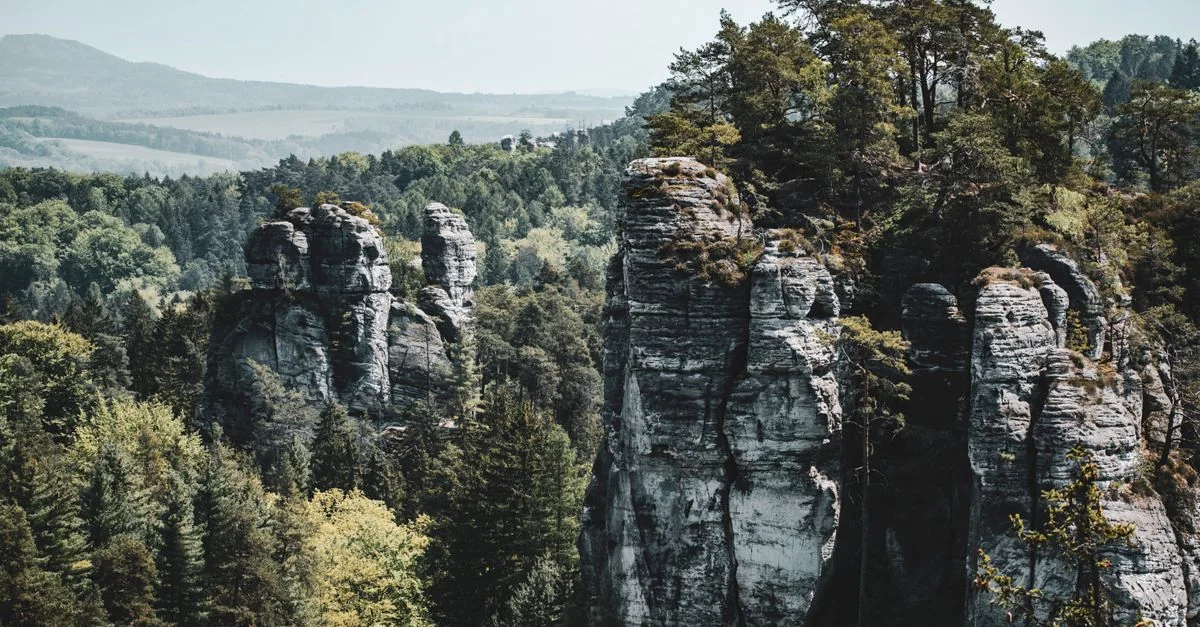
Standing before the sgraffito-adorned walls of the Renaissance houses along Latrán street, tracing the intricate geometric patterns etched into the plaster in the sixteenth century, you realize this South Bohemian town operates as a living museum. When I first stepped onto the cobblestones beneath the shadow of the massive stone bridge linking the castle tiers, the Gothic and Baroque architecture felt less like a static postcard and more like an open-air gallery. I have spent years wandering European cultural capitals, but the density of artistic history preserved inside these horseshoe-shaped meanders of the Vltava River demands a slower, more deliberate kind of observation. Why Český Krumlov Is ideal for Art and History Lovers # The physical layout of the historic core tells a story of noble patronage, specifically under the Lords of Rosenberg and later the Schwarzenberg family, who shaped the town’s visual identity over centuries. Every alleyway reveals architectural shifts, transitioning from medieval fortifications to ornate Renaissance facades, culminating in the theatrical splendor of the castle’s Baroque theater. Walking past the former Jesuit seminary or peering up at the Saint Vitus Church, you confront layers of European art history built directly into the stone.
Standing on the Grossmünster bridge in Zurich , I always trace my eyes up to the right-hand tower where Charlemagne’s weathered statue sits frozen in stone, holding a sword that has witnessed the city transform from a Roman customs post into a modern banking powerhouse. This juxtaposition of ancient stone and contemporary finance defines Zurich’s cultural footprint. Beneath the impeccably swept sidewalks and the sleek trams gliding alongside the Limmat River lies a dense strata of European art history, quiet museum courtyards, and centuries of artisan craft. As someone who tracks the heartbeat of cities through their galleries and archaeological layers, I approach Zurich not merely as a scenic Alpine transit point, but as a deliberate destination for serious culture seekers.
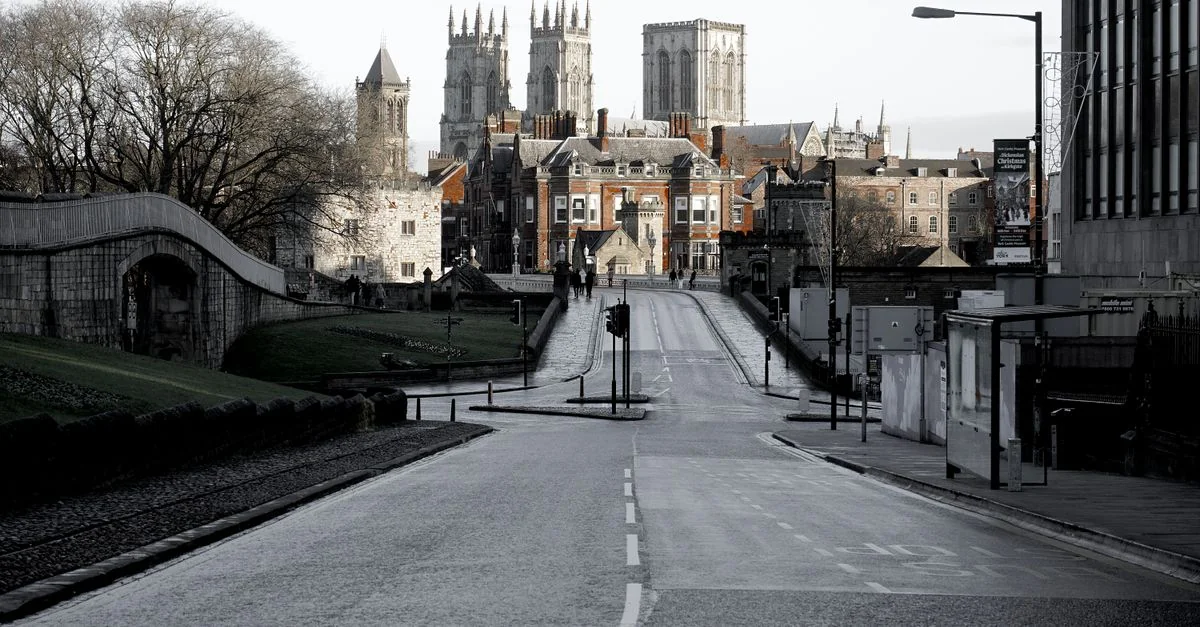
Standing beneath the soaring 15th-century Great East Window of York Minster, the largest expanse of medieval stained glass in England, I found myself tracing the lead lines of John Thornton’s masterwork. Every panel tells a story of apocalypse and creation, cast in deep ambers, cobalts, and rubies that have shifted with the Yorkshire light since 1408. This city is not merely a medieval relic; it is a living canvas where stone, glass, and centuries of craftsmanship intersect at every turn. Why York Is ideal for Art and History Lovers # Walking along the intact stone fortifications that encircle the city center offers an immediate sense of scale. The medieval walls, originally built by the Romans, provide an elevated vantage point over timber-framed gables and hidden courtyards. Descending into the winding lanes, particularly the ancient street of The Shambles with its overhanging second stories, you are treading through a medieval commercial district that once housed dozens of butchers. The architecture shifts seamlessly from Roman foundations to Gothic spires, making the entire urban landscape an open-air museum for anyone interested in architectural evolution.