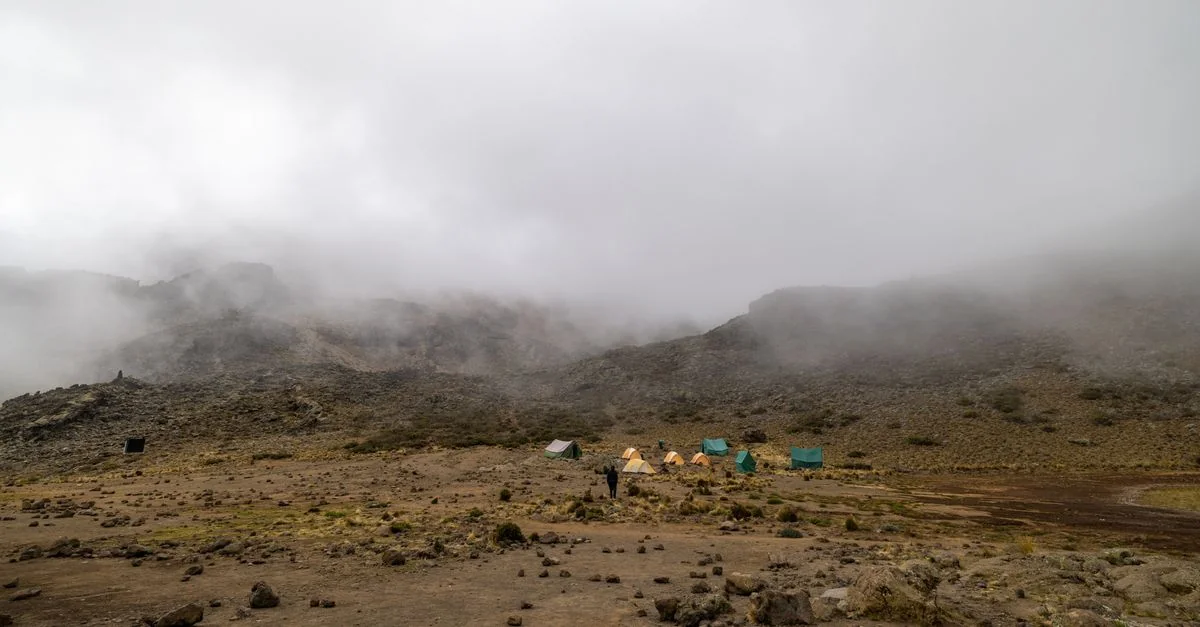
The limestone formations of the Amboni Caves, with their jagged, cathedral-like ceilings and echoing chambers, provide a stark reminder of the geological history that shapes Tanga. Standing inside these caverns, one feels the weight of centuries, a silence that speaks louder than any plaque or guidebook. Tanga is not a city that shouts its history; it whispers it through the karst landscapes and the quiet, winding paths of the Usambara Mountains. For those of us who prefer our travel grounded in the physical remnants of the past and the tactile nature of local craft, this coastal city offers a grounded, authentic experience. Why Tanga Is ideal for Art and History Lovers # Tanga serves as a gateway to understanding the intersection of coastal Swahili culture and the deep, rugged interior of Tanzania . The appeal here lies in the contrast between the subterranean art of the caves and the ancient, forested highlands that have sheltered communities for generations. When you walk through the Magoroto Forest Estate, you are not just looking at trees; you are engaging with an environment that has been shaped by agricultural history and colonial-era industry. Similarly, the Usambara Mountains offer a look into the lives of the Shambaa people, whose history is etched into the very slopes of the peaks.
Standing before the weathered limestone blocks of ancient Maya walls, I always feel a profound connection to the engineers and artists who shaped the Yucatán Peninsula centuries ago. While many travelers rush past the coast toward mega-resorts, spending time in Puerto Morelos reveals a thoughtful gateway to regional history, marine culinary traditions, and monumental archeology. Why Puerto Morelos Is ideal for Art and History Lovers # Puerto Morelos keeps a low-key fishing village atmosphere while placing you within reach of some of the most significant archaeological zones in Mesoamerica. The town itself serves as a quiet counterbalance to the heavy tourist traffic found further south, offering a thoughtful starting point for exploring both marine heritage and ancient stone cities.
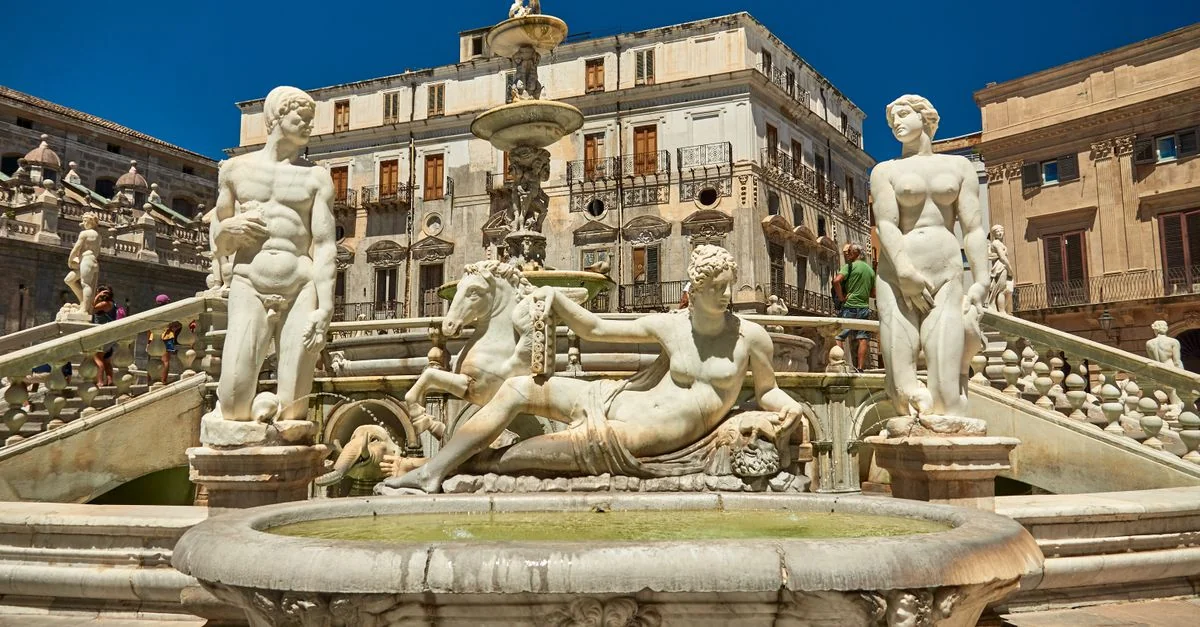
When standing before the glittering twelfth-century gold mosaics inside the Palatine Chapel, where the glowing tiles catch the Mediterranean light through narrow Arab-Norman windows, you immediately sense that Palermo operates on a different historical frequency. I spent weeks walking these limestone streets, tracing the layered eras where Phoenician foundations, Norman kings, Spanish viceroys, and Baroque architects left their physical signatures on every piazza and palazzo. If you appreciate cities that wear their complex histories openly on their facades, this Sicilian capital delivers an extraordinary density of cultural encounters. Why Palermo Is ideal for Art and History Lovers # The city’s visual identity belongs to no single century. Instead, it is an architectural conversation spanning millennia. Walking through the historic quarters, you encounter the monumental Palermo Cathedral, where Gothic spires sit uneasily alongside neoclassical domes and Norman-Arab arches. Inside, the royal tombs hold the remains of Emperor Frederick II, a monarch who shaped the Mediterranean intellectual landscape during the Middle Ages.
Standing beneath the red-and-white double arches of the great hypostyle hall, light filtering softly through the stone lattice work, I felt the profound weight of Islamic architecture in Islamic Spain . This monument, begun in the eighth century under Abd al-Rahman I, set the aesthetic tone for centuries of Andalusian design. When you travel through CO, your days are defined by this kind of architectural grandeur, alongside narrow medieval lanes and sweeping archaeological ruins that document the shifting powers of the Iberian Peninsula. Why CO Is ideal for Art and History Lovers # CO operates as an open-air archive where Roman, Islamic, and medieval Christian influences collide. You see it in the surviving Roman bridge spanning the Guadalquivir River, and you feel it in the maze-like streets of the old town. The city’s cultural gravity centers on its UNESCO-listed monuments and the archaeological remains of palatine cities just beyond the modern limits.
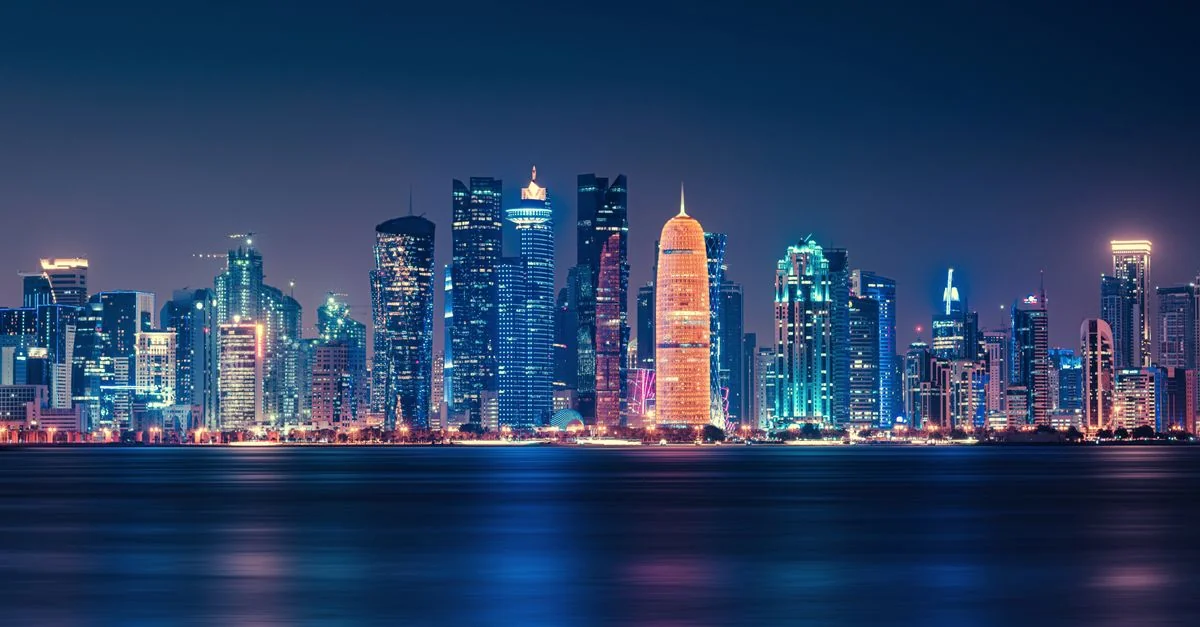
Standing inside the towering, geometric concrete walls of I.M. Pei’s masterpiece on the Corniche, the Qatari sunlight filters through the central atrium, casting sharp shadows over centuries of Islamic manuscripts and ceramics. When I first visited Doha , I expected a city focused entirely on futuristic skyscrapers. Instead, I found a deeply layered landscape where ancient desert forts stand against the Persian Gulf and traditional wooden dhows glide past modern waterfront promenades. As a traveler who tracks culture through architecture, local craft, and archaeology, I spent weeks exploring how the Qatari capital preserves its past while funding boundary-pushing contemporary institutions. Why Doha Is ideal for Art and History Lovers # Doha sits at a fascinating crossroads of ancient maritime trade routes and hyper-modern urban planning. The city’s cultural footprint extends from the coastal archaeological remains of Al Zubarah to the sprawling galleries of Msheireb Downtown. Walking through the older quarters, you notice how urban designers integrate Qatari heritage with contemporary design principles. For anyone interested in how a society builds its cultural identity using both archaeology and modern architecture, this city offers an incredible study in contrasts.
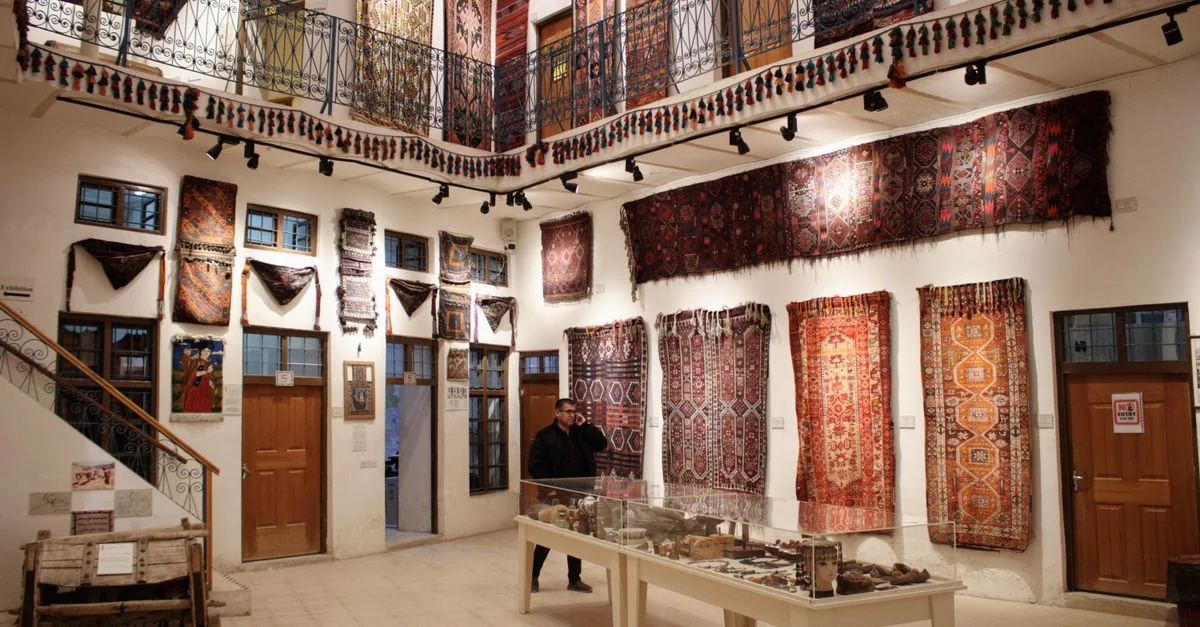
When the afternoon sun hits the lime-washed facades of Popayan’s historic center, the entire city glows with a blinding, uniform brilliance that earned it the nickname Ciudad Blanca. My eyes trace the intricate stone portals and heavy wooden balconies of the 17th-century colonial homes, pondering the labor of the masons who carved these Spanish-Andalusian motifs into the Andean rock. This architecture is not merely decorative; it serves as a physical archive of the colonial administration that governed southwestern Colombia for centuries. Why Popayan Is ideal for Art and History Lovers # Walking through the colonial grid of Popayan feels like moving through an open-air museum of ecclesiastical and civic architecture. The central plaza, Parque Caldas, anchors a historic core defined by whitewashed walls, red-tile roofs, and grand stone churches such as the Cathedral of Our Lady of the Assumption and the Church of San Francisco . These structures house significant collections of religious art, featuring wooden sculptures and oil paintings from the Quiteña and Quiteño colonial art schools. The city’s cultural identity is deeply tied to its religious processions during Holy Week, a tradition recognized by UNESCO, which brings sacred colonial artifacts out of the museums and into the public streets.

Standing before the multi-tiered roof of the Royal Palace’s Throne Hall, the golden spires catch the late afternoon sun, reflecting centuries of Khmer architectural ambition. This precise intersection of traditional design and modern resilience is what draws me back to Cambodia ’s capital time and again. Phnom Penh is a city where every street corner reveals a dialogue between ancient temple aesthetics, French colonial influence, and the determined output of contemporary creators. Why Phnom Penh Is ideal for Art and History Lovers # Visitors often rush through the capital on their way to the temple ruins of Siem Reap , but spending time in Phnom Penh reveals the deep backbone of Cambodian identity. The city’s cultural landscape tells a story of survival and artistic rebirth. At the National Museum, housed in a magnificent terracotta structure completed in 1920, I always spend hours examining the world’s finest collection of pre-Angkorian and Angkorian stone sculptures. The bronze standing Vishnu, recovered from the Western Mebon, demonstrates a level of metalcasting mastery that continues to influence local sculptors today. Beyond antiquity, the capital supports a thriving modern art scene, with independent galleries tucked into shophouses along Bassac Lane showing how younger generations process historical trauma through abstract canvas work and installation pieces.
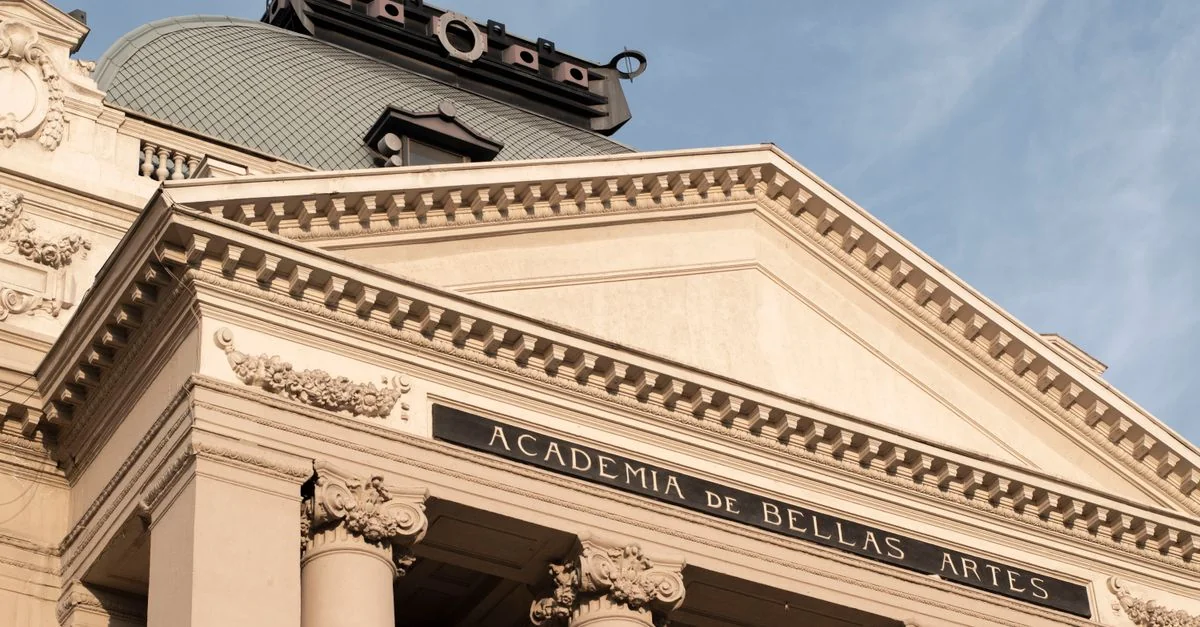
Standing before the jagged silhouette of the Torre Cathedral against the modern skyline of Panamá City, the weight of the 17th century presses into the humid air. This solitary stone tower is all that remains of the original Pacific-side settlement, sacked and burned in 1671. As a traveler obsessed with the tangible threads of history and artistic expression, I found this architectural skeleton to be the ultimate starting point for understanding the soul of Panamá. The interplay between ancient ruins and contemporary urban growth defines the creative energy here. Why Panamá Is ideal for Art and History Lovers # Panamá City operates as a crossroads of human endeavor, bridging continents and oceans through creative legacy. The cultural narrative goes far beyond the famous canal engineering feats. It lives in the weathered stone walls of the old capital and the curated artifacts housed within the site’s museum. When you walk these grounds, you trace the footsteps of indigenous groups, Spanish conquistadors, and the builders who shaped global trade. The artistic merit here rests in structural survival—how colonial masonry adapts to tropical climates and how modern curators preserve these narratives.
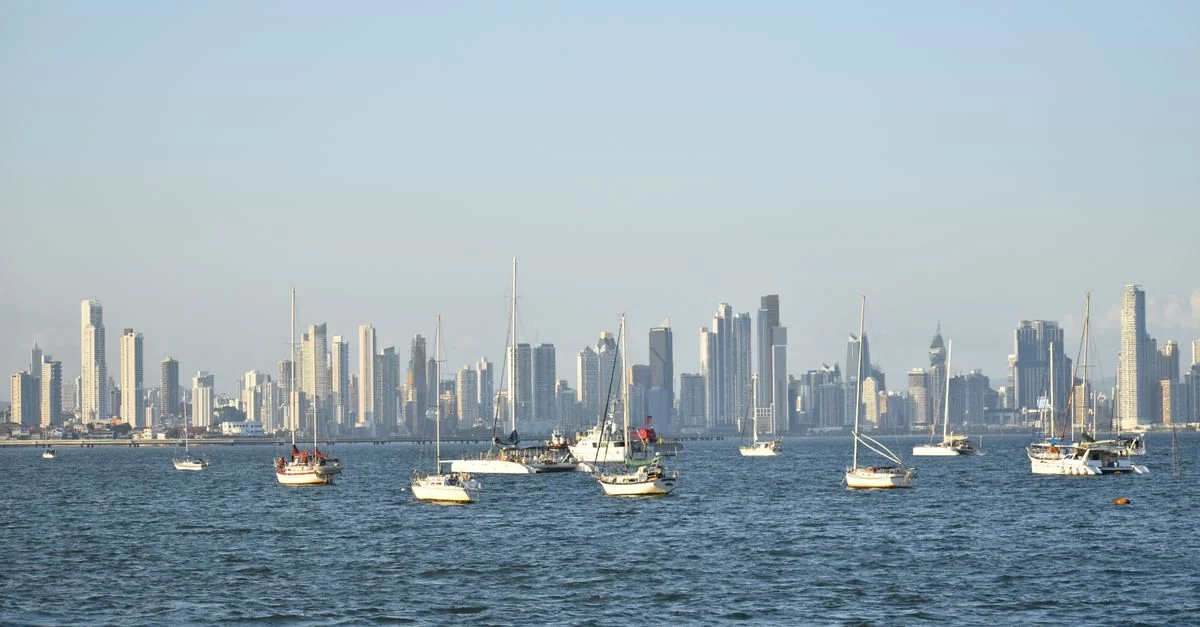
Standing before the altar of the Golden Altar inside the Church of San José in Casco Viejo, I found myself tracing the intricate, baroque carvings of solid mahogany coated in gold leaf. According to local lore, when the privateer Henry Morgan attacked the original Panama settlement in 1671, quick-thinking priests painted this sacred treasure black to disguise its worth. Morgan spared the building, and the altar survived intact. That single survival story encapsulates what draws me to this coastal capital: layers of survival, architectural reinvention, and a deeply layered past waiting to be unpacked by travelers who look closer. Why Panama City Is ideal for Art and History Lovers # Panama City sits at the intersection of continents, oceans, and distinct historical epochs, making it an endlessly fascinating destination for anyone who values architecture and social history. You can wander from the stone ruins of Panamá Viejo—destroyed in the 17th century—to the French colonial facades and wrought-iron balconies of Casco Viejo, all within a short distance. The city’s museums, historic churches, and public plazas tell a complex story of indigenous roots, Spanish colonization, and the monumental engineering feat of the canal.
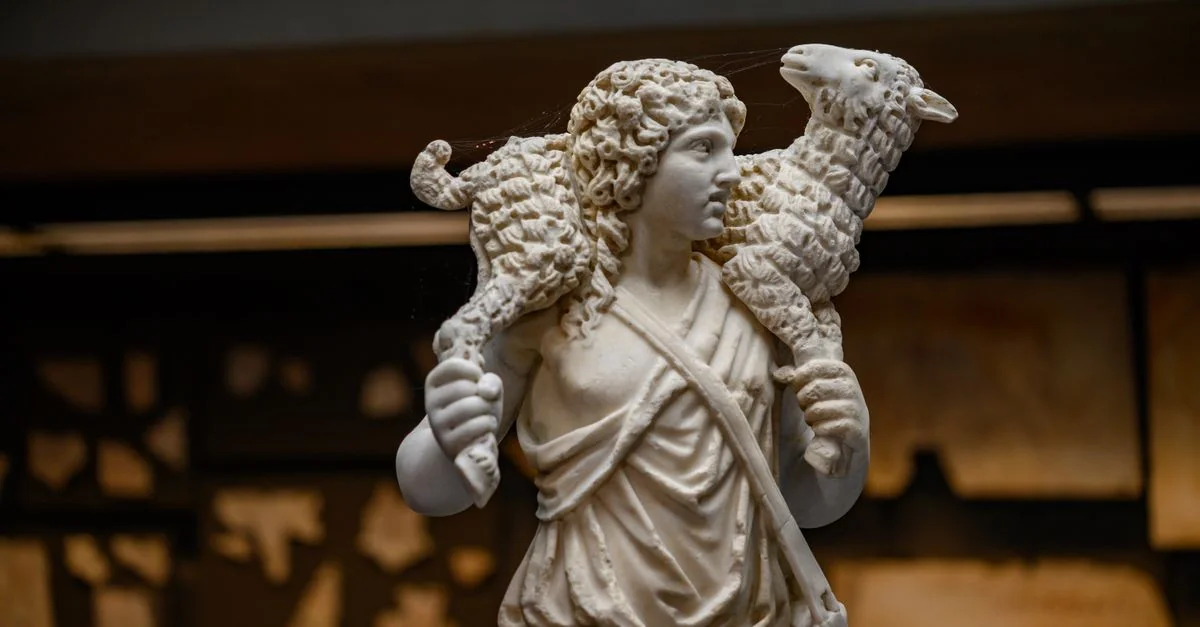
The first thing that strikes you when standing on the northern tip of Santorini is the precise, geometric interplay of the blue domes against the whitewashed limestone. These structures are not merely aesthetic choices; they are functional responses to the island’s volcanic landscape and the need for thermal regulation. Looking closely at the masonry of the older cave houses, or yposkafa, you can see the ingenuity of 19th-century builders who carved dwellings directly into the pumice cliffs. This architectural language defines the visual identity of Oía, turning the entire village into an open-air museum of vernacular design. Why Oía Is ideal for Art and History Lovers # Oía functions as a living archive of Aegean history. While many travelers come for the sunset, the real substance lies in the layers of volcanic ash that have preserved the island’s developmental timeline. The architecture here tells a story of survival and adaptation, where the scarcity of resources led to a minimalist design philosophy that influences modern architects globally. Walking through the narrow, winding paths, you are navigating a space shaped by the 1956 earthquake, which necessitated a careful reconstruction that honored the original Byzantine and Venetian influences. The way the light hits the curved edges of the churches creates a shifting canvas throughout the day, providing a unique study in shadow and form for anyone interested in the intersection of geology and human habitation.