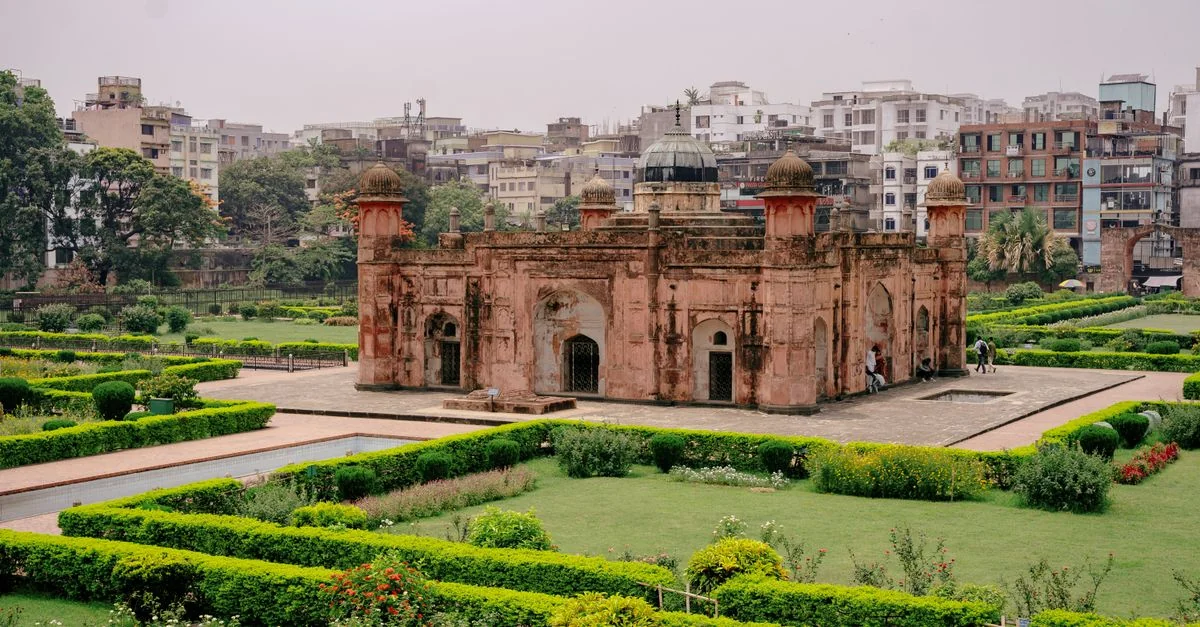
Uncovering the Architectural Legacy of Dhaka City: An Art and History Perspective
The terracotta ornamentation on the walls of the 15th-century mosques in the region serves as a primary record of Bengal’s architectural evolution. Walking through the older districts, one notices how the geometric floral motifs carved into the burnt clay bricks have survived centuries of humidity and monsoon rains. These details are not merely decorative; they are the visual language of a period when local artisans synthesized Islamic structural forms with indigenous craftsmanship. Understanding this transition from brick-based ornamentation to the later Mughal stone-carving traditions provides the necessary context for anyone interested in the physical history of Bangladesh . Why Dhaka City Is ideal for Art and History Lovers # Dhaka City functions as a repository for the administrative and artistic shifts that defined the Bengal Delta. The city’s historical core, particularly the areas adjacent to the Buriganga River, retains the spatial layout of the Mughal provincial capital. For those interested in archaeology, the significance lies in the layers of construction—from the Sultanate period’s modest, thick-walled brick structures to the more expansive, courtyard-centered designs of the 17th century.