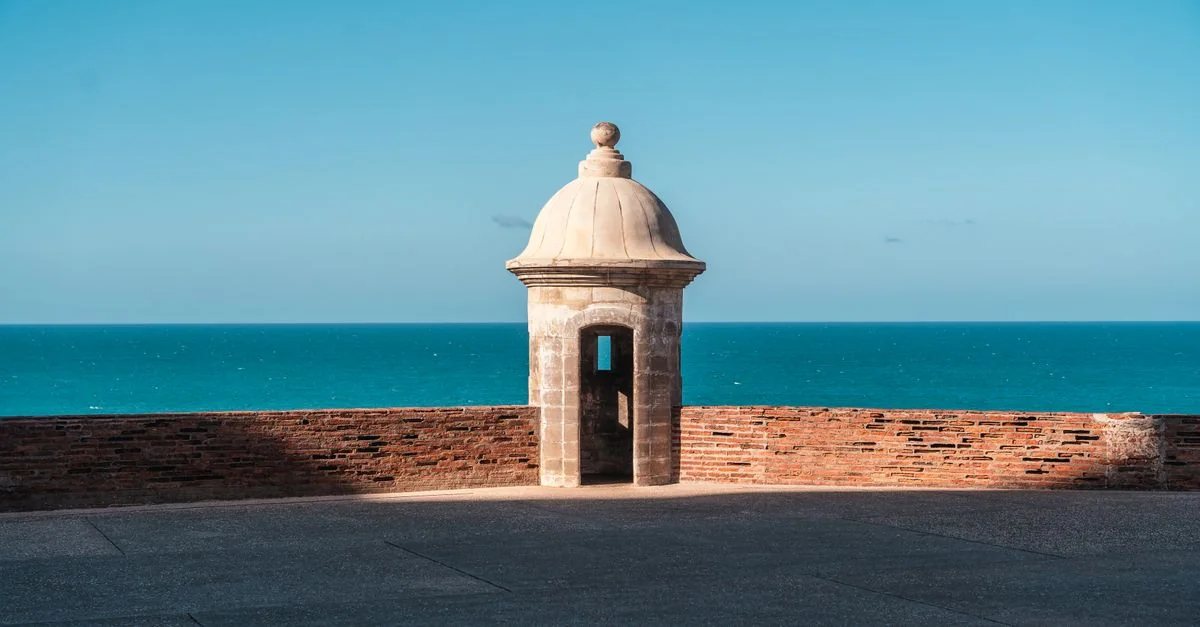
Standing before the massive wooden doors of San Juan ’s historic fortifications, you can trace the faint scars left by centuries of cannon fire and maritime trade. This coastal capital holds stories carved into blue cobblestones, painted across sun-bleached colonial facades, and beaten out on street-corner congas. When you walk these narrow alleys, you are moving through an open-air gallery where Caribbean history intersects with Spanish colonial architecture and contemporary island expression. Why San Juan Is ideal for Art and History Lovers # The visual culture of San Juan reveals itself slowly to travelers willing to step away from the beach resorts and into the historic core. Old San Juan functions as a sprawling museum district where sixteenth-century military engineering sits alongside contemporary murals painted by local collectives. The city’s cultural foundation rests on the blending of Taíno indigenous influences, Spanish institutional traditions, and West African rhythms. This synthesis defines everything from the city’s architectural rhythm to its contemporary galleries.
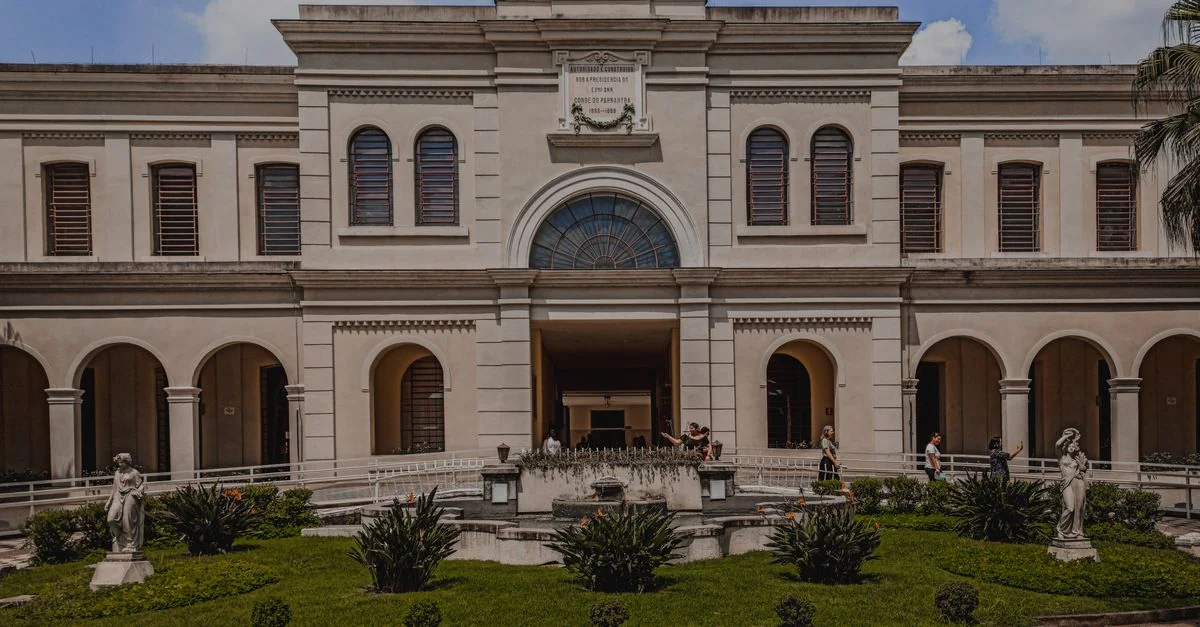
Standing beneath the weathered Georgian architecture of the historic courthouse on Sam Sharpe Square, you can almost hear the echoes of 19th-century abolition debates. When I travel through the Caribbean , I look past the resort brochures to find the physical spaces where local history, contemporary music, and visual expression intersect. Montego Bay carries a distinct creative pulse, shaped by colonial history, Afro-Jamaican resilience, and a thriving nightlife that acts as a modern canvas for regional artists and performers. Why Montego Bay Is ideal for Art and History Lovers # Art in this coastal Jamaican hub lives as much on the walls of neighborhood lounges as it does in formal galleries. The city’s cultural identity is rooted in the transition from sugar plantations to contemporary artistic expression, where music, dance, and visual design merge. Walking through the streets reveals architectural echoes from the British colonial era standing right alongside modern murals. Galleries and performance spaces reflect the island’s ongoing dialogue with its past.

Standing on the southern tip of Grenada , the sea salt hits my tongue before I even notice the weathered stone remnants of old estate walls near Prickly Bay. This peninsula, known for its sweeping peninsular curves and quiet residential lanes, carries layers of history that extend far beyond its modern reputation for luxury villas and calm swimming waters. While many travelers come here simply to lounge on the sand, my curiosity always pulls me toward the archaeology and heritage embedded in the soil. Why Lance aux Epines Is ideal for Art and History Lovers # When you trace the footsteps of the island’s past, this corner of St. George parish reveals a narrative shaped by indigenous settlement, colonial struggles, and agricultural evolution. The architecture along the coastal paths often incorporates estate foundations dating back centuries, whispering stories of the spice trade that earned Grenada its moniker. Walking these roads feels less like touring a standard museum and more like moving through an open-air archive where every turn brings you closer to the physical roots of the Caribbean .