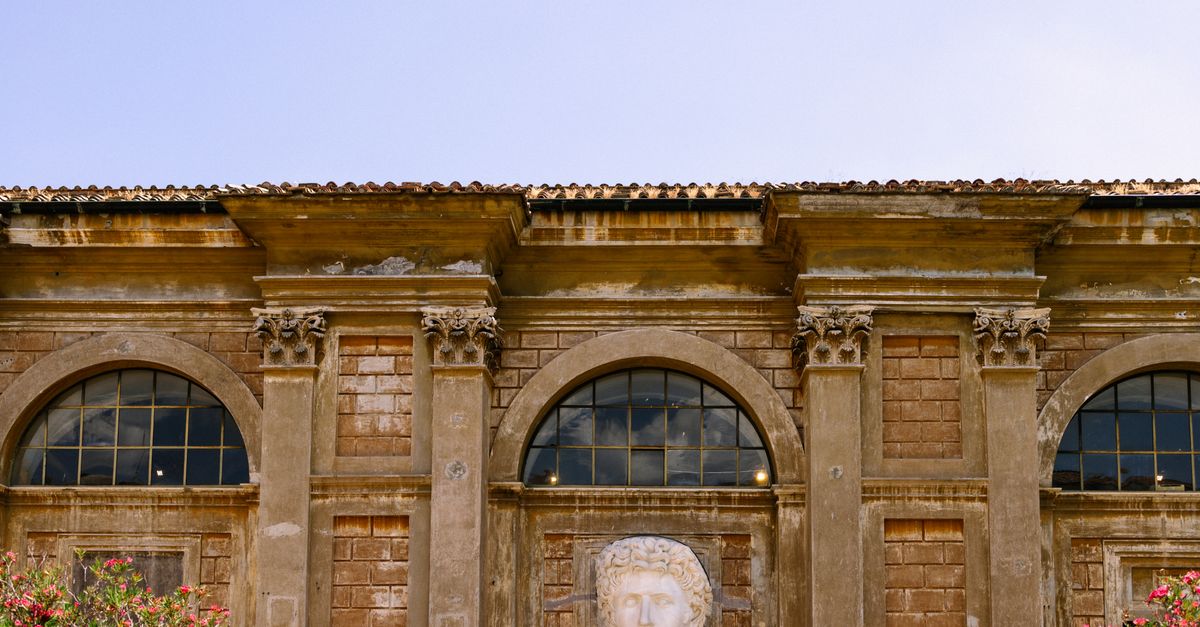
Civitavecchia: Navigating Maritime History and Ancient Art Portals
Standing on the stone ramparts of the Forte Michelangelo, watching the Tyrrhenian waves crash against sixteenth-century brickwork designed with the architectural input of Gian Lorenzo Bernini and Donato Bramante, I often think about how many travelers dismiss Civitavecchia as merely a transit point. They rush past the harbor gates toward Rome , ignoring the maritime layers underneath their feet. As someone who prefers unpacking a city’s historical layers rather than just checking monuments off a list, I find this coastal gateway holds its own distinct weight in Italian art and antiquity. The harbor has served as Rome’s primary maritime outlet since the Emperor Trajan founded Centumcellae in the second century AD, and today, that coastal infrastructure still frames a rewarding itinerary for anyone interested in classical archaeology and defensive architecture.