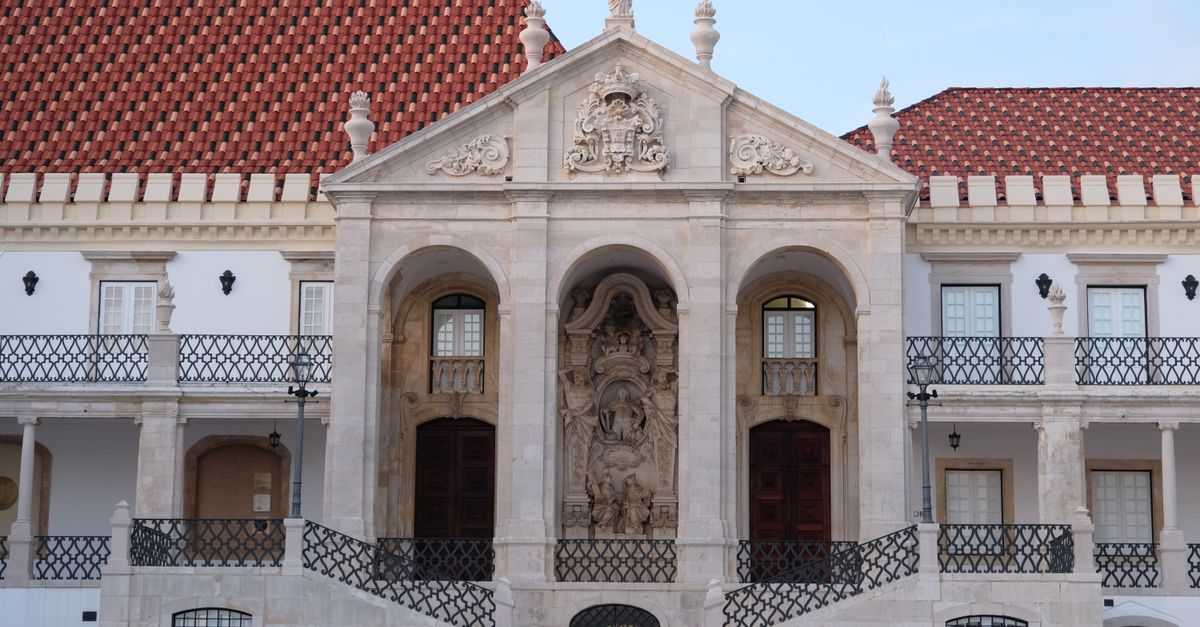
Tracing Medieval Stones: An Art and History Guide to Coimbra
In 1139, Coimbra became the birthplace of the Portuguese nation when Afonso Henriques declared it the capital, a political shift that permanently etched stone monuments, monastic libraries, and narrow medieval alleys into the steep hills rising above the Mondego River. Standing before the Manueline portal of the Santa Cruz Monastery, where the first two kings of Portugal rest in intricately carved limestone tombs, you immediately feel the gravitational pull of a city built on centuries of scholarship and royal ambition. As a traveler who tracks down the physical evidence of past eras, I find that Coimbra rewards slow observation, whether you are analyzing the tiles of ancient palaces or walking the labyrinthine passages of the old Jewish quarter.