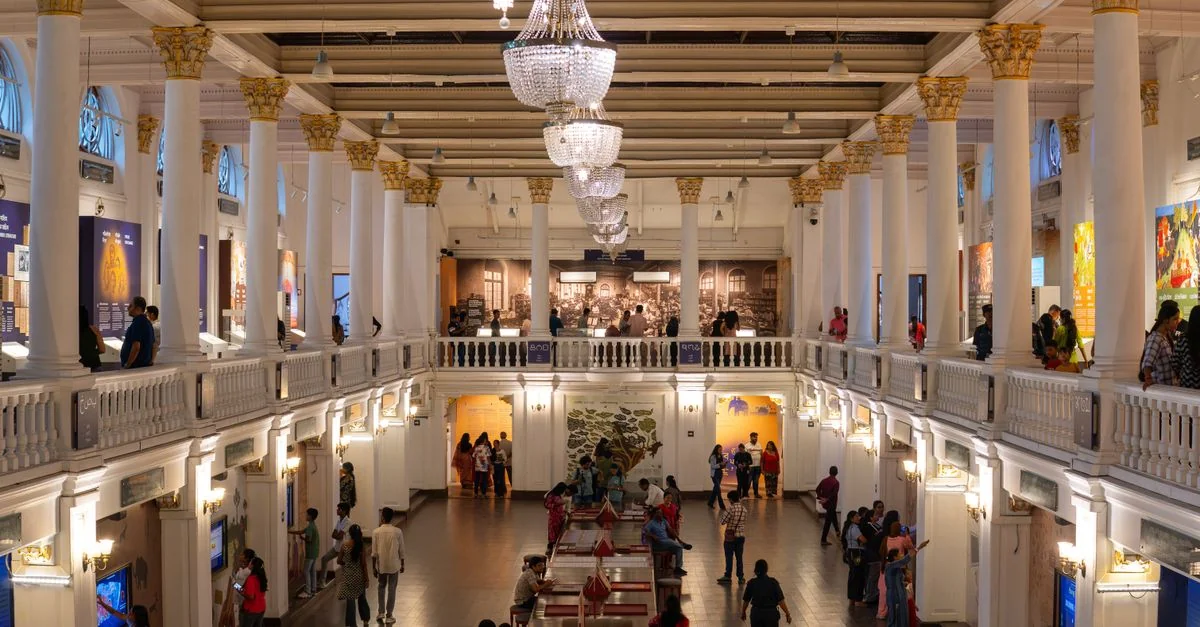
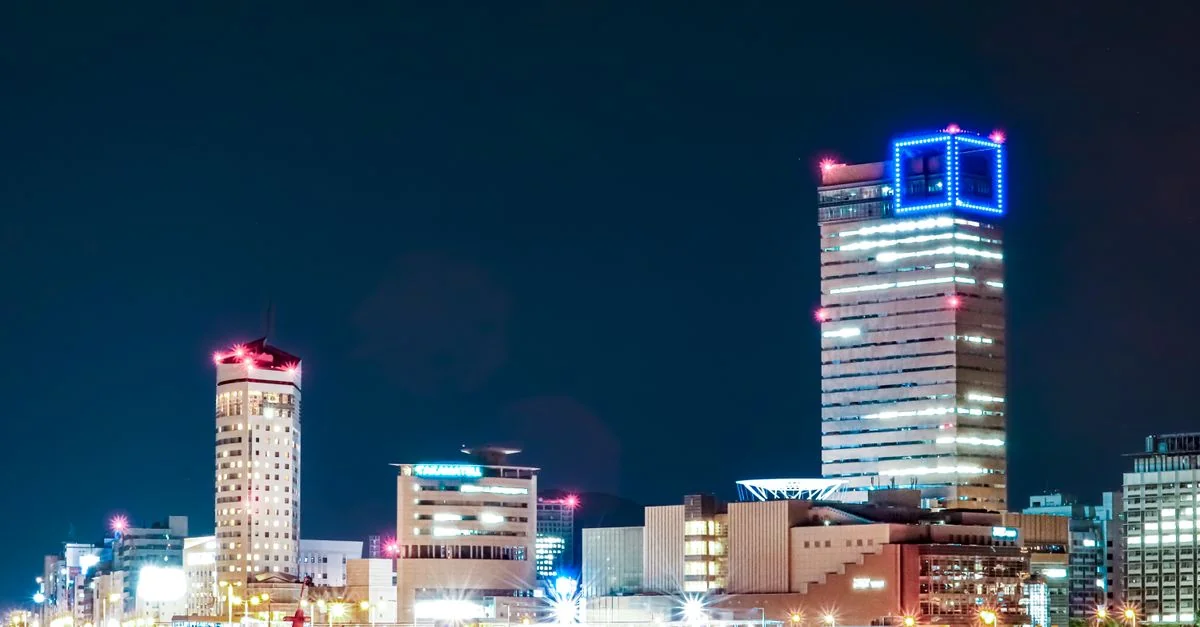
Standing before the weathered clay kilns of central Mumbai , watching artisans shape wet earth into functional vessels with rapid, practiced movements, you immediately sense the deep creative pulse of this coastal region. My journey through the Konkan Division always reminds me that art here lives in the streets, the small studios, and the daily rhythms of local makers rather than just inside sterile white-cube galleries. Why Konkan Division Is ideal for Art and History Lovers # The creative identity of this coastal stretch spans centuries of maritime trade, local craftsmanship, and dense urban evolution. While many travelers rush past the regional nuances to reach the standard monuments, I prefer wandering through the older neighborhoods where traditional trades persist against the backdrop of a modern metropolis.

When I stand before the colonial-era farmhouse that once belonged to Karen Blixen at the foot of the Ngong Hills, I am struck by the physical weight of literary history. The corrugated iron roof and the deep veranda floorboards tell a very specific story about early 20th-century European settlement in East Africa, far removed from the gloss of modern guidebooks. Kenya offers a profound physical engagement with history, conservation, and architecture for travelers who look beyond the standard wildlife safari. Why Kenya Is ideal for Art and History Lovers # Art and history in Kenya are anchored in landscapes that have witnessed profound political and ecological shifts. In Nairobi , historical architecture ranges from Indian-influenced masonry brought by the builders of the Uganda Railway to the sprawling homesteads of early agricultural pioneers. The art scene here channels contemporary African identity through bold gallery spaces, while the architectural preservation sites capture the complex narratives of the colonial era.
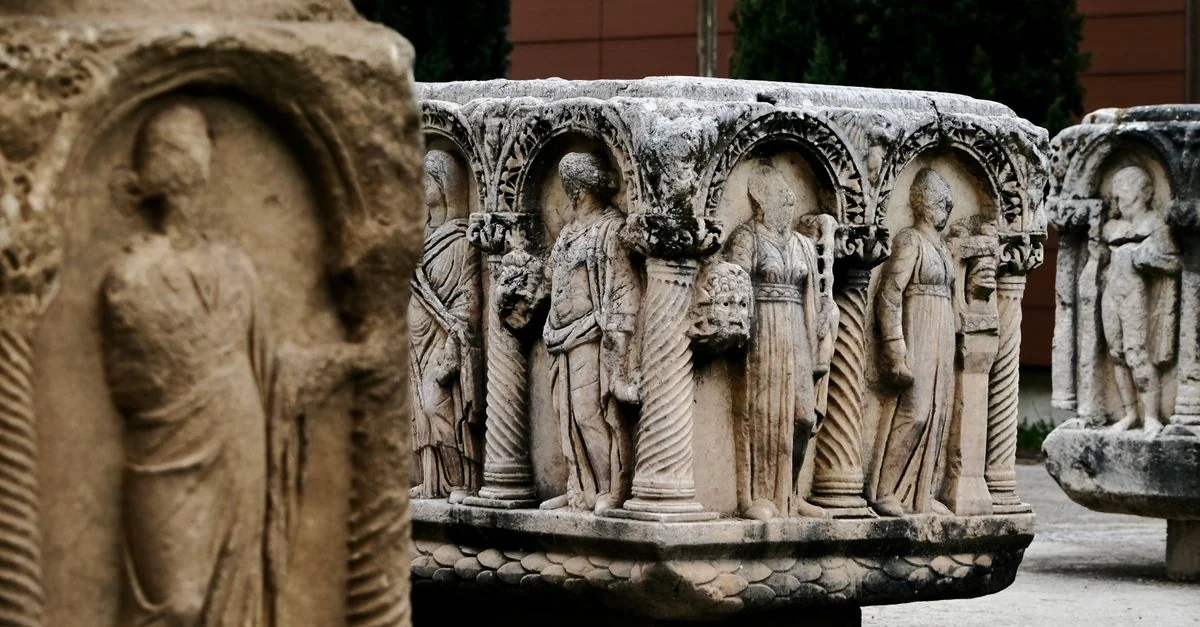
In the 4th century BC, a massive earthquake fractured the earth along the Lycian coast, sliding the ancient harbor town of Simena partially beneath the turquoise waves of the Mediterranean. Today, standing at the water’s edge in Kekova, I trace the outline of stone staircases descending directly into the sea, meeting ancient sarcophagi that jut out from the shallows like stone islands. This ruined landscape sets the tone for any traveler interested in the physical layers of human history etched directly into the Lycian geography. Why Kekova Is ideal for Art and History Lovers # When you walk the ruins of Simena or gaze down through the water at the Sunken City, you are interacting with architecture and sculpture created by civilizations that mastered carving living rock. The necropolis features Lycian sarcophagi—monumental tombs shaped like upturned wooden ships, reflecting the maritime culture of the ancient inhabitants. Unlike cities built of temporary wood, these stone monuments survive as enduring sculptures shaped by master masons using simple iron chisels and geometric precision.
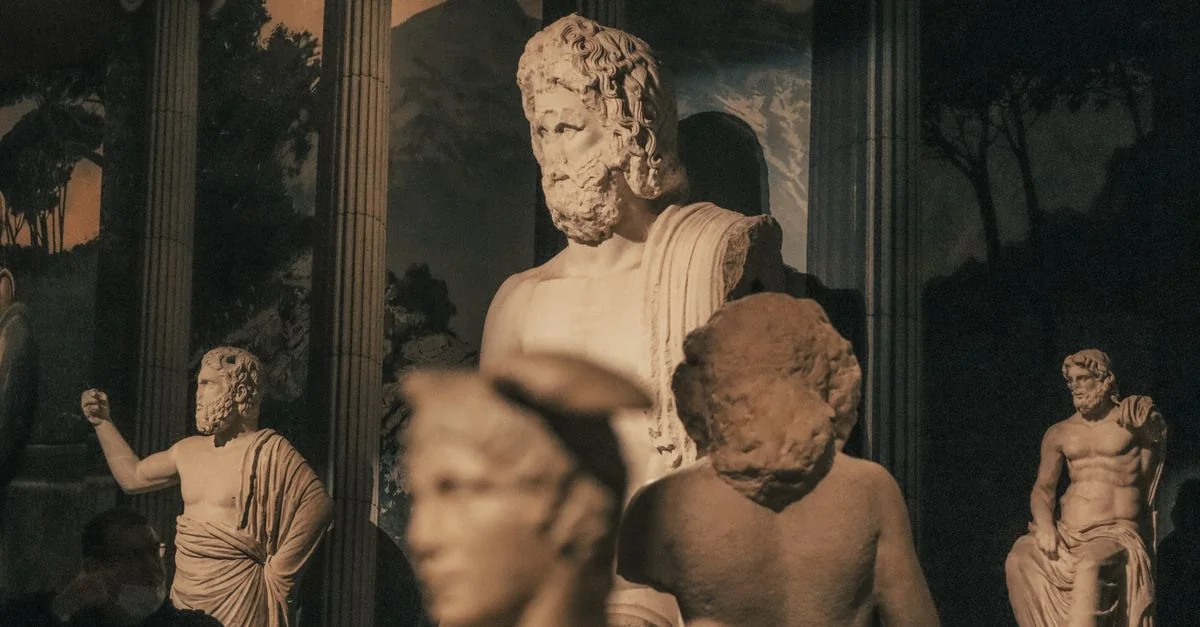
The bronze statue of Hermes by Praxiteles, housed in the museum at Olympia, remains one of the most significant encounters with human craftsmanship I have ever experienced. Seeing the way the marble—or in this case, the Parian marble original—captures the softness of skin and the delicate drape of cloth provides a direct line to the aesthetic values of the fourth century BCE. While Katakolo serves primarily as a seaside port, its true value lies in how it functions as the threshold to these profound artistic achievements. The transition from the salt air of the Ionian coast to the quiet, shaded groves of the Alpheios River valley is a journey through layers of Greek history that shaped Western art. Why Katakolo Is ideal for Art and History Lovers # Katakolo is often viewed merely as a point of arrival, but for those who prioritize historical context, it is the essential starting point for understanding the Peloponnese. The architecture of the port itself reflects a 19th-century mercantile history, but the draw here is the proximity to the sanctuary of Olympia. The site is not just a collection of ruins; it is an open-air museum of architectural evolution, displaying the shift from archaic structural forms to the refined proportions of the Classical period.
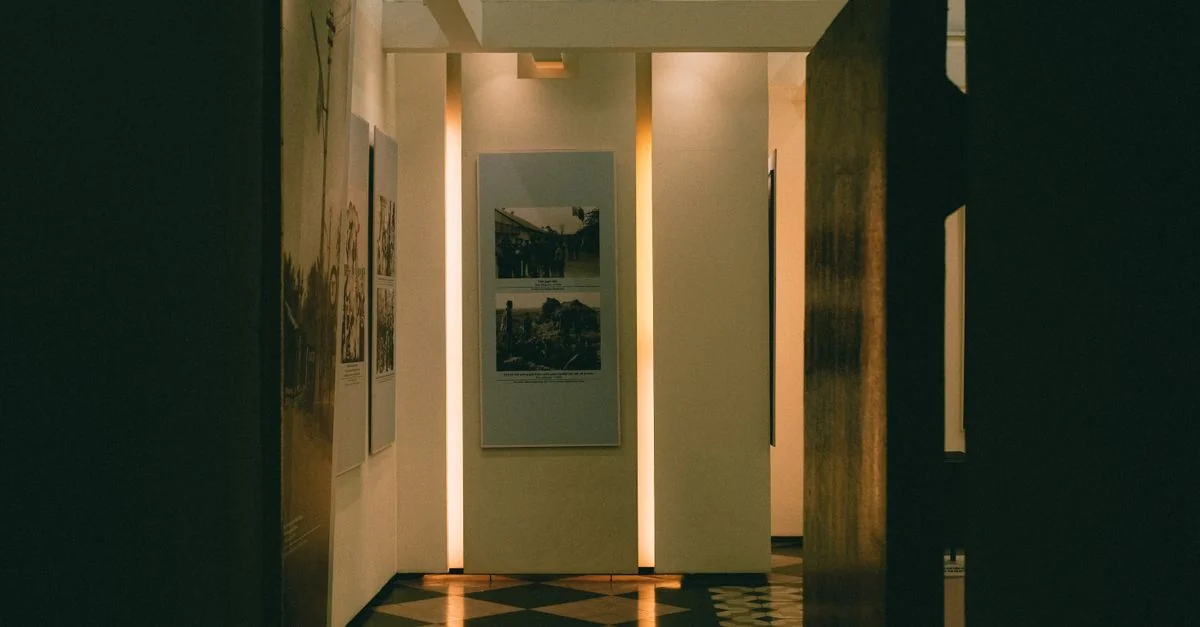
Standing before the carved limestone balustrades of the Mohatta Palace, sunlight catches the pink Jodhpur stone and local yellow stone, revealing architectural patterns that whisper tales of pre-partition Sindh. When I first stepped onto these grounds, the quiet dignity of the galleries immediately set the tone for my exploration of Pakistan ’s largest metropolis. Karachi is a city where colonial-era civic buildings stand shoulder-to-shoulder with modernist concrete structures, and where the layers of regional history run deep beneath the surface of everyday street life. Why Karachi Is ideal for Art and History Lovers # Art and history enthusiasts traveling through Sindh often overlook the sheer density of creative expression found across this coastal urban center. Beyond the private galleries showcasing contemporary Pakistani painters, the city acts as a gateway to ancient civilizations that shaped South Asia . The architectural footprint left by the British Raj—visible in structures like Frere Hall with its ceiling murals by Sadequain—sits alongside institutions dedicated to preserving the material culture of the Indus Valley Civilization.
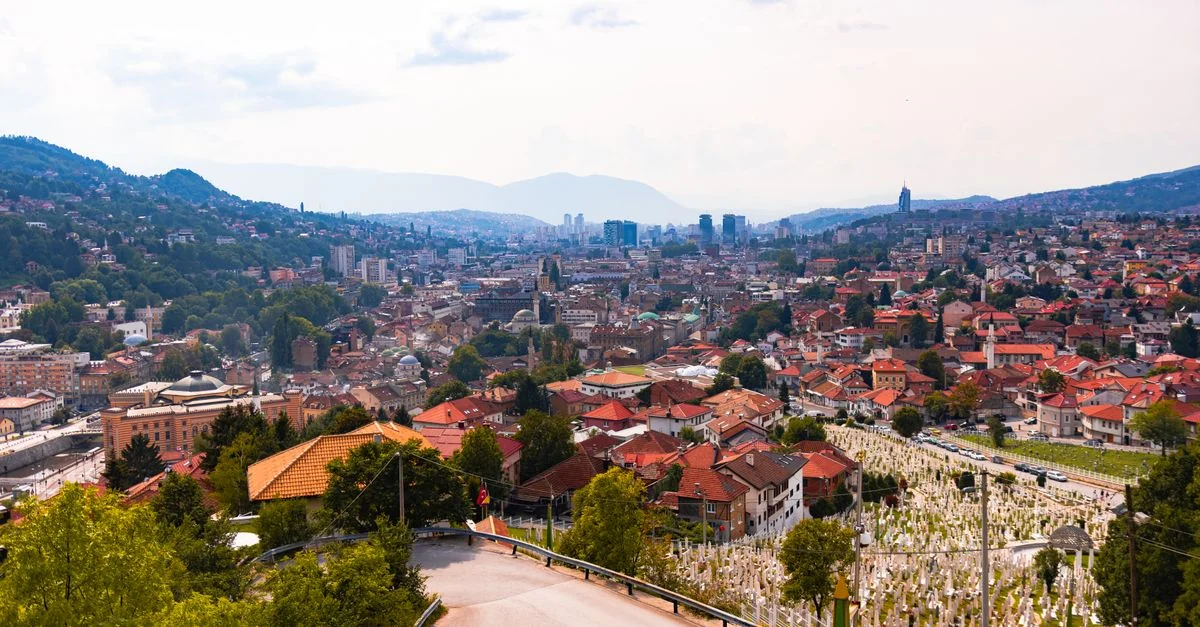
When you stand before the copper-domed Gazi Husrev-beg Mosque, built in 1531 by the Ottoman Empire’s greatest architect, Mimar Sinan’s influence is unmistakable. The way light filters through the calligraphic interior stonework sets the tone for exploring Kanton Sarajevo. This region holds centuries of intersecting empires, religions, and artistic movements, making every street corner a lesson in architectural evolution. Why Kanton Sarajevo Is ideal for Art and History Lovers # The physical landscape of Kanton Sarajevo tells a story written in stone, brick, and mortar. Ottoman hans, Austro-Hungarian administrative buildings, and brutalist socialist structures sit side by side along the Miljacka River. Walking past the Latin Bridge—the exact spot where Archduke Franz Ferdinand was assassinated in 1914, triggering the First World War—brings history textbooks into sharp relief. You can trace the city’s complex past simply by observing the rooflines, where Islamic minarets stand within sight of Catholic bell towers and Orthodox domes.
The sight of Yayoi Kusama’s yellow pumpkin, perched defiantly on a concrete pier against the backdrop of the Seto Inland Sea, remains one of the most iconic images in modern Japanese art. It is not merely a sculpture; it is a statement on how human creativity can alter the perception of a rugged, maritime landscape. Standing there, watching the tide shift against the yellow-and-black polka dots, I realized that Kagawa District functions differently than the mainland. Here, the architecture and the environment are not separate entities; they are collaborators. Why Kagawa District Is ideal for Art and History Lovers # Kagawa District offers a rare opportunity to observe how contemporary art integrates into rural island life. Unlike the dense, vertical museums of Tokyo or Kyoto , the art here requires movement. You walk through narrow village lanes, past traditional wooden houses, and suddenly find yourself inside a subterranean gallery designed by Tadao Ando.
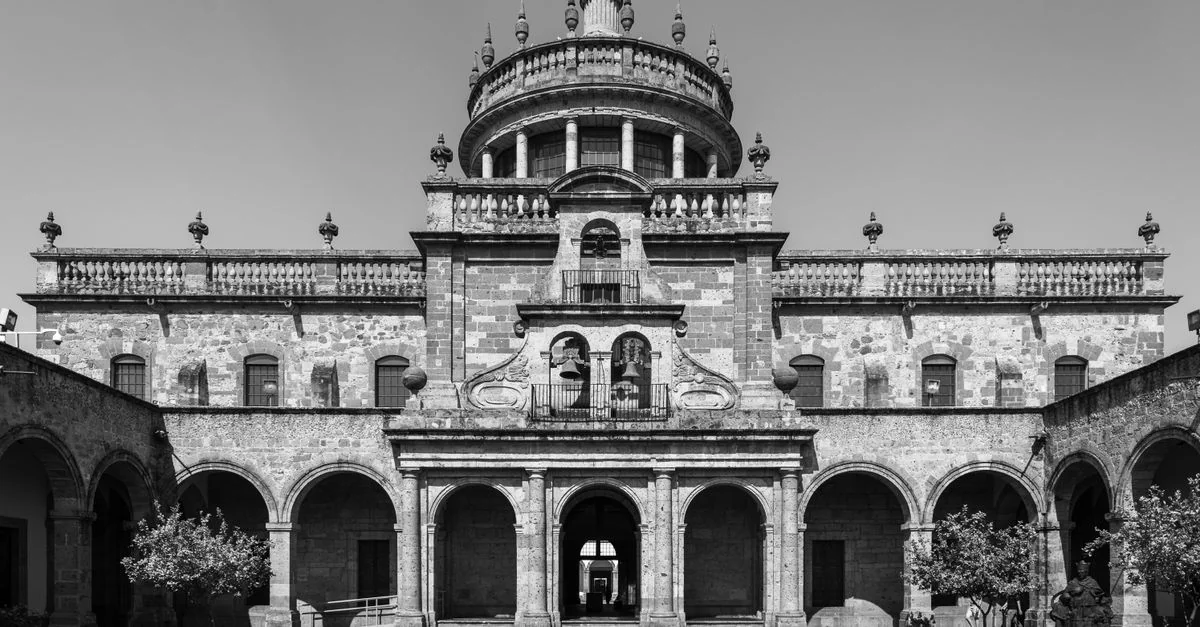
Standing in front of José Clemente Orozco’s monumental mural The Man of Fire inside the dome of Guadalajara ’s Hospicio Cabañas, the human figure appears to leap upward through swirling tongues of flame. This masterpiece, painted between 1938 and 1939, anchors my understanding of Jalisco ’s artistic soul. It represents a region where political history, indigenous heritage, and revolutionary artistic expression collide on every wall and street corner. When planning a trip focused on the creative output of western Mexico , looking beyond the standard beach resorts to the historical centers yields profound encounters with painters, muralists, and rugged landscapes. Why Jalisco Is ideal for Art and History Lovers # Jalisco operates as a powerhouse of Mexican identity. Beyond being the birthplace of mariachi music and tequila, the state capital of Guadalajara and the surrounding terrain hold significant weight in the country’s muralism movement. Orozco claimed this state as his intellectual home, leaving walls across public buildings covered in complex allegories of conquest, religion, and human struggle. Exploring these sites requires paying attention to building details, such as the neoclassical symmetry of downtown courtyards contrasting sharply with the expressionist fury of mid-century frescoes.
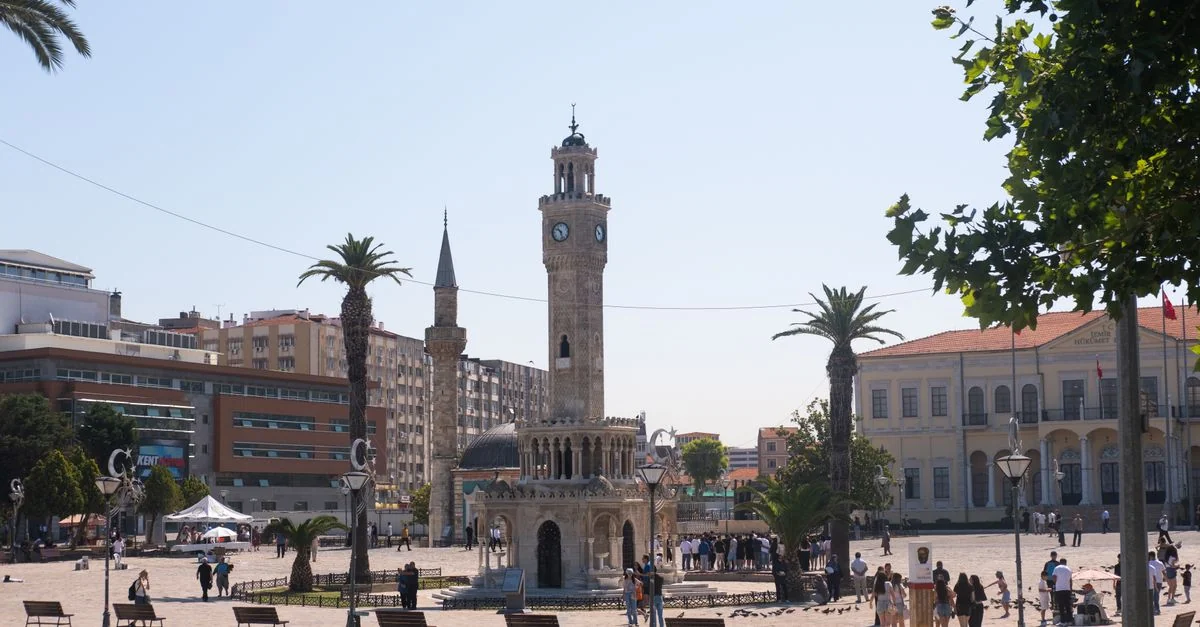
Standing before the reconstructed facade of the Library of Celsus at Ephesus, watching the Mediterranean sunlight hit the second-century marble columns, you realize why this region shaped the ancient world. Izmir and its surrounding archaeological zones offer a direct line to antiquity that few destinations can match. As someone who travels specifically to understand the layers left behind by Hellenistic, Roman, and early Christian civilizations, I approach this coastal Turkish hub not just as a transit point, but as an open-air museum. Why Izmir Is ideal for Art and History Lovers # The physical scale of the ruins near Izmir forces you to adjust your perspective on ancient engineering and urban planning. Walking down the marble-paved Curetes Street in Ephesus, past the terrace houses with their remarkably preserved frescoes and mosaics, you witness the domestic life of the Roman elite. Every carved frieze of Medusa, every architectural fragment in the local museums, speaks to a high point in classical artistic expression.
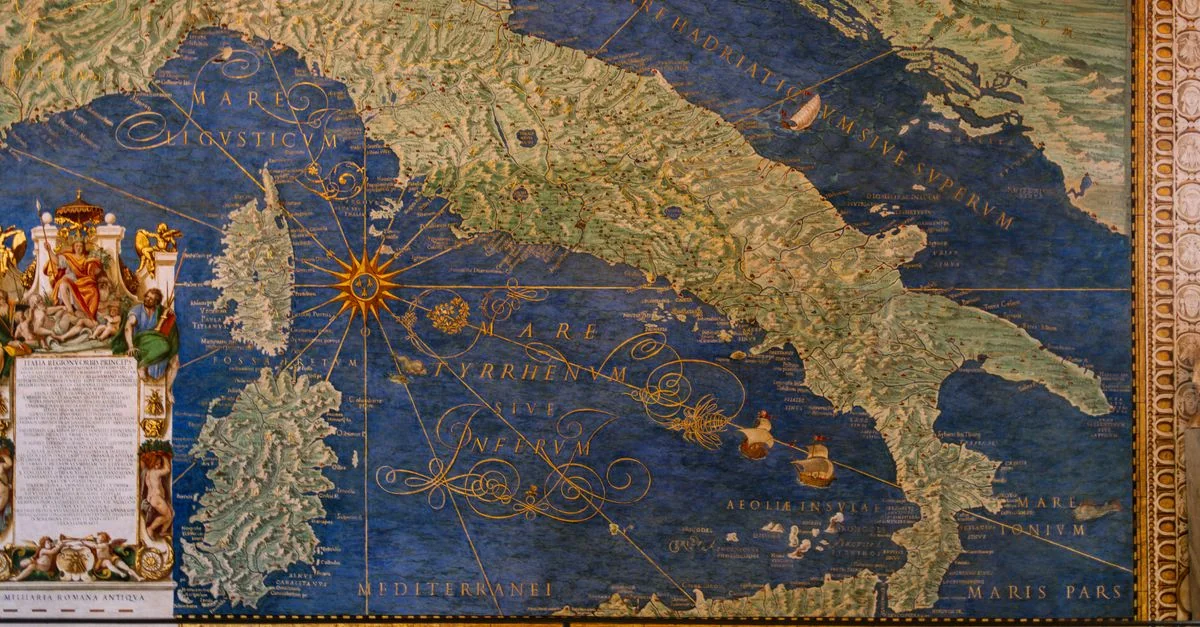
Standing before the weathered, sun-bleached columns of an ancient Roman forum, I am always struck by the sheer weight of the stone. It is not just the scale of the architecture that commands attention, but the realization that these structures were once the center of a daily life that dictated the course of Western civilization. When you walk these paths, you are not merely looking at ruins; you are navigating the physical remnants of political debates, trade agreements, and social shifts that still echo in our modern legal and architectural systems. Why Italy Is ideal for Art and History Lovers # Italy functions as an open-air archive where the strata of history are visible in every alleyway. You might find a Renaissance facade built directly onto the foundations of an Etruscan wall, or a Baroque church interior that houses a Romanesque mosaic. The continuity of human expression here is unparalleled. In Rome , the layers of time are particularly dense, allowing you to trace the evolution of urban planning from the Republic to the modern era.