Standing before the carved limestone stelae of the ancient Maya world, I always look for the minute details—the sweep of a king’s headdress, the glyphs recording dynastic victories, and the deliberate erosion left by centuries of jungle humidity. When I travel through the Cayo District of Belize , my focus is entirely on the monumental architecture and deep archaeological record left behind by a civilization that mapped the stars and reshaped the landscape. This region functions as an open-air museum where art and history intersect among broadleaf trees and rushing rivers. Why Cayo District Is ideal for Art and History Lovers # Art in the Cayo District is not framed behind glass in a sterile white-walled gallery. Instead, it is hewn directly into colossal pyramids and preserved on weathered stone altars. The ancient sculptors of this region mastered low-relief carving, capturing the likenesses of rulers and captive lords with startling precision. When you visit these sites, you are examining the monumental public art of the Classic Maya period. The architecture itself serves as a canvas, with steep staircases and plazas designed to stage elaborate rituals that reinforced the divine right of kings.
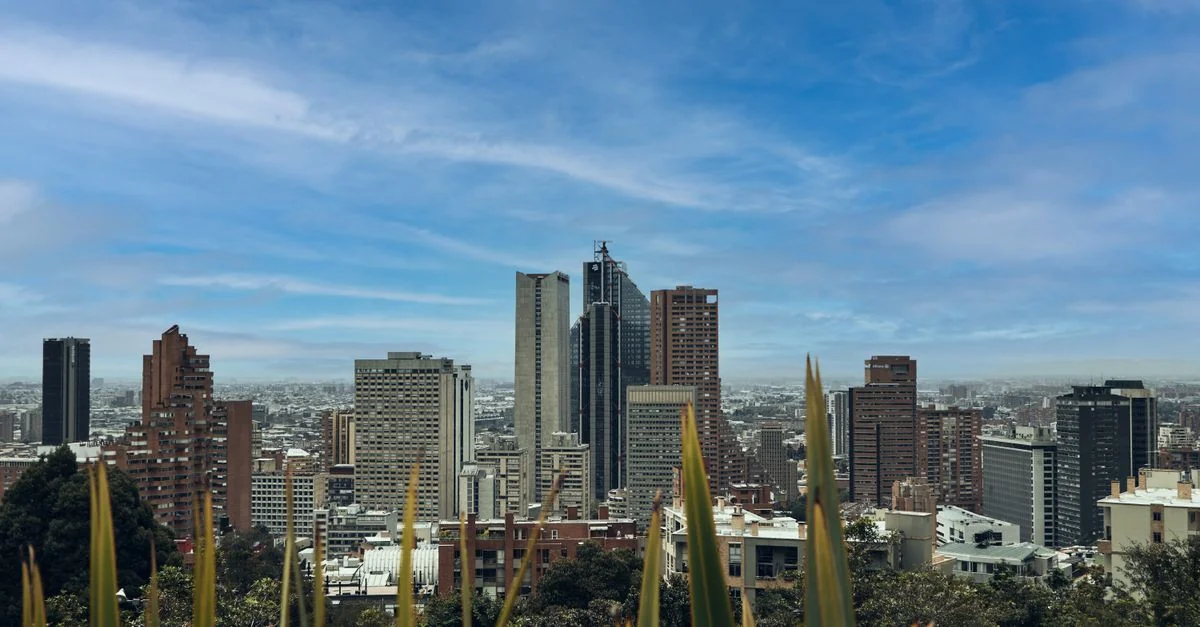
Standing before the bronze sculpture of a rotund, reclining woman in the courtyard of the Botero Museum, I am struck by the way the light catches the exaggerated curves of the metal. It is a moment of quiet reflection in the heart of La Candelaria. Bogotá is a city that demands your attention through its walls, which are often covered in intricate graffiti, and its quiet, colonial-era courtyards that house some of the most significant collections in South America. The city functions as a dialogue between its colonial past and a modern, often defiant, artistic spirit. Why Bogotá Is ideal for Art and History Lovers # Bogotá is not a city that reveals itself instantly. It requires a slow pace. The altitude, sitting at 2,640 meters, forces you to slow your breathing and, consequently, your movement through the city’s galleries. The local art scene is defined by a tension between the traditional and the contemporary. You see this in the architecture of the historic center, where heavy wooden doors lead into bright, airy galleries that house works by masters like Fernando Botero.

I always judge a coastal destination by how it treats its ghosts. Standing before the massive stone blocks of the Castle of St. Peter, where medieval crusaders carved their coats of arms into ancient Mausoleum marble, I knew Bodrum City understood its past. This isn’t just a sun-drenched resort town on the Turkish coast; it is the ancient site of Halicarnassus, a place where monumental architecture and maritime trade once shaped the classical world. When I wander these alleyways, I am looking for the physical traces of ancient sculptors, maritime traders, and Ottoman strategists who left their marks on the Aegean. Why Bodrum City Is ideal for Art and History Lovers # Long before modern yachts filled the marinas, Halicarnassus was home to Artemisia and King Mausolus, whose monumental tomb set such a high architectural standard that we still call large tombs mausoleums today. The city’s artistic soul today lives inside the medieval fortress guarding the harbor, which now houses the Museum of Underwater Archaeology. Here, ancient shipwrecks—including the famous Uluburun wreck dating back to the Late Bronze Age—tell the story of early Mediterranean commerce and craftsmanship through preserved glass ingots, pottery, and jewelry.
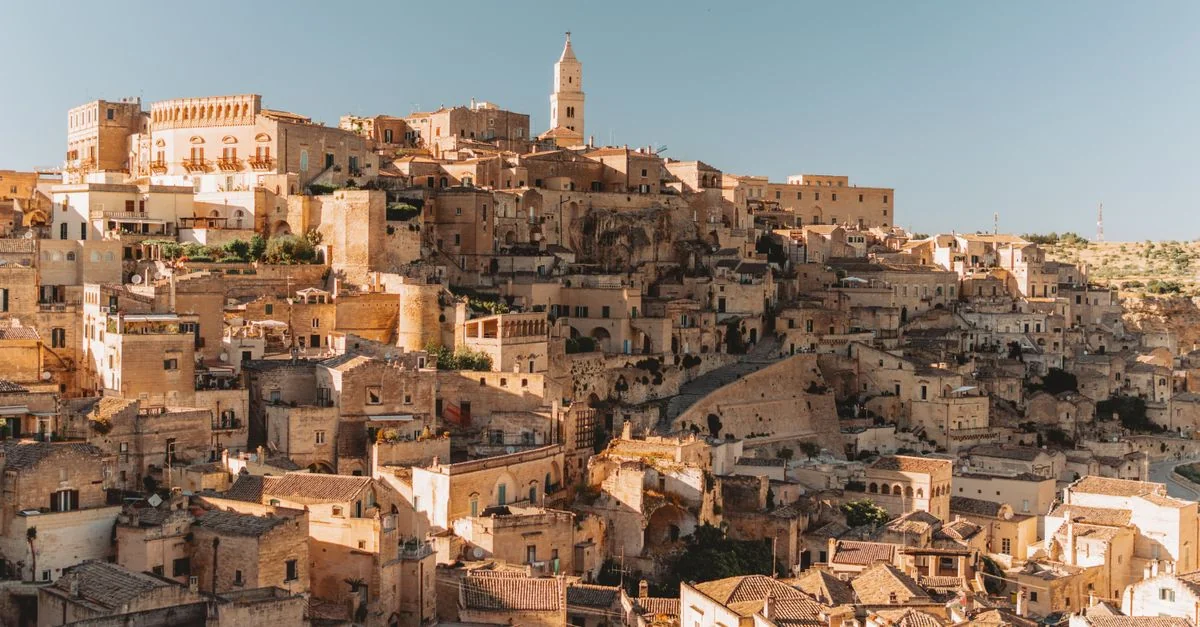
Standing before the weathered limestone arches of the old city walls in BA, I trace fingers over tool marks left by medieval masons centuries ago. This southern Italian coastal settlement operates as a living archive where street life spills out from behind Roman foundations and Byzantine basilicas. When I travel here, my focus centers strictly on the physical evidence of past civilizations. The archaeological layers beneath the modern pavement demand attention from anyone who values genuine historical investigation over superficial sightseeing. Why BA Is ideal for Art and History Lovers # Few Mediterranean cities maintain such an accessible physical record of continuous habitation. Walking through the older districts means treading directly above centuries of urban development. Beneath the current street level lie the remnants of Roman villas, early Christian basilicas, and medieval foundations that tell the authentic story of the region’s geopolitical shifts. The architectural details on surviving portals and stone reliefs reflect successive waves of Greek, Roman, Byzantine, and Norman influences. This density of historical material makes the city an essential destination for anyone interested in Mediterranean antiquity.

The intricate, hand-carved teak wood panels of Wat Phan Tao, illuminated by the soft, golden glow of flickering candles during evening prayers, serve as a grounding reminder of the craftsmanship that defines northern Thailand . Standing before the weathered timber, one senses the weight of Lanna history, where every chisel mark tells a story of devotion and aesthetic discipline. Amphoe Mueang Chiang Mai functions as a living archive, where the lines between religious ritual and fine art blur into a singular, cohesive identity. Walking through the old walled city, the transition from the quietude of ancient temple grounds to the modern creative spaces reflects a city that respects its origins while maintaining a steady pulse of contemporary expression. Why Amphoe Mueang Chiang Mai Is ideal for Art and History Lovers # To understand this city, one must look at the way history is physically layered into the landscape. The city walls, partially restored and punctuated by the Tha Phae Gate, act as a threshold between the rapid pace of the modern world and the deliberate, slow-moving traditions of the past. The architecture here is characterized by the low, sweeping roofs and intricate gold-leaf detailing that distinguish Lanna style from the more vertical, ornate structures found in Bangkok .
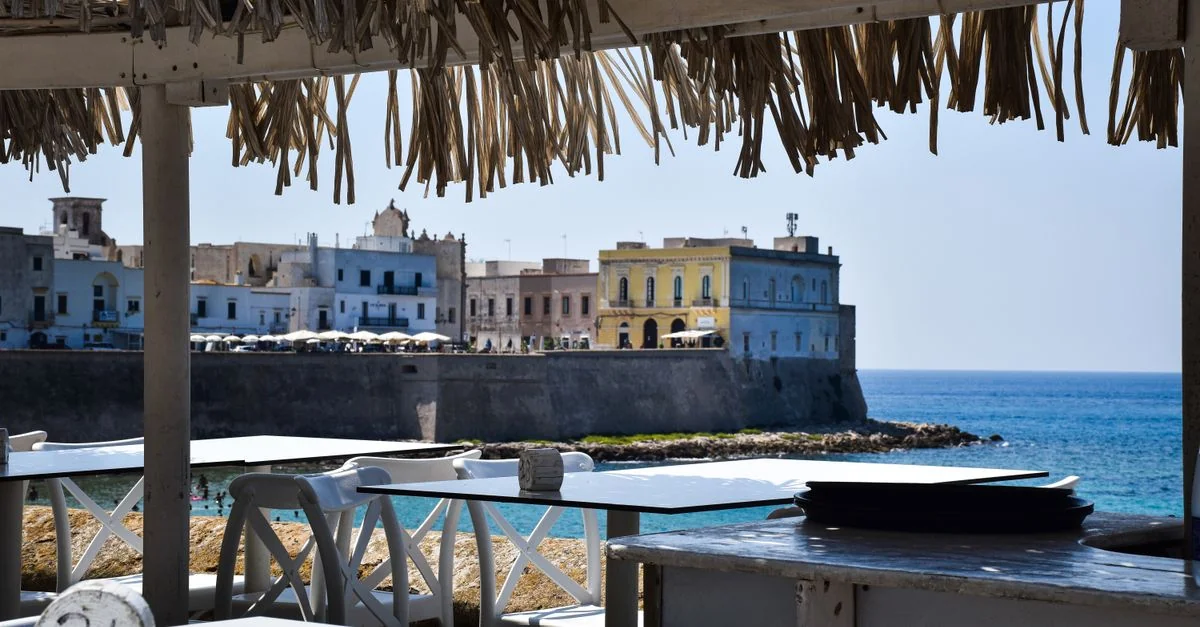
The Norman Castle of Aci Castello sits perched upon a jagged basalt cliff, its dark, porous stone a stark reminder of the volcanic activity that shaped this coastline. Walking through the arched gateways, I find myself tracing the rough texture of the lava rock, which has served as a fortress, a prison, and now a silent witness to centuries of Sicilian maritime history. The structure itself is the primary artifact here; it is not merely a building but a geological sculpture that anchors the town to the Ionian Sea. Why Aci Castello Is ideal for Art and History Lovers # Aci Castello offers a specific kind of historical gravity. While many travelers flock to the larger urban centers of Sicily, the significance of this town lies in its strategic position and its geological narrative. The Norman fortification, constructed in 1076 using the very lava flows that define the local landscape, provides a tactile connection to the Middle Ages. The museum housed within the castle walls contains prehistoric and medieval pottery, as well as fossils that document the area’s shifting terrain.

The chullpas of Sillustani stand against the high-altitude sky like silent sentinels of a vanished era. These funerary towers, constructed by the Colla people and later refined by the Inca, rise from the volcanic landscape overlooking Lake Umayo. Seeing the precise stonework of these circular mausoleums, built to house the remains of noble families, provides a direct connection to the pre-Columbian engineering mindset. It is in these quiet, windswept spaces that the history of the Altiplano feels most grounded. Why Puno Is ideal for Art and History Lovers # Puno serves as the gateway to the Titicaca basin, a region where archaeological history is not confined to glass display cases but remains etched into the landscape itself. The art here is functional and ancestral; it exists in the woven textiles of the islanders and the architectural precision of the funerary sites. Understanding Puno requires moving beyond the city center to see how the geography dictated the development of complex societies. The transition from the nomadic lifestyles of early settlers to the sophisticated masonry of the Inca is visible in the way these sites are positioned to command views of the water and the mountains.

The intricate muqarnas of the Hall of the Abencerrajes in the Alhambra catch the light just before sunrise, casting a lace‑like pattern across the stone walls. That fleeting moment is why I keep returning to Granada (GR) – the city’s layers of Moorish architecture, Renaissance art, and centuries‑old streets feel like walking through a living museum. Below is my full guide to the cultural highlights that truly deserve a place on your itinerary, complete with practical tips to make each experience run smoothly. Why GR Is ideal for Art and History Lovers # Granada’s story is written in stone, tile, and the rhythm of its neighborhoods. The Alhambra, a UNESCO World Heritage site, showcases Nasrid palace design at its peak, while the adjacent Generalife gardens reveal the Islamic love of water and geometry. Just a short walk downhill, the Albaicín district preserves the winding alleys of the old Moorish quarter; from its mirador you can see the Alhambra’s towers framed against the Sierra Nevada. A few minutes farther, the Sacromonte hills host the famous cave houses where flamenco was born, offering a glimpse of the city’s gypsy heritage.
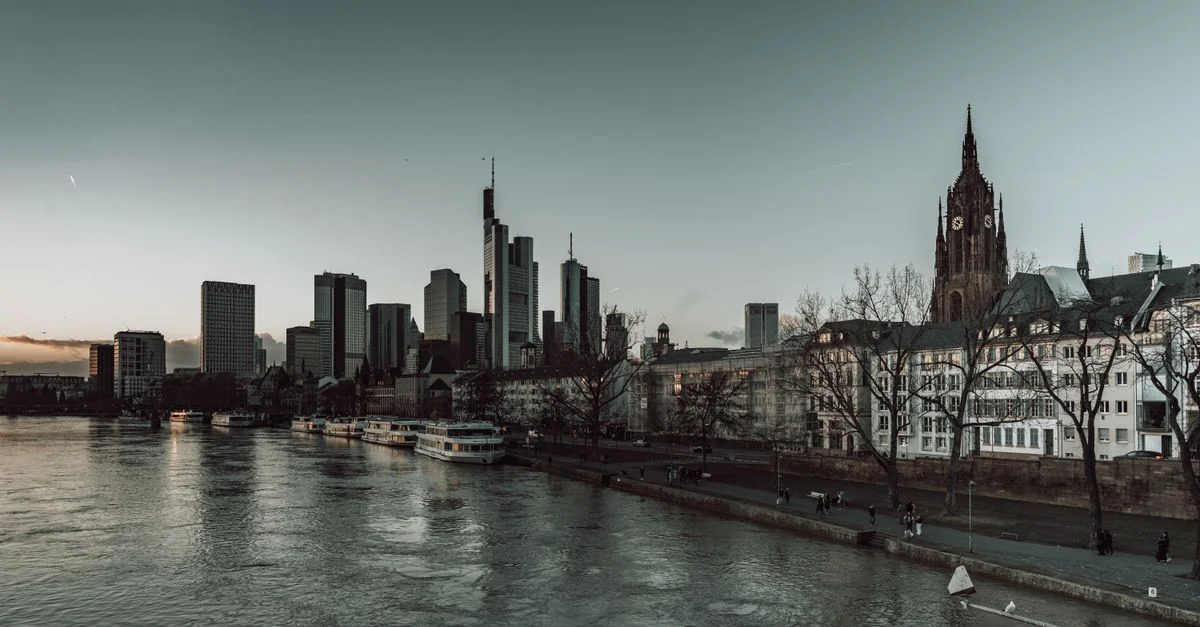
The spire of St. Bartholomew’s Church, its 14th‑century stonework still echoing the chants that once filled its halls, sets the tone for a city where history and modernity sit side by side. From the glass towers of the financial district to the quiet corridors of the Museumsufer, Frankfurt offers a palette of sights that invite a deeper look at the layers of time. Why Frankfurt Is ideal for Art and History Lovers # Frankfurt’s cultural landscape is anchored by a network of museums that span centuries. The Städel Museum, for example, houses works from the Middle Ages to contemporary art, while the Museum of Modern Art showcases pieces that challenge traditional boundaries. Beyond the museums, the city’s architecture tells a story: the medieval Römer, the neo‑classical Neue Mainzer Straße, and the sleek glass façades of the Bankenviertel all coexist in a dialogue that spans epochs.
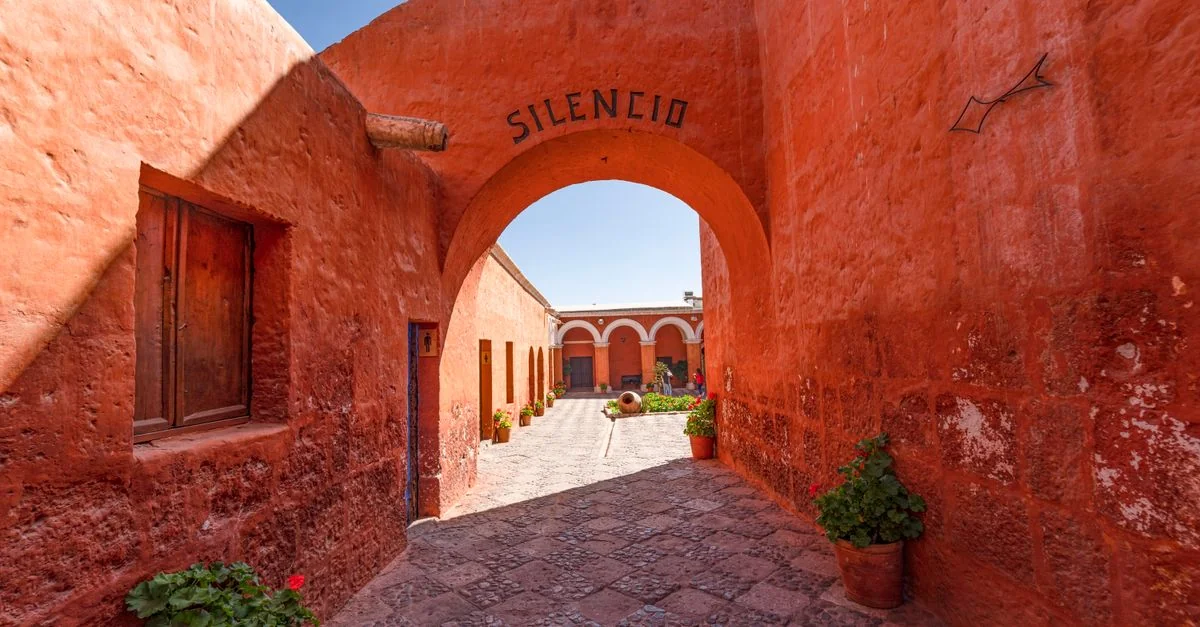
Standing in front of the ornate baroque facade of the Jesuit Church of La Compañía, the pale white sillar masonry catches the afternoon sun in a way that feels almost otherworldly. This porous, pearlescent volcanic ignimbrite, carved from the flanks of the towering Misti volcano, defines the physical and artistic identity of southern Peru . As a traveler who tracks civilizations through their architecture, stone carving, and enduring traditions, I found that this Andean city demands a slow, deliberate pace. Every carved floral motif on a colonial portal and every petroglyph etched into ancient canyon walls tells a distinct story of human adaptation and artistic expression. Why Arequipa Is ideal for Art and History Lovers # The historic center stands as a textbook example of Spanish colonial urban planning colliding with indigenous craftsmanship. Mestizo artisans took the soft volcanic rock and imbued it with local flora and fauna motifs, creating a distinct architectural style known as the Arequipa School. Walking through the Plaza de Armas, flanked by heavy two-story arcades built to withstand seismic activity, you see centuries of human history baked directly into the geology of the buildings.