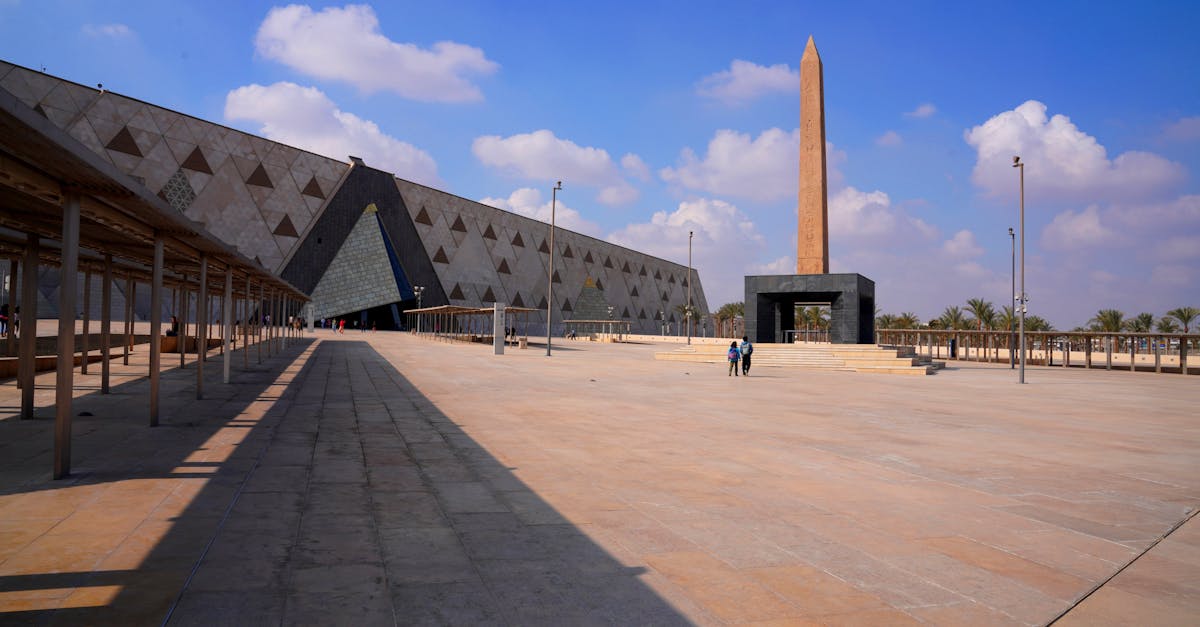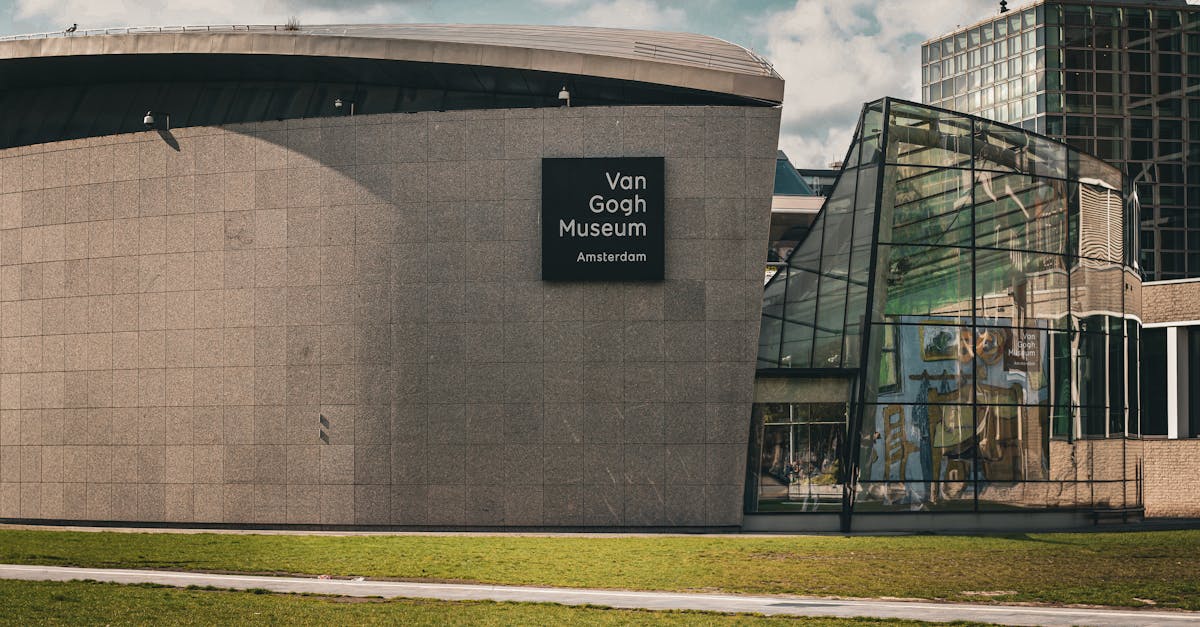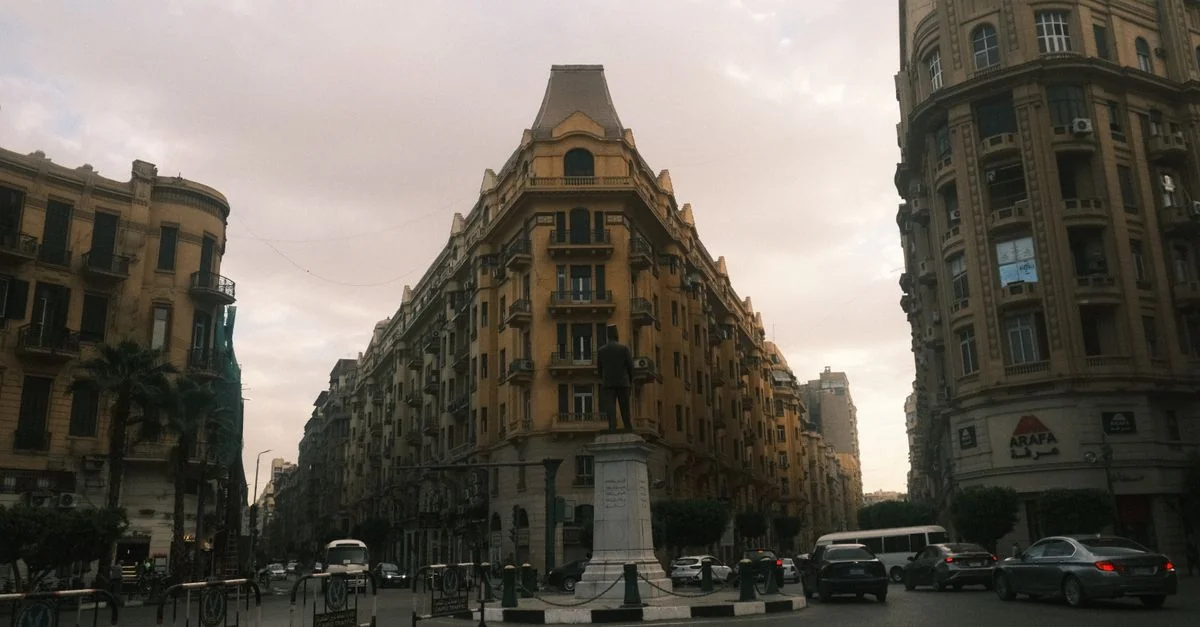
The moment I stepped into the Esna Museum, I was greeted by the towering obelisk that stands as a testament to the city’s long history. This 12th-century obelisk, brought from Heliopolis, is a striking example of Islamic architecture and a must-see for any visitor to Esna. The museum itself is a blend of ancient and modern, with its elegant white walls and large windows that allow natural light to flood the space. It’s a place where the past and present coexist, and it’s here that my journey into Esna’s art and culture truly began. Why Esna Is ideal for Art and History Lovers # Esna is a city that breathes history, and it’s worth visiting for anyone interested in art and history. The city is home to several ancient sites, including the Temple of Hathor, which dates back to the Ptolemaic period. The temple is a stunning example of Greek and Egyptian architecture, and it’s a place where the two cultures intertwine beautifully. The city is also known for its beautiful mosques and churches, which offer a glimpse into the religious diversity that has shaped Esna over the centuries.

When you stand before the colossal columns of Karnak Temple, tracing the hieroglyphs carved deeply into sandstone by ancient Egyptian scribes, you understand why travelers have made the overland journey from the Red Sea coast for centuries. My own journey into this landscape of monuments began not with a modern amenity, but with the sheer scale of the Hypostyle Hall, where 135 stone pillars tower overhead like petrified papyrus stalks. سفاجا serves as the primary maritime gateway for travelers looking to bridge the gap between Red Sea shores and the monumental architecture of ancient Thebes. Why سفاجا Is ideal for Art and History Lovers # While the coastal town itself functions primarily as a commercial and port hub, its geographical position makes it the ideal launchpad for exploring the monumental open-air galleries of Luxor . The artistic achievements of the New Kingdom Pharaohs are concentrated just a few hours inland, along the banks of the Nile. On the East Bank, the temples of Luxor and Karnak showcase monumental sculpture, towering obelisks, and miles of relief carvings that document military campaigns, religious rituals, and dynastic propaganda. Crossing the river to the West Bank reveals a starkly different artistic medium: the subterranean painted tombs of the Valley of the Kings. Here, the walls of royal sepulchers retain their brilliant pigments of ochre, Egyptian blue, and carbon black, illustrating the perilous journey of the soul through the underworld. These sites represent the pinnacle of ancient Egyptian aesthetic expression, where architecture, painting, and relief sculpture merge into a unified cosmological vision.
Photo by George Wang on Pexels Stepping into the realm of Al Giza , I was immediately captivated by the monumental presence of the Great Pyramid of Giza . It’s not just a structure; it’s a testament to human ingenuity and ambition, a relic that speaks volumes about a civilization that thrived thousands of years ago. The intricate limestone casing, which once gleamed in the sun, is a reminder of the artistry and labor that went into its creation. This iconic landmark sets the stage for a journey through the art and culture of this incredible region.
Photo by Shvets Anna on Pexels Stepping into 6th of October City, I was immediately struck by the grandeur of the Giza Pyramids and the Sphinx, which stand as monumental testaments to Egypt ’s ancient civilization. The sheer scale of these structures is awe-inspiring, and their historical significance cannot be overstated. The Giza Plateau, where they are located, is a must-see for anyone interested in archaeology and history. As I gazed at the Great Pyramid, I couldn’t help but reflect on the incredible craftsmanship that has endured for millennia.
Photo by Derwin Edwards on Pexels Stepping into Hurghada , you’re greeted by the mesmerizing hues of the Red Sea, but the allure of this city extends far beyond its stunning coastline. For those with a passion for art and history, the nearby treasures of ancient Egypt beckon. One cannot help but feel a sense of wonder when contemplating the monumental achievements of past civilizations. The Valley of the Kings, with its intricate tombs and long history, is a testament to the artistry and craftsmanship of ancient Egyptian culture.
Photo by Shvets Anna on Pexels Standing before the colossal statues of Ramses II at the entrance of the Karnak Temple, I was struck by the sheer scale and artistry of ancient Egyptian architecture. The intricate hieroglyphs and towering columns transport you back thousands of years, making it a prime example of Luxor ’s incredible cultural significance. As one of the most important archaeological sites in the world, Luxor offers a wealth of experiences for art and history enthusiasts alike.
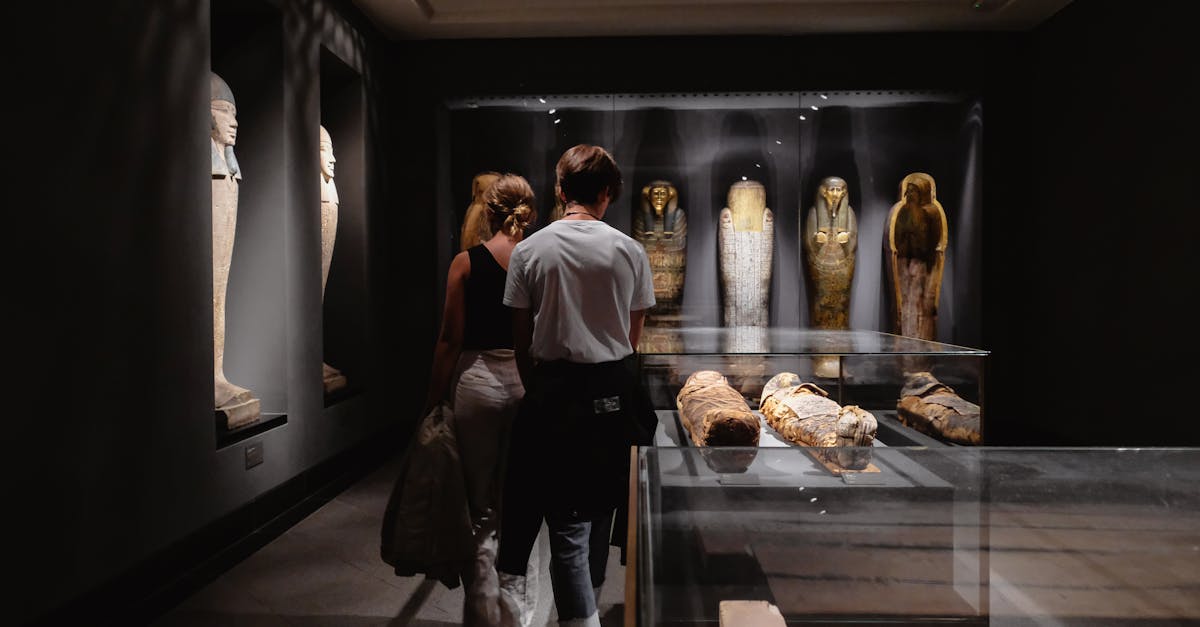
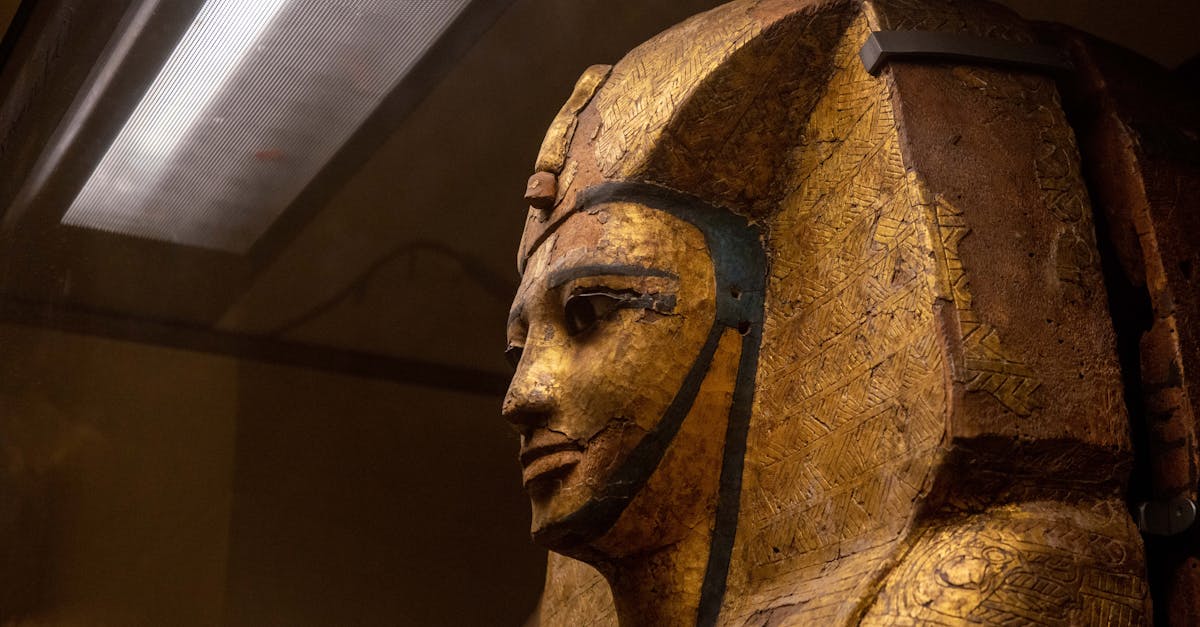
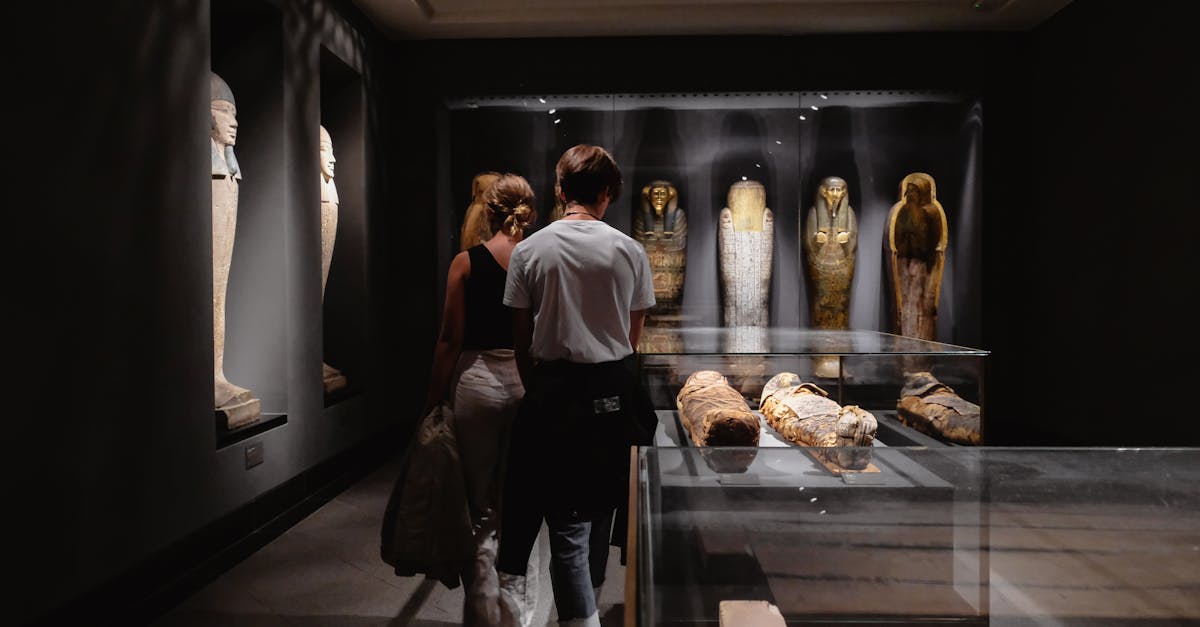
Photo by Ömer Gülen on Pexels Standing before the colossal statue of Ramses II at the entrance of the Grand Egyptian Museum, I felt a profound connection to the ancient world. This iconic figure, with its commanding presence, serves as a reminder of Egypt ’s storied past and its enduring legacy in art and culture. As I wandered through the halls adorned with artifacts that tell tales of pharaohs, gods, and everyday life in ancient Egypt, it became clear why Cairo is an essential destination for art and history enthusiasts.