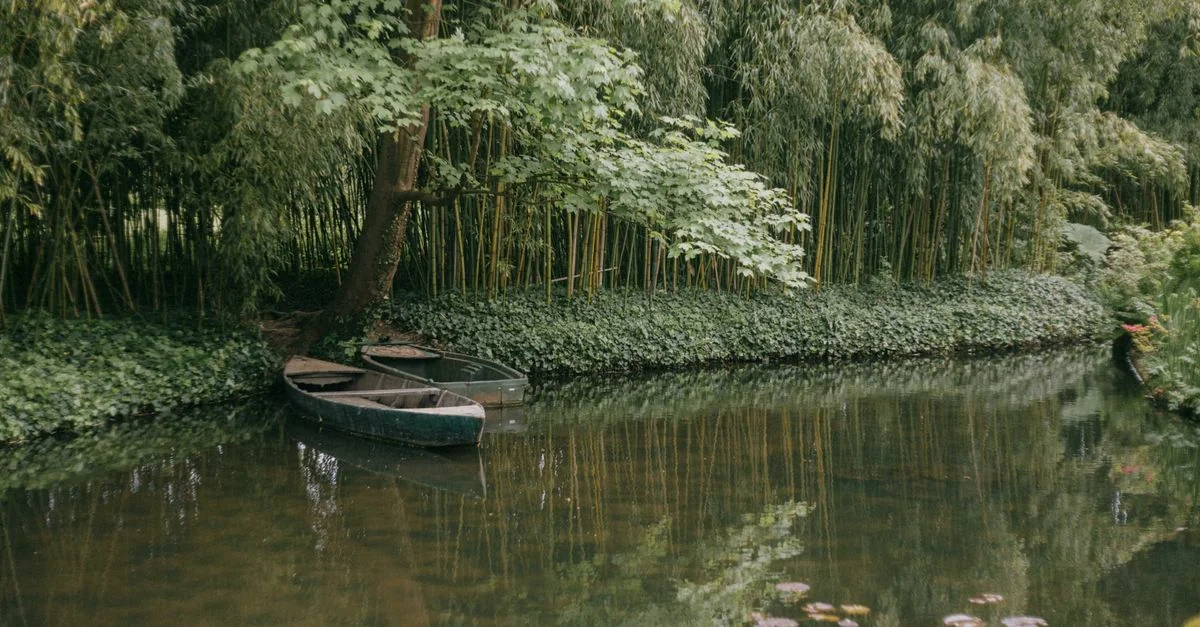
The sun dapples the water in Monet’s famous “Water Lilies” series, painting the surface with a shimmering, ever-changing canvas. This iconic artwork, created in Giverny, is just one of the many reasons why this small French town is a treasure for art and history lovers. Nestled in the heart of Normandy, Giverny is a place where the beauty of nature and the brilliance of art intertwine, creating a unique experience that captivates visitors from around the world. Why Giverny Is ideal for Art and History Lovers # Giverny is known for the Impressionist movement, and its most famous resident, Claude Monet, left an indelible mark on the town. The house where Monet lived and worked, now a museum, offers a glimpse into the life of one of the most influential artists of the 19th century. The surrounding gardens, meticulously designed by Monet himself, are a testament to his passion for nature and his desire to capture its essence through his art. Walking through these gardens, you can almost feel the brushstrokes of Monet, as if he is painting the scene before your eyes.
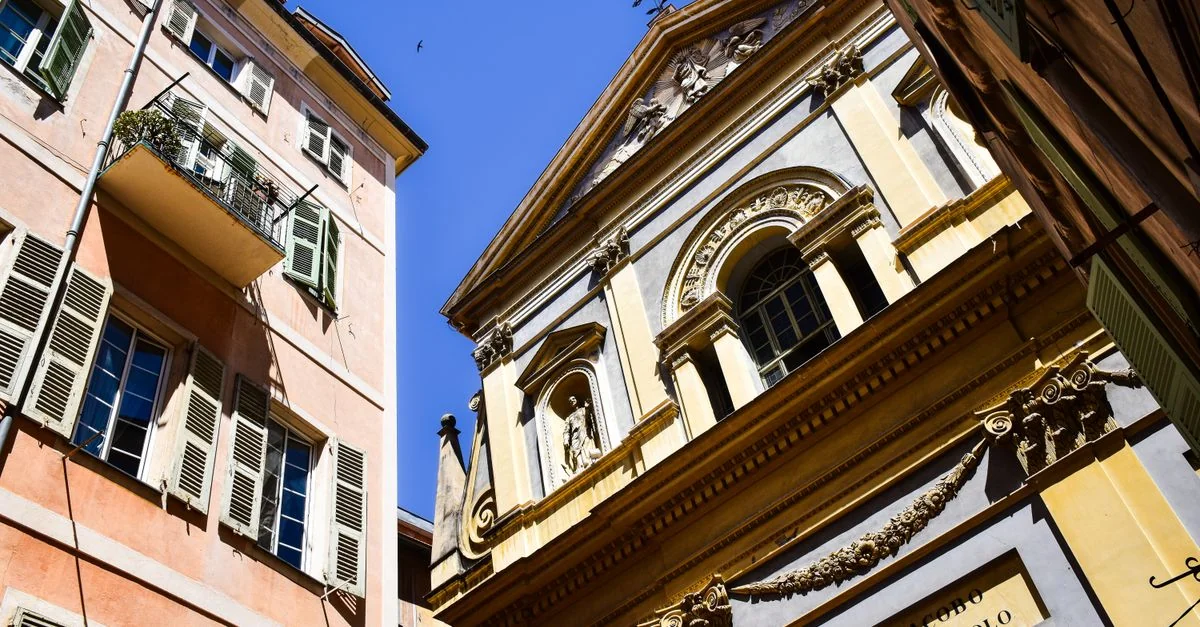
Standing before the Matisse Museum, I found myself captivated by the way the ochre-colored villa reflects the Mediterranean sun. It is a building that feels less like a formal institution and more like a private residence where time has slowed to a crawl. The way the light hits the shutters reminds me why so many painters chose to settle in this specific corner of the world. Nice is not merely a coastal destination; it is a profound intersection of Italian influence, French refinement, and the enduring legacy of the artists who sought to capture its unique atmosphere. Why Nice Is ideal for Art and History Lovers # The architecture of Nice tells a story of shifting borders and cultural synthesis. Walking through the Old Town, or Vieux Nice, you notice the distinct Italianate style—the pastel-colored facades and the narrow, winding streets designed to provide shade from the midday heat. This is a city where history is not tucked away in glass cases but is visible in the peeling paint of a 17th-century doorway or the intricate baroque carvings of the Chapelle de la Miséricorde.
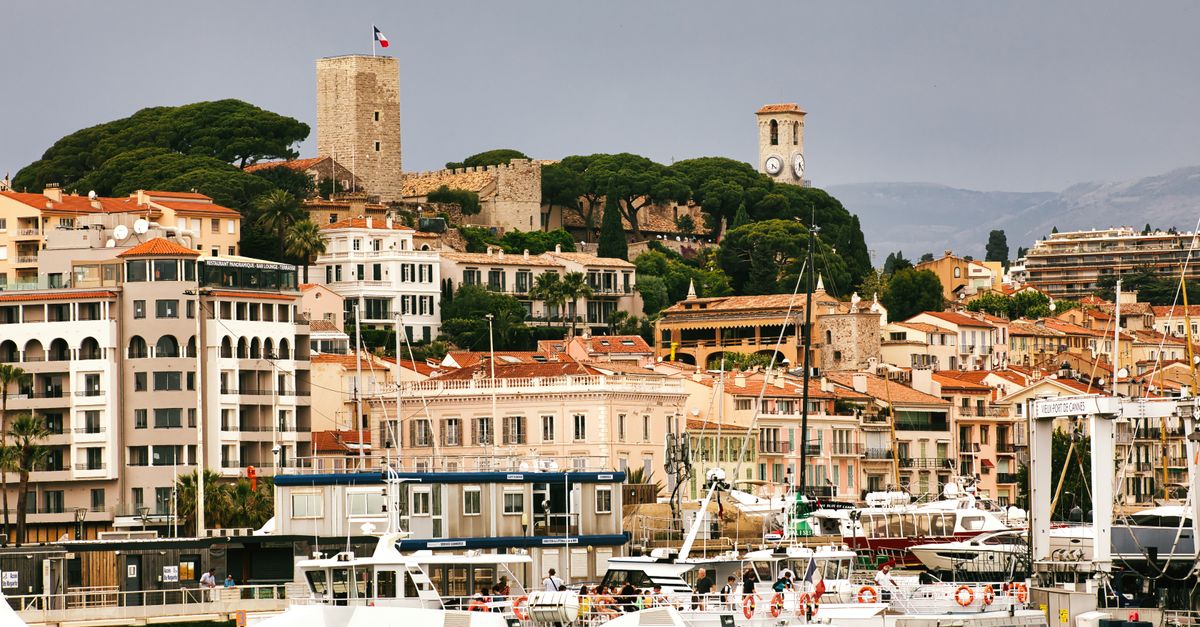
When I first stood beneath the carved wooden ceiling of the Musée des Explorations de la Mondaine—housed inside the medieval Tour du Suquet—I realized this Mediterranean resort city offers far more than red carpets and luxury yachts. The austere stone walls of the 11th-century watchtower frame a collection of primitive art and archaeological finds that speak to centuries of maritime life, long before the film festival brought global cameras to the Croisette.
The jagged, limestone peak of Mont Sainte-Victoire looms over the landscape, its pale slopes shifting from ochre to violet depending on the hour. For Paul Cézanne, this wasn’t just a mountain; it was an obsession. He painted it dozens of times, treating the landscape as a geometric puzzle to be solved. Standing before these vistas, you realize that the light in this region isn’t just illumination—it is a physical presence that has dictated the evolution of modern art.
Photo by Abhishek Navlakha on Pexels Stepping into the Musée d’Orsay, the first thing that strikes me is the breathtaking view of the majestic clock that dominates the hall. It’s a stunning reminder of the building’s past as a Beaux-Arts railway station. This museum houses an incredible collection of Impressionist and Post-Impressionist masterpieces, including works by Monet, Van Gogh, and Degas. The experience of standing before these iconic pieces is simply standout.