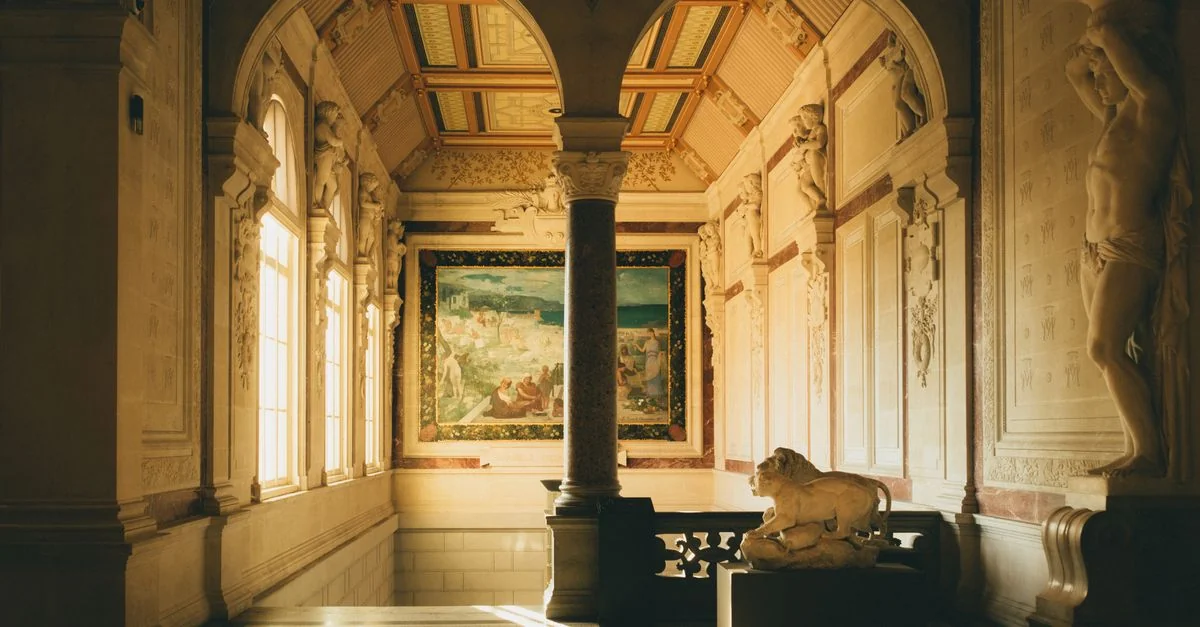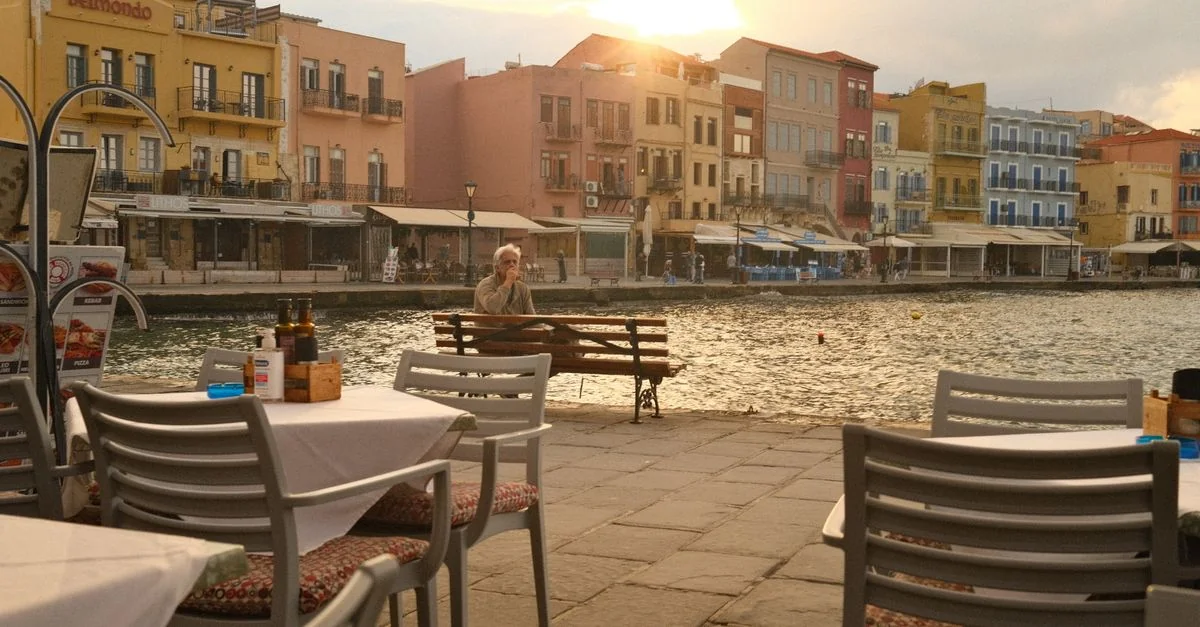
The moment I stepped into the Venetian Harbor, the scent of saltwater and the distant echo of the sea breeze welcomed me into Chania . The city’s unique blend of Crete ’s ancient history and Venetian architecture is a testament to its rich cultural mix. As I wandered through the narrow streets, I couldn’t help but notice the intricate details of the buildings, each one a story waiting to be told. The Venetian Harbor, with its colorful buildings and busy activity, is a perfect starting point for any art and culture lover. Why Chania Is ideal for Art and History Lovers # Chania is a city that breathes history and art. The Venetian Harbor, a UNESCO World Heritage Site, is a living museum of Crete’s past. The intricate details of the buildings, the lively colors, and the busy activity make it worth visiting for any art and history lover. The city’s unique blend of Crete’s ancient history and Venetian architecture is a testament to its deep history. As I wandered through the narrow streets, I couldn’t help but notice the intricate details of the buildings, each one a story waiting to be told.
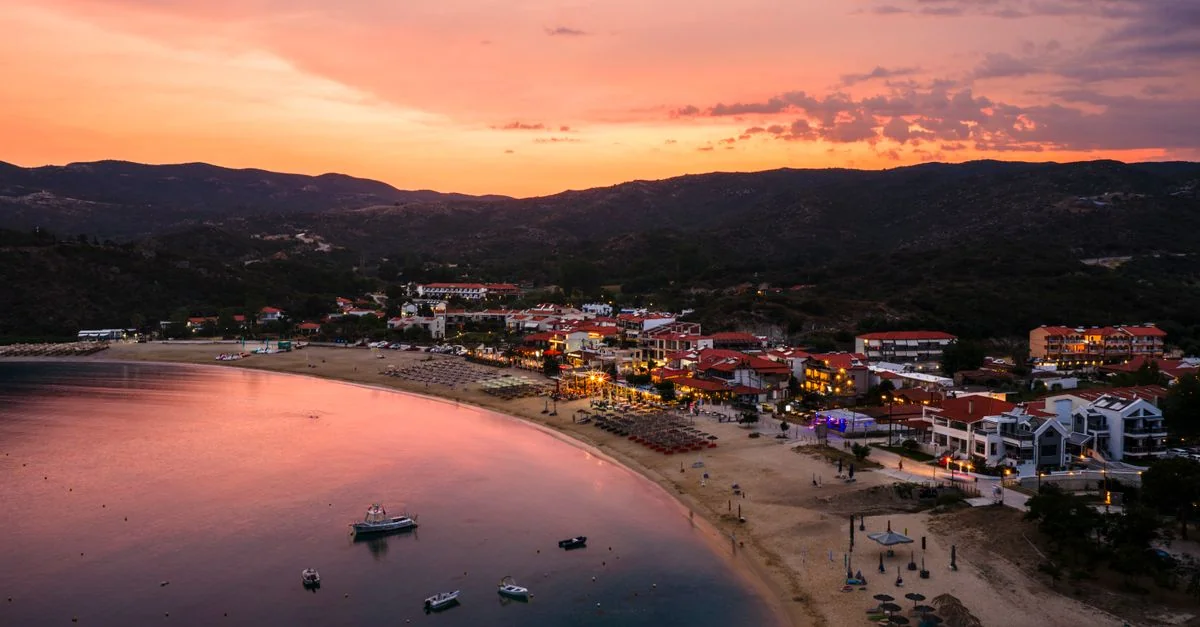
Standing before the whitewashed, cubic geometry of traditional Cycladic architecture in Agios Stefanos, I immediately notice how the blinding white walls frame the deep blue of the Aegean Sea. This coastal settlement, situated just north of the main harbor in Mykonos , carries centuries of maritime and archaeological significance in its sun-bleached stones. While many travelers pass through this suburb merely for its sandy beach, my cultural explorations here reveal an intimate connection to the broader historical narratives of the Cyclades . The interplay between austere island architecture and the nearby archaeological weight of Delos makes this region a compelling stop for any traveler interested in the ancient Mediterranean world. Why Agios Stefanos Is ideal for Art and History Lovers # When I analyze the cultural fabric of Agios Stefanos, I look past the contemporary beach umbrellas to trace the footsteps of ancient sailors and ritual celebrants. This northern coast served as a strategic maritime vantage point in antiquity, acting as a gateway to the sacred island of Delos, located just a short boat ride across the strait. The localized art of this region is defined by utility meeting austere beauty—from the dry-stone terrace walls, known as xerolithies, which sculpt the arid hillsides into agricultural works of art, to the small blue-domed chapels that punctuate the landscape.
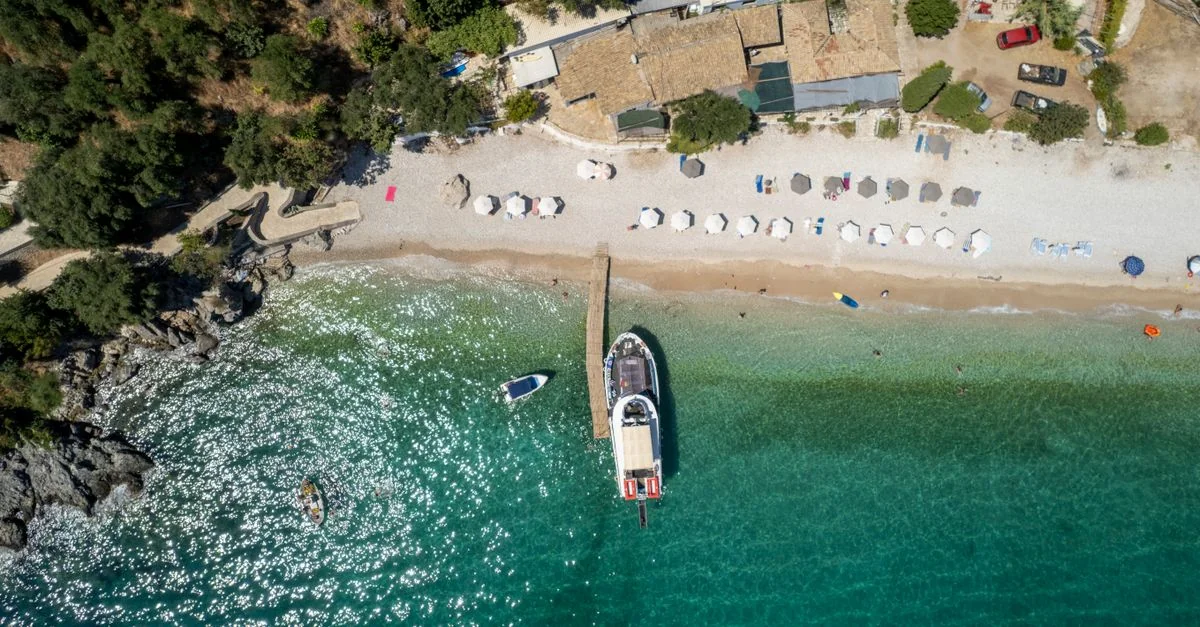
Standing on the limestone cliffs of Vouliagmeni, looking out over the Saronic Gulf where the turquoise waters meet the pine-fringed headlands, it is easy to understand why the ancient Athenians chose this stretch of the Attica coast for their sanctuaries and retreats. While modern visitors often treat Vouliagmeni strictly as a beachside escape for swimming and dining, the coastal suburb serves as an ideal base for exploring the monumental archaeological sites of the Peloponnese. Why Vouliagmeni Is ideal for Art and History Lovers # Vouliagmeni offers a distinct duality for the cultural traveler. Just beneath the surface of its pine-scented air and luxury resorts lies a landscape steeped in classical mythology and ancient engineering feats. The coastline itself bears traces of antiquity, from the sunken ancient town near Lake Vouliagmeni to the remnants of the Temple of Apollo Zoster on Cape Zoster, where ancient travelers once stopped to offer sacrifices to the god before navigating the Aegean.
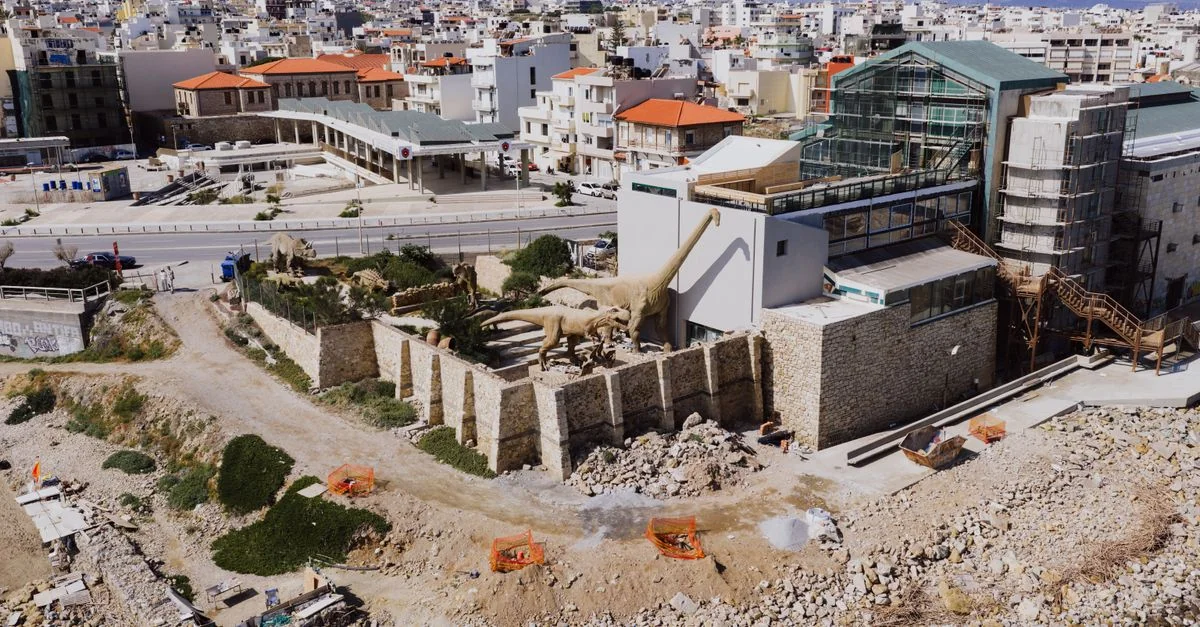
Standing before the reconstructed North Entrance of the Palace of Knossos, staring at the painted gypsum relief of the charging bull against a backdrop of swirling red and blue frescoes, I realized how physical the Minoan past feels in Crete . The masonry blocks, notched with double-axe mason’s marks, connect us directly to a Bronze Age civilization that valued movement, color, and natural form. Heraklion is not simply a transit point for island ferries; it is a dense archive of art and archaeology where medieval Venetian fortifications collide with Minoan palace ruins. Why Heraklion Is ideal for Art and History Lovers # The stratification of history here shapes every street corner. You can walk from the Venetian port, guarded by the stone fortress of Koules built in the sixteenth century, straight into the heart of the old town where Ottoman fountains sit beside Byzantine churches. The Archaeological Museum holds the physical evidence of this continuity, displaying the Phaistos Disc with its enigmatic stamped hieroglyphs and the delicate gold bee jewelry from Malia that shows astonishing metalworking precision.
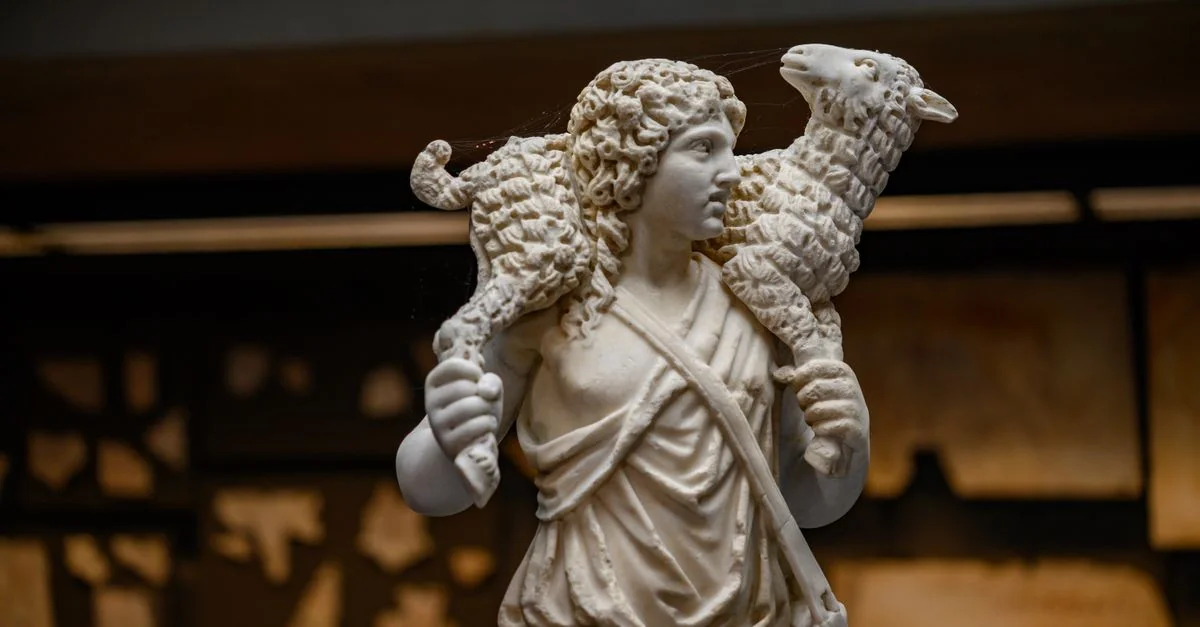
The first thing that strikes you when standing on the northern tip of Santorini is the precise, geometric interplay of the blue domes against the whitewashed limestone. These structures are not merely aesthetic choices; they are functional responses to the island’s volcanic landscape and the need for thermal regulation. Looking closely at the masonry of the older cave houses, or yposkafa, you can see the ingenuity of 19th-century builders who carved dwellings directly into the pumice cliffs. This architectural language defines the visual identity of Oía, turning the entire village into an open-air museum of vernacular design. Why Oía Is ideal for Art and History Lovers # Oía functions as a living archive of Aegean history. While many travelers come for the sunset, the real substance lies in the layers of volcanic ash that have preserved the island’s developmental timeline. The architecture here tells a story of survival and adaptation, where the scarcity of resources led to a minimalist design philosophy that influences modern architects globally. Walking through the narrow, winding paths, you are navigating a space shaped by the 1956 earthquake, which necessitated a careful reconstruction that honored the original Byzantine and Venetian influences. The way the light hits the curved edges of the churches creates a shifting canvas throughout the day, providing a unique study in shadow and form for anyone interested in the intersection of geology and human habitation.
Standing before the physical remnants of ancient Greek civilization always shifts my perspective on modern cityscapes. When I first wandered through Nea Ionia, founded largely by refugees following the 1922 population exchange between Greece and Turkey , I found a neighborhood deeply shaped by memory, resilience, and Anatolian heritage. While many travelers rush past suburban Attica toward the Acropolis, this municipality offers an entry point into both the domestic history of 20th-century resettlement and monumental classical archaeology situated just beyond its borders. As a culture writer, I look past generic tourist itineraries to find the real pulse of a destination. Nea Ionia may not boast an overwhelming number of local galleries within its immediate grid, but its strategic position in the northern sector of the Athens metropolitan area makes it a fascinating base for serious history enthusiasts. Let us examine how to spend your time here effectively.
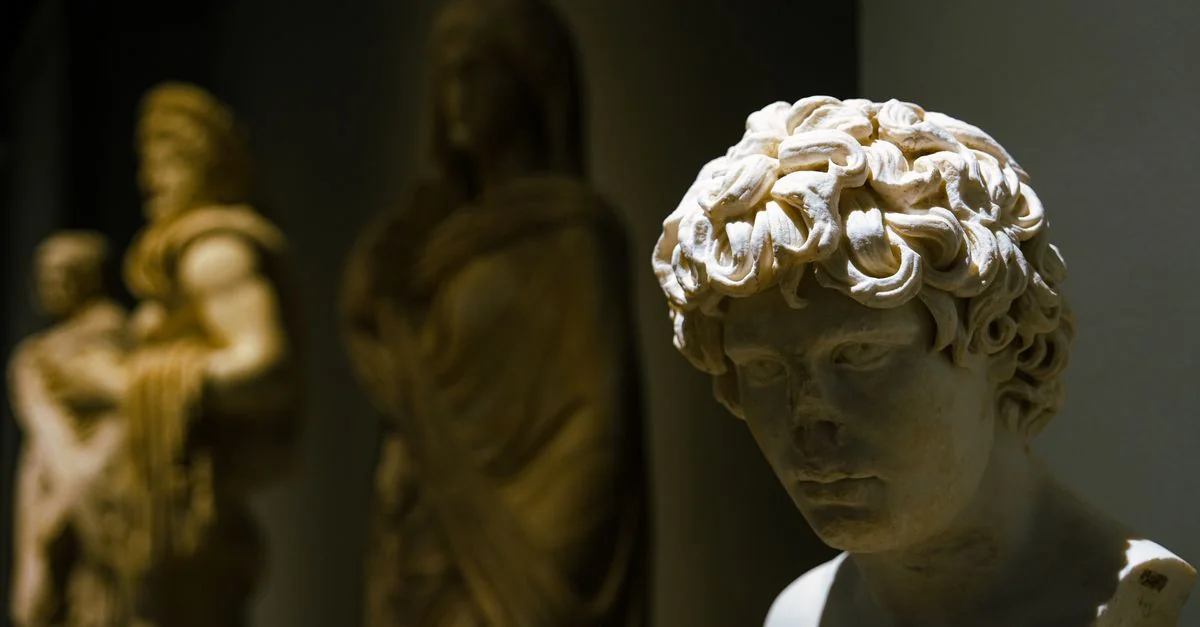
Standing beneath the massive stone walls of the Palamidi Fortress, looking out over the Argolic Gulf, I am reminded that Nafplio served as the first official capital of modern Greece . The city’s architecture tells a complex story of Venetian occupation, Ottoman rule, and early Greek statehood. Every corner of the old town reveals neoclassical mansions with wrought-iron balconies and bougainvillea-draped courtyards. As a traveler who tracks history through brushstrokes and carved marble, I find that Nafplio offers a distinct Mediterranean aesthetic where artistic detail meets military engineering. Why Nafplio Is ideal for Art and History Lovers # The urban landscape of Nafplio functions as an open-air museum. Walking through Syntagma Square, you encounter the Vouleftikon, a former Ottoman mosque that housed the first Hellenic Parliament, and the Archaeological Museum, which occupies a grand Venetian arsenal building from 1713. The streets here were laid out by the French architect Stamatis Voulgaris in the 1820s, giving the lower town a geometric grace that contrasts with the rugged medieval fortifications climbing the cliffs above.
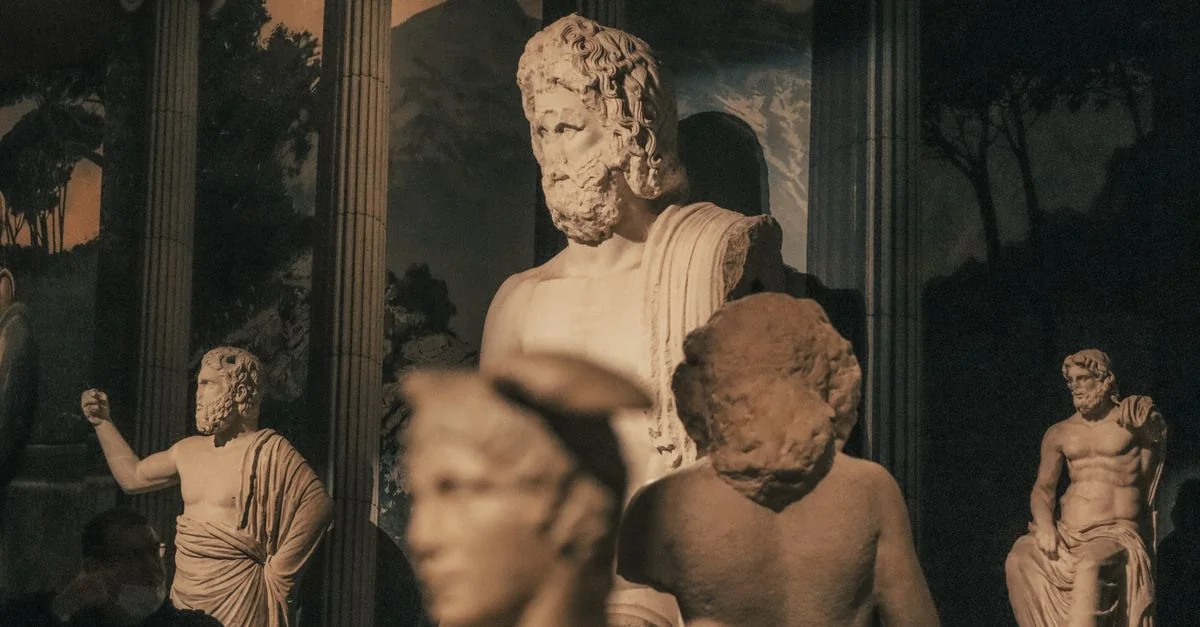
The bronze statue of Hermes by Praxiteles, housed in the museum at Olympia, remains one of the most significant encounters with human craftsmanship I have ever experienced. Seeing the way the marble—or in this case, the Parian marble original—captures the softness of skin and the delicate drape of cloth provides a direct line to the aesthetic values of the fourth century BCE. While Katakolo serves primarily as a seaside port, its true value lies in how it functions as the threshold to these profound artistic achievements. The transition from the salt air of the Ionian coast to the quiet, shaded groves of the Alpheios River valley is a journey through layers of Greek history that shaped Western art. Why Katakolo Is ideal for Art and History Lovers # Katakolo is often viewed merely as a point of arrival, but for those who prioritize historical context, it is the essential starting point for understanding the Peloponnese. The architecture of the port itself reflects a 19th-century mercantile history, but the draw here is the proximity to the sanctuary of Olympia. The site is not just a collection of ruins; it is an open-air museum of architectural evolution, displaying the shift from archaic structural forms to the refined proportions of the Classical period.
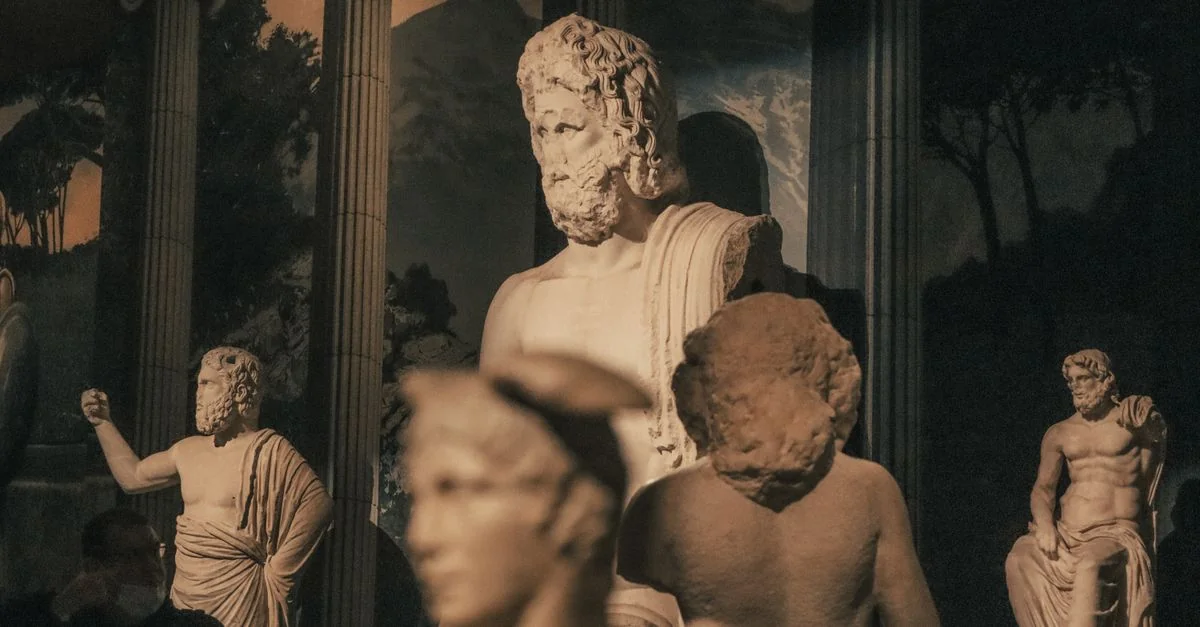
The bull-leaping fresco in the Heraklion Archaeological Museum remains one of the most sophisticated depictions of human movement in the ancient world. Standing before the plaster relief, you notice the rhythmic tension in the acrobat’s muscles, a detail that feels remarkably modern despite its age. Iraklio is not merely a transit point for ferries or a gateway to beaches; it is a dense layering of history where Venetian fortifications collide with the rigid, colorful geometry of the Bronze Age. Walking the city walls, you can trace the path of engineers who sought to protect this port from Ottoman advancement, while a short drive away, the ruins of Knossos reveal a civilization that prioritized light, ventilation, and intricate drainage systems long before the common era. Why Iraklio Is ideal for Art and History Lovers # Art in Iraklio is defined by its tactile nature. You do not just view the history here; you walk over it. The city serves as the primary repository for the Minoan civilization, which remains one of the most enigmatic chapters in Mediterranean history. The architecture of the city reflects a transition from the heavy, defensive stone of the Venetian period to the more open, eclectic styles that followed.
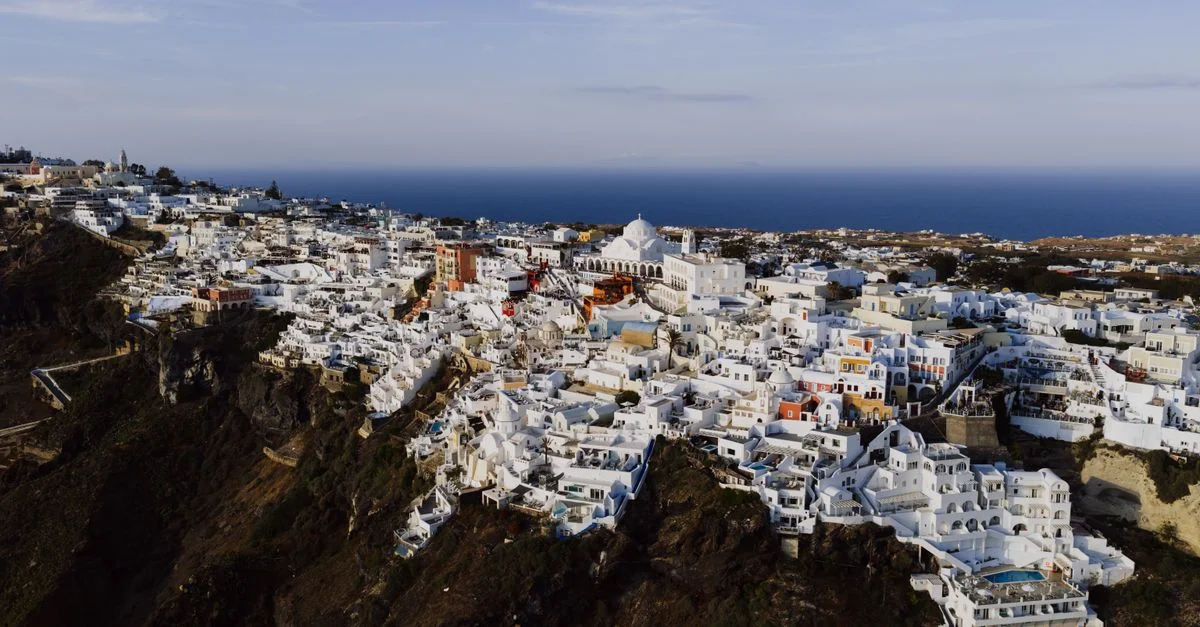
In 1967, archaeologists digging beneath the volcanic ash of Akrotiri—just a short distance from the cliffs of Fira —unearthed frescoes depicting saffron gatherers and young boxers painted more than three millennia ago. Standing on the caldera edge today, peering down at the sea-filled crater, those ancient pigments frame how I approach this Cycladic capital. Fira is not merely a postcard backdrop of blue domes and white-washed walls; it is a layered site where geological catastrophe preserved an extraordinary Aegean civilization. If you want to understand the physical and cultural foundation of this island beyond the cliffside cafes, you need to look closely at the remnants of its sacred architecture and deep archaeological record. Why Fira Is ideal for Art and History Lovers # When travelers step off the cable car or finish the climb up the stairs from the old port, many head straight for the souvenir shops. That is a tactical error if your goal is cultural engagement. Instead, turn your focus toward the Orthodox Metropolitan Cathedral and the Catholic Cathedral of Saint John the Baptist, which anchor the town’s spiritual geography. These structures reveal the architectural adaptation of a community rebuilding after earthquakes, utilizing local stone and neoclassical influences shaped by Venetian and Greek Orthodox histories.