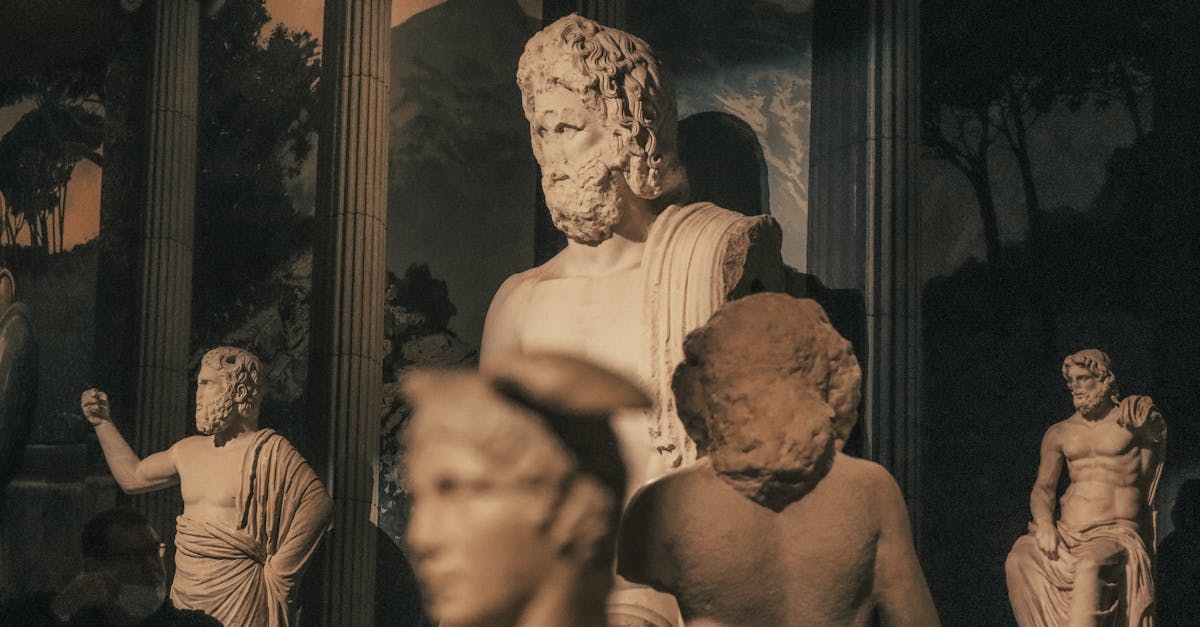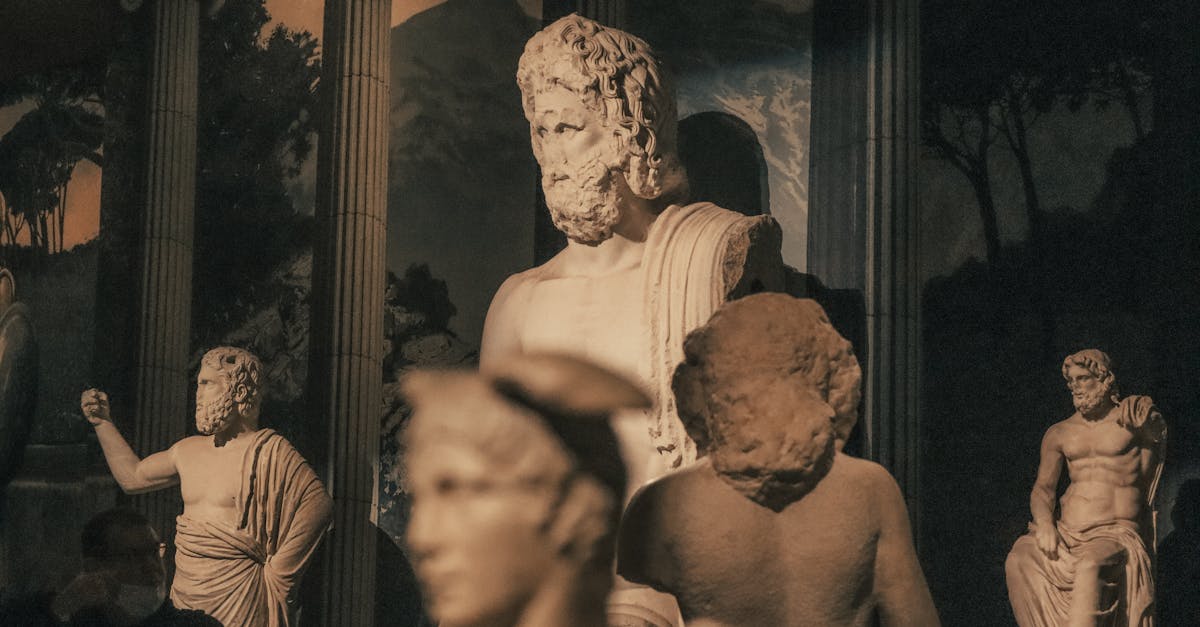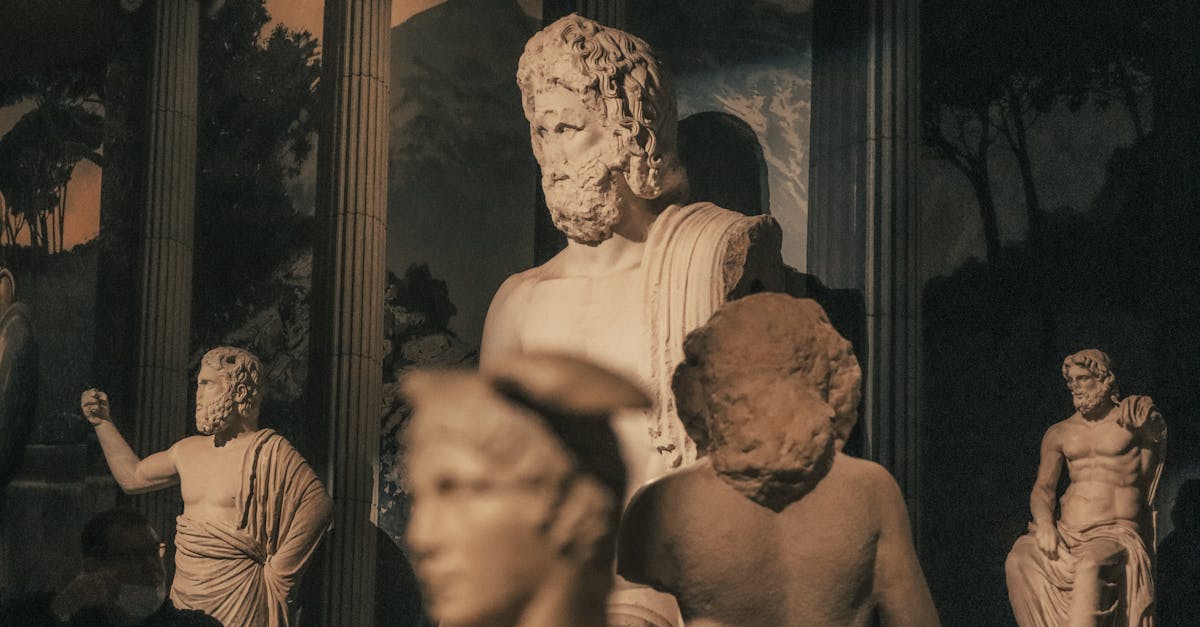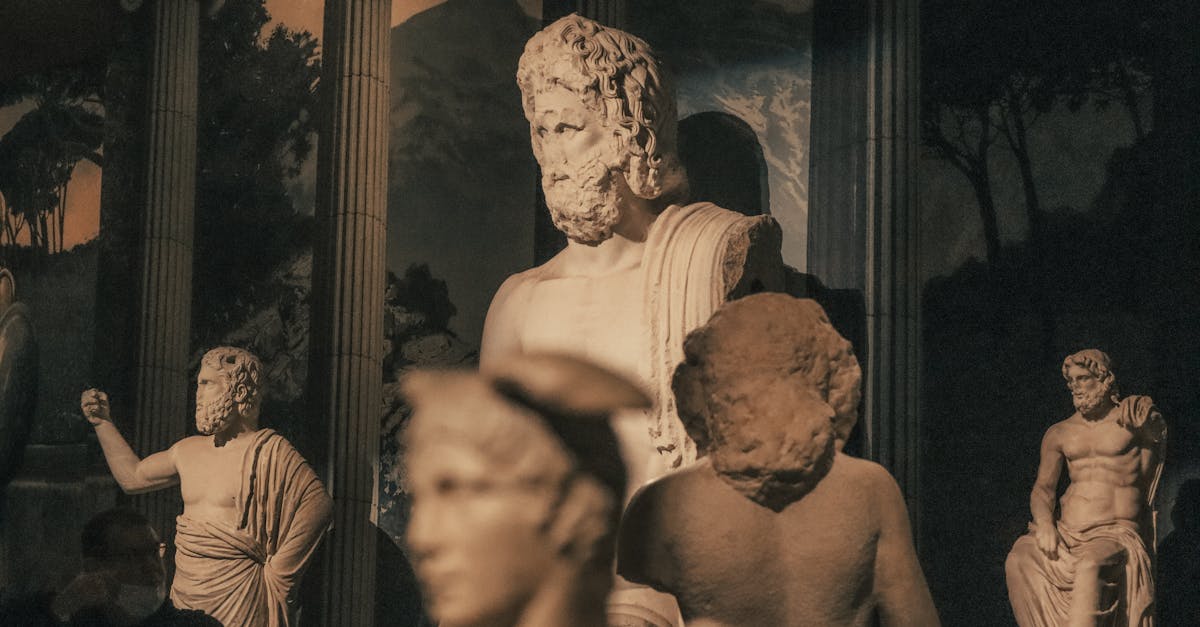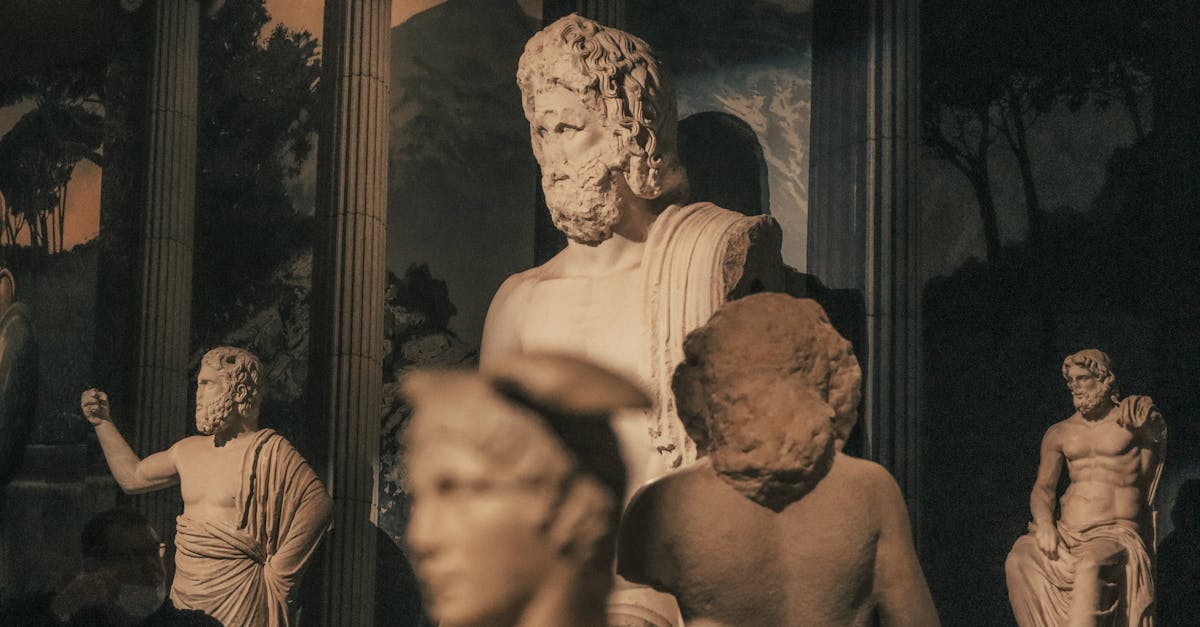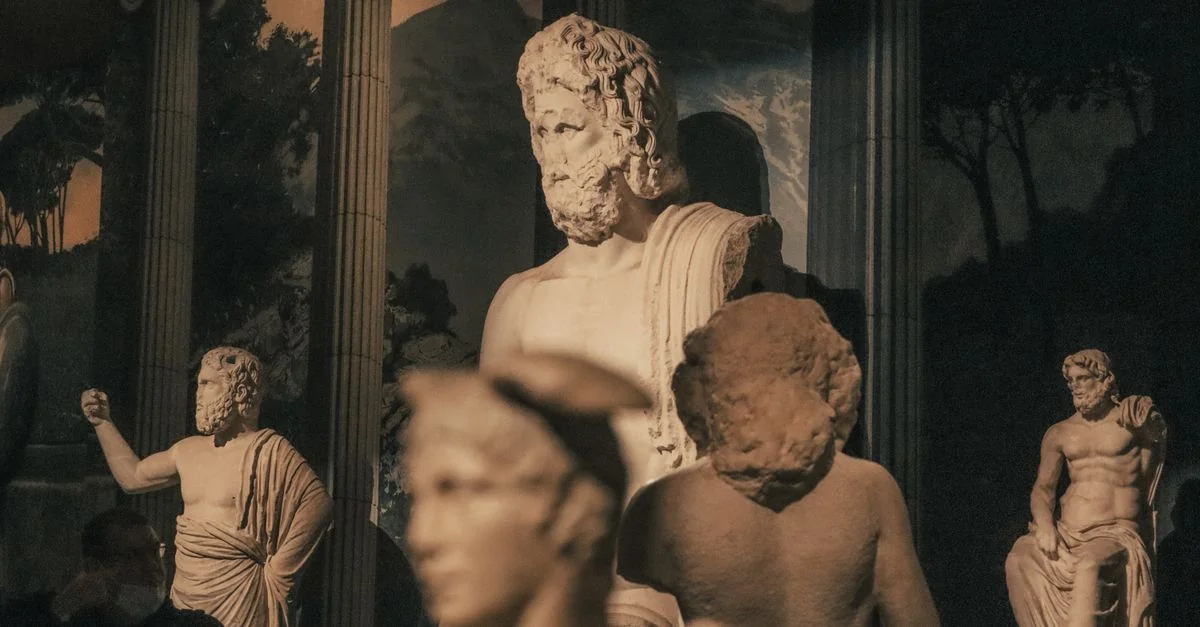
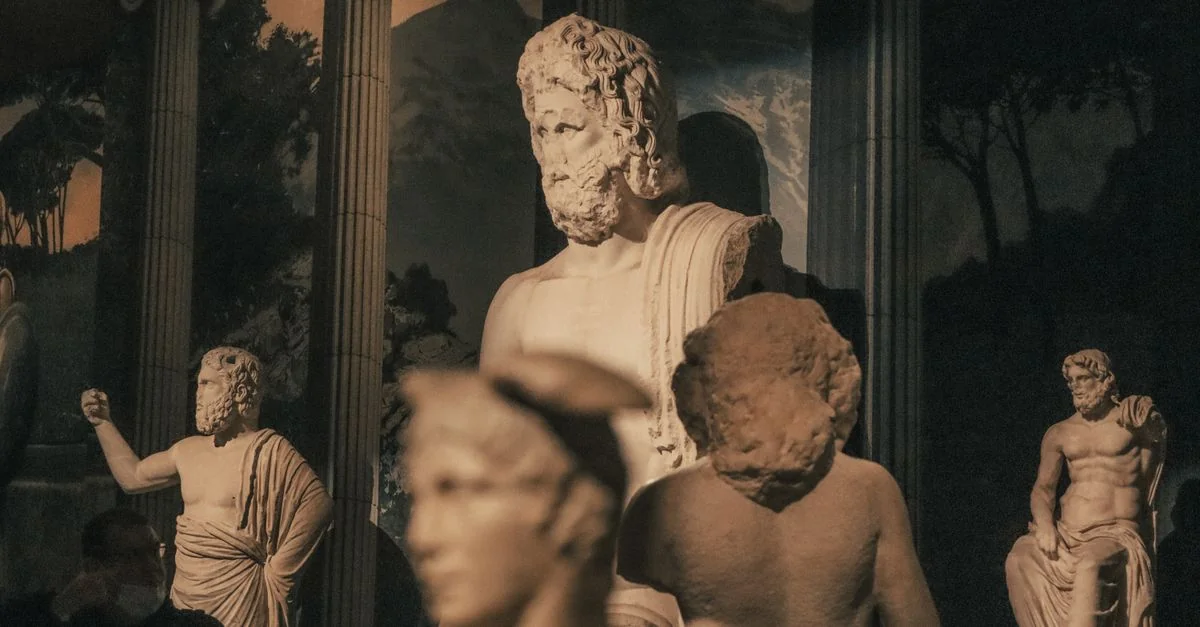
The bronze statue of Hermes by Praxiteles, housed in the museum at Olympia, remains one of the most significant encounters with human craftsmanship I have ever experienced. Seeing the way the marble—or in this case, the Parian marble original—captures the softness of skin and the delicate drape of cloth provides a direct line to the aesthetic values of the fourth century BCE. While Katakolo serves primarily as a seaside port, its true value lies in how it functions as the threshold to these profound artistic achievements. The transition from the salt air of the Ionian coast to the quiet, shaded groves of the Alpheios River valley is a journey through layers of Greek history that shaped Western art. Why Katakolo Is ideal for Art and History Lovers # Katakolo is often viewed merely as a point of arrival, but for those who prioritize historical context, it is the essential starting point for understanding the Peloponnese. The architecture of the port itself reflects a 19th-century mercantile history, but the draw here is the proximity to the sanctuary of Olympia. The site is not just a collection of ruins; it is an open-air museum of architectural evolution, displaying the shift from archaic structural forms to the refined proportions of the Classical period.
The bull-leaping fresco in the Heraklion Archaeological Museum remains one of the most sophisticated depictions of human movement in the ancient world. Standing before the plaster relief, you notice the rhythmic tension in the acrobat’s muscles, a detail that feels remarkably modern despite its age. Iraklio is not merely a transit point for ferries or a gateway to beaches; it is a dense layering of history where Venetian fortifications collide with the rigid, colorful geometry of the Bronze Age. Walking the city walls, you can trace the path of engineers who sought to protect this port from Ottoman advancement, while a short drive away, the ruins of Knossos reveal a civilization that prioritized light, ventilation, and intricate drainage systems long before the common era. Why Iraklio Is ideal for Art and History Lovers # Art in Iraklio is defined by its tactile nature. You do not just view the history here; you walk over it. The city serves as the primary repository for the Minoan civilization, which remains one of the most enigmatic chapters in Mediterranean history. The architecture of the city reflects a transition from the heavy, defensive stone of the Venetian period to the more open, eclectic styles that followed.
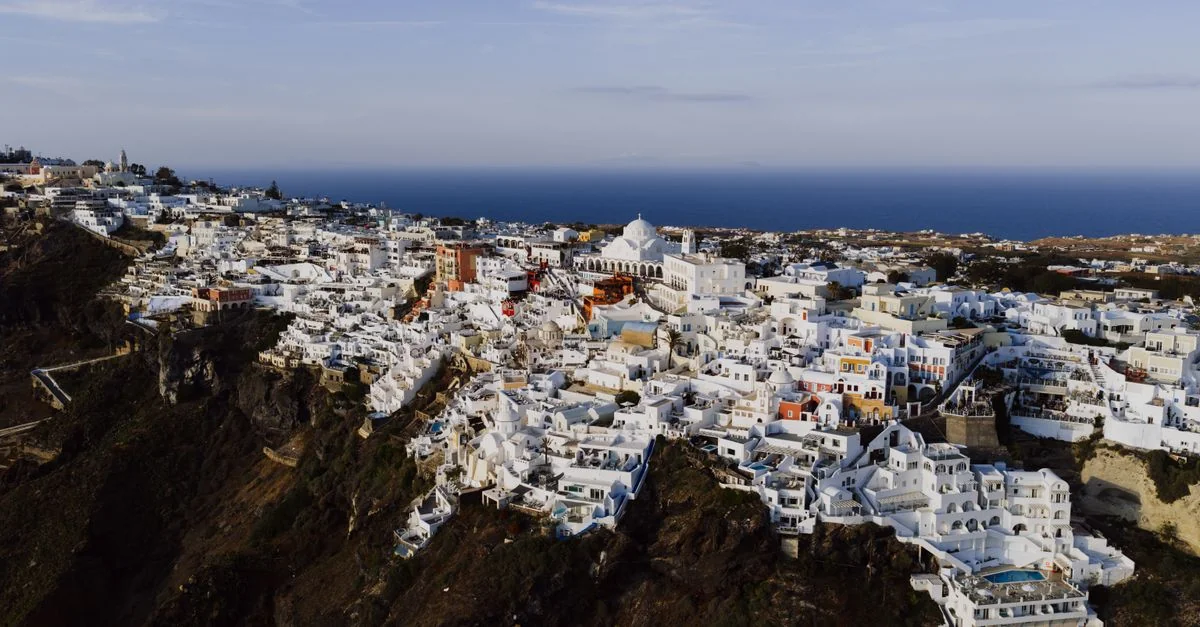
In 1967, archaeologists digging beneath the volcanic ash of Akrotiri—just a short distance from the cliffs of Fira—unearthed frescoes depicting saffron gatherers and young boxers painted more than three millennia ago. Standing on the caldera edge today, peering down at the sea-filled crater, those ancient pigments frame how I approach this Cycladic capital. Fira is not merely a postcard backdrop of blue domes and white-washed walls; it is a layered site where geological catastrophe preserved an extraordinary Aegean civilization. If you want to understand the physical and cultural foundation of this island beyond the cliffside cafes, you need to look closely at the remnants of its sacred architecture and deep archaeological record. Why Fira Is ideal for Art and History Lovers # When travelers step off the cable car or finish the climb up the stairs from the old port, many head straight for the souvenir shops. That is a tactical error if your goal is cultural engagement. Instead, turn your focus toward the Orthodox Metropolitan Cathedral and the Catholic Cathedral of Saint John the Baptist, which anchor the town’s spiritual geography. These structures reveal the architectural adaptation of a community rebuilding after earthquakes, utilizing local stone and neoclassical influences shaped by Venetian and Greek Orthodox histories.
Photo by dilara irem on Pexels
Why Acharnes Is ideal for Art and History Lovers # Photo by Jo Kassis on Pexels
As I wandered through Acharnes, I was immediately struck by the historical significance of the area. The ancient ruins and archaeological sites tell a story that spans centuries, and it’s a place where the past and present seamlessly intertwine. One of the most captivating moments was standing near the remains of the ancient theater, where echoes of performances from long ago still seem to linger in the air. This intimate connection to history is what makes Acharnes a remarkable destination for art and culture enthusiasts.
Photo by dilara irem on Pexels
Why Spata Is ideal for Art and History Lovers # Photo by Jo Kassis on Pexels
As I wandered through the streets of Spata, I was immediately struck by the juxtaposition of modernity and ancient history. One cannot help but be captivated by the remnants of the past, particularly the nearby archaeological sites that tell tales of a civilization that flourished thousands of years ago. The ancient ruins of the nearby Temple of Artemis at Brauron are a testament to the architectural prowess of the ancient Greeks. Standing amidst these ruins, I felt a connection to the rituals and beliefs that once defined this sacred space.
Photo by Mark Thomas on Pexels
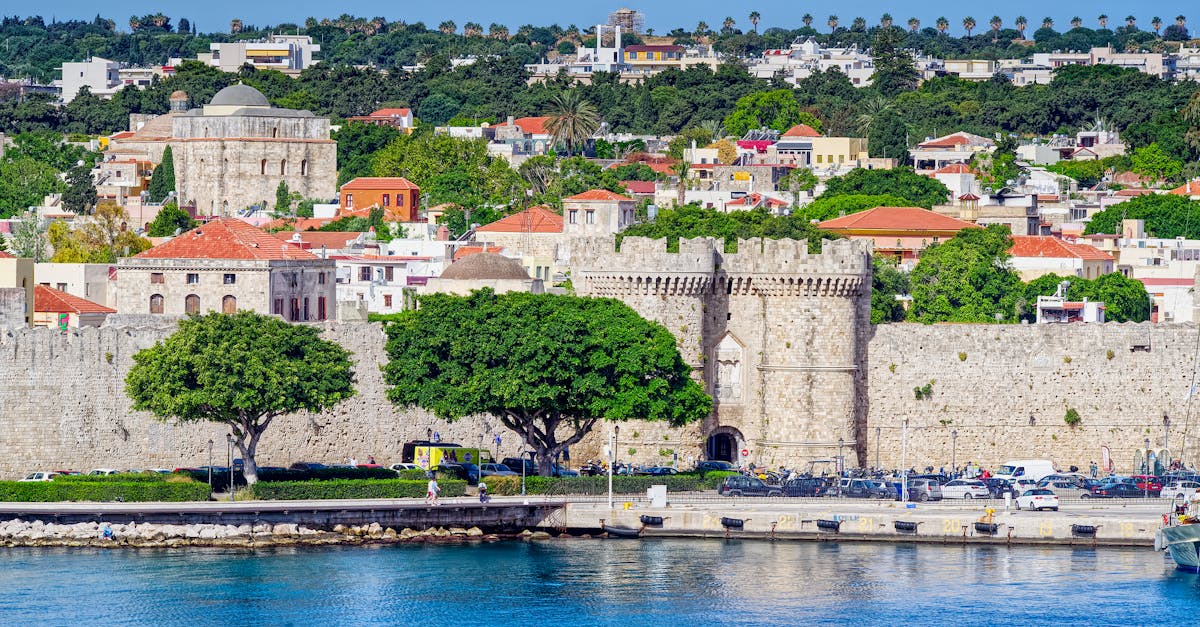
As I wandered through the ancient streets of Rhodes Town, I was captivated by the intricate details of the Palace of the Grand Master of the Knights of Rhodes. The stunning medieval architecture and the grand mosaics that decorate its interior transport you back to a time of chivalry and conquest. This remarkable structure not only serves as a museum but also as a testament to the island’s long history. For those who appreciate art and history, Rhodes Town offers an incredible array of experiences that are both enlightening and enjoyable.
Photo by dilara irem on Pexels
Why Alimos Is ideal for Art and History Lovers # Photo by Jo Kassis on Pexels
One of the standout features of Alimos is its proximity to Athens, where art and history intertwine seamlessly. The ancient ruins and modern art scenes are just a short journey away, making it an ideal base for exploring the rich narrative of Greek culture. Imagine standing before the Acropolis, where every stone tells a story of gods and heroes. The Parthenon, with its iconic columns, is a testament to the architectural prowess of ancient Greece, and its beauty is undeniable.
Photo by dilara irem on Pexels
Why Μύκονος Is ideal for Art and History Lovers # Photo by Jo Kassis on Pexels
Mykonos is often celebrated for its stunning beaches and nightlife, but beyond the sun-soaked shores lies a rich mix of art and history that deserves attention. One of the most striking features of Mykonos is the iconic windmills that dot the landscape, particularly the Kato Myli, which date back to the 16th century. These windmills are not just picturesque; they symbolize the island’s agricultural past and are a reminder of how the islanders harnessed the wind for their livelihood.
Photo by dilara irem on Pexels
Standing before the iconic windmills of Mykonos, I am reminded of the island’s long history and artistic spirit. These structures, with their whitewashed walls and striking sails, are more than just a picturesque backdrop; they represent the enduring legacy of the island’s maritime past. As I explore Mykonos, I find that art and culture are woven into every corner, making it an ideal destination for those who appreciate history and creativity.