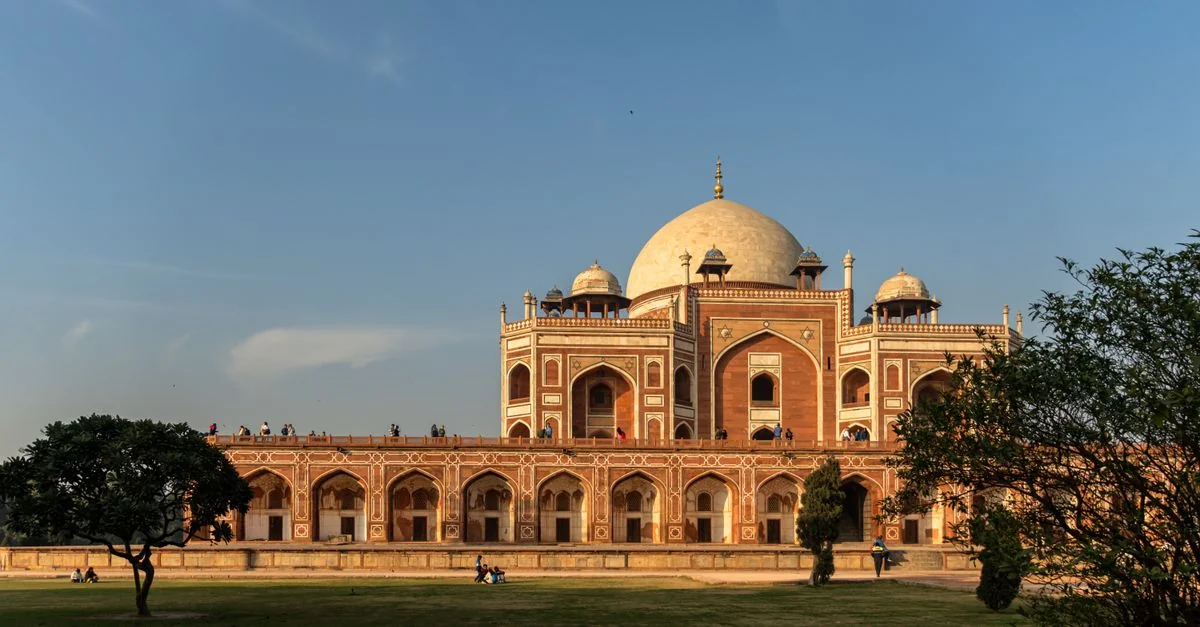
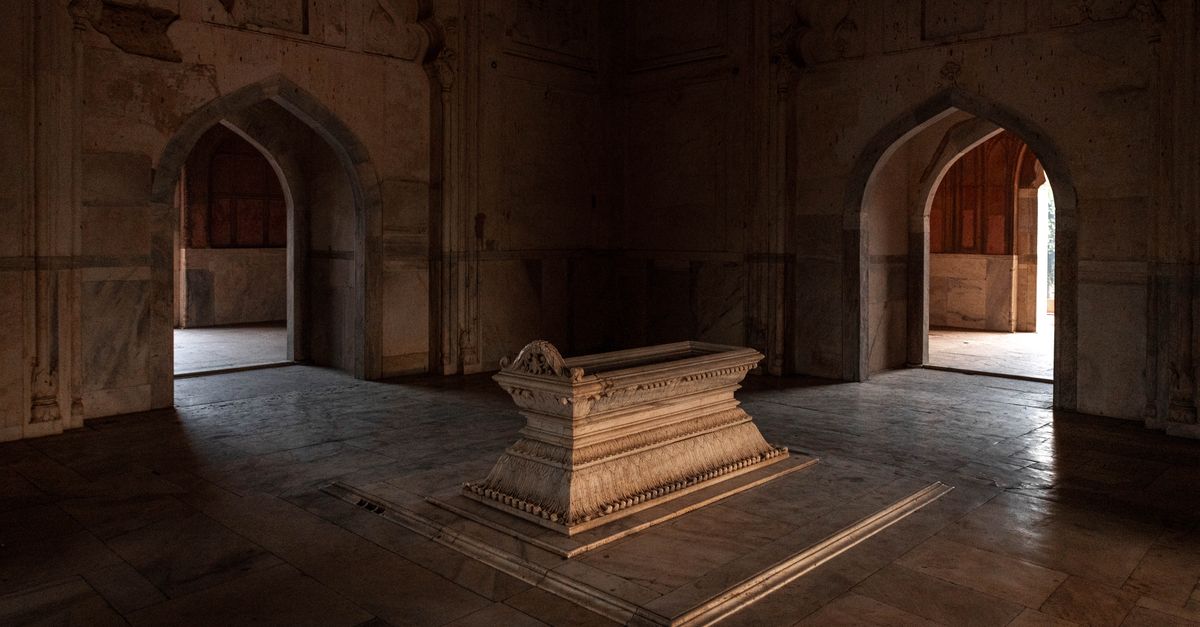
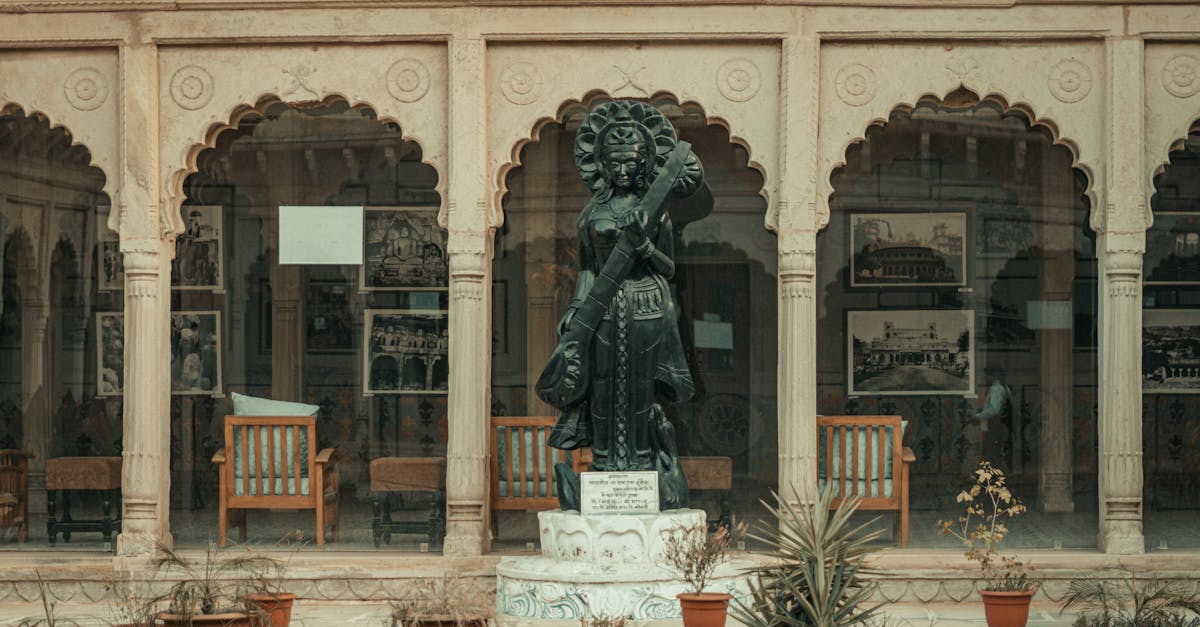
Delhi , the capital of India , is a city that breathes history and art. The moment you step into the Red Fort, you’re greeted by the grandeur of the Mughal architecture, a testament to the city’s rich past. The intricate carvings and the sheer scale of the structures leave you in awe, and it’s just the beginning of the cultural journey that is available. Why Delhi Is ideal for Art and History Lovers # Delhi is a great destination for art and history lovers. The city is a living museum, with its ancient temples, grand forts, and iconic monuments. The Qutub Minar, a UNESCO World Heritage Site, stands tall as a symbol of Delhi’s long history. The minaret, with its five storeys and a height of 73 meters, is a marvel of Islamic architecture. The intricate carvings and the delicate stonework are a testament to the skill and craftsmanship of the artisans of that time.

The moment I stepped into the grand entrance of the Bangalore Palace, the intricate carvings and the opulent architecture transported me to a different era. The palace, a testament to the Wodeyar dynasty’s grandeur, is worth visiting for anyone interested in Bengaluru ’s long history. The intricate carvings and the opulent architecture transported me to a different era. The palace, a testament to the Wodeyar dynasty’s grandeur, is worth visiting for anyone interested in Bengaluru’s long history. Why Bengaluru Is ideal for Art and History Lovers # Bengaluru, often referred to as the “Silicon Valley of India ,” is also a great destination of art and history. The city’s blend of modernity and tradition makes it a unique destination for culture enthusiasts. The Bangalore Palace, for instance, is a stunning example of Indo-Saracenic architecture, a style that emerged in the late 19th and early 20th centuries. The palace’s intricate carvings and the opulent architecture transported me to a different era. The palace, a testament to the Wodeyar dynasty’s grandeur, is worth visiting for anyone interested in Bengaluru’s long history.
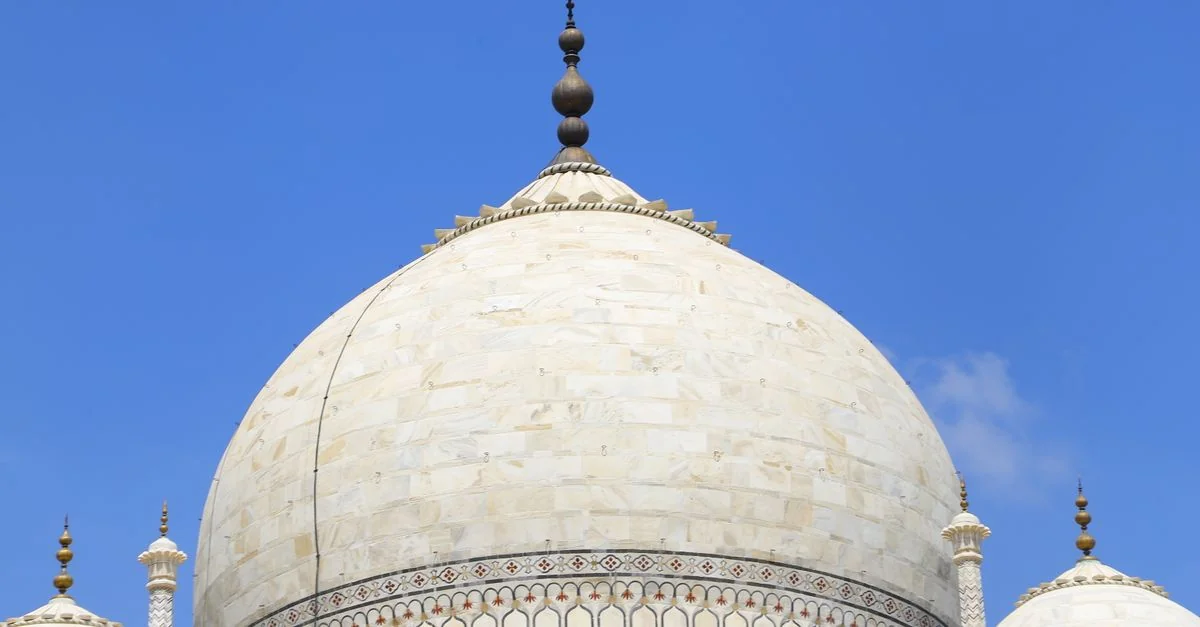
The moment you step into the Agra Fort, the intricate carvings on the walls seem to whisper tales of a bygone era. The red sandstone facade, adorned with delicate floral motifs and geometric patterns, is a testament to the architectural prowess of the Mughal rulers. As you walk through the fort, the echoes of history linger, making you feel like you’re not just a visitor, but a witness to a living museum. Agra Division , a region in northern India , is a great destination for art and history enthusiasts. The division is home to some of the most iconic landmarks in the world, including the Taj Mahal, Agra Fort, and Fatehpur Sikri. These sites are not just architectural marvels but also repositories of deep history, offering a glimpse into the opulent lifestyle of the Mughal emperors.
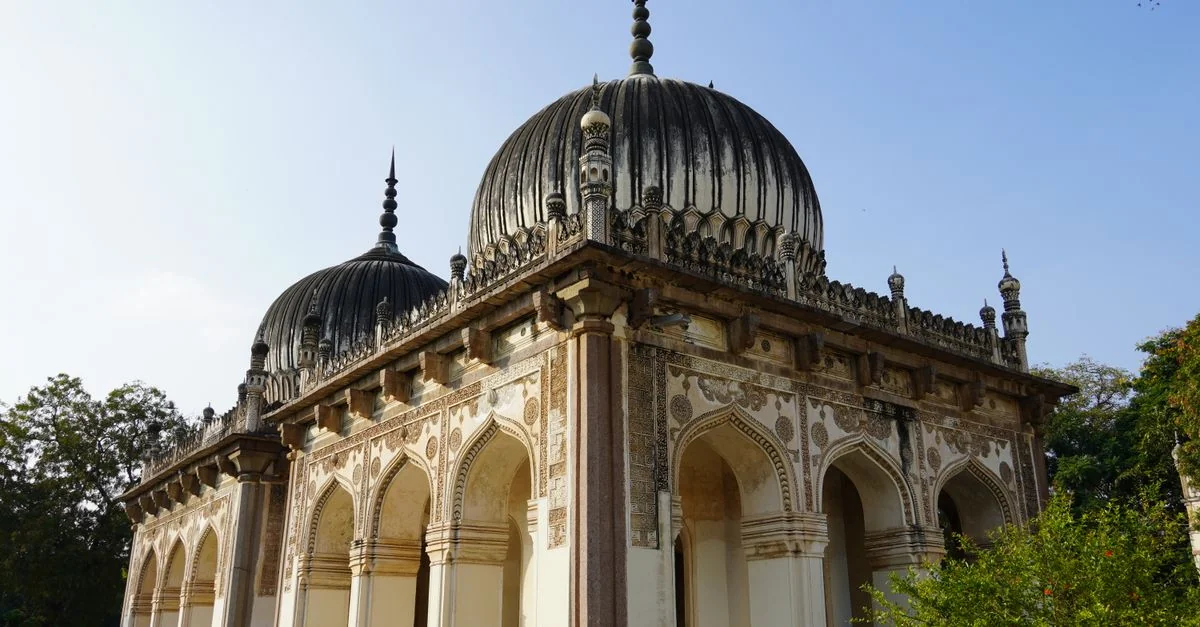
The four minarets of the Charminar rise above the old city of Hyderabad like a limestone compass, their stucco ornamentation reflecting the Qutb Shahi dynasty’s preference for Indo-Islamic precision. Standing at the base of this structure, you notice the intricate carvings that have withstood centuries of monsoon rains and urban expansion. It is here, in the heart of Telangana, that the past remains physically present, etched into the granite of fortresses and the delicate arches of mosques. Understanding this region requires moving beyond the surface level of modern transit and focusing on the specific engineering feats of the Deccan Plateau. Why Telangana Is ideal for Art and History Lovers # Telangana serves as a bridge between the architectural traditions of the north and the Dravidian motifs of the south. The history here is defined by the transition from the Kakatiya dynasty to the Bahmani and Qutb Shahi rulers, a sequence that left behind a distinct visual language. You see this in the geometric patterns of the tombs and the defensive walls of the Golconda Fort, which utilize acoustic engineering that still functions today.

The towering gopurams of the Meenakshi Amman Temple in Madurai serve as a masterclass in Dravidian architecture. Each tier is crowded with stucco deities, their expressions frozen in a permanent state of celestial drama. Standing at the base of these structures, you realize that the art of Tamil Nadu is not confined to the sterile glass cases of a gallery; it is a living, breathing entity carved directly into the bedrock of the landscape. The precision of the stone-cutters, who turned granite into fluid drapery and delicate jewelry, remains one of the most compelling reasons to explore this southern Indian state. Why Tamil Nadu Is ideal for Art and History Lovers # Tamil Nadu operates on a scale of antiquity that is difficult to process. While many regions in India focus on the aesthetics of the Mughal era, Tamil Nadu remains the stronghold of the Chola, Pandya, and Pallava dynasties. The art here is defined by its verticality and its narrative density. In the temples of Thanjavur or the rock-cut shrines of Mahabalipuram, every pillar serves as a page in a historical manuscript.
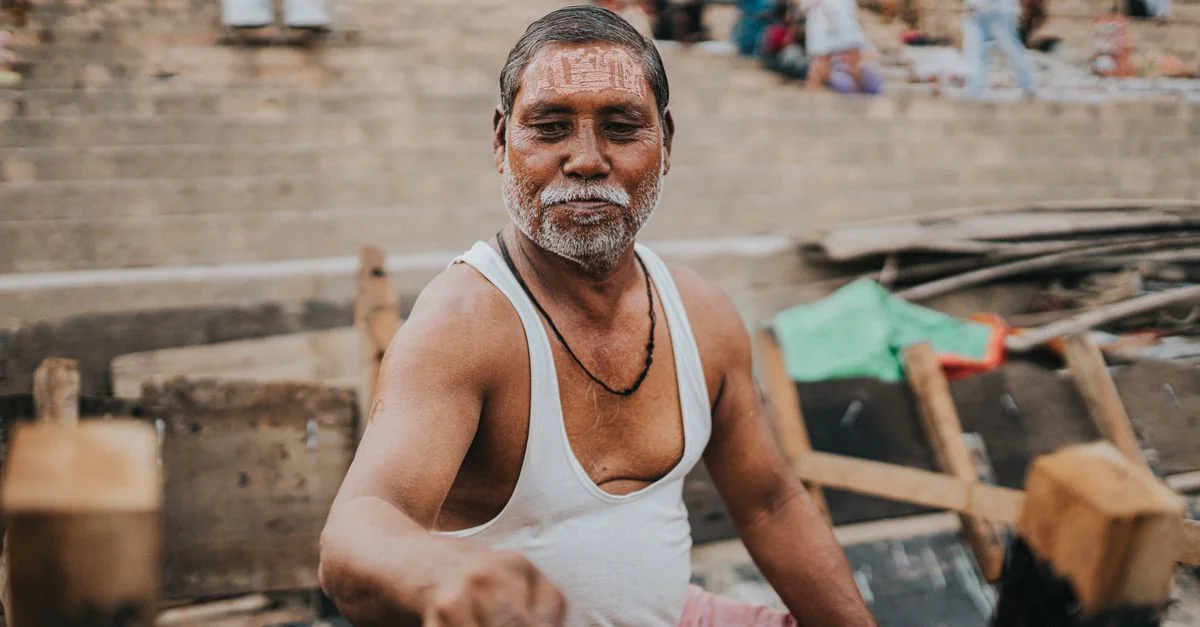
Standing before the colossal Dhamek Stupa in Sarnath, where the ground still holds the resonance of Buddha’s first teaching in 594 BCE, I realized how physical history becomes in this ancient landscape. Varanasi operates on an entirely different temporal scale. As someone who spends my life tracking the intersection of artistic expression and civic ritual, I find this city offers a rare portal into unbroken traditions of craftsmanship, architecture, and spiritual iconography. Why Varanasi Is ideal for Art and History Lovers # Few places on earth sustain such an ancient continuum of creative labor. The narrow lanes, known locally as gullyar, wind past workshops where master weavers handloom Banarasi silk brocades using techniques passed down through generations. Bronze casters, miniature painters, and stone sculptors work within feet of shrines that have stood for millennia. The architecture along the riverfront ghats displays centuries of stone masonry, featuring intricate brackets, carved balconies, and shrines that shift color from ochre to gold as the sun moves across the Ganges.
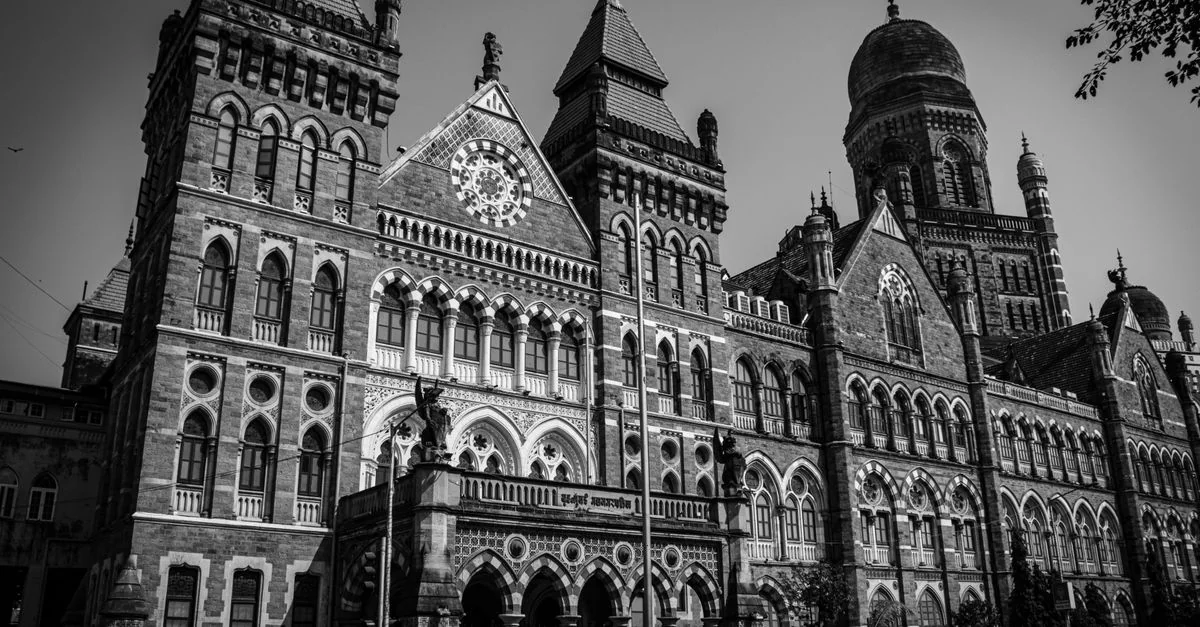
The basalt arches of the Gateway of India stand as a stoic reminder of the city’s complex colonial past. When you stand beneath the central dome, looking out toward the Arabian Sea, the intricate latticework and the sheer scale of the Indo-Saracenic architecture command attention. It is here, at the edge of the water, that you begin to understand how Mumbai functions as a bridge between centuries. The city does not merely house history; it breathes it through its Victorian Gothic railway stations, its Art Deco residential blocks along Marine Drive, and the quiet, curated spaces of its museums. Why Mumbai Is ideal for Art and History Lovers # Mumbai serves as a focal point for those who want to see how global influences settled into the Indian landscape. The city’s architectural identity is a direct result of its geography as a major port. Walking through the Fort area, you encounter buildings that mimic the grandiosity of London , yet they are constructed from local materials and adapted for the humid, tropical climate. This is not a city that hides its history; it displays it on every street corner.
Standing before the weathered clay kilns of central Mumbai , watching artisans shape wet earth into functional vessels with rapid, practiced movements, you immediately sense the deep creative pulse of this coastal region. My journey through the Konkan Division always reminds me that art here lives in the streets, the small studios, and the daily rhythms of local makers rather than just inside sterile white-cube galleries. Why Konkan Division Is ideal for Art and History Lovers # The creative identity of this coastal stretch spans centuries of maritime trade, local craftsmanship, and dense urban evolution. While many travelers rush past the regional nuances to reach the standard monuments, I prefer wandering through the older neighborhoods where traditional trades persist against the backdrop of a modern metropolis.
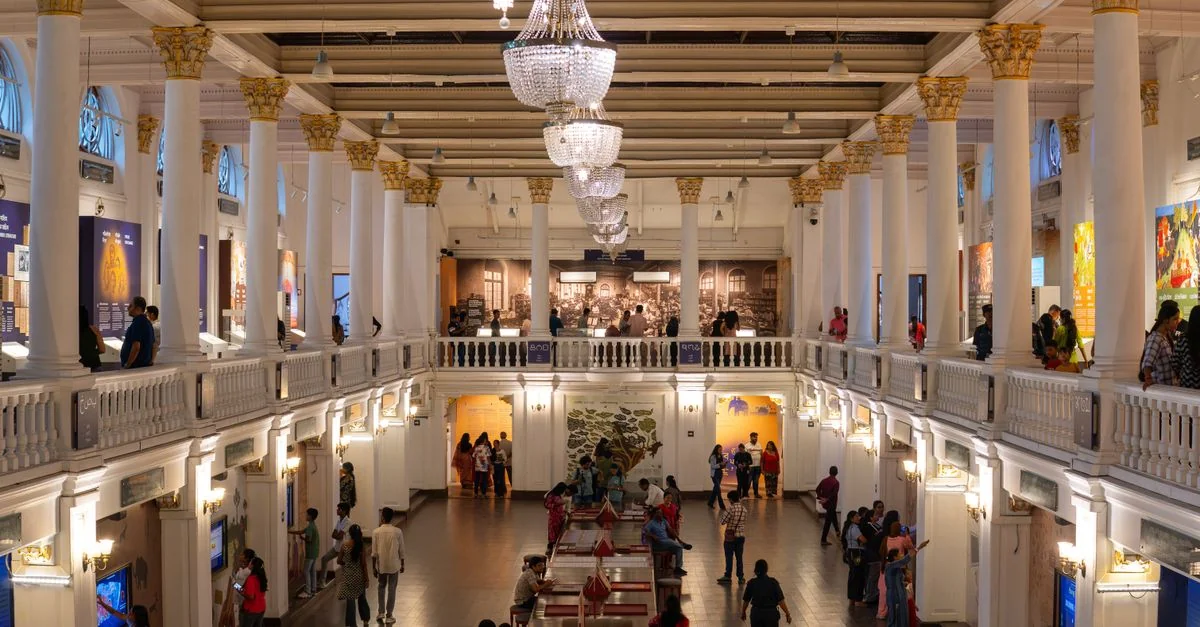
Why Delhi Division Is ideal for Art and History Lovers # Standing at the edge of the Red Fort’s massive sandstone walls, I felt the weight of centuries in every crack and carved motif. Delhi Division is not simply a city; it is a living museum that stretches from the austere elegance of Mughal architecture to the bold strokes of contemporary Indian art. The city’s museums, galleries, and historic monuments offer a layered narrative of India ’s past, its colonial encounters, and its modern aspirations. From the National Museum’s extensive collection of sculptures and textiles to the modernist displays at the National Gallery of Modern Art, each institution invites visitors to trace the evolution of artistic expression across eras.
📌 More about Amritsar
📋 India visa policy 📱 India eSIM plans 🚌 daytrips in India 📌 More about Amritsar
📋 India visa policy 📱 India eSIM plans 🚌 daytrips in India