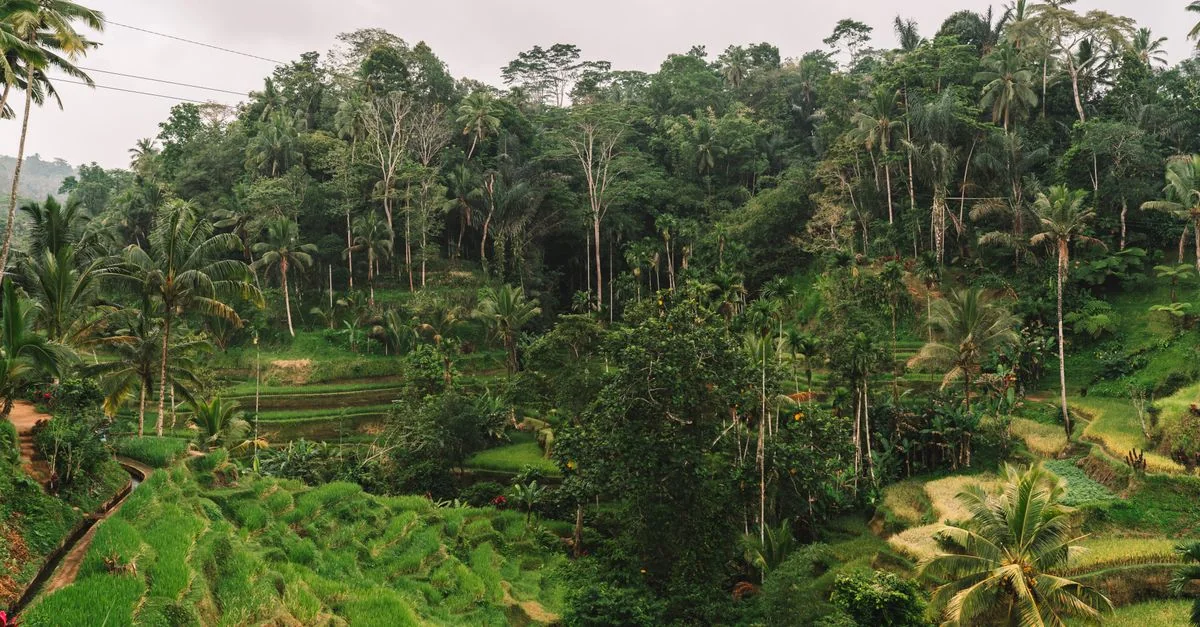
When I trace my fingers across the intricate, hand-chiselled stone temple reliefs around Ubud , I feel the direct connection between daily Balinese life and centuries of spiritual devotion. This town in the rolling hills of Bali operates as an active canvas where painting, wood carving, and sacred architecture form the rhythm of existence. As a traveler who tracks artistic movements and historical layers, I find that Ubud demands a deliberate pace. You cannot rush through an architectural tradition that treats every doorway as an offering. Why Ubud Is ideal for Art and History Lovers # The creative energy here stems from royal patronage and a deep-rooted spiritual philosophy known as Tri Hita Karana, which harmonizes humans with gods, nature, and each other. Painters and sculptors migrated to these highlands decades ago, drawn by the quality of light and the abundance of natural materials like teak, volcanic stone, and organic dyes. Walk down any side street, and you will hear the rhythmic tap of a chisel meeting wood, or watch an elder weaving palm fronds for daily temple ceremonies. The art here is not locked behind glass for passive viewing; it lives in the courtyards, frames the doorways, and dictates the layout of ancient water shrines.
Standing before the weathered red brickwork of Candi Tikus, located just outside Surabaya, I found myself tracing the geometric contours of a structure that once served as a ritual bathing place for Javanese royalty. This thirteenth-century archaeological site anchors the region’s deep historical narrative, connecting the modern streetscape of East Java’s largest city directly to the medieval Majapahit Empire. As a traveler who measures a destination by its physical artifacts and enduring artistic traditions, I discovered that Surabaya offers a distinct lens into Indonesian heritage, far removed from the typical beach resort circuit. Why Surabaya Is ideal for Art and History Lovers # Surabaya operates as a city forged in the fires of anti-colonial resistance and shaped by centuries of maritime trade. The architecture shifts dramatically from the crumbling colonial facades of the Red Bridge district to the neighborhood of Kampong Lawas Maspati, where traditional Javanese dwellings stand quietly behind narrow alleys. Local galleries and civic museums house the tangible remains of eras when Hindu-Buddhist kingdoms and Islamic sultanates held sway over the archipelago.
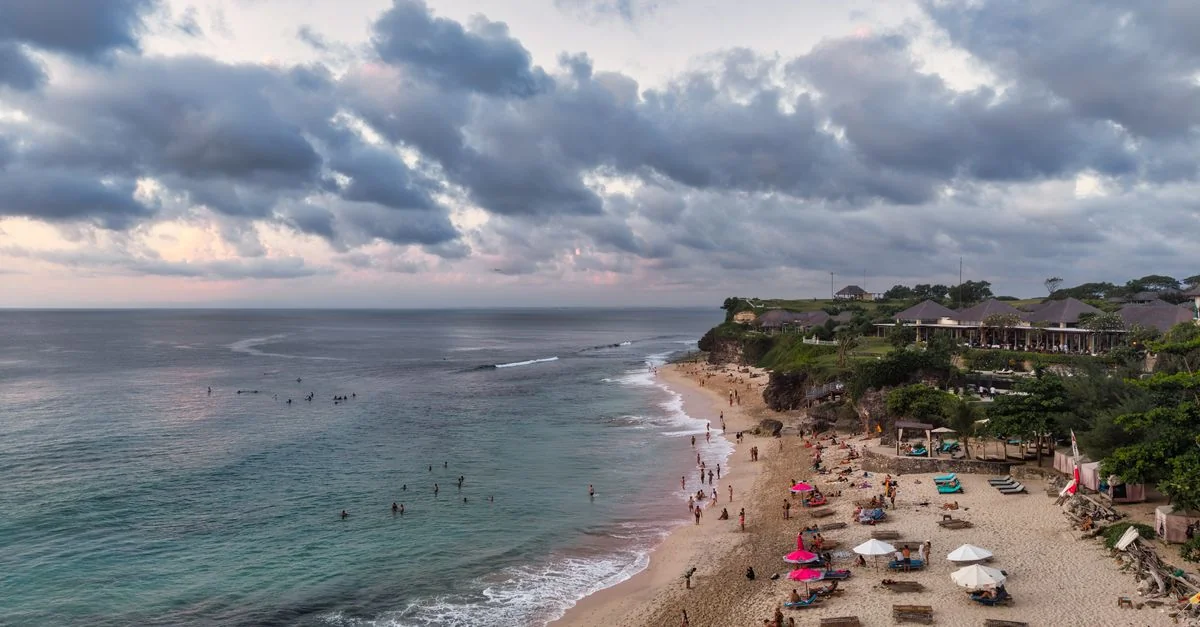
Standing before the intricate stone reliefs carved into the temple walls of southern Bali , I always trace the deep grooves left by the sculptor’s chisel. These detailed narrative panels depict ancient epics, anchoring the island’s coastal geography in centuries of storytelling. While this region is frequently recognized for its manicured lawns and guarded resort gates, a closer inspection reveals significant artistic traditions that extend far beyond the hotel pools. Why Nusa Dua Is ideal for Art and History Lovers # When travelers think of southern Bali, pristine beaches and luxury hospitality usually come to mind. Yet, the area serves as an ideal baseline for exploring Balinese craftsmanship, temple architecture, and performing arts. Local stone carvers still practice techniques passed down through generations, utilizing soft paras sandstone to adorn local shrines with floral motifs and mythological figures. Traditional painters maintain the Kamasan style, utilizing natural pigments to illustrate Hindu epics on cloth and bark paper.
Standing before the intricate stone reliefs of Pura Jagatnatha, watching the afternoon sunlight catch the carved basalt figures depicting Hindu epics, you realize Kota Denpasar operates on a different rhythm than the rest of the island. While travelers often rush past the provincial capital toward the southern beaches, this city holds the actual creative pulse of Bali . Here, centuries-old performance traditions share streets with modern markets, and the architecture tells stories of kingdoms past and present. Why Kota Denpasar Is ideal for Art and History Lovers # Art and history in Kota Denpasar live out in the open, far beyond the glass cases of standard galleries. The city serves as the administrative and cultural heartbeat of Bali, where traditional craftsmanship passes seamlessly from generation to generation. Walking through the older quarters, you notice how daily offerings intersect with stone carvings on family compounds and neighborhood temples.
Stepping onto the historic grounds of Pura Jagatnatha, the city’s primary public Hindu temple, you immediately notice the absence of mortar. The intricate carvings of the towering shrine are crafted entirely from white sandstone, depicting ancient mythological tales from the Mahabharata. This architectural detail sets the tone for Denpasar , where traditional Balinese beliefs quietly anchor daily urban life. As a traveler who tracks down the physical evidence of ancient civilizations and local craftsmanship, I spent days navigating the city’s cultural landscape to separate the generic tourist traps from the genuinely educational stops. Why Denpasar Is ideal for Art and History Lovers # While many travelers treat Denpasar merely as a transit point to the beaches further south, anyone interested in anthropology and traditional arts will find plenty to study here. The city serves as the administrative and historical heart of southern Bali , housing institutions that preserve the island’s complex artistic lineage. From stone-carved temple walls along major intersections to collections of ethnographic artifacts, the physical layers of the city tell stories of kingdoms past and ongoing spiritual traditions.