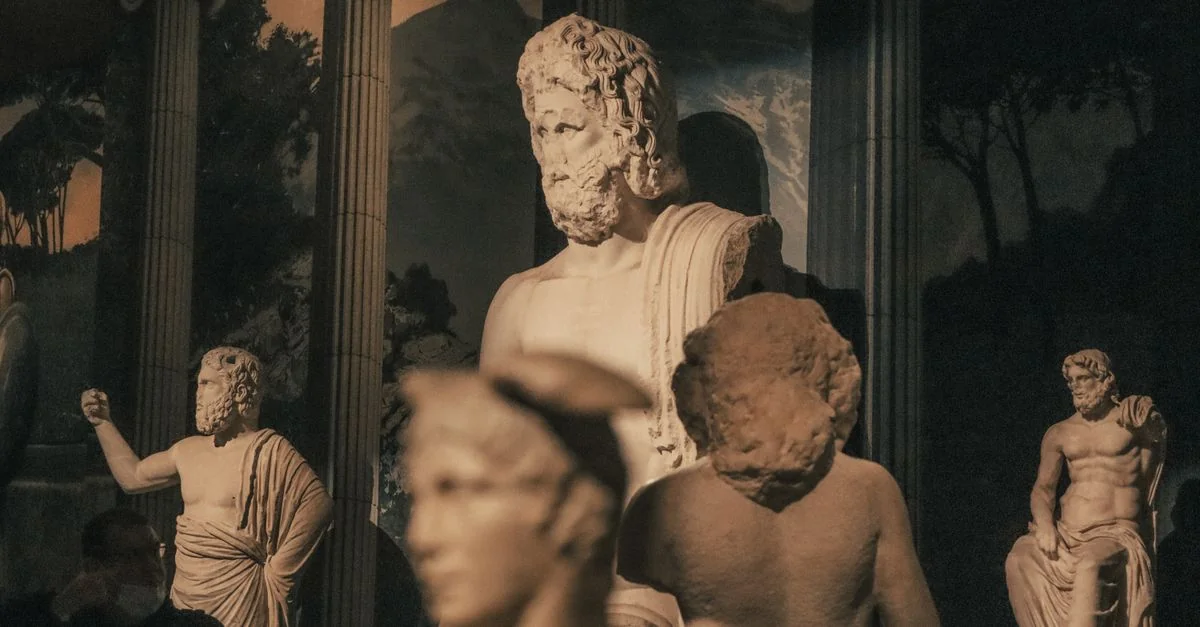
Iraklio: A Study in Minoan Geometry and Venetian Stone
The bull-leaping fresco in the Heraklion Archaeological Museum remains one of the most sophisticated depictions of human movement in the ancient world. Standing before the plaster relief, you notice the rhythmic tension in the acrobat’s muscles, a detail that feels remarkably modern despite its age. Iraklio is not merely a transit point for ferries or a gateway to beaches; it is a dense layering of history where Venetian fortifications collide with the rigid, colorful geometry of the Bronze Age. Walking the city walls, you can trace the path of engineers who sought to protect this port from Ottoman advancement, while a short drive away, the ruins of Knossos reveal a civilization that prioritized light, ventilation, and intricate drainage systems long before the common era. Why Iraklio Is ideal for Art and History Lovers # Art in Iraklio is defined by its tactile nature. You do not just view the history here; you walk over it. The city serves as the primary repository for the Minoan civilization, which remains one of the most enigmatic chapters in Mediterranean history. The architecture of the city reflects a transition from the heavy, defensive stone of the Venetian period to the more open, eclectic styles that followed.