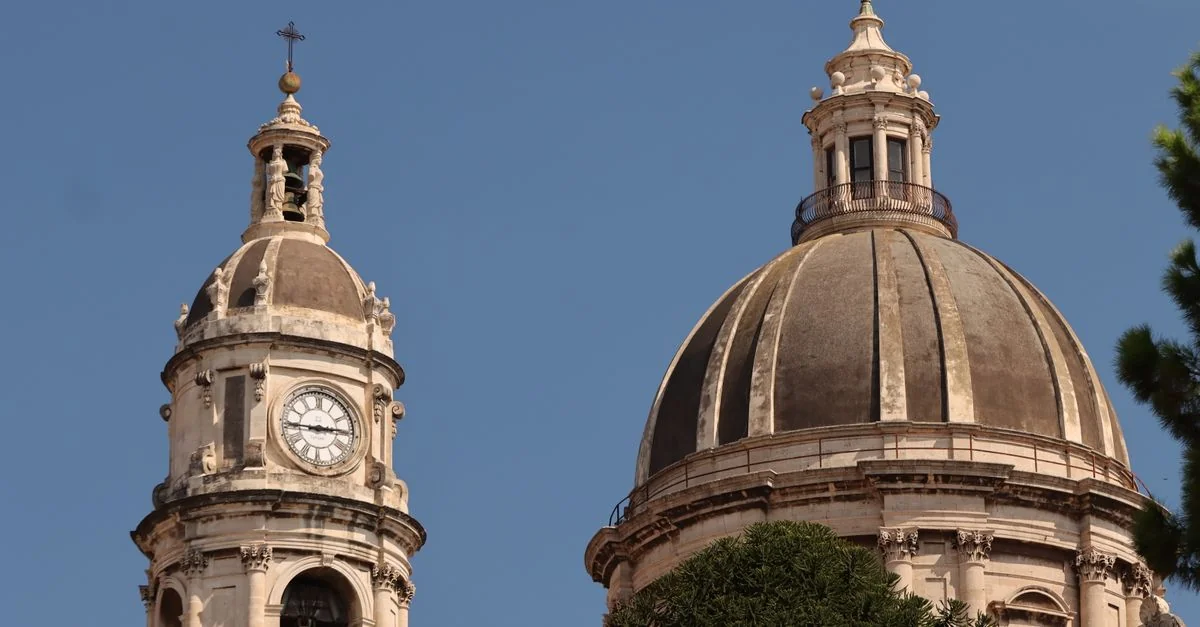
The moment I stepped into Catania ’s historic center, I was struck by the intricate details of the city’s architecture. The facade of the Cathedral of Sant’Agata, with its mix of Norman, Byzantine, and Gothic styles, immediately drew my attention. The cathedral’s interior is a masterpiece of Sicilian Baroque, with its golden altarpieces and ornate frescoes. It’s a testament to Catania’s long history and the city’s role as a cultural hub in the Mediterranean. Catania is a city that breathes art and history. From its ancient Greek roots to its modern-day ceramic masterpieces, every corner tells a story. As a culture and art travel blogger, I’ve had the privilege of exploring this Sicilian gem, and I’m excited to share my experiences with you.

I stood in the grand stairwell of the Palazzo Reale, tracing the gilded plasterwork with my eyes as the morning light hit the ceiling frescoes. Turin has a way of surprising travelers who expect only automotive factories from Italy ’s northern powerhouse. Instead, this former royal capital offers a distinct architectural dignity, born from its grid-like Roman foundations and centuries of Savoy rule. When I travel for art and history, I look for places where the streetscapes feel like open-air galleries, and Turin delivers this through its uniform baroque facades, grand piazzas, and an unhurried cafe culture. Why Turin Is ideal for Art and History Lovers # Walking through the city center, the architectural shift from medieval alleys to sweeping 17th-century boulevards tells the story of the House of Savoy. The city’s layout was designed to project power, with long avenues framing the snow-capped Alps in the distance. Beyond the royal architecture, the urban fabric houses exceptional collections of historical artifacts, fine art, and design objects that span centuries.
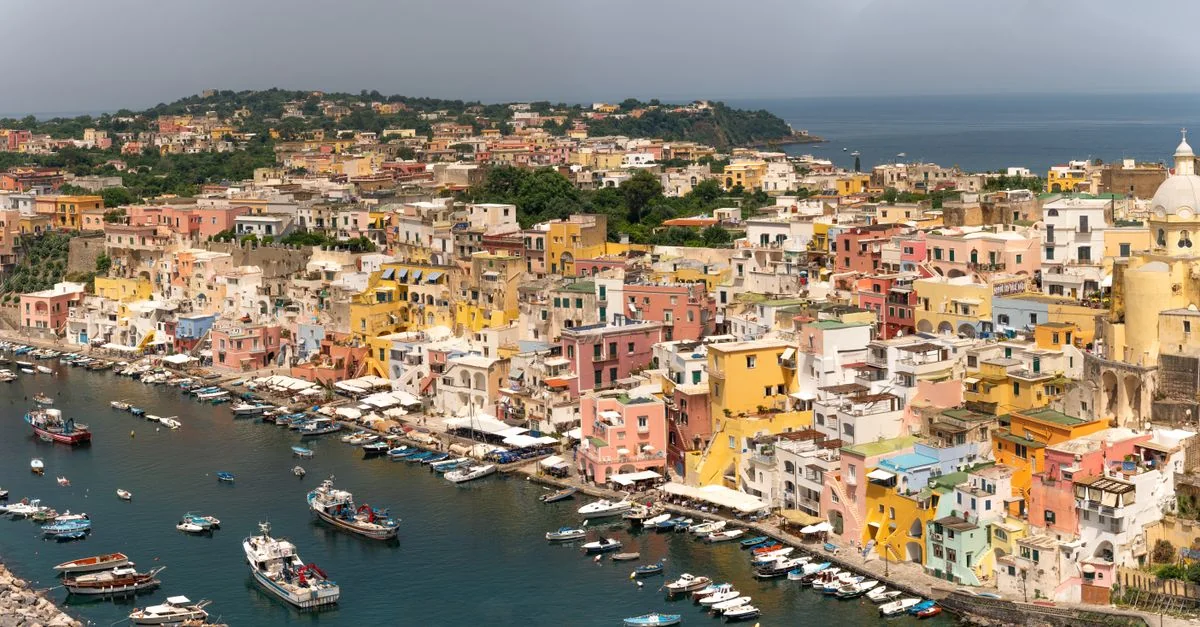
Standing before the carved wooden intarsia panels inside Sorrento ’s Museo Correale di Terranova, I immediately understood that this cliffside Campanian town is far more than a coastal stopping point for sunseekers. The intricate wood inlay work captures centuries of local artisan tradition, reflecting the same meticulous craftsmanship found across the region’s ancient ruins and historic workshops. Why Sorrento Is ideal for Art and History Lovers # Perched dramatically on tufa cliffs overlooking the Bay of Naples , Sorrento serves as a geographic and historical bridge to antiquity. The town’s ancient Greek orthogonal street pattern still dictates the layout of the historic center, where narrow alleys wind past medieval stone archways and Baroque churches like the Basilica of San Antonino. Art enthusiasts can trace the evolution of Southern Italian aesthetics from Greco-Roman artifacts in local collections to the distinct maritime paintings of the 19th-century School of Posillipo. Every corner reveals physical layers of Greek, Roman, Byzantine, and Bourbon rule, making the town an essential destination for anyone looking to understand the broader cultural landscape of Southern Italy .
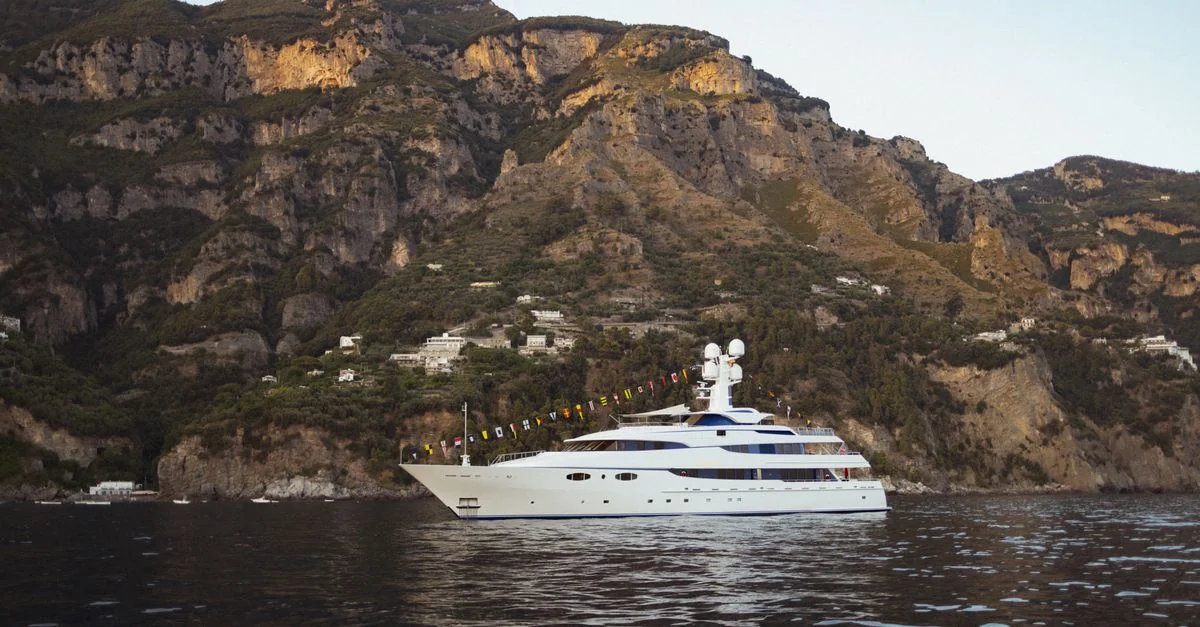
Standing before the imposing bronze doors of the Salerno Cathedral, observing the intricate Byzantine-style details cast in Constantinople during the eleventh century, you immediately sense the city’s layered past. While many travelers use this coastal destination merely as a transit point for the Amalfi Coast, I find that spending time in Salerno reveals a distinct artistic identity shaped by Norman kings, medieval medical scholars, and ancient Roman neighbors. Why Salerno Is ideal for Art and History Lovers # Salerno rewards those who slow down and examine its architectural transitions. The medieval historic center, known locally as the Centro Storico, features narrow alleys opening into sunlit piazzas where Baroque churches sit atop earlier Roman foundations. Walking past the Complesso Monumentale di Santa Sofia , you encounter spaces that once hosted historic civic gatherings and now showcase contemporary art exhibitions. The city’s maritime history is visible in its stone fortifications and the layout of the old port, which connected this Campanian hub to trade routes across the Mediterranean.
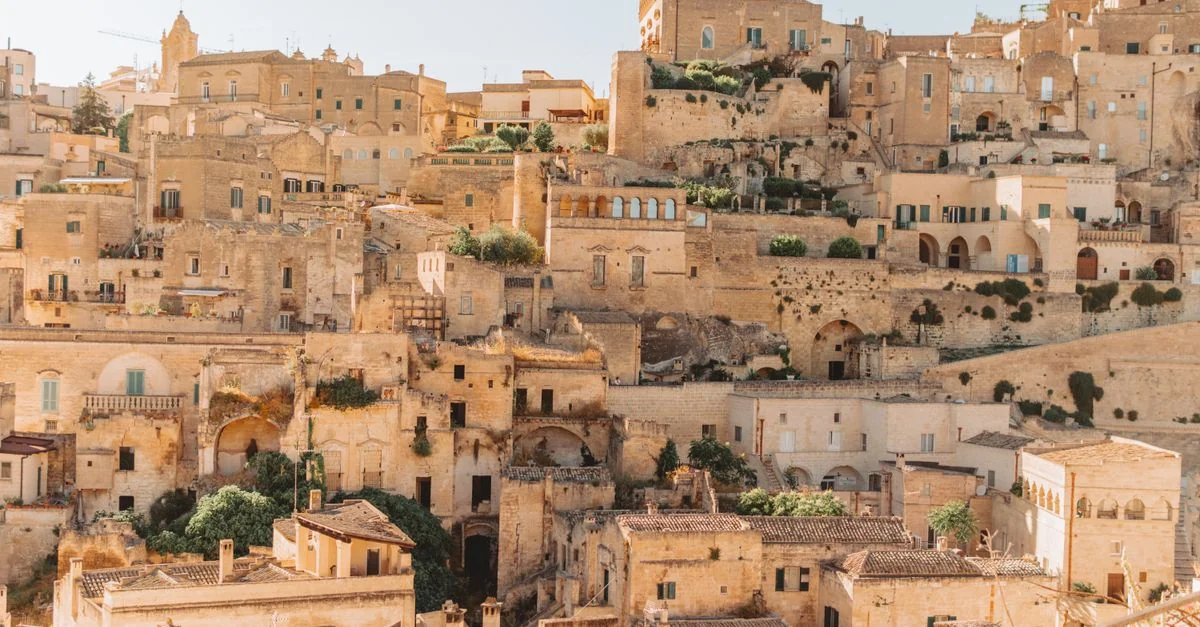
The weathered basalt stones of the ancient Roman road near Chia serve as a silent testament to the engineering precision of a civilization that once spanned continents. Standing on this path, you can almost hear the rhythmic clatter of cart wheels that traversed these routes centuries ago. This is the reality of SU—a place where history is not confined behind glass cases, but is instead etched into the very topography of the landscape. For those of us who prefer our history with a side of coastal wind and rugged terrain, this region offers a rare opportunity to walk the same ground as the Romans. Why SU Is ideal for Art and History Lovers # SU remains one of the few places where the intersection of geography and archaeology feels completely unmediated. Unlike the manicured museum corridors of major European capitals, the history here is exposed. The Roman road near Chia is not merely a path; it is a structural narrative of how the empire connected its periphery to its center. When you walk these trails, you are observing the logistical backbone of the Mediterranean. The preservation of these sites relies on the harsh, beautiful climate of the island, which has kept these ruins from being swallowed by urban development.

Standing inside the Basilica of San Vitale in RA, my eyes adjusted to the dim interior before locking onto the 6th-century apse mosaic of Empress Theodora. Every single glass tessera was set at a slight angle by the Byzantine artisans, deliberately catching the flickering candlelight so the gold leaf background appeared to shiver and glow against the damp Italian air. That exact moment of stillness, surrounded by centuries of turquoise and lapis lazuli, explains why this northern Italian city holds such a powerful pull for anyone obsessed with late antique art. Why RA Is ideal for Art and History Lovers # RA functions as a quiet open-air archive for early Christian and Byzantine visual culture. Unlike Rome or Florence , where monuments scatter across sprawling urban centers, the core architectural marvels here sit within walking distance of one another, preserving an intact artistic program from the Western Roman Empire’s twilight years. You can walk from the Orthodox Baptistery—where the ceiling mosaic depicts the baptism of Christ in concentric rings of astonishingly preserved color—straight to the Mausoleum of Galla Placidia. Inside that tiny brick cross-shaped building, the dark blue barrel vaults are studded with hundreds of golden stars that have not faded since the year 430.
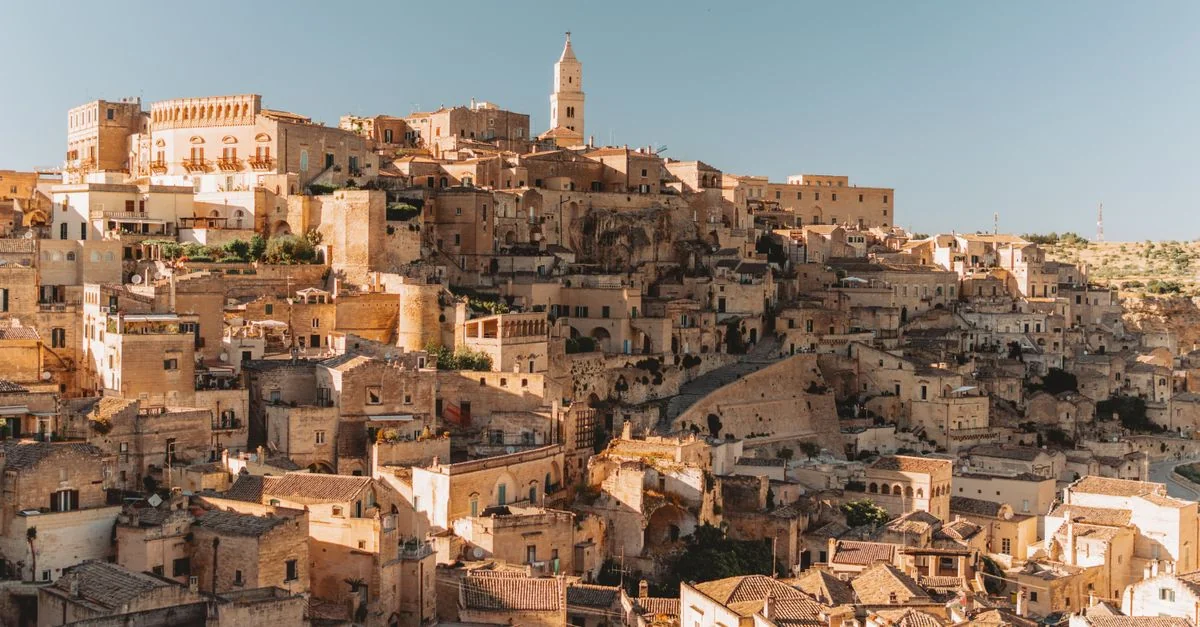
Standing before the weathered limestone arches of the old city walls in BA, I trace fingers over tool marks left by medieval masons centuries ago. This southern Italian coastal settlement operates as a living archive where street life spills out from behind Roman foundations and Byzantine basilicas. When I travel here, my focus centers strictly on the physical evidence of past civilizations. The archaeological layers beneath the modern pavement demand attention from anyone who values genuine historical investigation over superficial sightseeing. Why BA Is ideal for Art and History Lovers # Few Mediterranean cities maintain such an accessible physical record of continuous habitation. Walking through the older districts means treading directly above centuries of urban development. Beneath the current street level lie the remnants of Roman villas, early Christian basilicas, and medieval foundations that tell the authentic story of the region’s geopolitical shifts. The architectural details on surviving portals and stone reliefs reflect successive waves of Greek, Roman, Byzantine, and Norman influences. This density of historical material makes the city an essential destination for anyone interested in Mediterranean antiquity.
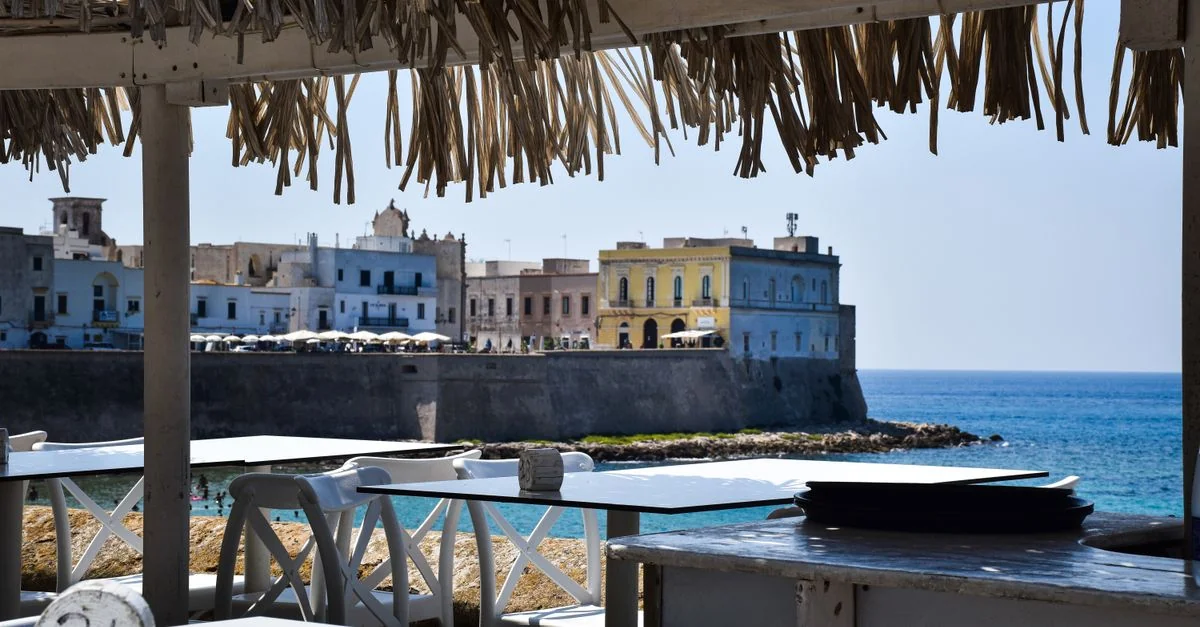
The Norman Castle of Aci Castello sits perched upon a jagged basalt cliff, its dark, porous stone a stark reminder of the volcanic activity that shaped this coastline. Walking through the arched gateways, I find myself tracing the rough texture of the lava rock, which has served as a fortress, a prison, and now a silent witness to centuries of Sicilian maritime history. The structure itself is the primary artifact here; it is not merely a building but a geological sculpture that anchors the town to the Ionian Sea. Why Aci Castello Is ideal for Art and History Lovers # Aci Castello offers a specific kind of historical gravity. While many travelers flock to the larger urban centers of Sicily, the significance of this town lies in its strategic position and its geological narrative. The Norman fortification, constructed in 1076 using the very lava flows that define the local landscape, provides a tactile connection to the Middle Ages. The museum housed within the castle walls contains prehistoric and medieval pottery, as well as fossils that document the area’s shifting terrain.
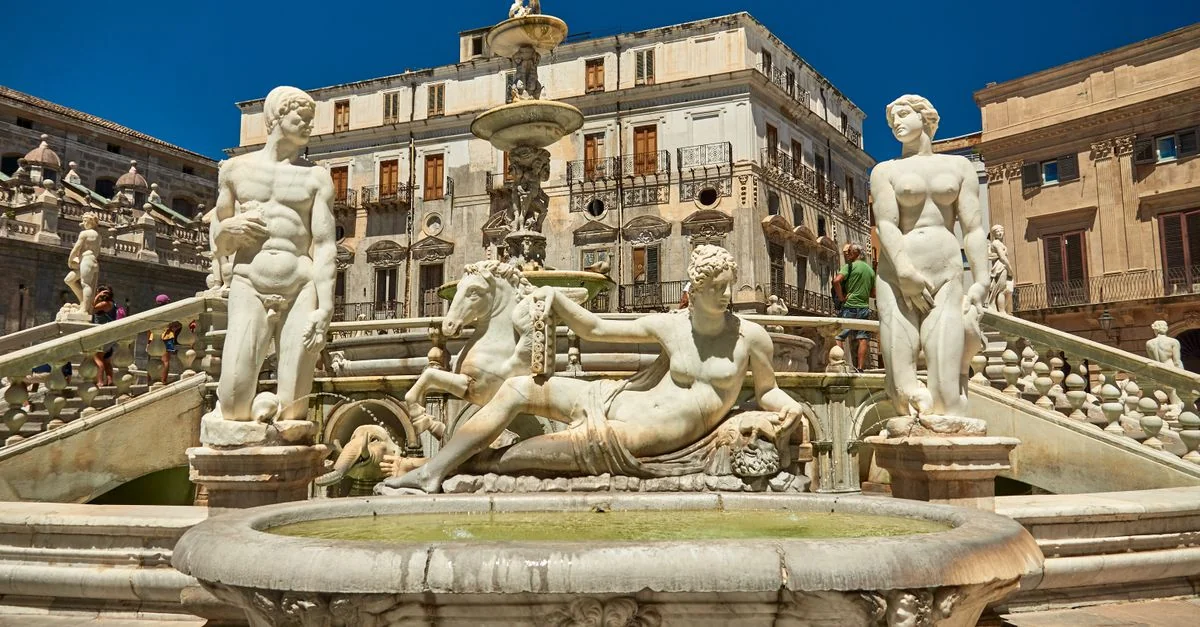
When standing before the glittering twelfth-century gold mosaics inside the Palatine Chapel, where the glowing tiles catch the Mediterranean light through narrow Arab-Norman windows, you immediately sense that Palermo operates on a different historical frequency. I spent weeks walking these limestone streets, tracing the layered eras where Phoenician foundations, Norman kings, Spanish viceroys, and Baroque architects left their physical signatures on every piazza and palazzo. If you appreciate cities that wear their complex histories openly on their facades, this Sicilian capital delivers an extraordinary density of cultural encounters. Why Palermo Is ideal for Art and History Lovers # The city’s visual identity belongs to no single century. Instead, it is an architectural conversation spanning millennia. Walking through the historic quarters, you encounter the monumental Palermo Cathedral, where Gothic spires sit uneasily alongside neoclassical domes and Norman-Arab arches. Inside, the royal tombs hold the remains of Emperor Frederick II, a monarch who shaped the Mediterranean intellectual landscape during the Middle Ages.
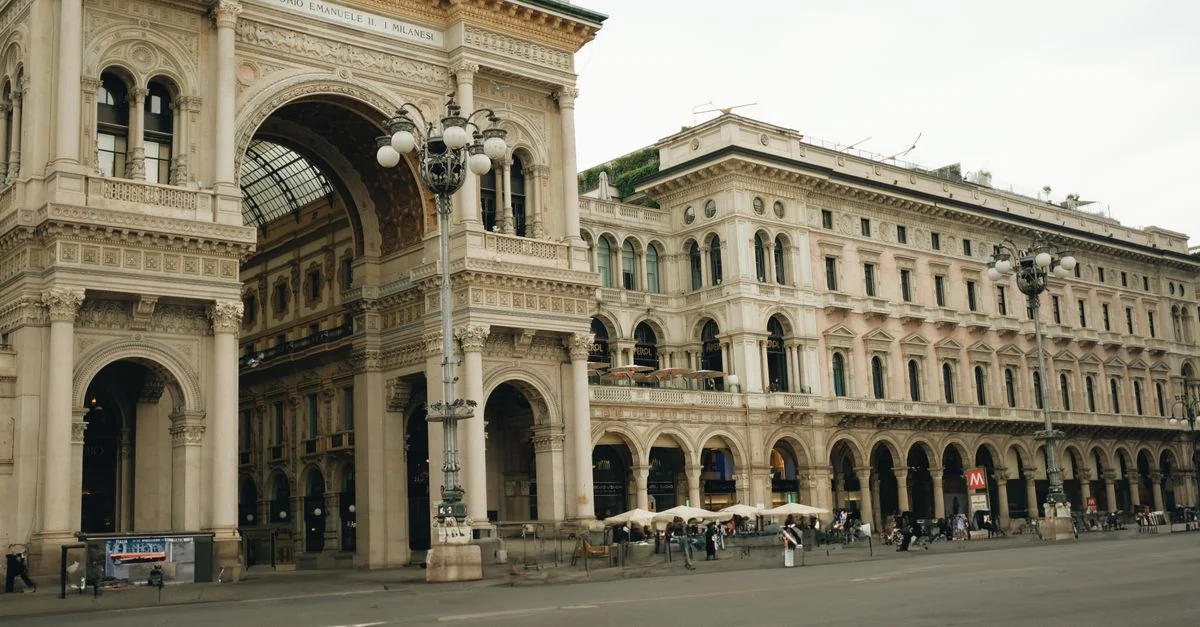
Standing in front of Michelangelo’s unfinished Rondanini Pietà inside the Museo d’Arte Antica, you realize Milan operates on a different frequency than Rome or Florence . Here, art is forged in industrial iron, Renaissance brick, and the sheer vertical ambition of Gothic spires. When I travel for art and history, I look past the superficial gloss and zero in on the physical spaces where centuries of patrons, architects, and athletes left their mark. Milan demands that you look up, walk through heavy wooden doors, and trace the lines of ancient fortifications and modern stadiums alike. Why Milan Is ideal for Art and History Lovers # Milan’s cultural identity is deeply rooted in civic power and engineering feats. The city shifted from a Roman imperial capital to a Visconti and Sforza stronghold, and finally into an economic powerhouse that still reveres design and sport with religious fervor. When you walk through the city, you are tracking the evolution of brickwork, defensive architecture, and monumental concrete.