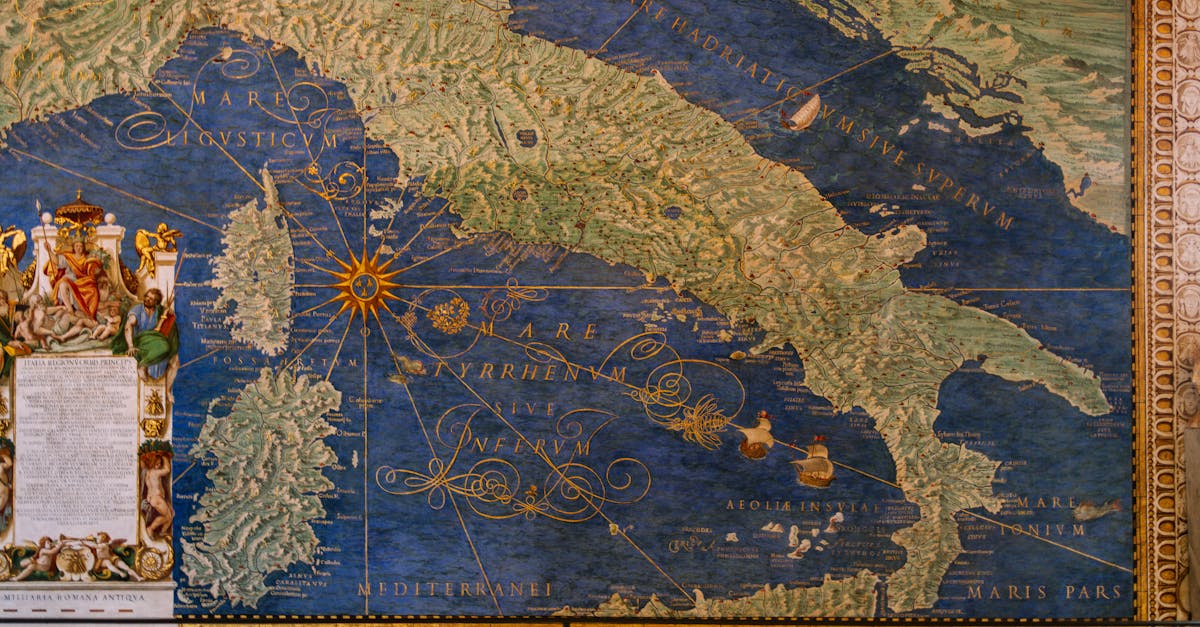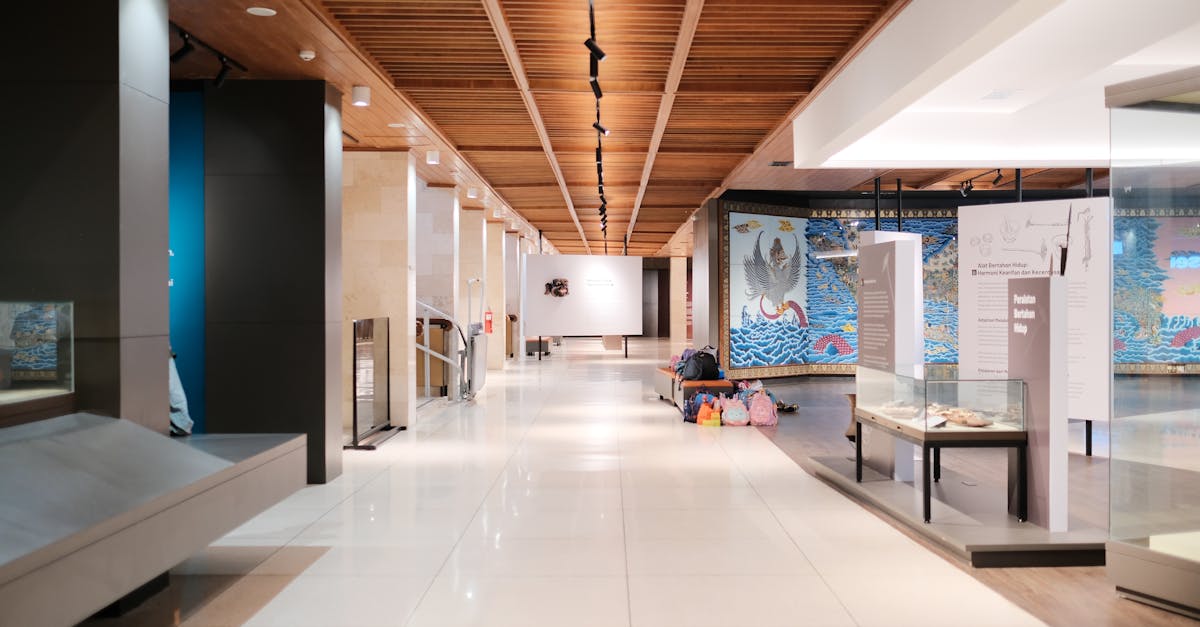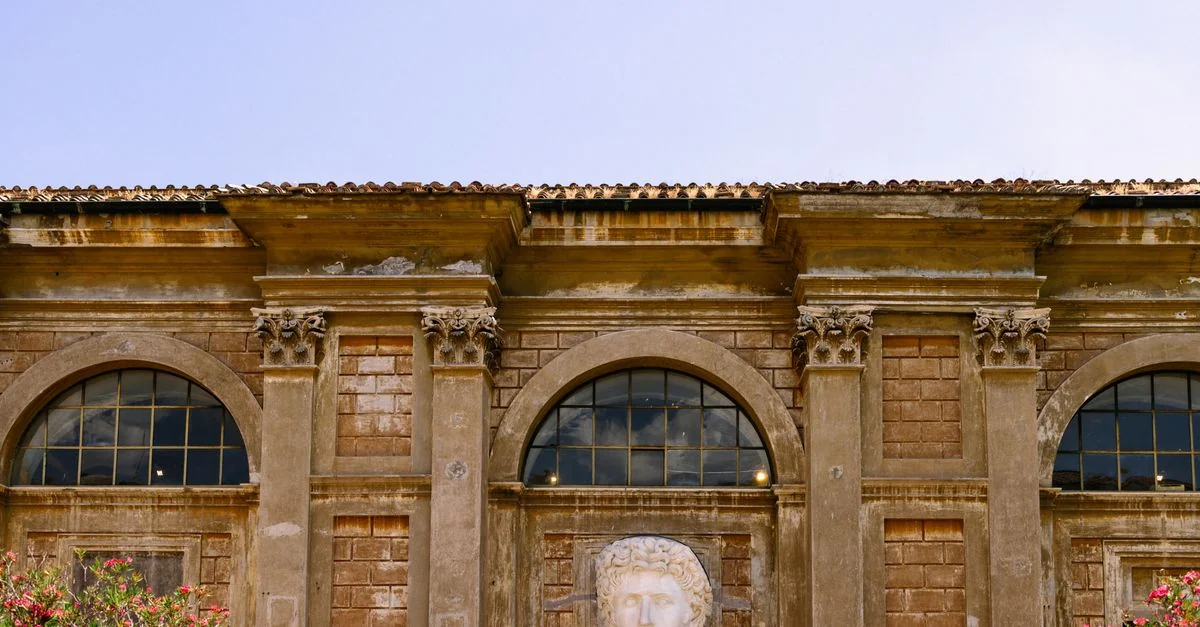
Standing inside the cool, damp interior of Santa Lucia alle Malve, my fingers brushed against eleventh-century frescoes painted directly onto the limestone cave walls. The pigments—faded ochres, earthy reds, and deep indigos—depicting a towering Madonna and Child felt remarkably immediate, despite the centuries of human footsteps that have worn down the stone floors beneath them. This subterranean sanctuary is just one fragment of the extraordinary landscape that defines MT, a southern Italian destination where architecture, archaeology, and human survival intertwine in the most striking manner imaginable. Why MT Is ideal for Art and History Lovers # The singular topography of MT forces you to reconsider how art and habitation intersect. Long before canvas and marble dominated European artistic expression, local masons and monks in MT carved entire sanctuaries, frescoed churches, and multi-level dwellings directly out of the calcarenite rock. Walking through the Sassi districts feels like stepping inside a massive sculpture where the boundary between nature and human intervention disappears entirely.
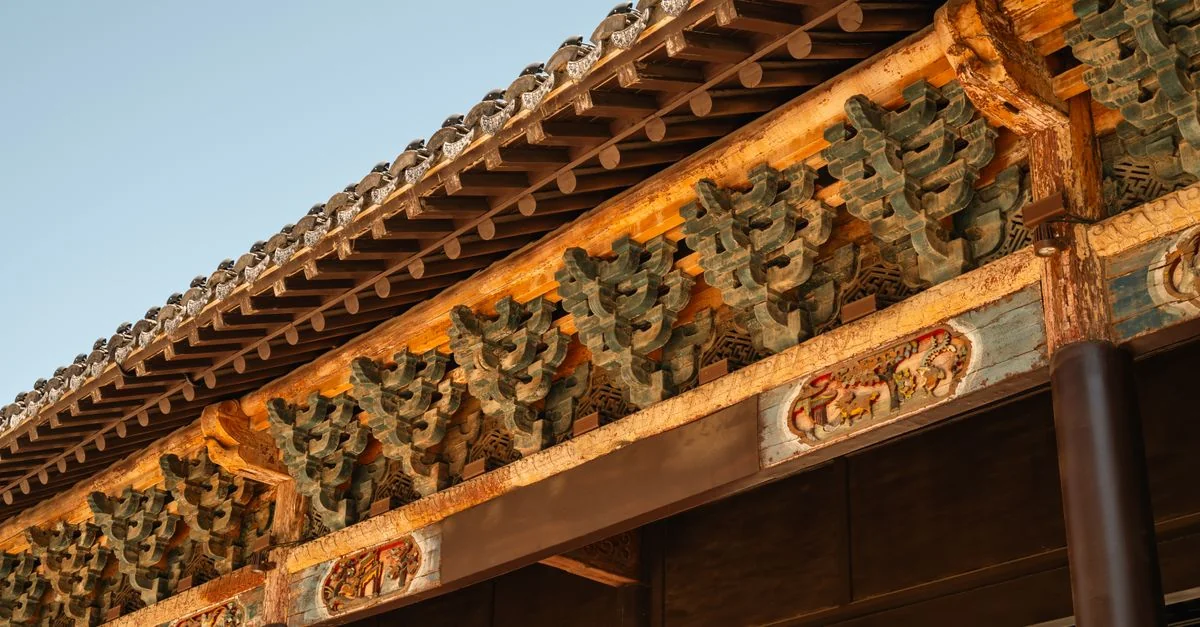
Standing before the sheer marble facade of Pisa ’s Cathedral, the sunlight catches the intricate blind arcades built by Buscheto in the eleventh century, reminding every traveler that LI serves as the primary maritime gateway to some of the greatest artistic achievements in human history. When your ship docks in this coastal Italian port, you are positioned mere miles away from the birthplace of the Renaissance. While many travelers simply rush past the port toward the interior, taking the time to understand the cultural geography of LI allows you to structure an itinerary that balances the salt-sprayed air of the Tyrrhenian coast with the heavy religious iconography and secular humanist paintings housed in inland galleries. Why LI Is ideal for Art and History Lovers # The geographic advantage of LI places you at the crossroads of maritime commerce and artistic patronage. Historically, this Tuscan port city connected merchants, diplomats, and artists who traveled across the Mediterranean, bringing foreign techniques and ideas back to the mainland. While the city itself carries the scars and subsequent rebuilds of World War II, its proximity to Florence and Pisa means you have direct access to the architectural revolutions of the Romanesque period and the painterly breakthroughs of the Quattrocento. Walking along the Medici port or viewing the monument of the Quattro Mori, you feel the weight of a mercantile empire that funded the very workshops where Michelangelo, Brunelleschi, and Giotto changed visual culture forever.
Standing before the ornate facade of the Basilica di Santa Croce in LE, I trace the intricate carvings of mythical beasts and floral garlands rendered in warm, honey-colored local stone. This sixteenth-century masterpiece demonstrates how the local Baroque style transformed ordinary limestone into sculptural lace. As a traveler who tracks historical footprints and artisan traditions rather than standard tourist checklists, I found that this southern Italian city rewards slow observation. Every piazza reveals centuries of architectural ambition, from Messapian foundations to Roman amphitheaters hidden just beneath the modern street level. Why LE Is ideal for Art and History Lovers # The distinct visual identity of LE stems from pietra di leccese, a pliable limestone that enabled generations of stonemasons to carve elaborate balconies, corbels, and church facades with extraordinary detail. Walking through the historic center, I noticed how the late afternoon sun turns the limestone a deep amber, illuminating the Piazza del Duomo in a warm glow. Unlike the stark white towns further south, this city embraces theatricality and shadow.
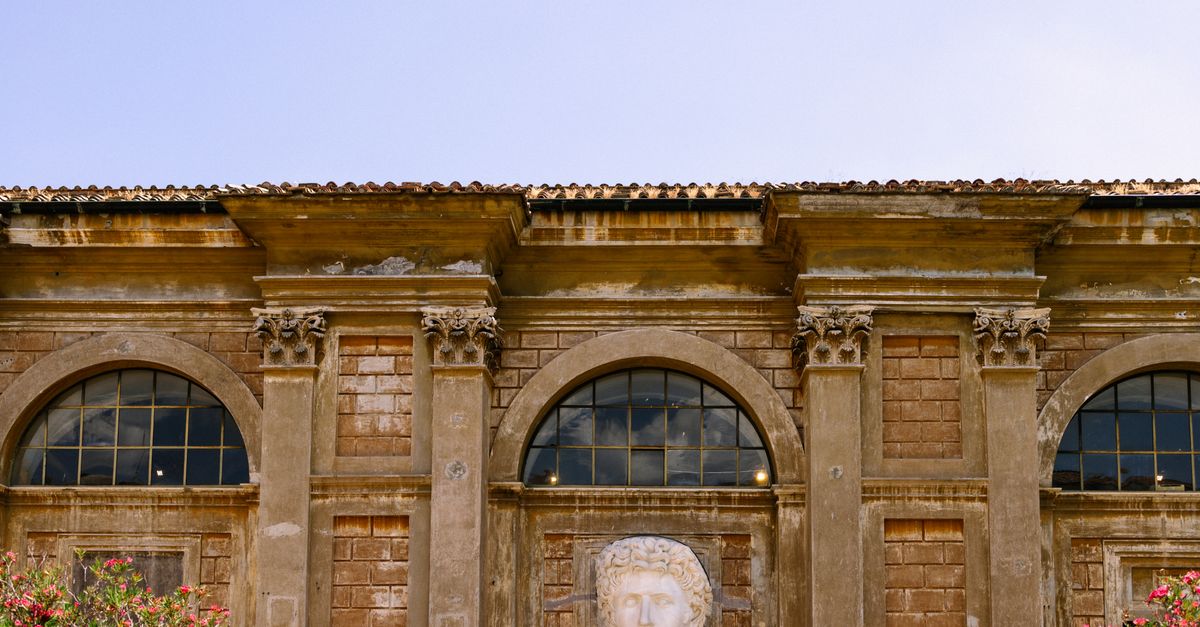
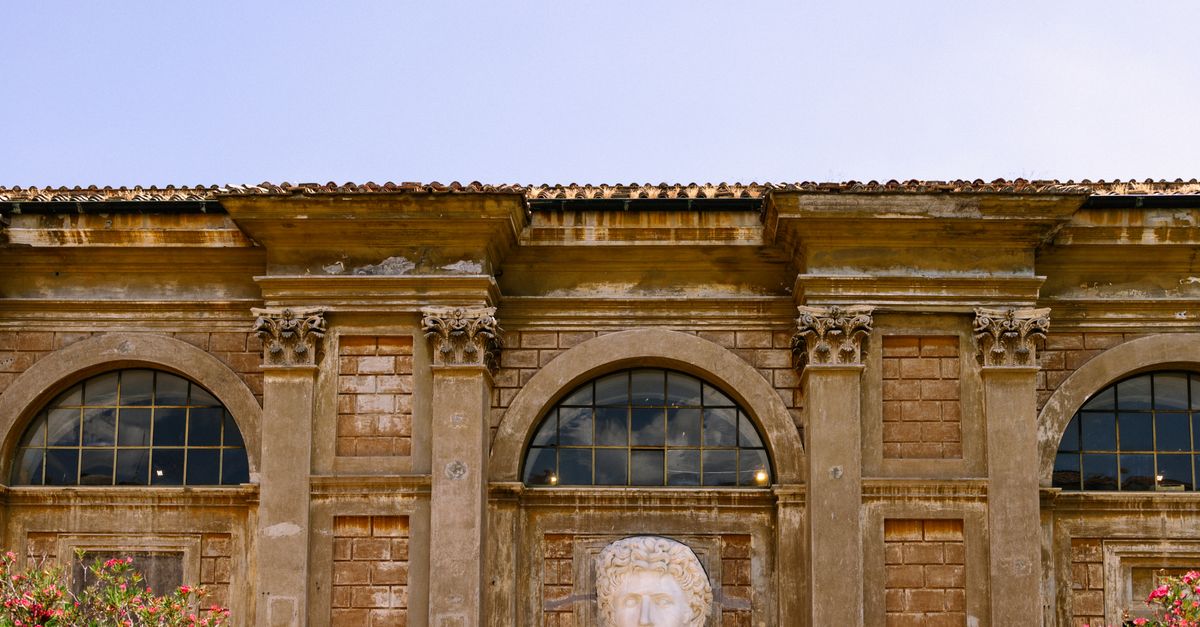
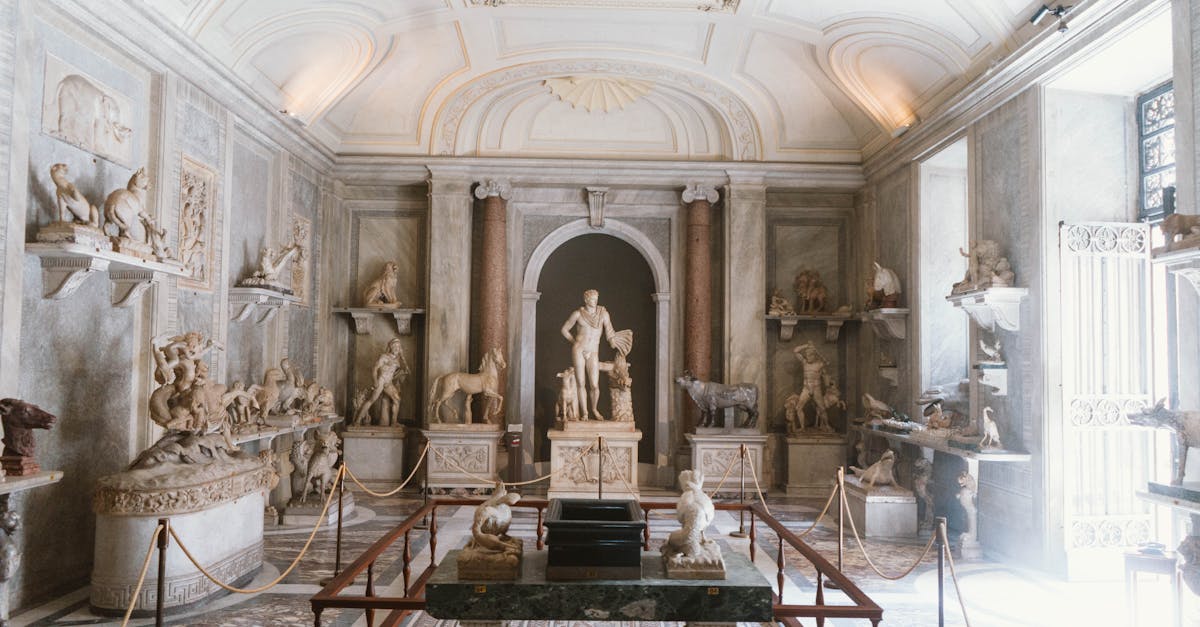
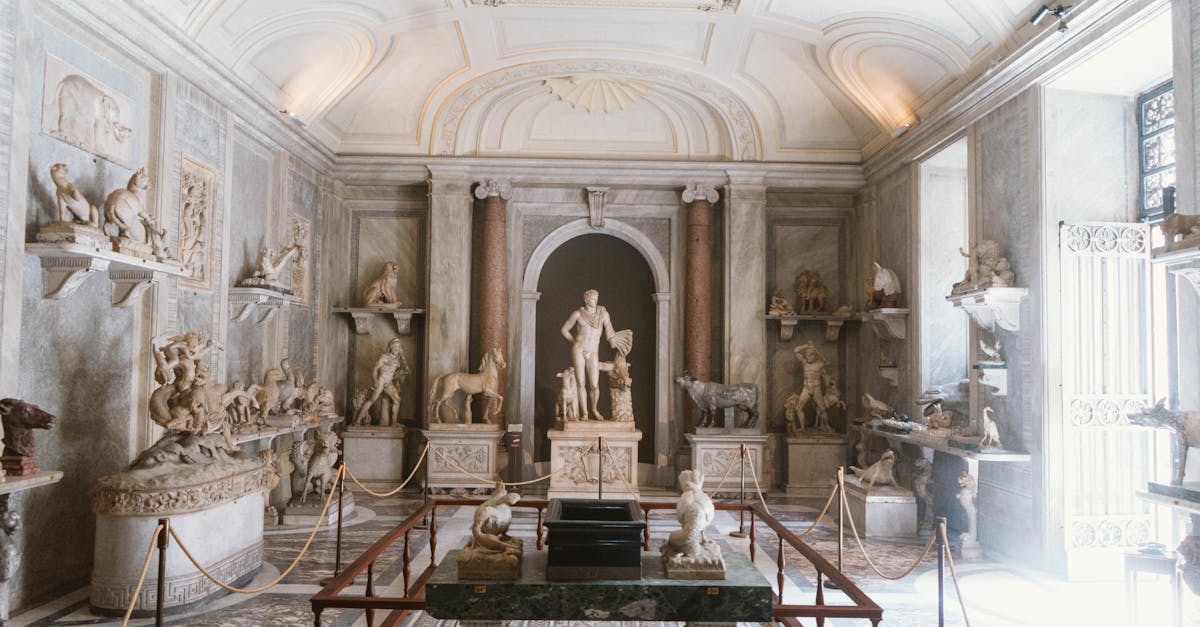
Standing before the weathered, sun-bleached columns of an ancient Roman forum, I am always struck by the sheer weight of the stone. It is not just the scale of the architecture that commands attention, but the realization that these structures were once the center of a daily life that dictated the course of Western civilization. When you walk these paths, you are not merely looking at ruins; you are navigating the physical remnants of political debates, trade agreements, and social shifts that still echo in our modern legal and architectural systems. Why Italy Is ideal for Art and History Lovers # Italy functions as an open-air archive where the strata of history are visible in every alleyway. You might find a Renaissance facade built directly onto the foundations of an Etruscan wall, or a Baroque church interior that houses a Romanesque mosaic. The continuity of human expression here is unparalleled. In Rome , the layers of time are particularly dense, allowing you to trace the evolution of urban planning from the Republic to the modern era.
Standing on the stone ramparts of the Forte Michelangelo, watching the Tyrrhenian waves crash against sixteenth-century brickwork designed with the architectural input of Gian Lorenzo Bernini and Donato Bramante, I often think about how many travelers dismiss Civitavecchia as merely a transit point. They rush past the harbor gates toward Rome , ignoring the maritime layers underneath their feet. As someone who prefers unpacking a city’s historical layers rather than just checking monuments off a list, I find this coastal gateway holds its own distinct weight in Italian art and antiquity. The harbor has served as Rome’s primary maritime outlet since the Emperor Trajan founded Centumcellae in the second century AD, and today, that coastal infrastructure still frames a rewarding itinerary for anyone interested in classical archaeology and defensive architecture.
The blackened stones of the Roman Amphitheatre in Catania —often called the Black Colosseum—still echo the roar of ancient crowds. Just a short walk away, the imposing brickwork of Ursino Castle stands as a reminder of Norman power and later Spanish influence. I first stood beneath the arches of the castle on a misty morning, feeling the weight of centuries in the cool stone. That moment sparked my curiosity about the city’s layered past and set the stage for a series of tours that let me walk, see, and create alongside the very fabric of CT’s history.
Photo by Martin Péchy on Pexels Why AG Is ideal for Art and History Lovers # Photo by Stavro Ligori on Pexels As I wandered through the ancient ruins of the Valley of the Temples in Agrigento, I was struck by the grandeur of the Temple of Concordia. This remarkable structure, dating back to the 5th century BC, stands as a testament to the sophistication of ancient Greek architecture. The way the sunlight catches the Doric columns creates a breathtaking scene that feels almost otherworldly. The history encapsulated within this site is profound, making it a crucial stop for anyone passionate about art and history.
Photo by Martin Péchy on Pexels Why SA Is ideal for Art and History Lovers # Photo by Stavro Ligori on Pexels Standing before the haunting ruins of Pompeii, I was struck by the sheer scale of the tragedy that unfolded here nearly two millennia ago. The preserved homes, frescoes, and cobblestone streets tell stories of daily life that resonate even today. This archaeological wonder is just one facet of SA’s rich mix of art and history. The Amalfi Coast, with its breathtaking landscapes and charming villages, adds another layer of allure, making SA a destination that captivates both art enthusiasts and history buffs alike.
Photo by Josh Withers on Pexels Standing before the ancient ruins of the Valley of the Temples, I was struck by the sheer scale and history of this archaeological site. The majestic columns of the Temple of Concordia, standing tall against the Sicilian sky, tell stories of a civilization that flourished centuries ago. It’s a moment that encapsulates why PA, Italy , is a destination that beckons art and history lovers from around the globe.
Photo by Mochammad Algi on Pexels Why RM Is a Must for Art and History Lovers # Photo by Yifan Lai on Pexels 📌 More about RM
[🍜 foodtour in Italy](https://foodtour.techpawz.com/posts/fi-food-tours/) 🍜 foodtour in Italy 🍜 foodtour in Italy Rome , or RM as it’s affectionately known, is a treasure trove of art and history that beckons to every culture enthusiast. With its stunning architecture, ancient ruins, and world-renowned museums, RM offers a rich tapestry of experiences that transport visitors back in time. The city is home to 59 culture tours that cater to various interests, making it an ideal destination for anyone eager to immerse themselves in the stories and artistry of the past.