Standing before a painted scroll of the demon demon-turned-monkey beating a drum, I realized how much humor actually existed in Edo-period Japanese art. These satirical characters, known locally as Otsu-e, were originally sold to travelers along the Tokaido road as cheap amulets and souvenirs. They combined folk beliefs with sharp social commentary, mocking human folly through figures like Ogre in Buddhist robes or the blind men stumbling together. Shiga Prefecture preserves this exact artistic lineage, offering travelers a rare window into Japan ’s historic visual culture far away from the standard metropolitan museum crowds. Why Shiga Is ideal for Art and History Lovers # Shiga sits directly adjacent to Kyoto , yet its cultural identity leans heavily into rural craftsmanship and ancient regional traditions rather than imperial court aesthetics. Lake Biwa anchors the prefecture, but the surrounding mountains and valleys tell stories of potters, painters, and pilgrims who shaped Japanese material culture over centuries.
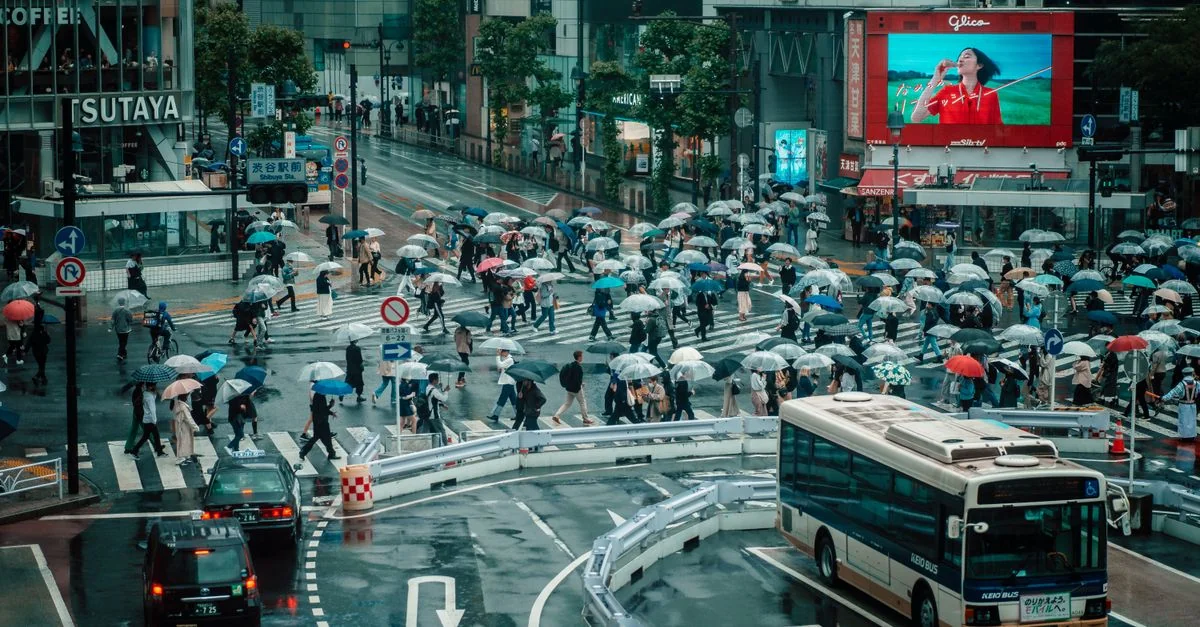
Standing on the pedestrian crossing outside Shibuya Station, watching the massive human tide move in synchronized waves beneath towering neon screens, I often think about the quiet galleries and historic ateliers tucked just beyond this modern concrete facade. Shibuya is frequently dismissed as a district reserved entirely for youth fashion and frantic commerce, yet it holds a deeply layered creative identity for travelers willing to look past the billboards. Why Shibuya Is ideal for Art and History Lovers # Beneath the district’s high-tech surface lies a neighborhood that has quietly nurtured Japanese modernism and contemporary expression for decades. When you walk the sloping residential lanes of Daikanyama and Tomigaya, you find architectural statements by Kengo Kuma and smaller independent exhibition spaces that showcase emerging Japanese painters. The aesthetic pulse here connects the postwar avant-garde movements with today’s street-level graphic designers.
The sight of Yayoi Kusama’s yellow pumpkin, perched defiantly on a concrete pier against the backdrop of the Seto Inland Sea, remains one of the most iconic images in modern Japanese art. It is not merely a sculpture; it is a statement on how human creativity can alter the perception of a rugged, maritime landscape. Standing there, watching the tide shift against the yellow-and-black polka dots, I realized that Kagawa District functions differently than the mainland. Here, the architecture and the environment are not separate entities; they are collaborators. Why Kagawa District Is ideal for Art and History Lovers # Kagawa District offers a rare opportunity to observe how contemporary art integrates into rural island life. Unlike the dense, vertical museums of Tokyo or Kyoto , the art here requires movement. You walk through narrow village lanes, past traditional wooden houses, and suddenly find yourself inside a subterranean gallery designed by Tadao Ando.
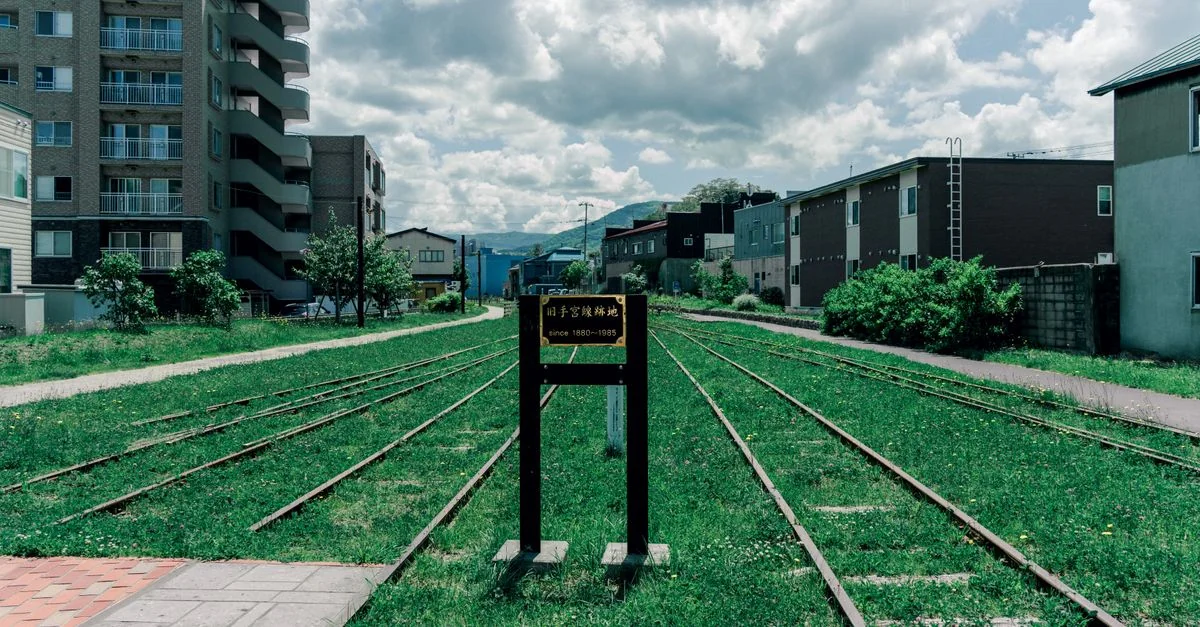
The glass facade of the Hokkaido Museum of Modern Art catches the low, slanting light of a Sapporo afternoon, reflecting the snow-dusted peaks of the surrounding hills. Inside, the air is still, carrying the faint scent of polished wood and old paper. This is not a place of loud proclamations or overwhelming grandeur. It is a space for contemplation, where the art speaks softly, asking you to lean in and listen. Hokkaido, the northernmost major island of Japan , is often celebrated for its powder snow, its hot springs, and its rugged wilderness. Yet, beneath the layer of ice and the roar of the wind, there is a quiet cultural pulse that thrives in its galleries and museums. For the traveler who seeks more than just scenic vistas, Hokkaido offers a refined, understated artistic experience that rewards patience and observation. Why Hokkaido Is ideal for Art and History Lovers # Hokkaido’s artistic identity is distinct from the historic temples of Kyoto or the neon-lit galleries of Tokyo . Here, the art is deeply connected to the landscape. The vastness of the island, its seasonal extremes, and its indigenous Ainu heritage create a unique context for creative expression. When you walk through the halls of a Hokkaido museum, you are not just viewing objects; you are engaging with a narrative that is tied to the earth, the sea, and the sky. The modern art scene here is particularly compelling because it often grapples with themes of isolation, resilience, and the sublime beauty of nature.
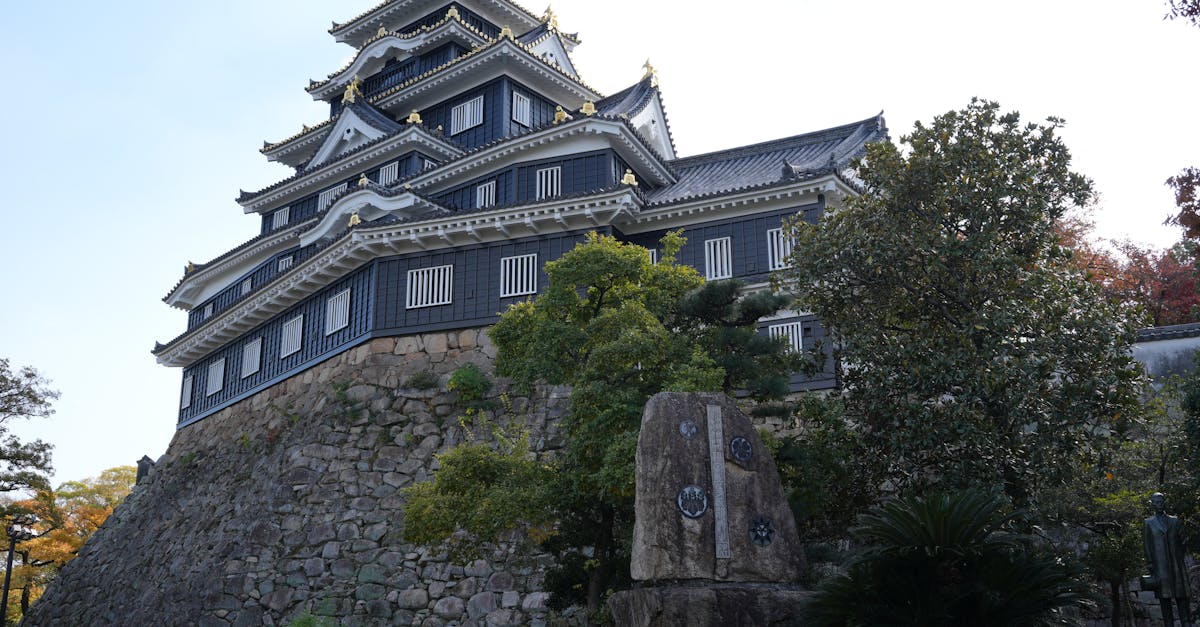
Photo by Dmitry Romanoff on Pexels Why Okayama Is ideal for Art and History Lovers # Photo by Dmitry Romanoff on Pexels One of the first things that captured my attention in Okayama was the stunning Okayama Korakuen Garden. The meticulously designed landscape, featuring a serene pond and traditional teahouses, offers a glimpse into Japan ’s historical appreciation for nature. It’s not just a garden; it’s a reflection of the Edo period aesthetics, making it a perfect starting point for anyone interested in art and culture.
Photo by Suzan on Pexels Why Ashigarashimo District Is ideal for Art and History Lovers # Photo by Richard Pan on Pexels One of the most captivating aspects of Ashigarashimo District is its unique blend of traditional craftsmanship and contemporary art. A visit to this area wouldn’t be complete without experiencing the intricate beauty of Yosegi Zaiku, a traditional Japanese marquetry technique that has been practiced for centuries. The patterns created through this meticulous process are not just visually stunning; they also tell stories of the region’s cultural history.
Photo by YI REN on Pexels Osaka , a city where modernity meets tradition, is home to a striking blend of art and history. One of the most captivating sights is the Umeda Sky Building, an architectural marvel that stands as a testament to the city’s innovative spirit. As I stood on the floating garden observatory, the panoramic views of Osaka unfolded before me, showcasing the seamless integration of urban life and nature. This experience is not just about the view; it reflects the city’s essence, where every structure tells a story.
Photo by Neil Ni on Pexels Okinawa , an archipelago steeped in a unique blend of Japanese and indigenous Ryukyu culture, offers an array of artistic and historical experiences. One of the standout moments for me was visiting the Peace Memorial Park, where the somber yet beautifully crafted monuments pay tribute to the lives lost during the Battle of Okinawa in World War II. The poignant atmosphere is complemented by the stunning views of the ocean, making it a reflective space that resonates deeply with visitors.