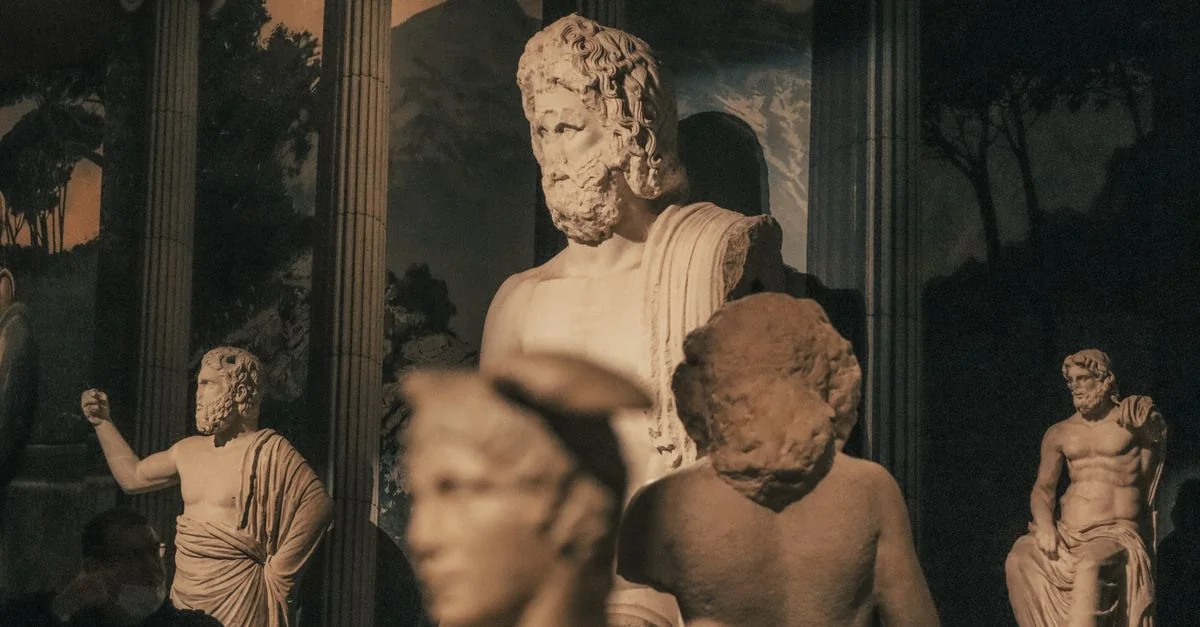
Katakolo: A Gateway to Ancient Artistic Legacies
The bronze statue of Hermes by Praxiteles, housed in the museum at Olympia, remains one of the most significant encounters with human craftsmanship I have ever experienced. Seeing the way the marble—or in this case, the Parian marble original—captures the softness of skin and the delicate drape of cloth provides a direct line to the aesthetic values of the fourth century BCE. While Katakolo serves primarily as a seaside port, its true value lies in how it functions as the threshold to these profound artistic achievements. The transition from the salt air of the Ionian coast to the quiet, shaded groves of the Alpheios River valley is a journey through layers of Greek history that shaped Western art. Why Katakolo Is ideal for Art and History Lovers # Katakolo is often viewed merely as a point of arrival, but for those who prioritize historical context, it is the essential starting point for understanding the Peloponnese. The architecture of the port itself reflects a 19th-century mercantile history, but the draw here is the proximity to the sanctuary of Olympia. The site is not just a collection of ruins; it is an open-air museum of architectural evolution, displaying the shift from archaic structural forms to the refined proportions of the Classical period.