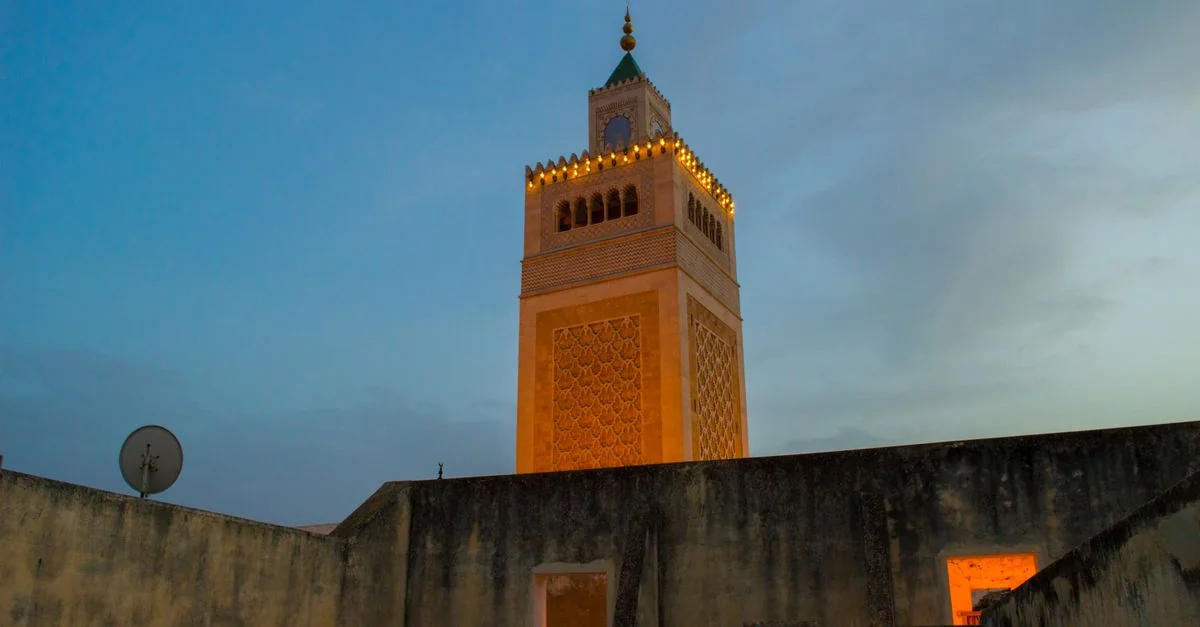
Uncovering the Architectural Details and Historic Courtyards of Médina de Tunis
Standing before the heavy wooden doors of the Zaytouna Mosque, studded with iron nails and framed by salvaged Roman marble columns, you sense the deep layers of craftsmanship that built the Médina de Tunis. As a traveler who tracks civilizations through their masonry, tilework, and curated galleries, I found this labyrinth of the 9th century onward to be a remarkable study in urban preservation. Why Médina de Tunis Is ideal for Art and History Lovers # Walking the narrow vaulted alleyways reveals why this district earned UNESCO World Heritage status. Artisans hammer brass in the Souk des Chachias, producing the traditional crimson felt caps that have defined local headwear for centuries. The architecture shifts from austere limestone facades to the ornate stucco and Iznik tile panels of palaces like Dar Bach Hamba and Dar Hussein. These residences now function as cultural centers and municipal offices, but their interior courtyards still showcase the geometric precision of Andalusian and Ottoman design influences.