The first thing that strikes you as you approach Bacalar is the stunning blue waters of the Chetumal Bay. But it’s the ancient Mayan ruins of Ichkabal that truly capture the imagination. Perched on a hill overlooking the town, these ruins are a testament to the advanced civilization that once thrived in this region. The intricate carvings and well-preserved structures offer a glimpse into the past, making Bacalar worth visiting destination for art and history lovers. Why Bacalar Is ideal for Art and History Lovers # Bacalar is a great destination of cultural and historical sites. The town itself is a blend of colonial and modern architecture, with colorful buildings and busy streets. The local art scene is lively, with galleries showcasing the works of both indigenous and contemporary artists. The annual Festival de la Cultura Maya, held in February, is a highlight for culture enthusiasts, featuring traditional music, dance, and art exhibitions.
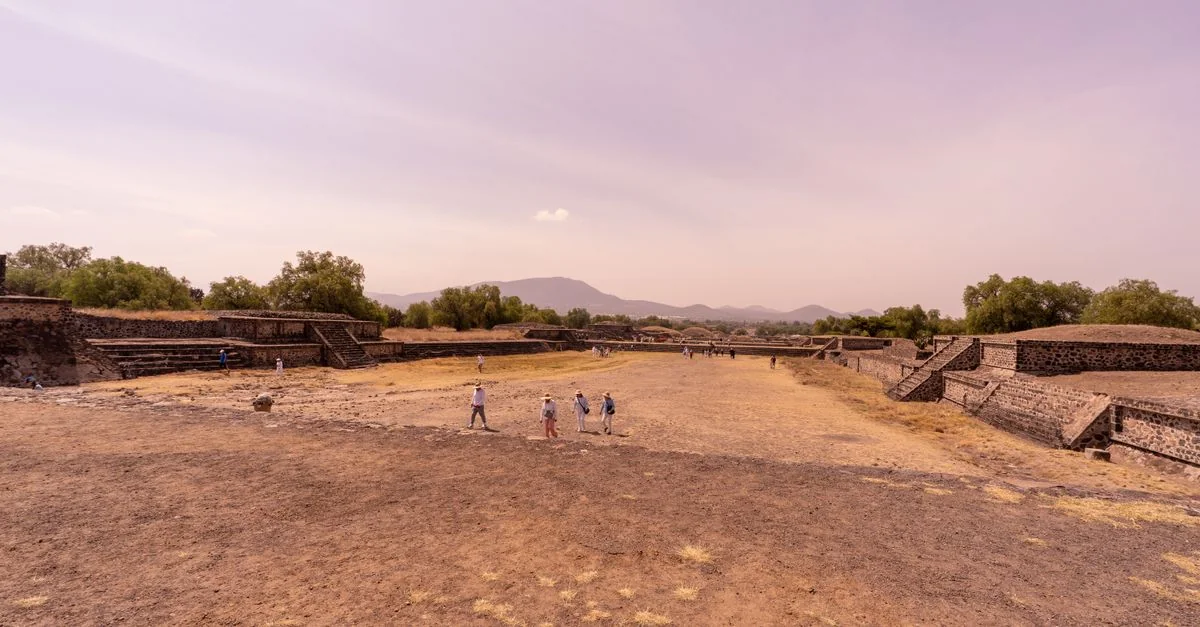
The sight of the Pyramid of the Moon, perfectly aligned with the Avenue of the Dead, forces a shift in perspective. Standing at the base of this massive stone structure, one realizes that Teotihuacan was not merely a city, but a meticulously planned architectural statement. The builders utilized volcanic stone and lime plaster to create a grid that has dictated the movement of visitors for centuries. While the scale of the pyramids often dominates the conversation, the true intellectual weight of this site lies in its surviving mural fragments, which offer a rare glimpse into the complex social hierarchy and religious devotion of the people who occupied this valley long before the Aztec expansion. Why San Juan Teotihuacan Is ideal for Art and History Lovers # Walking through the residential compounds, such as Tetitla or Atetelco, reveals the sophisticated artistic sensibilities of the Teotihuacanos. The walls here were once covered in elaborate frescoes depicting jaguars, feathered serpents, and ritual processions. These paintings were not decorative in a modern sense; they were functional, serving to reinforce the status of the ruling families and the cosmic order of the site. Observing the remnants of red hematite pigments that still cling to the stucco allows for a direct connection to the hands that applied them nearly two millennia ago.
Standing before the weathered limestone blocks of ancient Maya walls, I always feel a profound connection to the engineers and artists who shaped the Yucatán Peninsula centuries ago. While many travelers rush past the coast toward mega-resorts, spending time in Puerto Morelos reveals a thoughtful gateway to regional history, marine culinary traditions, and monumental archeology. Why Puerto Morelos Is ideal for Art and History Lovers # Puerto Morelos keeps a low-key fishing village atmosphere while placing you within reach of some of the most significant archaeological zones in Mesoamerica. The town itself serves as a quiet counterbalance to the heavy tourist traffic found further south, offering a thoughtful starting point for exploring both marine heritage and ancient stone cities.
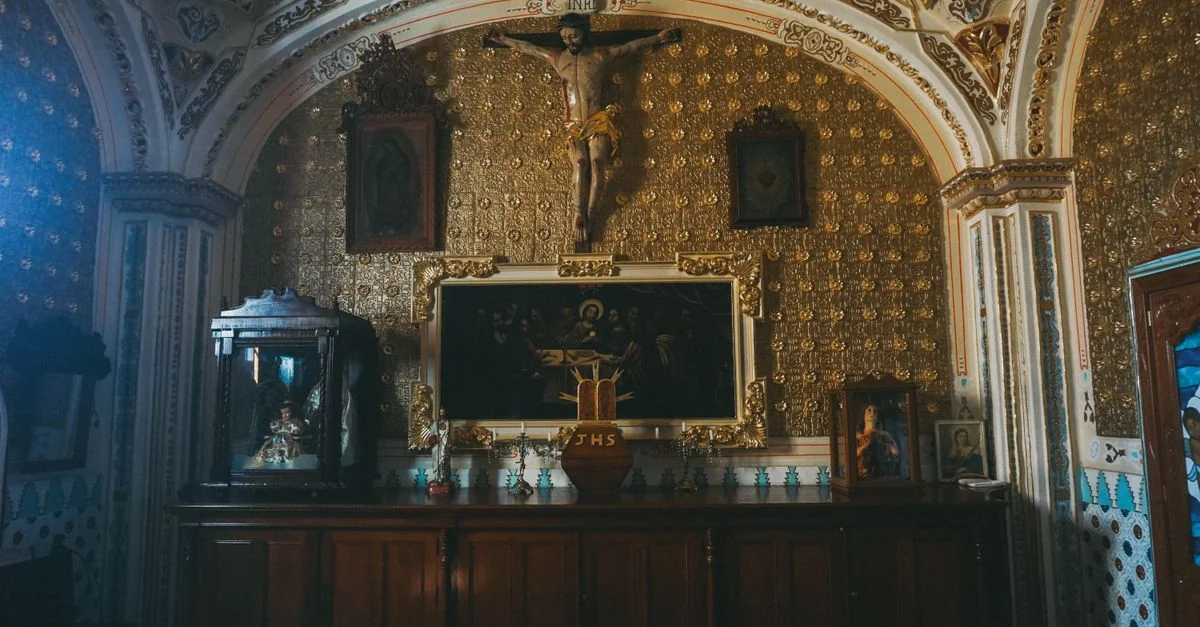
The stone carvings at the Monte Albán archaeological site, particularly the Danzantes reliefs, offer a silent, haunting look into the Zapotec civilization that once dominated the valley. Standing on the Main Plaza, looking out over the terraced hills, you realize that the architecture here is not merely decorative; it is a deliberate alignment with the horizon and the heavens. This sense of historical gravity is what defines the city of Oaxaca . It is a place where the ancient past is not tucked away in a basement but is present in the way local artisans still work with waist looms and black clay, techniques that have survived centuries of change. Why Oaxaca Is ideal for Art and History Lovers # Oaxaca serves as a living archive of human ingenuity. The city’s geography, nestled in a high-altitude valley, allowed for the development of distinct artistic traditions that remain central to local identity. When you walk through the markets or visit the outskirts where workshops are located, you see the continuity of craft. The black mud pottery, or barro negro, is a perfect example of how local resources are transformed into sophisticated art forms. Similarly, the tradition of carving alebrijes—intricately painted wooden figures—reflects a unique worldview that blends surrealism with traditional Zapotec motifs.
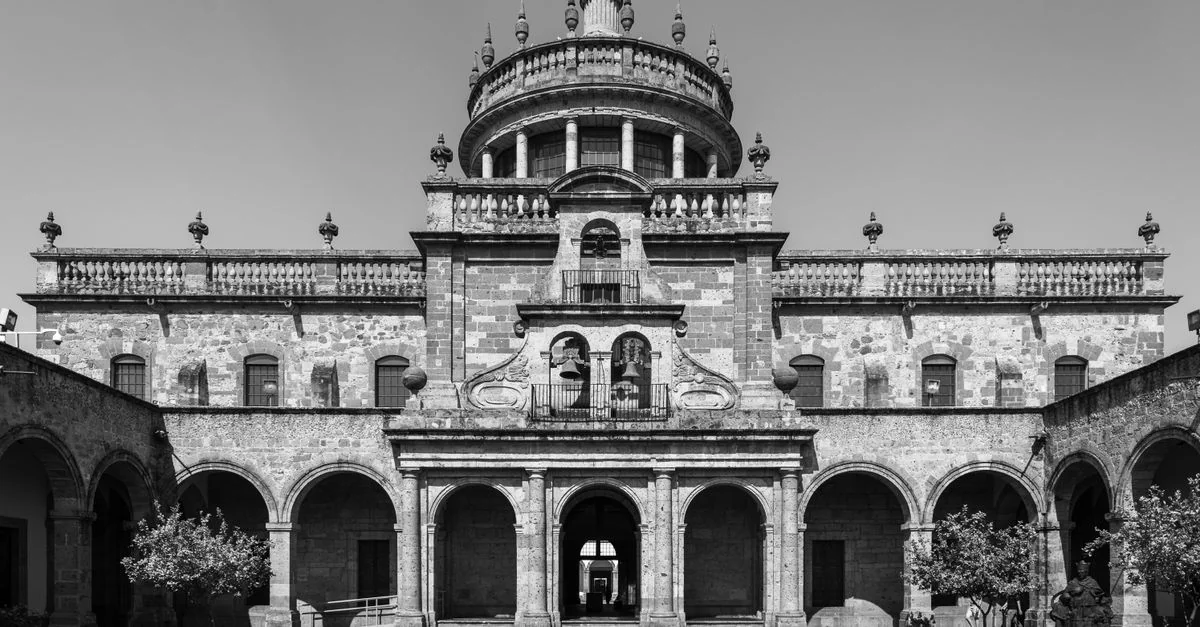
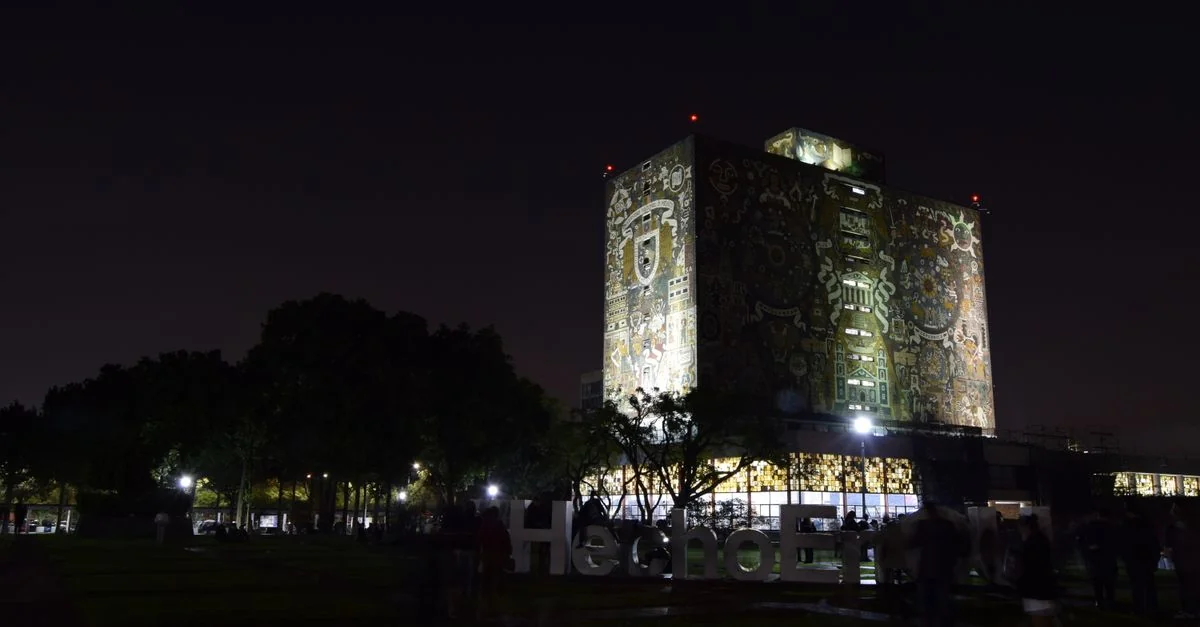
Standing in front of José Clemente Orozco’s monumental mural The Man of Fire inside the dome of Guadalajara ’s Hospicio Cabañas, the human figure appears to leap upward through swirling tongues of flame. This masterpiece, painted between 1938 and 1939, anchors my understanding of Jalisco ’s artistic soul. It represents a region where political history, indigenous heritage, and revolutionary artistic expression collide on every wall and street corner. When planning a trip focused on the creative output of western Mexico , looking beyond the standard beach resorts to the historical centers yields profound encounters with painters, muralists, and rugged landscapes. Why Jalisco Is ideal for Art and History Lovers # Jalisco operates as a powerhouse of Mexican identity. Beyond being the birthplace of mariachi music and tequila, the state capital of Guadalajara and the surrounding terrain hold significant weight in the country’s muralism movement. Orozco claimed this state as his intellectual home, leaving walls across public buildings covered in complex allegories of conquest, religion, and human struggle. Exploring these sites requires paying attention to building details, such as the neoclassical symmetry of downtown courtyards contrasting sharply with the expressionist fury of mid-century frescoes.
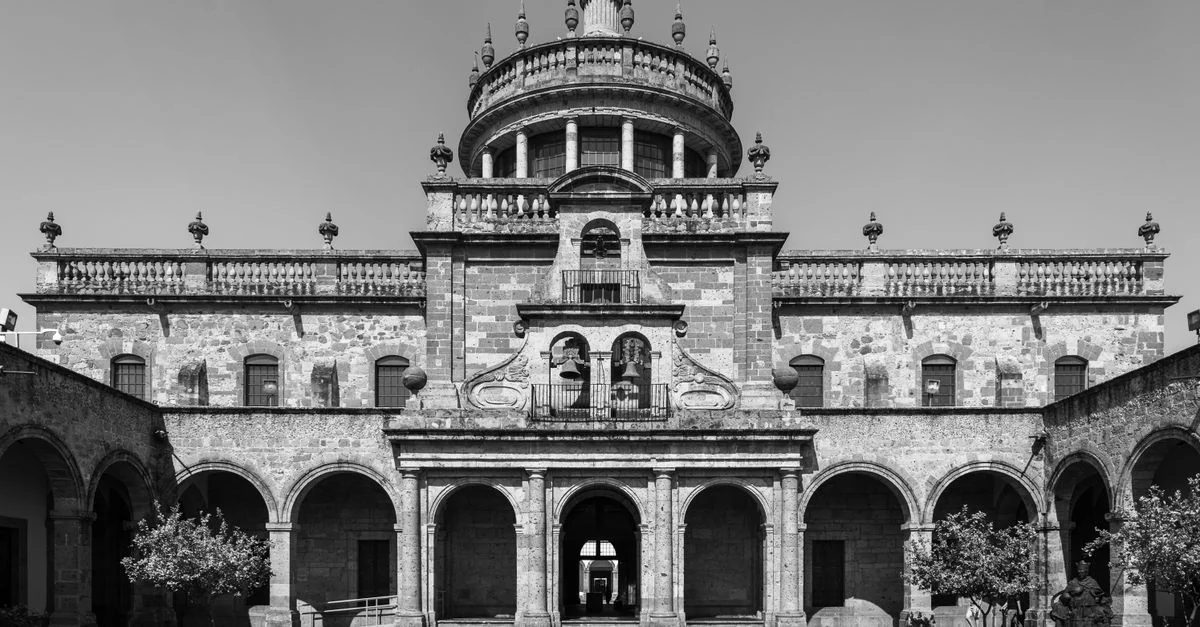
When I stood before the circular architecture of western Mexico ’s ancient past, the realization hit me: human creativity takes shapes we rarely see in standard textbooks. Instead of the towering angular steps found elsewhere in the country, the builders here engineered concentric terraces that defy conventional Mesoamerican design. Walking through this landscape changes the traveler in real use by shifting focus from monumental empire-building to community-centered ceremonial spaces. For the independent cultural traveler with a strong interest in pre-Hispanic engineering, this means allocating specific transit time for regional day trips; however, those pressed for time or primarily interested in downtown easel painting may find the journey requires more logistics than a simple afternoon stroll. Why Guadalajara Is ideal for Art and History Lovers # Guadalajara holds a distinct place in the creative identity of Mexico, grounding its reputation in regional craftsmanship, muralism, and deep-seated historical narratives. When you trace the city’s architectural details, from neoclassical stone facades to mid-century public art, you see an urban center that refuses to stand still.
Why Estado de México Is ideal for Art and History Lovers # When you gaze up at the towering silhouette of the Pyramid of the Sun in Teotihuacan, you are standing before a monumental achievement of urban planning and Mesoamerican cosmology. The ancient architects aligned this massive structure along specific astronomical axes, creating a ritual landscape that still commands absolute attention. Walking down the Avenue of the Dead, the sheer scale of the stone facades and residential compounds reveals how deeply art and architecture were intertwined with civic power in pre-Hispanic societies.
📌 More about Baja California Sur
🛂 Mexico visa requirements 📋 Mexico visa policy 📱 Mexico eSIM plans 📌 More about Baja California Sur
🛂 Mexico visa requirements 📋 Mexico visa policy 📱 Mexico eSIM plans
Photo by Jimmy Elizarraras on Pexels Why Acapulco Is ideal for Art and History Lovers # Photo by Fernando Ortega on Pexels As I strolled along the sun-kissed shores of Acapulco , I couldn’t help but be drawn to the ancient petroglyphs at Palma Sola. These remarkable carvings, etched into the rocks by the indigenous peoples, whisper stories of a time long past. Standing before these symbols, I felt a connection to the land’s history that was both profound and humbling. Acapulco is not merely a beach destination; it is a canvas painted with the strokes of history, art, and culture.
Photo by Jimmy Elizarraras on Pexels Stepping into Puebla, the first thing that caught my eye was the stunning Talavera pottery adorning the streets. The intricate designs and vivid colors tell stories of the city’s artisans, reflecting centuries of tradition. This city, rich in history and artistic expression, is a canvas where every corner reveals a new masterpiece.
Why Puebla Is ideal for Art and History Lovers # Puebla is a city that effortlessly marries colonial architecture with contemporary art. The historic center, a UNESCO World Heritage site, showcases magnificent churches and plazas that echo the past. The Puebla Cathedral, with its striking baroque façade and towering bell towers, is a testament to the city’s architectural prowess. I found myself drawn to its interior, where ornate altars and beautiful frescoes narrate tales of devotion and artistry.