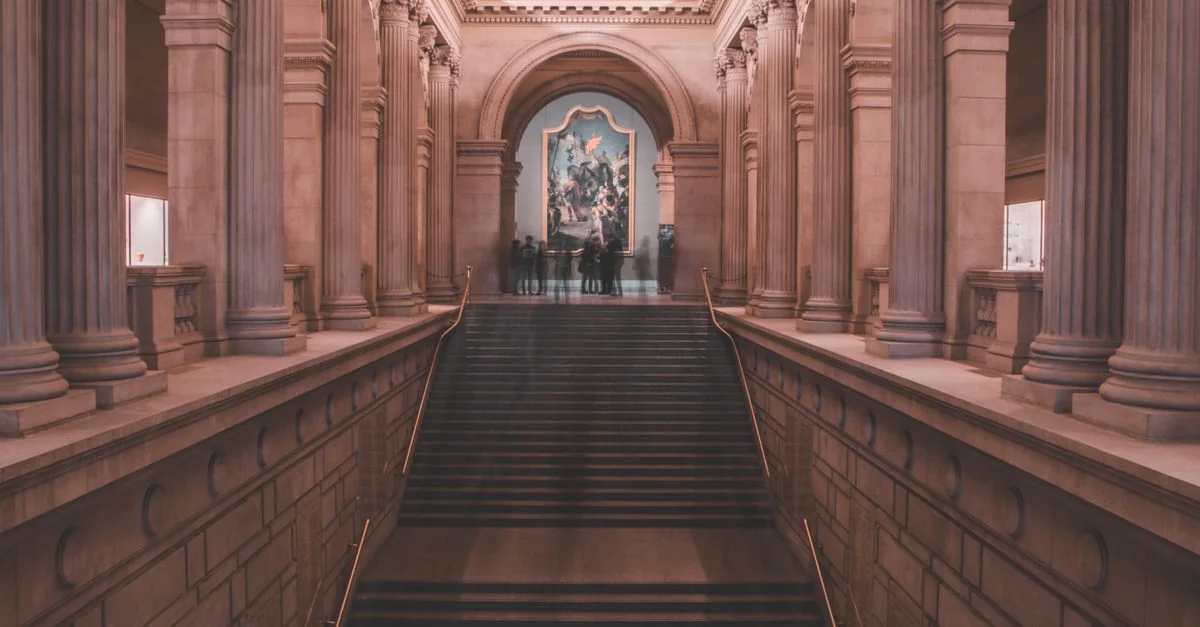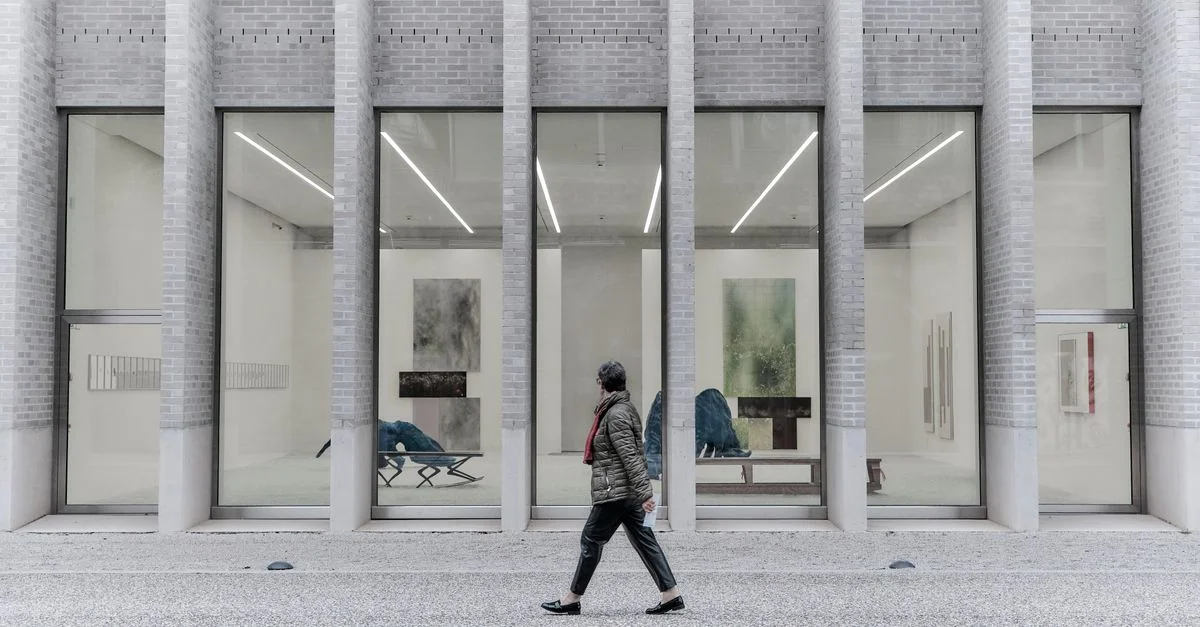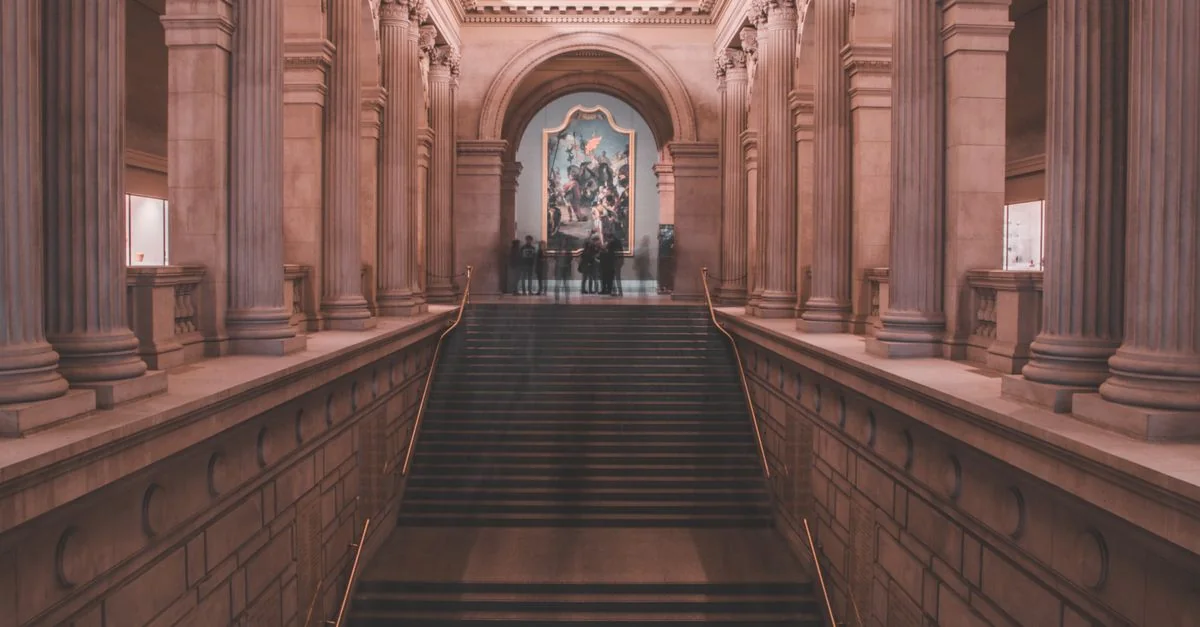
Standing before the weathered brick facade of the Alberta Arts District, you can immediately trace the physical layers of community history embedded in the neighborhood’s murals and independent galleries. Multnomah County holds a distinct creative energy, shaped by generations of makers, muralists, and neighborhood historians who turned industrial streetscapes into open-air studios. When I travel through this region, I look past the standard tourist itineraries to find the real cultural heartbeat of the streets, tracking how local residents preserve their neighborhoods through paint, public sculpture, and community organizing. Why Multnomah County Is ideal for Art and History Lovers # The creative identity of Multnomah County thrives in its neighborhood pockets, where public art functions as social commentary and historical archive. Rather than keeping history confined behind glass vitrines, the region displays its cultural evolution on exterior walls and historic storefronts. Walking down the avenues reveals how local artists document neighborhood shifts, civil rights milestones, and the enduring influence of Pacific Northwest printmakers and ceramicists.
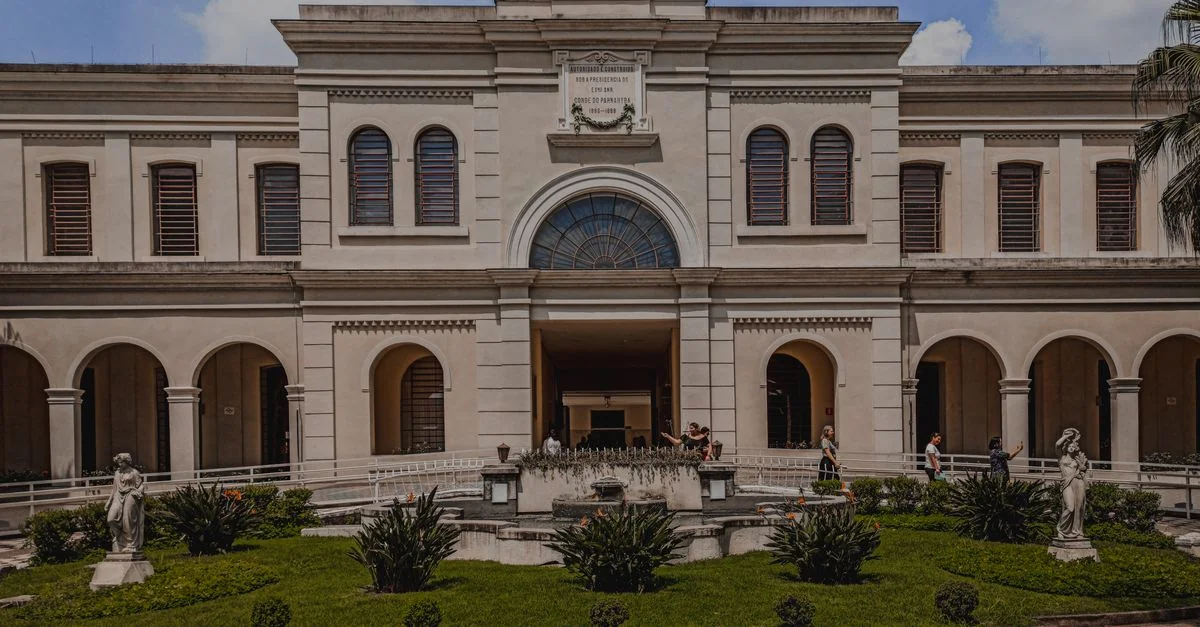
Standing beneath the weathered Georgian architecture of the historic courthouse on Sam Sharpe Square, you can almost hear the echoes of 19th-century abolition debates. When I travel through the Caribbean, I look past the resort brochures to find the physical spaces where local history, contemporary music, and visual expression intersect. Montego Bay carries a distinct creative pulse, shaped by colonial history, Afro-Jamaican resilience, and a thriving nightlife that acts as a modern canvas for regional artists and performers. Why Montego Bay Is ideal for Art and History Lovers # Art in this coastal Jamaican hub lives as much on the walls of neighborhood lounges as it does in formal galleries. The city’s cultural identity is rooted in the transition from sugar plantations to contemporary artistic expression, where music, dance, and visual design merge. Walking through the streets reveals architectural echoes from the British colonial era standing right alongside modern murals. Galleries and performance spaces reflect the island’s ongoing dialogue with its past.
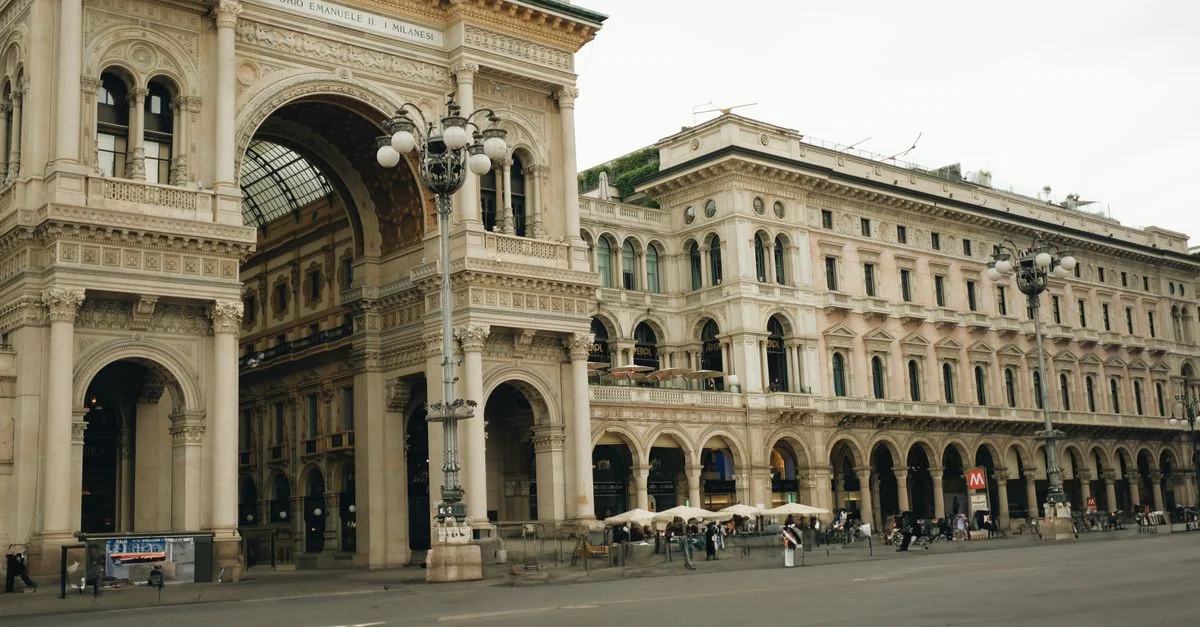
Standing in front of Michelangelo’s unfinished Rondanini Pietà inside the Museo d’Arte Antica, you realize Milan operates on a different frequency than Rome or Florence. Here, art is forged in industrial iron, Renaissance brick, and the sheer vertical ambition of Gothic spires. When I travel for art and history, I look past the superficial gloss and zero in on the physical spaces where centuries of patrons, architects, and athletes left their mark. Milan demands that you look up, walk through heavy wooden doors, and trace the lines of ancient fortifications and modern stadiums alike. Why Milan Is ideal for Art and History Lovers # Milan’s cultural identity is deeply rooted in civic power and engineering feats. The city shifted from a Roman imperial capital to a Visconti and Sforza stronghold, and finally into an economic powerhouse that still reveres design and sport with religious fervor. When you walk through the city, you are tracking the evolution of brickwork, defensive architecture, and monumental concrete.
Standing before the industrial warehouses of the Little River neighborhood, concrete facades read as open-air canvases where local artists reshape the visual language of South Florida. For years, my travels have centered on finding spaces where contemporary design intersects with everyday urban life, and this county offers a distinct industrial edge far removed from the pastel art deco postcard imagery most travelers expect. Why Miami-Dade County Is ideal for Art and History Lovers # When you peel back the layers of South Florida beyond the shoreline, you find a distinct physical geography shaped by industrial architecture, immigrant communities, and a thriving contemporary studio culture. Neighborhoods like Little River evolved from quiet manufacturing districts into expansive zones of creative production, where independent galleries occupy former machine shops and metal fabrication warehouses.
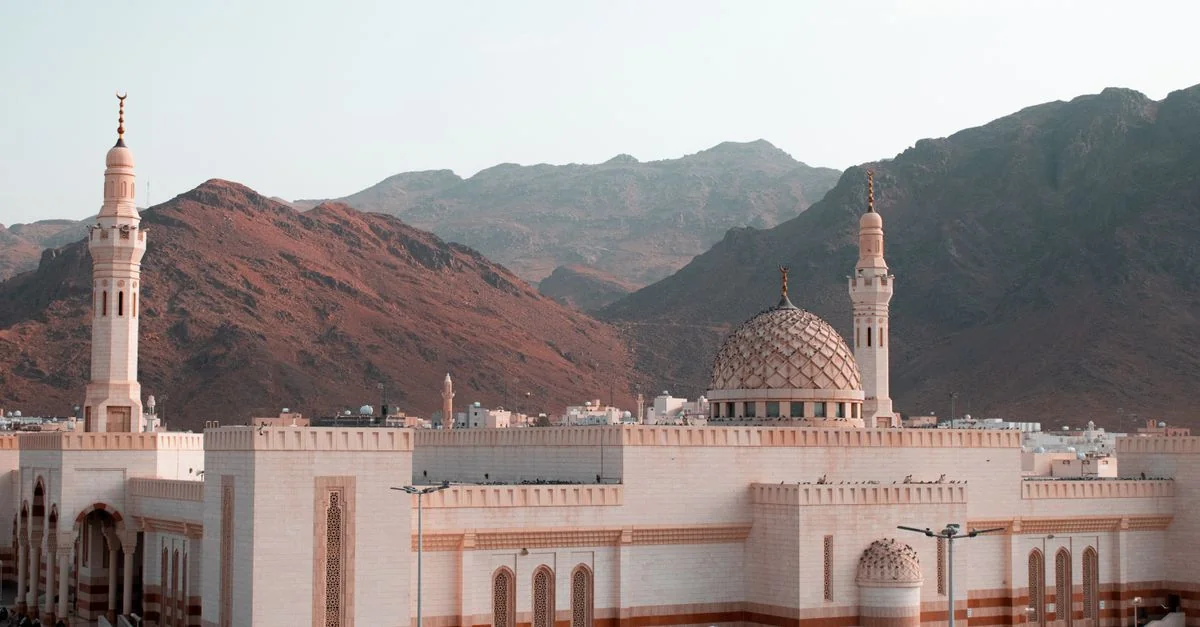
The sight of the clock face atop the Abraj Al-Bait complex, visible from miles away, serves as a modern anchor for a city defined by its deep historical roots. Standing beneath these massive structures, one cannot help but notice the juxtaposition of contemporary engineering against the ancient spiritual geography of the region. The intricate geometric patterns carved into the stone facades and the sheer scale of the masonry reflect a commitment to craftsmanship that has defined this landscape for centuries. For those interested in the evolution of monumental architecture and the physical markers of history, Mecca offers a perspective that is grounded in both the ancient past and the rapid development of the modern era. Why Mecca Is ideal for Art and History Lovers # Mecca functions as a living archive of Islamic history. The physical environment here is not merely a collection of buildings but a testament to how art and architecture have been utilized to define space and direct the human experience. When you walk through the city, the focus is on the structural integrity of the sites and the historical narratives embedded in the stone. The art here is found in the calligraphy adorning the walls, the precision of the masonry, and the deliberate layout of the city’s most significant locations.
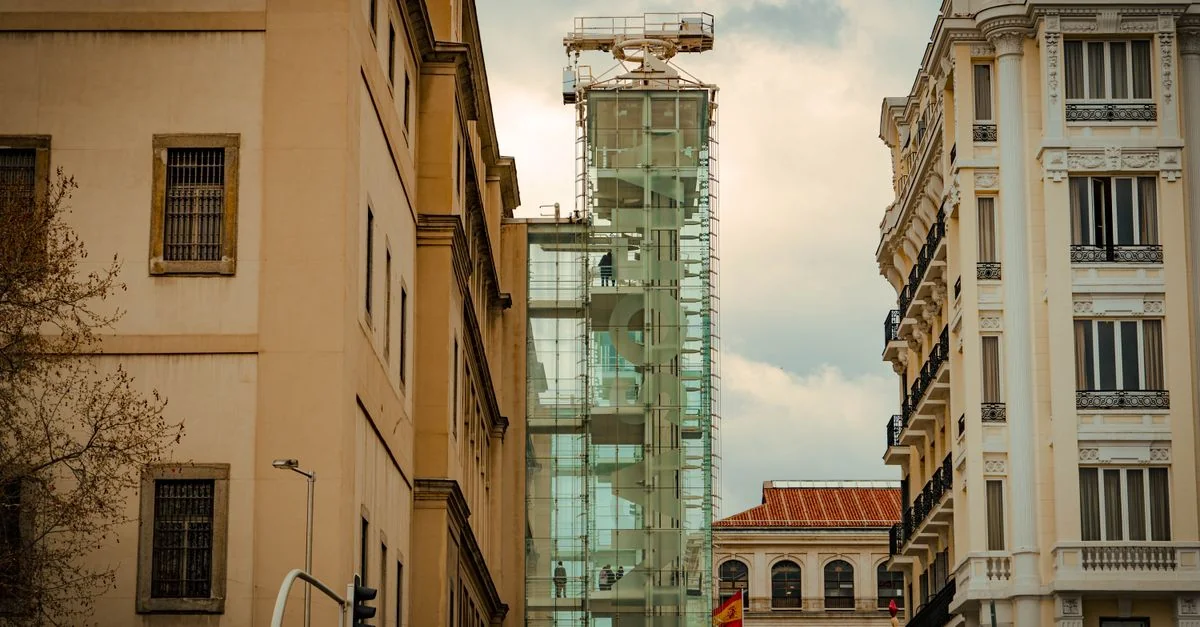
The intricate stucco work on the facade of the Cathedral of Murcia serves as a stark reminder of the architectural evolution that defines this region. Standing before the ornate, baroque exterior, one can trace the transition from the foundational Islamic influences to the later Christian overlays that characterize the city’s skyline. It is this specific intersection of eras—where the remnants of the Almohad period meet the grandeur of later centuries—that makes exploring the local landscape so compelling for anyone interested in the physical manifestation of history. Why MU Is ideal for Art and History Lovers # MU functions as a living archive of the Iberian Peninsula’s complex past. The city does not merely house artifacts in sterile rooms; rather, the streets themselves act as a conduit to the past. Walking through the center, you notice how the urban layout preserves the footprint of the medieval medina. For those of us who prioritize archaeology, the significance of these sites lies in the ability to touch walls that have stood for nearly a millennium. The local focus on preserving Islamic archaeological sites provides a rare opportunity to understand the sophisticated irrigation and urban planning systems that allowed this region to flourish in the arid climate of the southeast.
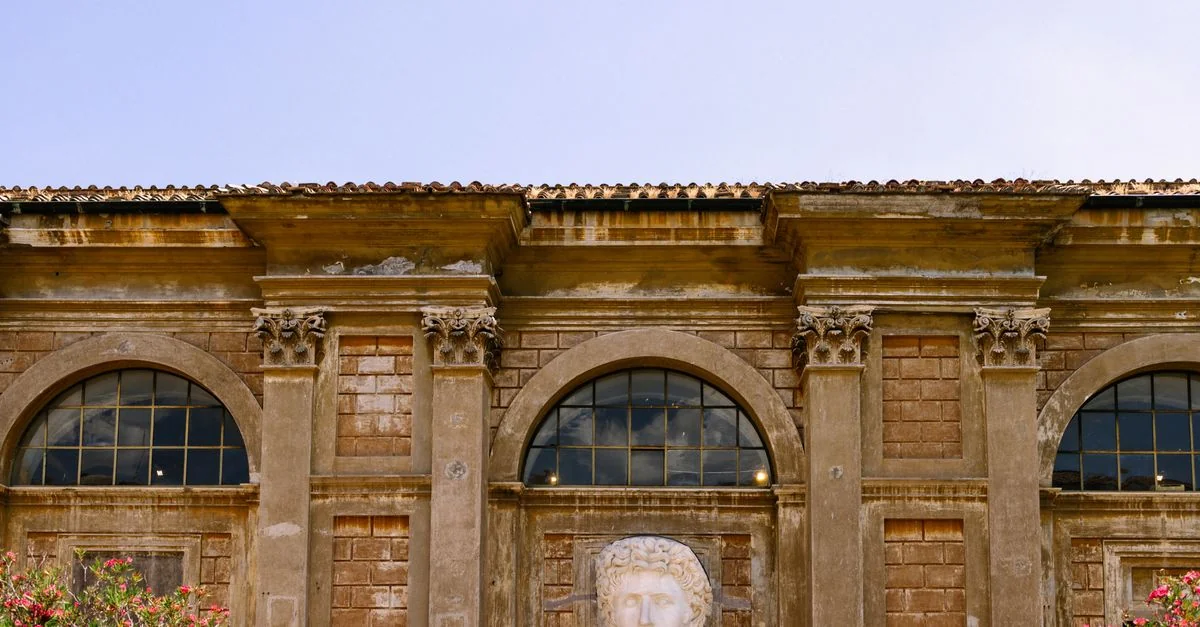
Standing inside the cool, damp interior of Santa Lucia alle Malve, my fingers brushed against eleventh-century frescoes painted directly onto the limestone cave walls. The pigments—faded ochres, earthy reds, and deep indigos—depicting a towering Madonna and Child felt remarkably immediate, despite the centuries of human footsteps that have worn down the stone floors beneath them. This subterranean sanctuary is just one fragment of the extraordinary landscape that defines MT, a southern Italian destination where architecture, archaeology, and human survival intertwine in the most striking manner imaginable. Why MT Is ideal for Art and History Lovers # The singular topography of MT forces you to reconsider how art and habitation intersect. Long before canvas and marble dominated European artistic expression, local masons and monks in MT carved entire sanctuaries, frescoed churches, and multi-level dwellings directly out of the calcarenite rock. Walking through the Sassi districts feels like stepping inside a massive sculpture where the boundary between nature and human intervention disappears entirely.
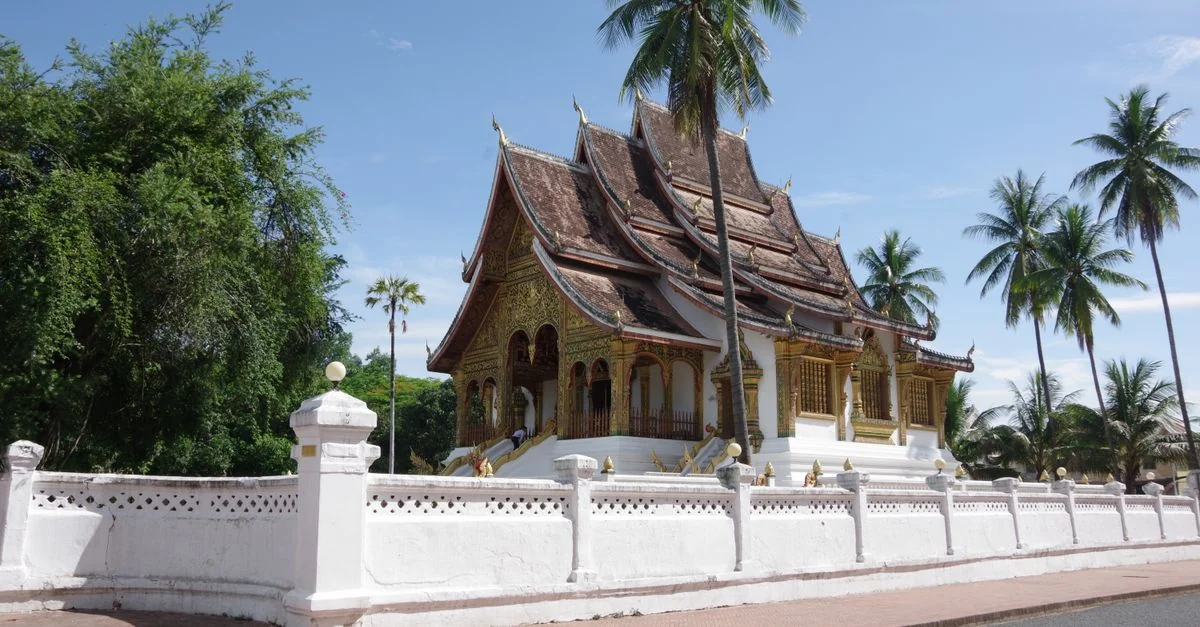
Standing before the gilded, intricately carved wooden facade of Wat Xieng Thong, built in 1560 by King Setthathirat, you immediately understand the aesthetic heartbeat of this former royal capital. The temple’s low-sweeping roofs and the famous “Tree of Life” mosaic on the western exterior wall capture a distinct Laotian craftsmanship that merges Theravada Buddhist symbolism with indigenous decorative traditions. When I travel here, my goal is always to move past the surface architecture and understand the hands that shaped these temples, textiles, and paper traditions. Why Luang Prabang Is ideal for Art and History Lovers # Art and history exist in a continuous loop in this Indochinese peninsula. French colonial villas with decaying pastel shutters sit right alongside centuries-old Buddhist monasteries. The Royal Palace Museum, once the residence of King Sisavang Vong, houses the Phra Bang Buddha image alongside royal religious art and traditional Lao artifacts. Every monastery ceiling, gilded door panel, and hand-woven sinh worn by local women speaks to an unbroken lineage of aesthetic expression.
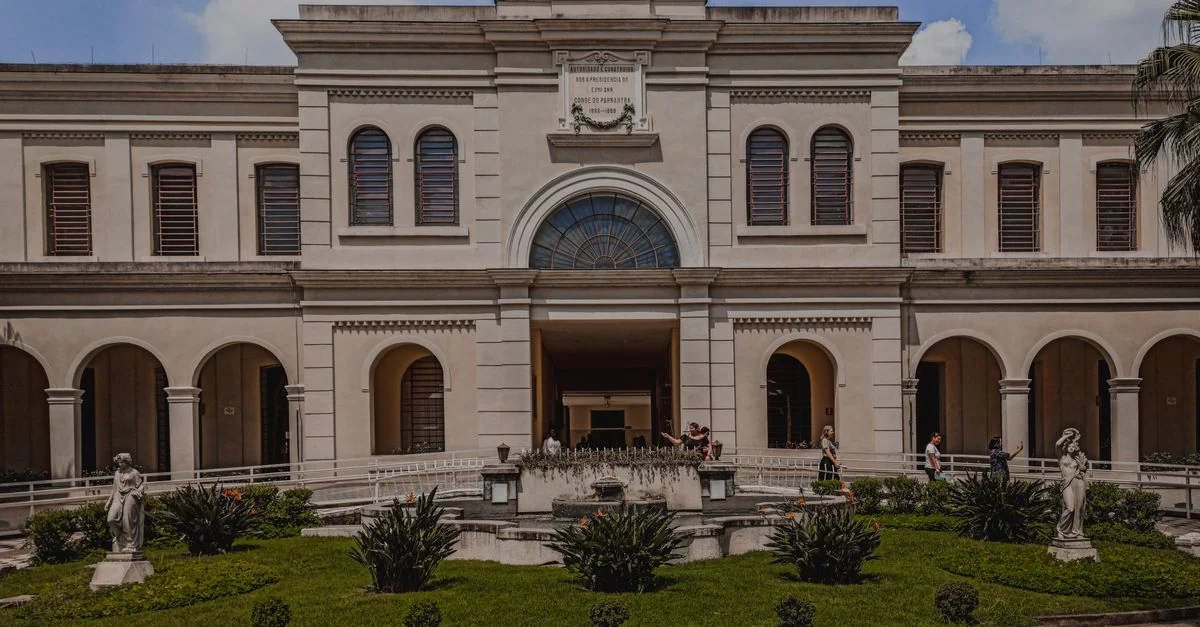
Standing before the carved mahogany door panels at the entrance of the regional archives, I trace the geometric symbols worn smooth by decades of humid air and passing hands. This is where my journey through the cultural landscape of Lome Commune began—not with a grand monument, but with the quiet, tactile evidence of daily life and ancestral memory. As a traveler who tracks civilizations through their material culture, I find that this coastal capital offers a distinct window into West African history. The city’s architectural juxtaposition of German colonial brickwork and modernist concrete structures provides an immediate visual cue about its complex past. When you walk these streets, you are navigating layers of governance, trade, and artistic expression that stretch back long before independence. Why Lome Commune Is ideal for Art and History Lovers # The urban fabric of Lome Commune tells stories through its facades, markets, and institutions. Along the palm-lined coastal avenues, old colonial administrative buildings now house local government offices and small galleries. You notice the rhythmic patterns of breeze-block walls, designed to catch the Atlantic trade winds, alongside elaborate wrought-iron balconies imported during the late nineteenth century.
Standing inside the soaring gothic nave of the Lausanne Cathedral, looking up at the 13th-century painted rose window, you realize this city is layered with centuries of stone and spirit. When I first visited Lausanne, I expected a sleepy alpine postcard. Instead, I found a steep, terraced hillside city on the shores of Lake Geneva where Roman foundations meet medieval walls and experimental contemporary design. As a traveler who measures a city by its stone carvings, gallery lighting, and preservation of the past, Lausanne offers an intellectual density that rewards slow walking and careful observation. You do not just look at history here; you climb through it, stairwell by steep stairwell, from the port of Ouchy up to the old town.