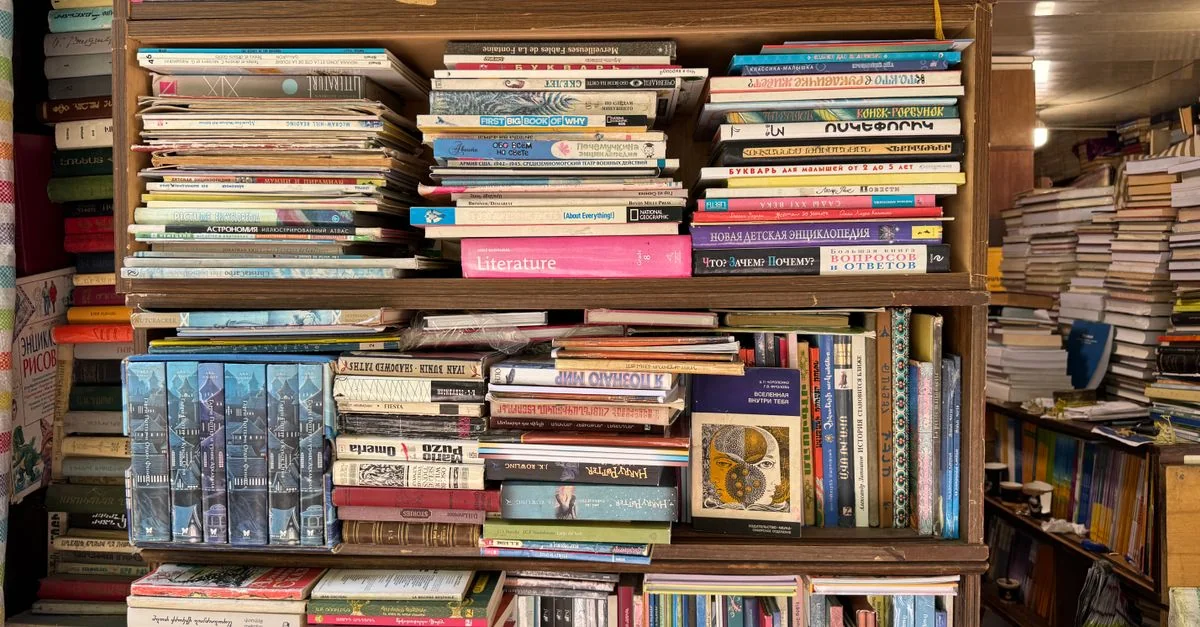
Standing on Republic Square, I trace my fingers along the carved tuff stone of the National Gallery facade, where pink volcanic basalt captures the afternoon sun. Yerevan operates as a living museum, shaped by the distinctive architectural vision of Alexander Tamanyan and carved from centuries of artistic expression. My years traveling as a culture blogger have taught me to look beyond standard guidebooks and focus on how a city’s creative heartbeat actually functions on the ground. This guide explores the galleries, collections, and creative experiences that define the Armenian capital. Why Yerevan Is ideal for Art and History Lovers # The city’s cultural foundation rests heavily on the works of early 20th-century avant-garde painters and ancient manuscript collections. At the Matenadaran, visitors stand before illuminated gospels dating back to the 5th century, housed in a formidable structure overlooking Mesrop Mashtots Avenue. The National Gallery of Armenia holds the world’s largest collection of marine painter Ivan Aivazovsky’s works outside of Russia , alongside substantial galleries dedicated to Martiros Saryan, whose fauvist canvases of Mount Ararat defined the modern Armenian aesthetic.
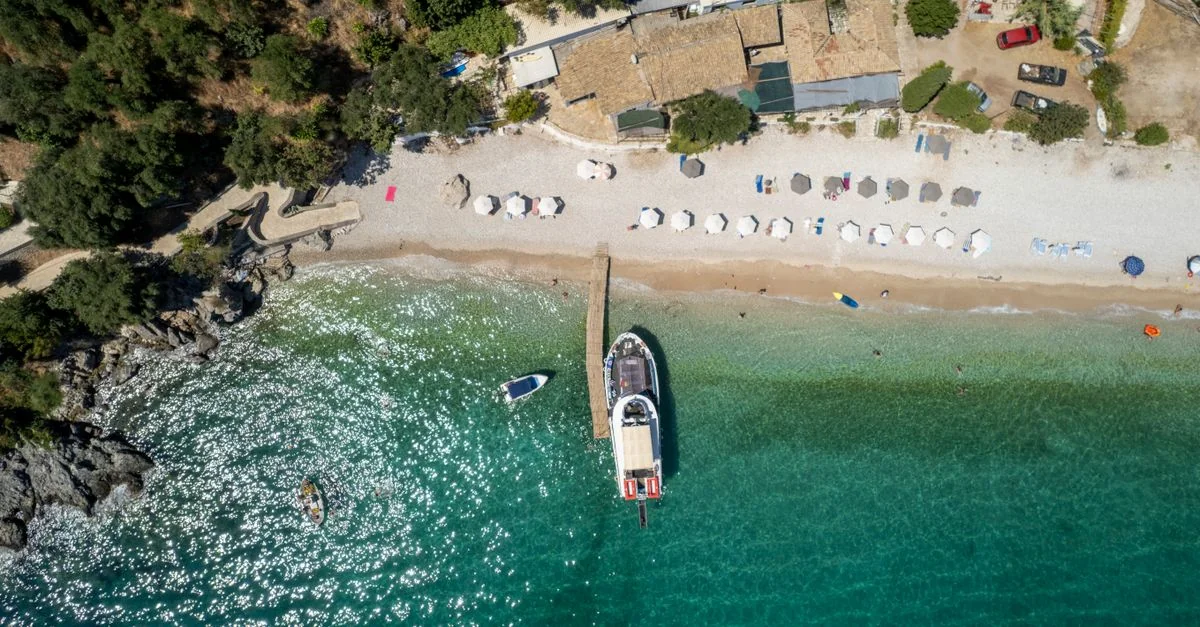
Standing on the limestone cliffs of Vouliagmeni, looking out over the Saronic Gulf where the turquoise waters meet the pine-fringed headlands, it is easy to understand why the ancient Athenians chose this stretch of the Attica coast for their sanctuaries and retreats. While modern visitors often treat Vouliagmeni strictly as a beachside escape for swimming and dining, the coastal suburb serves as an ideal base for exploring the monumental archaeological sites of the Peloponnese. Why Vouliagmeni Is ideal for Art and History Lovers # Vouliagmeni offers a distinct duality for the cultural traveler. Just beneath the surface of its pine-scented air and luxury resorts lies a landscape steeped in classical mythology and ancient engineering feats. The coastline itself bears traces of antiquity, from the sunken ancient town near Lake Vouliagmeni to the remnants of the Temple of Apollo Zoster on Cape Zoster, where ancient travelers once stopped to offer sacrifices to the god before navigating the Aegean.
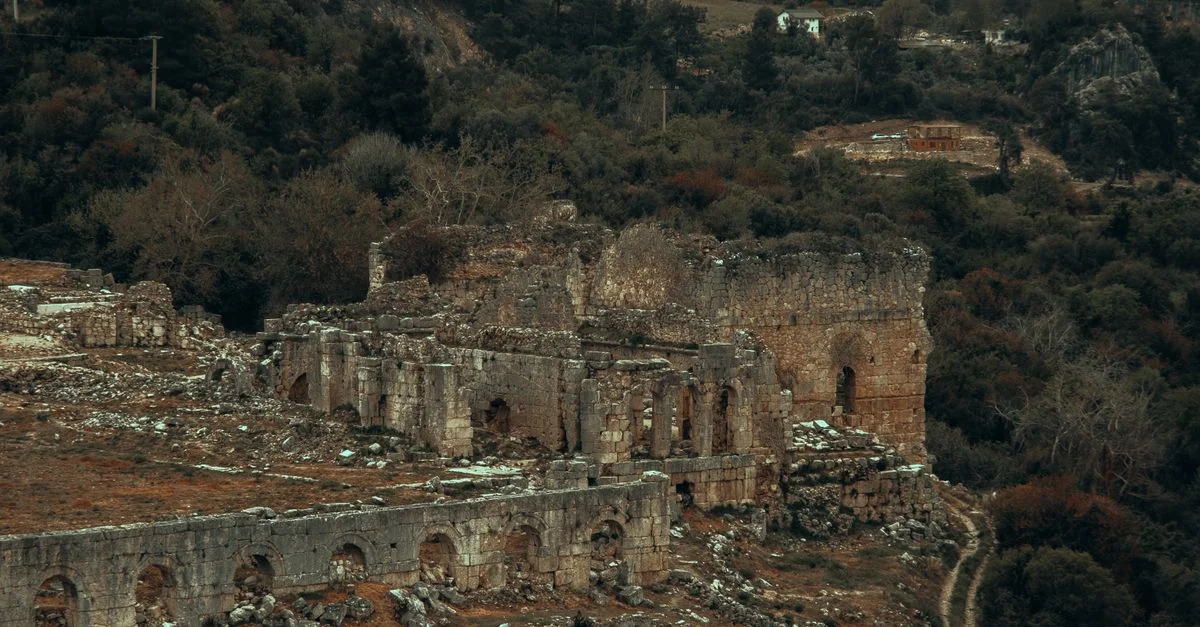
Standing before the monumental concrete reliefs adorning the Soviet-era facades of Tiraspol, one immediately recognizes the distinct visual language that defines the built environment here. As a traveler who tracks political history through public monuments, I find the preservation of mid-century monumental art across this region fascinating. The Socialist Realist mosaics, industrial murals, and architectural statements left behind tell a complex story of 20th-century ideology translated into stone, glass, and tile. Navigating this territory requires a clear-eyed approach to regional history, local logistics, and artistic heritage. Why Unitățile administrativ-teritoriale din stînga Nistrului Is ideal for Art and History Lovers # Art and history intersect along the banks of the Dniester River in ways that few other European territories match. The region functions as an open-air museum of Soviet design philosophy. Public squares feature heroic statues, while bus stops throughout Sucleia, Bender, and Gisca double as canvases for intricate ceramic tile mosaics celebrating agriculture, labor, and space exploration. These installations, constructed during the Soviet period, showcase an underappreciated chapter of decorative arts where anonymous artists elevated utilitarian spaces into public galleries.
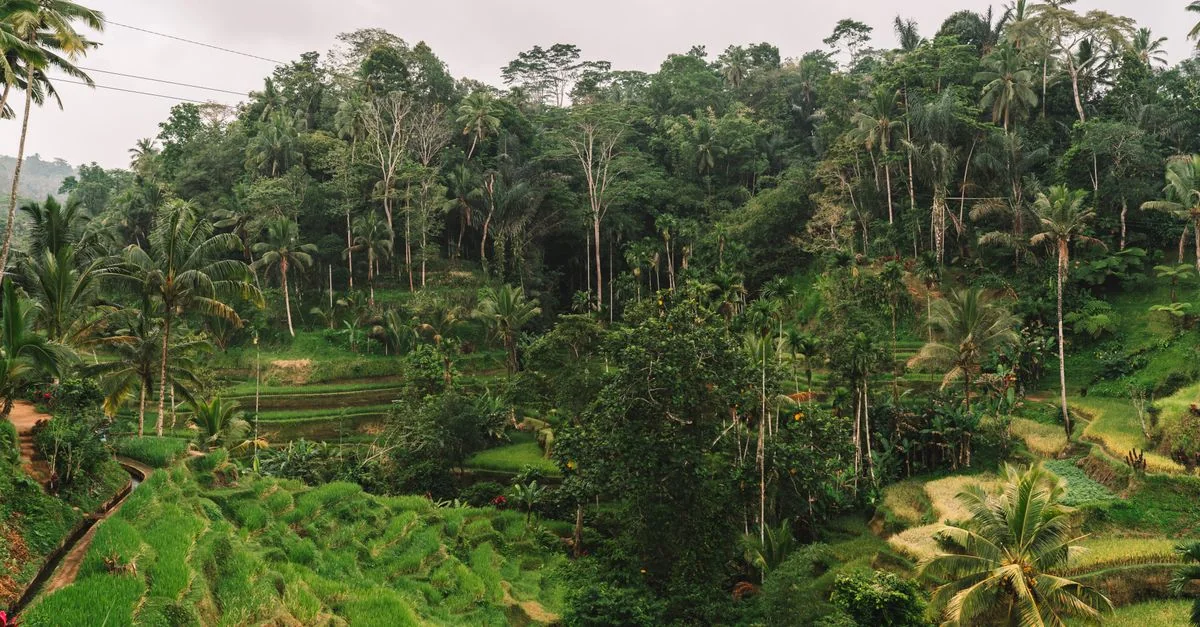
When I trace my fingers across the intricate, hand-chiselled stone temple reliefs around Ubud , I feel the direct connection between daily Balinese life and centuries of spiritual devotion. This town in the rolling hills of Bali operates as an active canvas where painting, wood carving, and sacred architecture form the rhythm of existence. As a traveler who tracks artistic movements and historical layers, I find that Ubud demands a deliberate pace. You cannot rush through an architectural tradition that treats every doorway as an offering. Why Ubud Is ideal for Art and History Lovers # The creative energy here stems from royal patronage and a deep-rooted spiritual philosophy known as Tri Hita Karana, which harmonizes humans with gods, nature, and each other. Painters and sculptors migrated to these highlands decades ago, drawn by the quality of light and the abundance of natural materials like teak, volcanic stone, and organic dyes. Walk down any side street, and you will hear the rhythmic tap of a chisel meeting wood, or watch an elder weaving palm fronds for daily temple ceremonies. The art here is not locked behind glass for passive viewing; it lives in the courtyards, frames the doorways, and dictates the layout of ancient water shrines.

I stood in the grand stairwell of the Palazzo Reale, tracing the gilded plasterwork with my eyes as the morning light hit the ceiling frescoes. Turin has a way of surprising travelers who expect only automotive factories from Italy ’s northern powerhouse. Instead, this former royal capital offers a distinct architectural dignity, born from its grid-like Roman foundations and centuries of Savoy rule. When I travel for art and history, I look for places where the streetscapes feel like open-air galleries, and Turin delivers this through its uniform baroque facades, grand piazzas, and an unhurried cafe culture. Why Turin Is ideal for Art and History Lovers # Walking through the city center, the architectural shift from medieval alleys to sweeping 17th-century boulevards tells the story of the House of Savoy. The city’s layout was designed to project power, with long avenues framing the snow-capped Alps in the distance. Beyond the royal architecture, the urban fabric houses exceptional collections of historical artifacts, fine art, and design objects that span centuries.
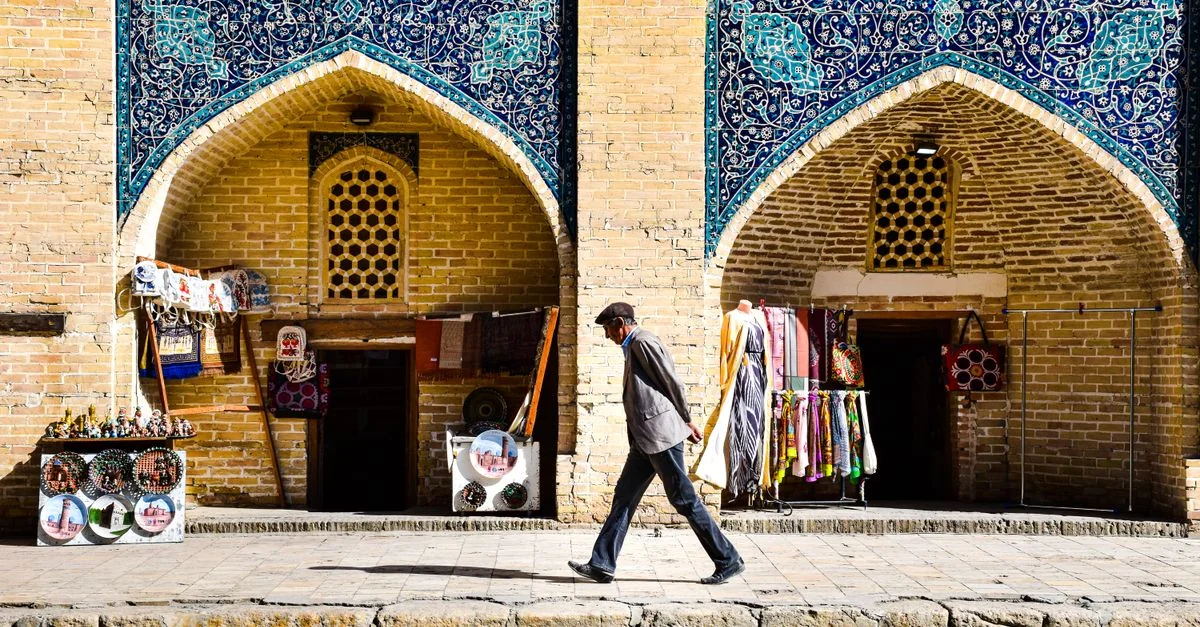
Standing beneath the soaring concrete arches of Toshkent’s Hotel Uzbekistan , tracing the intricate geometric patterns of its concrete brise-soleil facade, you immediately understand that this city operates on a different architectural frequency than its ancient neighbors. While Samarkand and Bukhara draw travelers with turquoise-domed madrasas, Toshkent offers a masterclass in mid-century Soviet monumental design overlaid with a living Central Asian arts scene. I spent weeks walking these broad avenues, examining mosaic murals bolted to residential apartment blocks, and exploring the layers of history preserved in the city’s exhibition halls. This guide details how to navigate the cultural landscape of Toshkent, focusing strictly on verifiable experiences, authentic artistic heritage, and the exact tour options available to travelers on the ground. Why Toshkent Is ideal for Art and History Lovers # Toshkent functions as the primary gateway to Uzbekistan, yet many travelers bypass its cultural offerings in a rush to reach the Silk Road monuments further west. That is a mistake. The city’s identity was dramatically reshaped by the devastating 1966 earthquake, which leveled large portions of the historic center. In response, architects and artists from across the Soviet Union arrived to rebuild the capital, creating a unique urban laboratory.
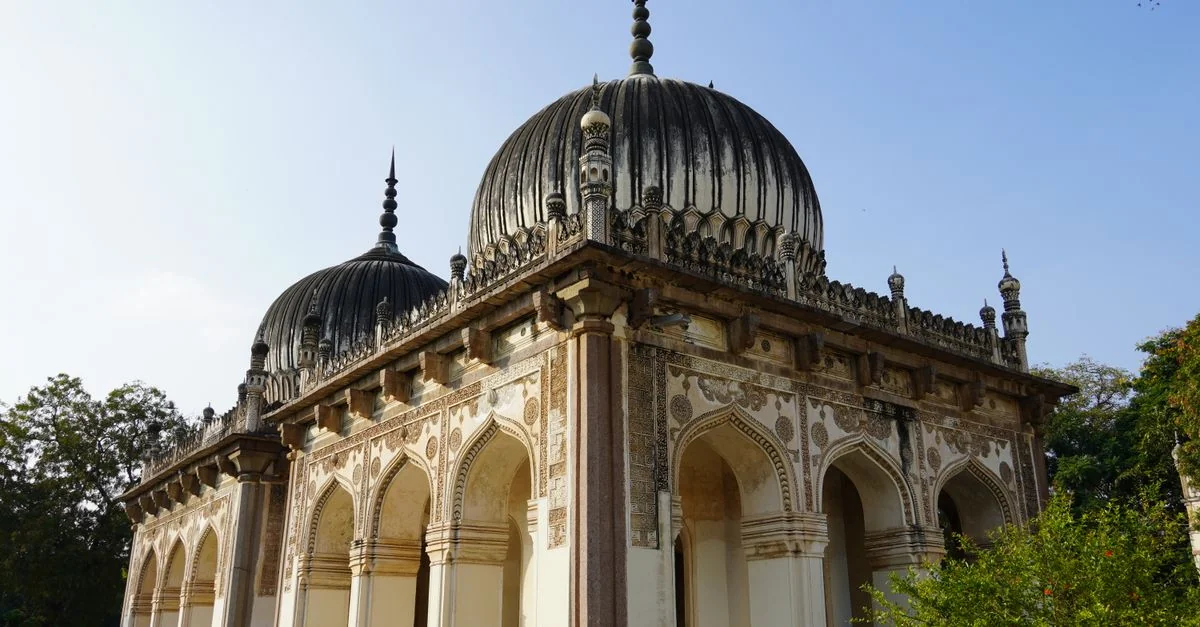
The four minarets of the Charminar rise above the old city of Hyderabad like a limestone compass, their stucco ornamentation reflecting the Qutb Shahi dynasty’s preference for Indo-Islamic precision. Standing at the base of this structure, you notice the intricate carvings that have withstood centuries of monsoon rains and urban expansion. It is here, in the heart of Telangana, that the past remains physically present, etched into the granite of fortresses and the delicate arches of mosques. Understanding this region requires moving beyond the surface level of modern transit and focusing on the specific engineering feats of the Deccan Plateau. Why Telangana Is ideal for Art and History Lovers # Telangana serves as a bridge between the architectural traditions of the north and the Dravidian motifs of the south. The history here is defined by the transition from the Kakatiya dynasty to the Bahmani and Qutb Shahi rulers, a sequence that left behind a distinct visual language. You see this in the geometric patterns of the tombs and the defensive walls of the Golconda Fort, which utilize acoustic engineering that still functions today.
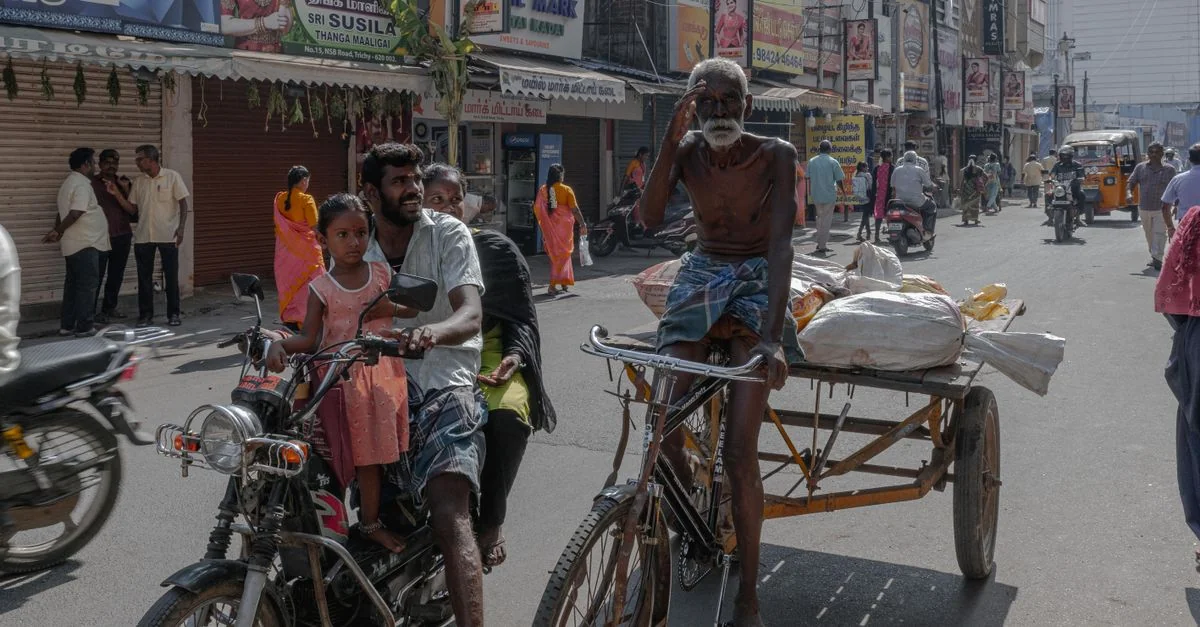
The towering gopurams of the Meenakshi Amman Temple in Madurai serve as a masterclass in Dravidian architecture. Each tier is crowded with stucco deities, their expressions frozen in a permanent state of celestial drama. Standing at the base of these structures, you realize that the art of Tamil Nadu is not confined to the sterile glass cases of a gallery; it is a living, breathing entity carved directly into the bedrock of the landscape. The precision of the stone-cutters, who turned granite into fluid drapery and delicate jewelry, remains one of the most compelling reasons to explore this southern Indian state. Why Tamil Nadu Is ideal for Art and History Lovers # Tamil Nadu operates on a scale of antiquity that is difficult to process. While many regions in India focus on the aesthetics of the Mughal era, Tamil Nadu remains the stronghold of the Chola, Pandya, and Pallava dynasties. The art here is defined by its verticality and its narrative density. In the temples of Thanjavur or the rock-cut shrines of Mahabalipuram, every pillar serves as a page in a historical manuscript.
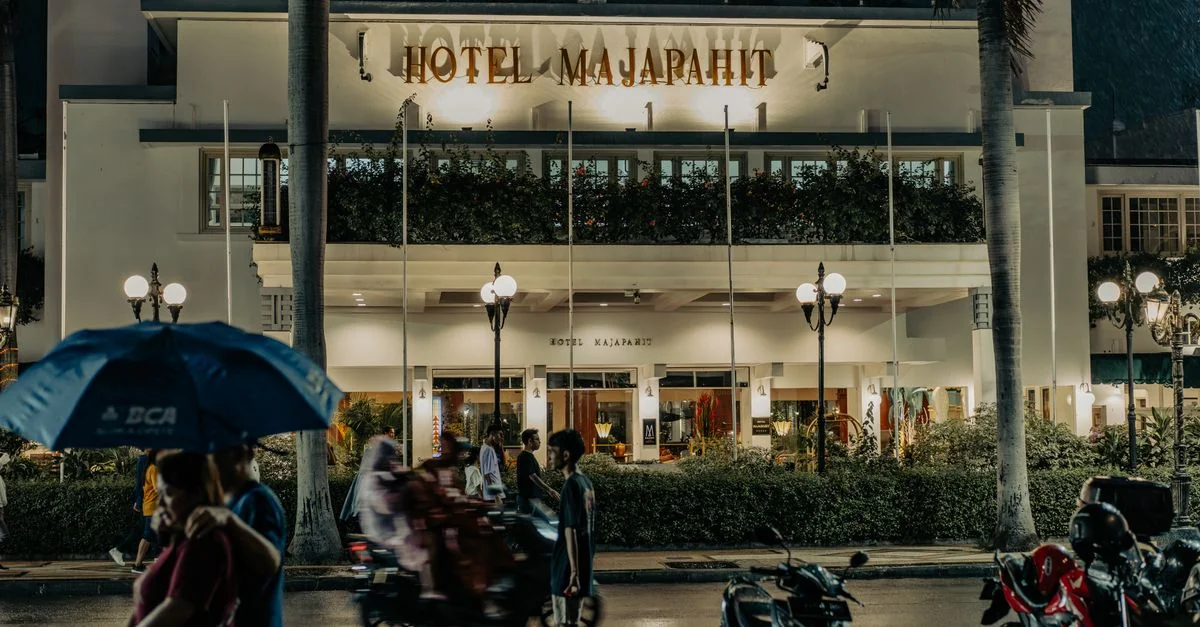
Standing before the weathered red brickwork of Candi Tikus, located just outside Surabaya, I found myself tracing the geometric contours of a structure that once served as a ritual bathing place for Javanese royalty. This thirteenth-century archaeological site anchors the region’s deep historical narrative, connecting the modern streetscape of East Java’s largest city directly to the medieval Majapahit Empire. As a traveler who measures a destination by its physical artifacts and enduring artistic traditions, I discovered that Surabaya offers a distinct lens into Indonesian heritage, far removed from the typical beach resort circuit. Why Surabaya Is ideal for Art and History Lovers # Surabaya operates as a city forged in the fires of anti-colonial resistance and shaped by centuries of maritime trade. The architecture shifts dramatically from the crumbling colonial facades of the Red Bridge district to the neighborhood of Kampong Lawas Maspati, where traditional Javanese dwellings stand quietly behind narrow alleys. Local galleries and civic museums house the tangible remains of eras when Hindu-Buddhist kingdoms and Islamic sultanates held sway over the archipelago.
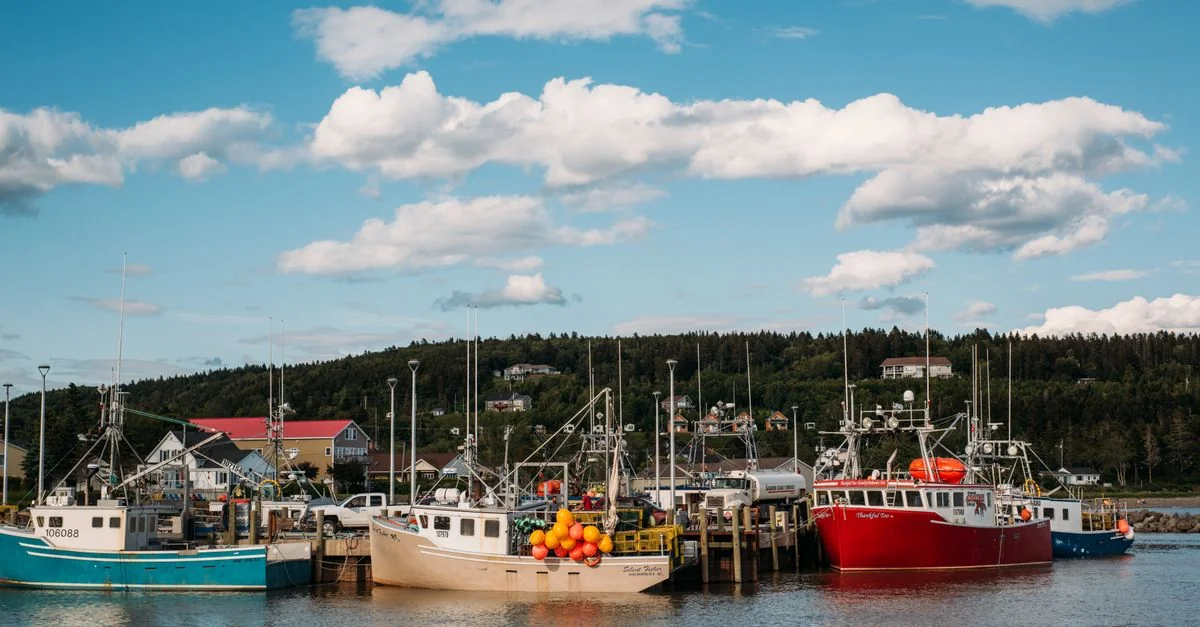
Standing before the weathered stone and maritime masonry of the Rooms in downtown St. John’s, you instantly feel the weight of centuries of North Atlantic history. This capital city holds stories carved by cod fisheries, transatlantic aviation, and an Indigenous past that stretches far beyond European contact. When I travel for art and history, I look past the standard tourist gloss to find the architecture, galleries, and local guides that explain how a place actually lives. St. John’s delivers this with an unpretentious warmth that sets it apart from larger Canadian metropolises. Why St. John’s Is ideal for Art and History Lovers # The geographic isolation of Newfoundland shaped a distinct artistic and cultural identity here. You see it in the bright, multi-colored Jellybean Row houses climbing the steep hillsides, and in the contemporary galleries displaying works by local painters and sculptors who draw inspiration from the crashing waves of Cape Spear. The city’s cultural footprint rests on a foundation of maritime resilience. History isn’t locked away in dusty cabinets here; it echoes through the narrow lanes, local folk music sessions in pubs, and the permanent collections at major cultural centers.