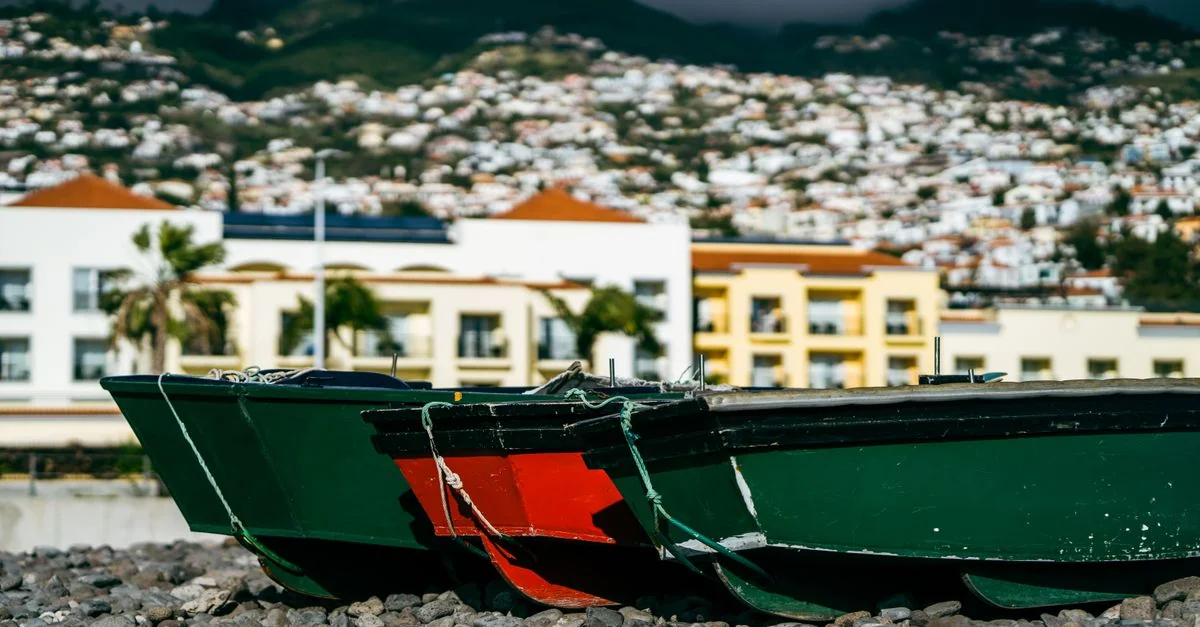
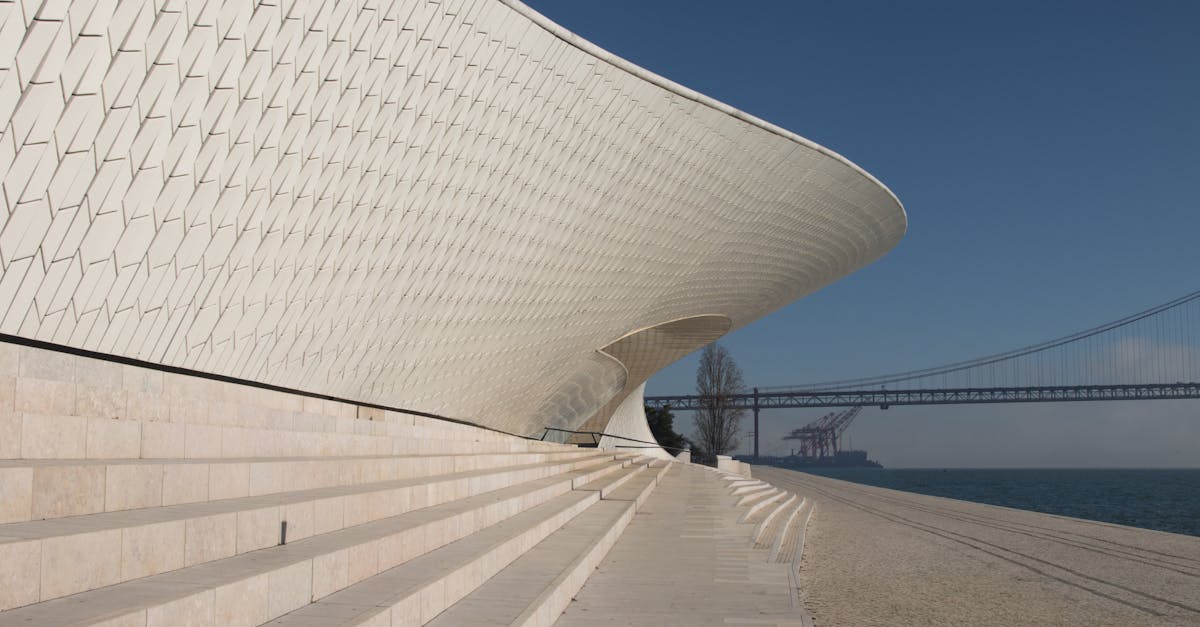
The moment I stepped into the historic center of Funchal , the scent of saltwater and the sound of waves crashing against the rocks filled my senses. The city’s architecture, a blend of colonial and modern styles, immediately drew my attention. The iconic red-tiled roofs of the houses, the whitewashed walls, and the blue doors painted in traditional Portuguese patterns created a visual symphony that told a story of resilience and cultural richness. Why Funchal Is ideal for Art and History Lovers # Funchal, the capital of Madeira , is a city steeped in history and culture. The city’s rich past is evident in its well-preserved historic center, which is a UNESCO World Heritage Site. The blend of Portuguese, African, and Asian influences in the city’s architecture and cuisine is a testament to its unique identity. As a culture enthusiast, I found Funchal to be a great destination of historical sites and cultural experiences.
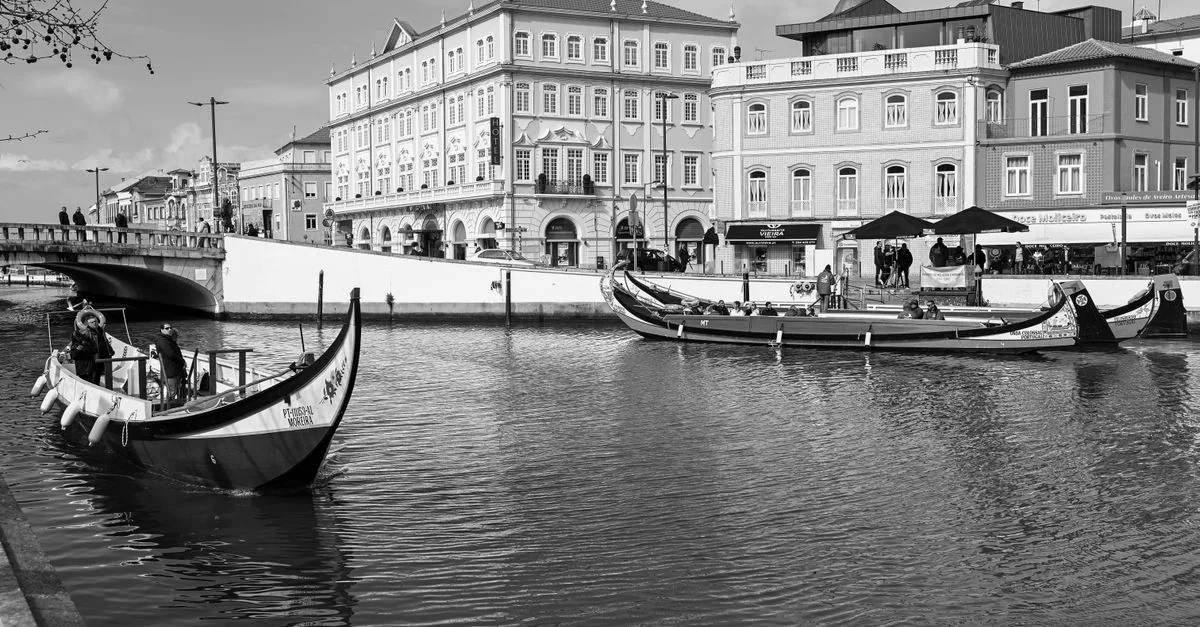
The moment I stepped into the Aveiro Municipal Museum, I was struck by the intricate details of the Azulejos (Portuguese tiles) that adorned the walls. The lively blue and white tiles, depicting scenes from local folklore, immediately transported me to a world of color and tradition. Aveiro, often overshadowed by its more famous neighbor Porto , is a city rich in art and history, waiting to be discovered by those who seek a deeper understanding of Portugal ’s cultural mix. Why Aveiro Is ideal for Art and History Lovers # Aveiro’s art scene is a testament to the city’s deep-rooted cultural heritage. The Aveiro Municipal Museum, for instance, houses an impressive collection of Azulejos, with pieces dating back to the 16th century. These tiles, often used to decorate churches and palaces, are not just decorative elements but also carry significant historical and religious meanings. The museum’s permanent collection also includes works by local artists, providing a glimpse into Aveiro’s artistic evolution.
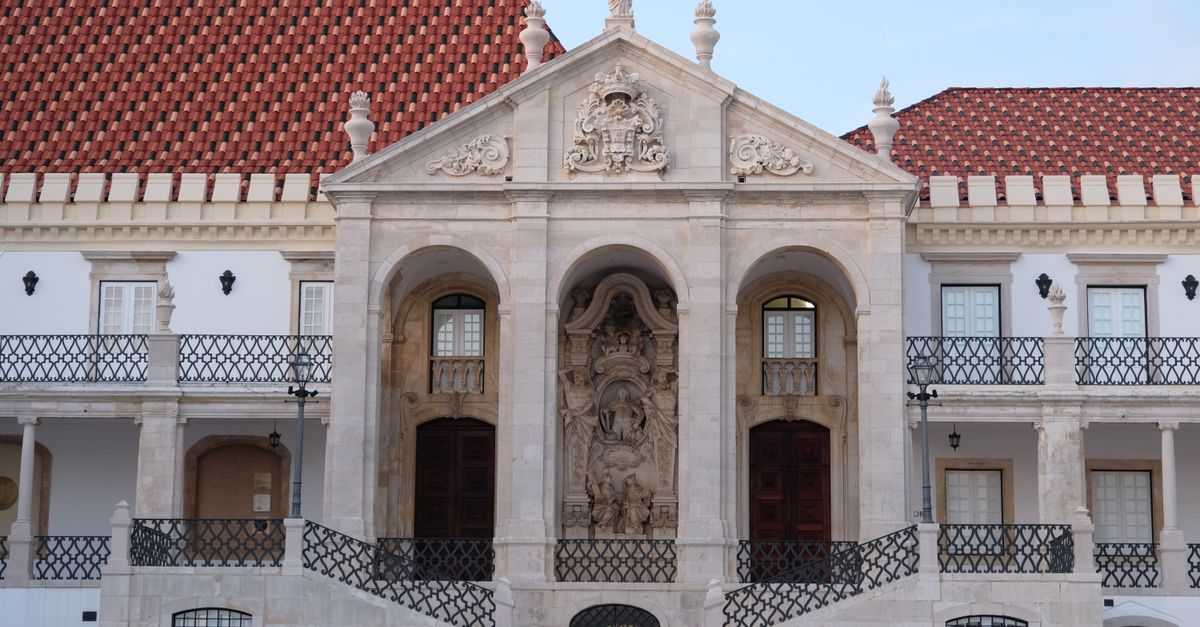
In 1139, Coimbra became the birthplace of the Portuguese nation when Afonso Henriques declared it the capital, a political shift that permanently etched stone monuments, monastic libraries, and narrow medieval alleys into the steep hills rising above the Mondego River. Standing before the Manueline portal of the Santa Cruz Monastery, where the first two kings of Portugal rest in intricately carved limestone tombs, you immediately feel the gravitational pull of a city built on centuries of scholarship and royal ambition. As a traveler who tracks down the physical evidence of past eras, I find that Coimbra rewards slow observation, whether you are analyzing the tiles of ancient palaces or walking the labyrinthine passages of the old Jewish quarter.
Photo by Efrem Efre on Pexels Stepping into Condeixa-a-Nova, one cannot help but be captivated by the remnants of the Roman Empire that whisper tales of a bygone era. The site of Conimbriga, with its well-preserved mosaics and ancient ruins, is a testament to the sophisticated civilization that once thrived here. As I wandered through the intricate patterns of the mosaics, I felt a connection to the artisans who painstakingly created these masterpieces centuries ago.
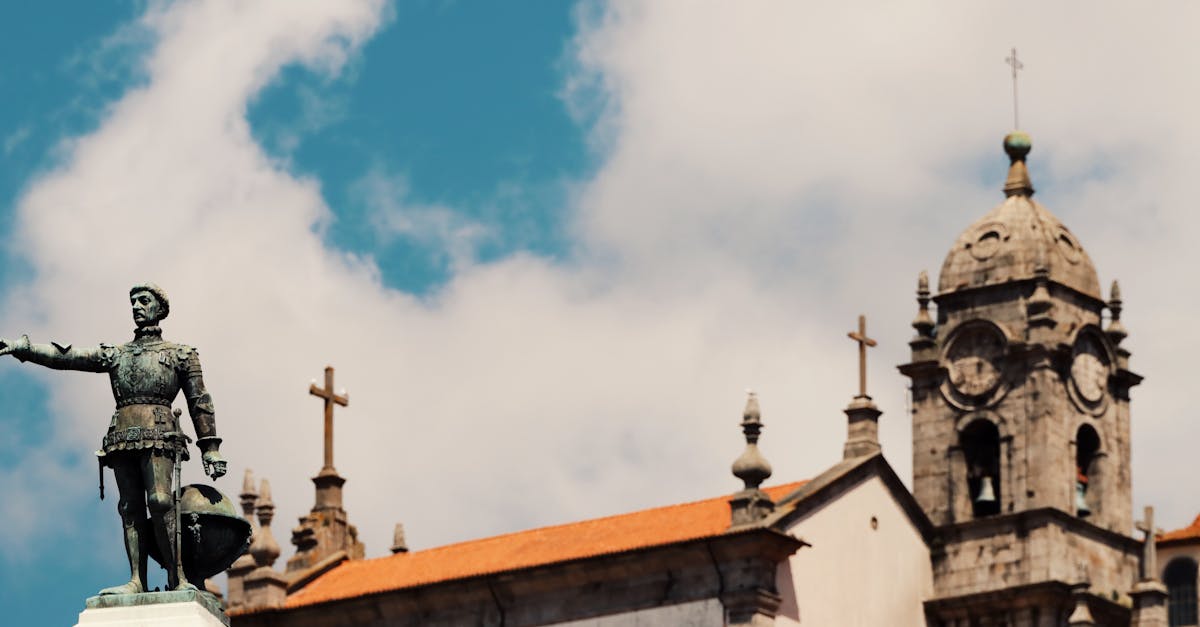
Photo by Efrem Efre on Pexels Porto , with its stunning architecture and artistic flair, offers a captivating blend of history and creativity. One of the first things that caught my eye was the intricate azulejos, the traditional Portuguese tiles that adorn many buildings throughout the city. The São Bento Railway Station, in particular, features an impressive wall of blue and white tiles that depict historical scenes, making it a perfect starting point for any culture enthusiast’s exploration.
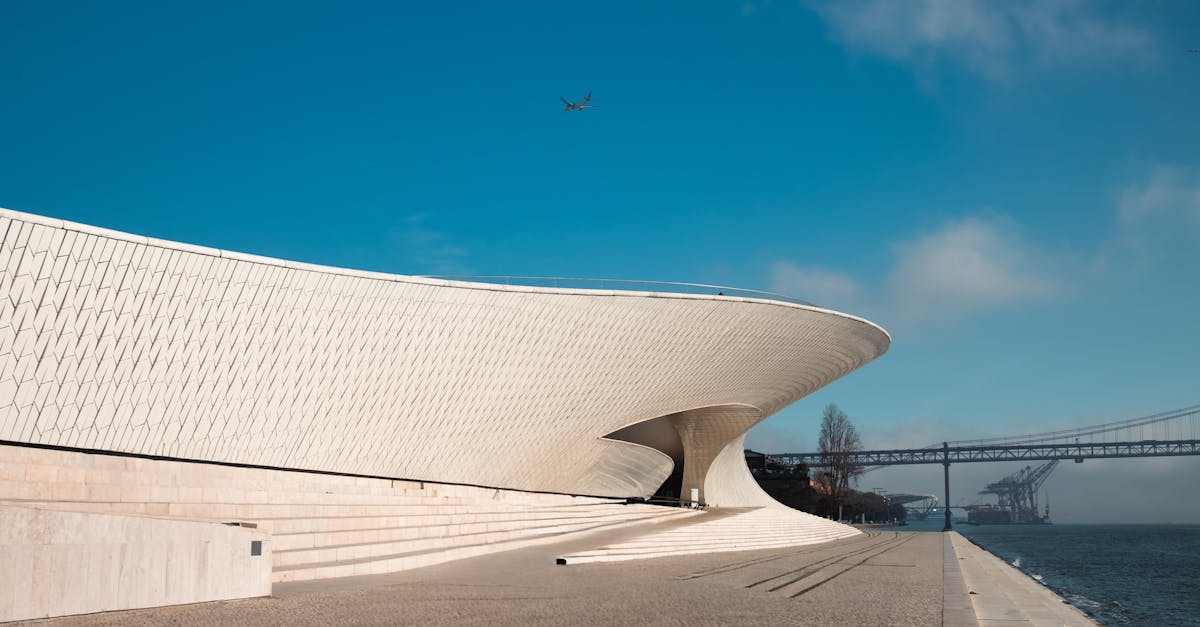
Photo by Efrem Efre on Pexels Lisbon , a city steeped in history, is home to remarkable architecture and stunning artworks that tell the stories of its past. One striking example is the Jeronimos Monastery, a masterpiece of Manueline architecture. Its intricate carvings and majestic cloisters are not just a beautiful sight but also a testament to Portugal ’s Age of Discovery. Standing before its grand façade, you can almost hear the echoes of explorers setting sail for uncharted territories.