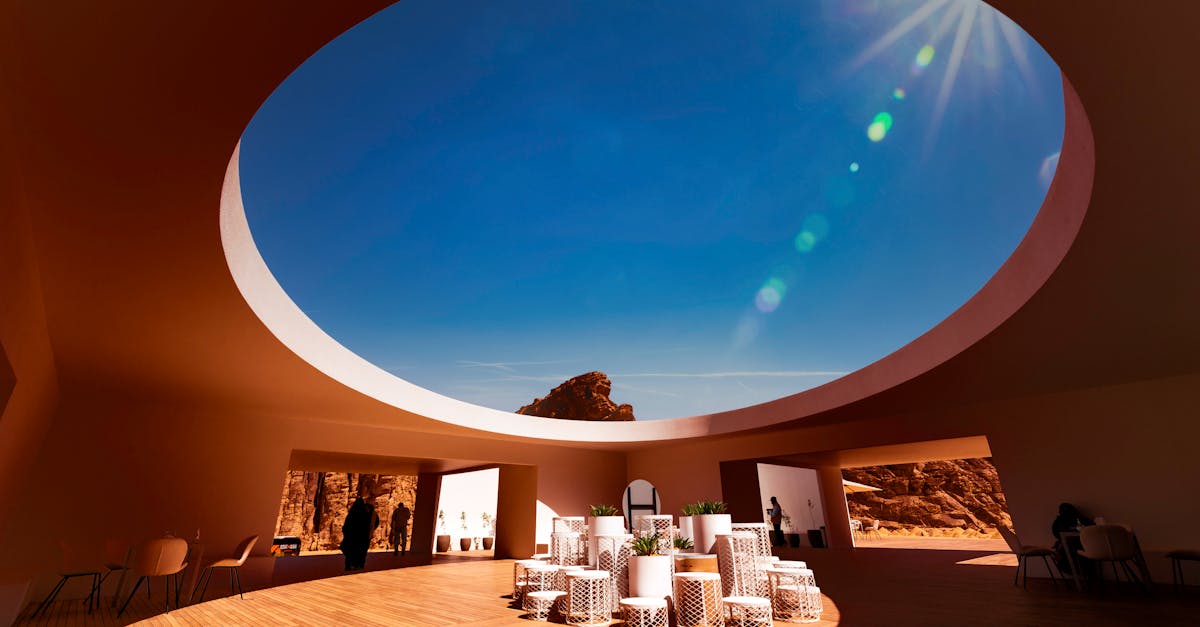
Al Ula , Saudi Arabia , is a great destination of ancient art and history, offering a unique blend of archaeological wonders and cultural experiences. The city’s stunning rock-cut architecture and ancient tombs, such as the Hejazi Tombs and the Al Ula Archaeological Museum, provide a glimpse into the region’s rich past. As a culture and art travel blogger, I’m thrilled to share my experiences and insights on what makes Al Ula worth visiting destination for art and history lovers. Why Al Ula Is ideal for Art and History Lovers # Al Ula’s most iconic landmark is the Hejazi Tombs, a collection of ancient rock-cut tombs dating back to the Nabatean civilization. The tombs are a testament to the skill and craftsmanship of the ancient Hejazis, who carved their graves into the mountainside. The most famous tomb in the complex is the Tomb of King Ghayath, which features intricate carvings and a stunning courtyard. To fully appreciate the tombs, consider visiting during the cooler months, from November to February, when the weather is more pleasant.
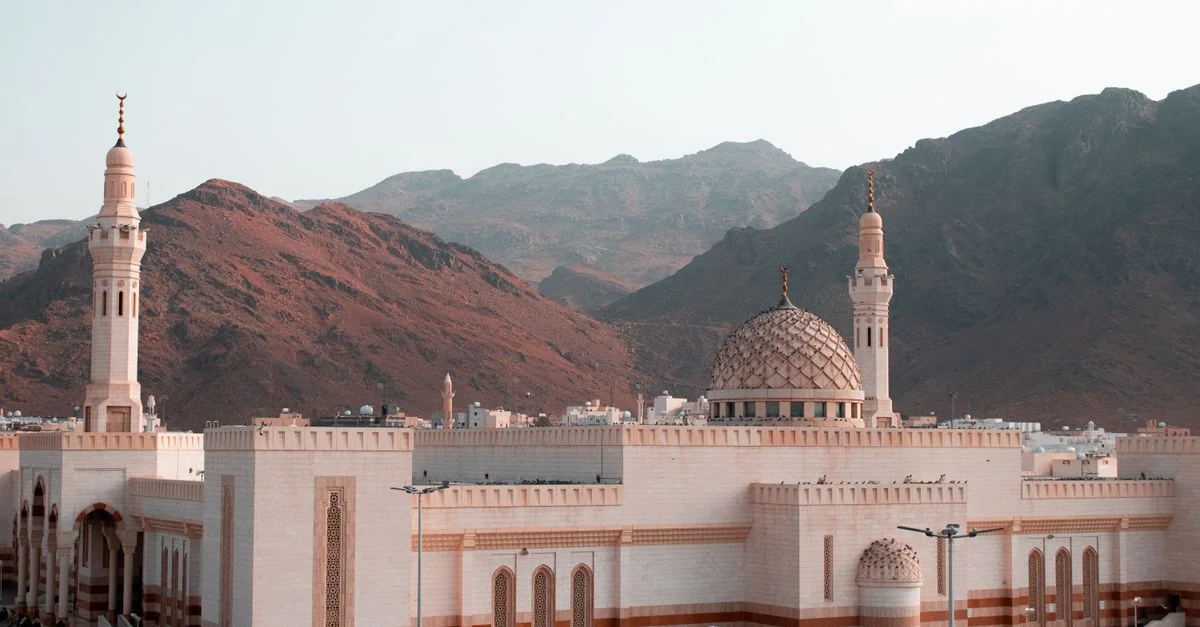
The sight of the clock face atop the Abraj Al-Bait complex, visible from miles away, serves as a modern anchor for a city defined by its deep historical roots. Standing beneath these massive structures, one cannot help but notice the juxtaposition of contemporary engineering against the ancient spiritual geography of the region. The intricate geometric patterns carved into the stone facades and the sheer scale of the masonry reflect a commitment to craftsmanship that has defined this landscape for centuries. For those interested in the evolution of monumental architecture and the physical markers of history, Mecca offers a perspective that is grounded in both the ancient past and the rapid development of the modern era. Why Mecca Is ideal for Art and History Lovers # Mecca functions as a living archive of Islamic history. The physical environment here is not merely a collection of buildings but a testament to how art and architecture have been utilized to define space and direct the human experience. When you walk through the city, the focus is on the structural integrity of the sites and the historical narratives embedded in the stone. The art here is found in the calligraphy adorning the walls, the precision of the masonry, and the deliberate layout of the city’s most significant locations.
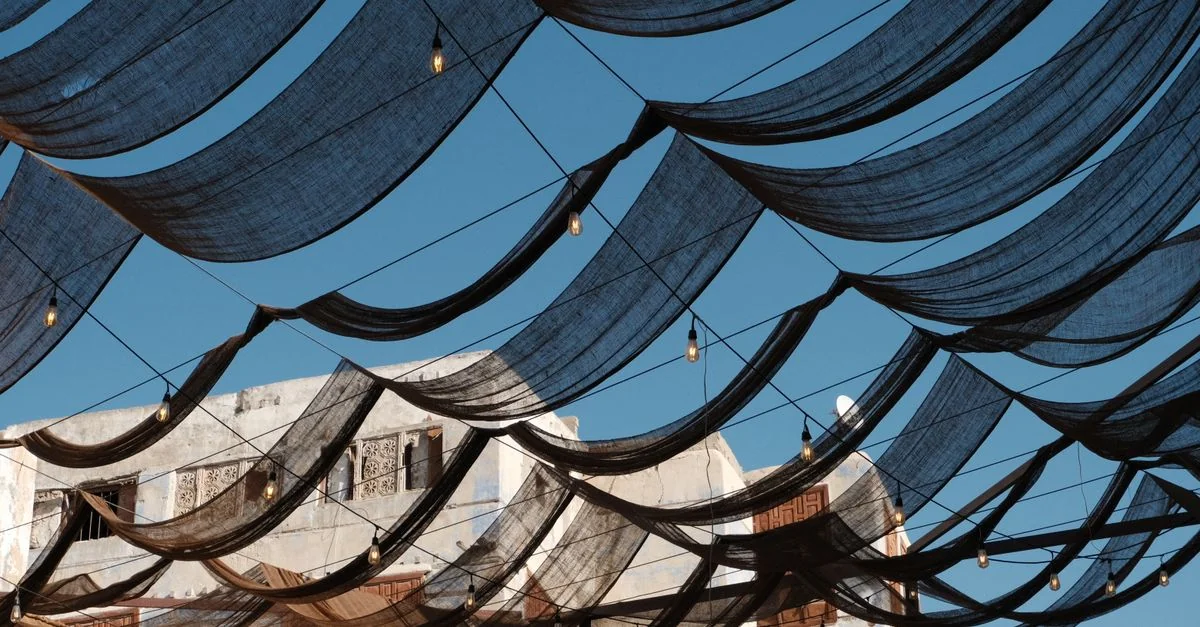
The sun strikes the hand-carved geometric patterns on the mud-brick walls of the At-Turaif district, casting sharp, angular shadows that define the architecture of Diriyah. Standing before these restored structures, you can see the precise layering of sun-dried mud bricks and straw, a technique that has defined this region for centuries. It is not merely a collection of ruins; it is a deliberate reconstruction of the birthplace of the first Saudi state, where the interplay of light against the earthen textures provides a stark, minimalist aesthetic that appeals to anyone interested in the intersection of desert survival and structural design. Why Diriyah Is ideal for Art and History Lovers # Diriyah serves as a physical archive of the Najdi architectural style. The district is characterized by thick, tapered walls designed to withstand the harsh desert climate while maintaining internal temperatures. For those who appreciate the history of urban planning, the layout of the district offers a clear view of how social hierarchies and defensive needs influenced the placement of palaces and mosques.
Photo by MOHAMMAD AQUIL on Pexels AlUla is a captivating destination that resonates with echoes of ancient civilizations and artistic expressions. The moment you encounter the intricate carvings at the UNESCO World Heritage site of Madain Saleh, it becomes clear that this region is a canvas painted with history and culture. The sandstone tombs and rock formations tell stories of the Nabateans, and the artistry behind these structures is a testament to the skills of those who came before us.