Sliema Culture and Art Guide: Tracing Prehistoric Stone and Coastal Heritage
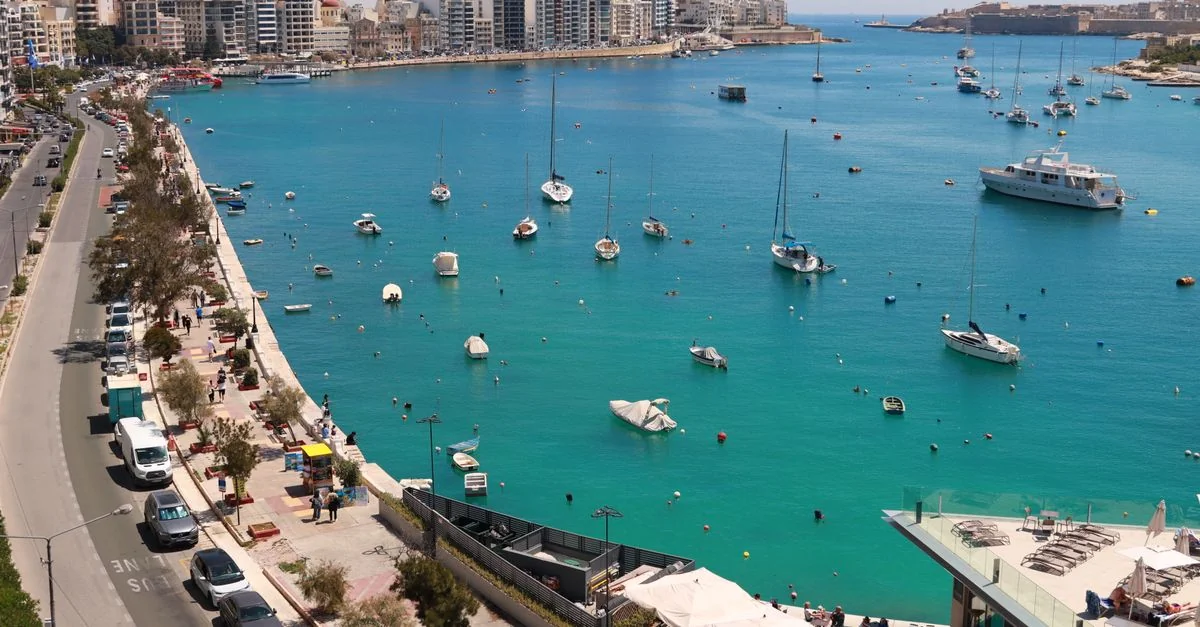
Standing on the rocky limestone promenade of Sliema, watching the golden limestone fortifications of Valletta catch the late afternoon light across Marsamxett Harbour, I find myself thinking about the sheer density of ancient human endeavor packed into these Mediterranean islands. While many travelers view this Maltese coastal town merely as a modern hub of cafes and shopping malls, it serves as an ideal base for exploring the deeper creative and historical strata of the Maltese archipelago. The air here carries the scent of salt and dry earth, a sensory prelude to the monumental archaeology waiting just beyond the modern streetscape. Why Sliema Is ideal for Art and History Lovers # When you study the silhouette of Valletta from the Sliema waterfront, you are looking at a masterclass in military architecture conceived by the Knights of St. John following the Great Siege of 1565. Yet, the cultural narrative of Malta reaches far deeper than the Baroque facades of the capital. Sliema itself grew from a quiet fishing village centered around a small chapel dedicated to Our Lady Star of the Sea—known locally as Stella Maris—into a fashionable residential resort for Valletta’s gentry in the nineteenth century.