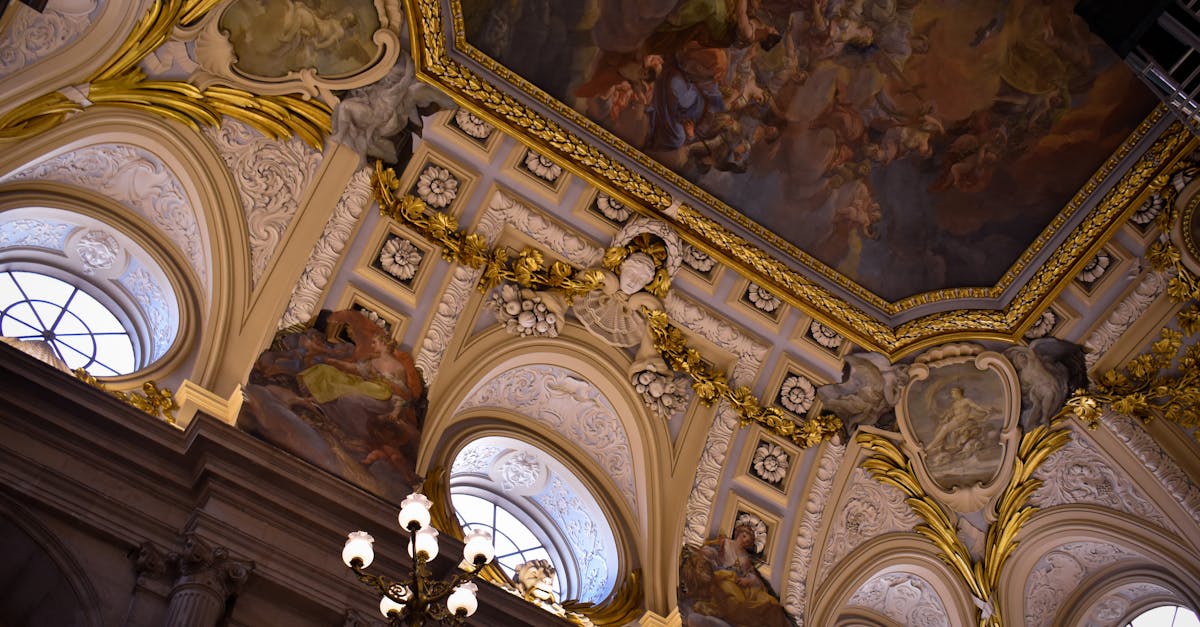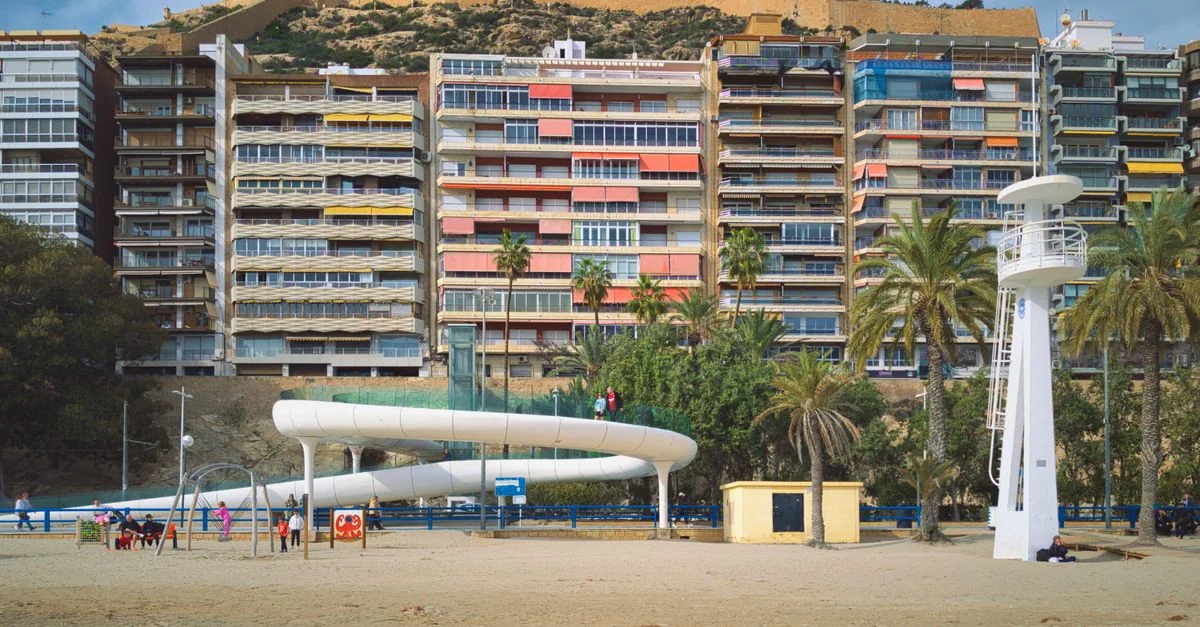
The moment I stepped into the grand hall of the Alicante Archaeological Museum, the sheer scale of the artifacts on display left me breathless. The intricate carvings of the Roman columns, the vivid mosaics from the ancient city of Elche , and the towering statue of the Virgin Mary all told a story of a city that had stood the test of time. Alicante, a coastal city in the eastern part of Spain , is a great destination of historical and artistic wonders, making it worth visiting destination for anyone interested in the past. Why Alicante Is ideal for Art and History Lovers # Alicante’s long history is evident in every corner of the city. The city’s roots date back to the 6th century BC, when it was founded by the Greeks. Over the centuries, Alicante has been influenced by various cultures, including the Romans, Moors, and Christians, each leaving their mark on the city’s architecture and art. The city’s strategic location has also made it a hub for trade and culture, attracting artists and scholars from all over the world.
The intricate muqarnas of the Hall of the Abencerrajes in the Alhambra catch the light just before sunrise, casting a lace‑like pattern across the stone walls. That fleeting moment is why I keep returning to Granada (GR) – the city’s layers of Moorish architecture, Renaissance art, and centuries‑old streets feel like walking through a living museum. Below is my full guide to the cultural highlights that truly deserve a place on your itinerary, complete with practical tips to make each experience run smoothly. Why GR Is ideal for Art and History Lovers # Granada’s story is written in stone, tile, and the rhythm of its neighborhoods. The Alhambra, a UNESCO World Heritage site, showcases Nasrid palace design at its peak, while the adjacent Generalife gardens reveal the Islamic love of water and geometry. Just a short walk downhill, the Albaicín district preserves the winding alleys of the old Moorish quarter; from its mirador you can see the Alhambra’s towers framed against the Sierra Nevada. A few minutes farther, the Sacromonte hills host the famous cave houses where flamenco was born, offering a glimpse of the city’s gypsy heritage.
Standing beneath the red-and-white double arches of the great hypostyle hall, light filtering softly through the stone lattice work, I felt the profound weight of Islamic architecture in Islamic Spain . This monument, begun in the eighth century under Abd al-Rahman I, set the aesthetic tone for centuries of Andalusian design. When you travel through CO, your days are defined by this kind of architectural grandeur, alongside narrow medieval lanes and sweeping archaeological ruins that document the shifting powers of the Iberian Peninsula. Why CO Is ideal for Art and History Lovers # CO operates as an open-air archive where Roman, Islamic, and medieval Christian influences collide. You see it in the surviving Roman bridge spanning the Guadalquivir River, and you feel it in the maze-like streets of the old town. The city’s cultural gravity centers on its UNESCO-listed monuments and the archaeological remains of palatine cities just beyond the modern limits.
The intricate stucco work on the facade of the Cathedral of Murcia serves as a stark reminder of the architectural evolution that defines this region. Standing before the ornate, baroque exterior, one can trace the transition from the foundational Islamic influences to the later Christian overlays that characterize the city’s skyline. It is this specific intersection of eras—where the remnants of the Almohad period meet the grandeur of later centuries—that makes exploring the local landscape so compelling for anyone interested in the physical manifestation of history. Why MU Is ideal for Art and History Lovers # MU functions as a living archive of the Iberian Peninsula’s complex past. The city does not merely house artifacts in sterile rooms; rather, the streets themselves act as a conduit to the past. Walking through the center, you notice how the urban layout preserves the footprint of the medieval medina. For those of us who prioritize archaeology, the significance of these sites lies in the ability to touch walls that have stood for nearly a millennium. The local focus on preserving Islamic archaeological sites provides a rare opportunity to understand the sophisticated irrigation and urban planning systems that allowed this region to flourish in the arid climate of the southeast.
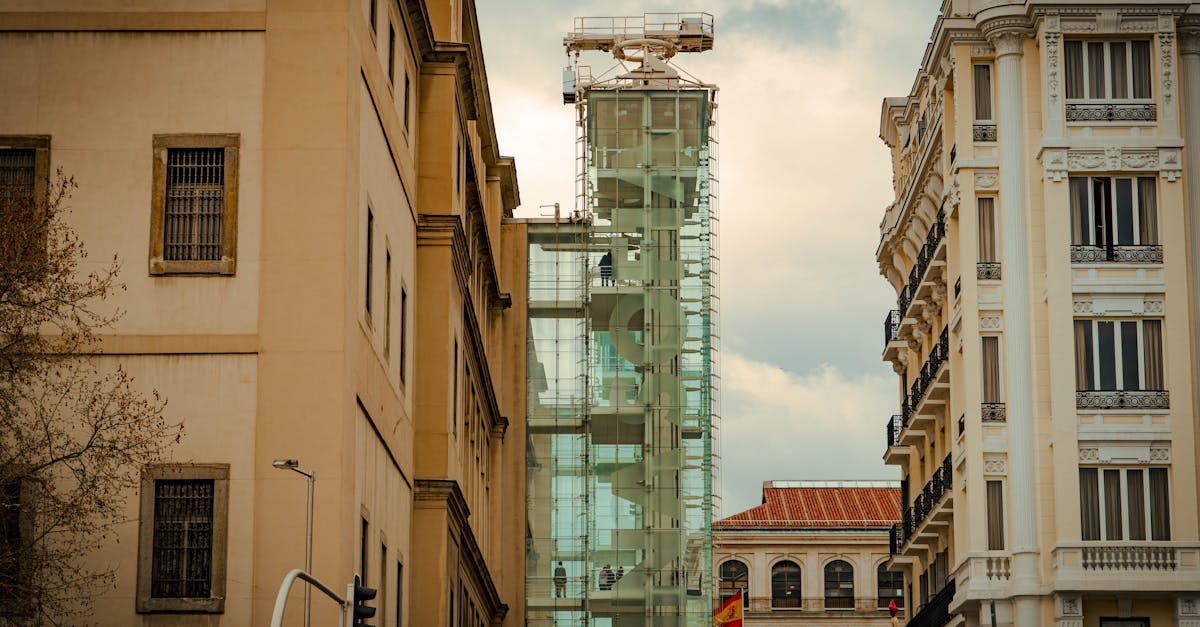
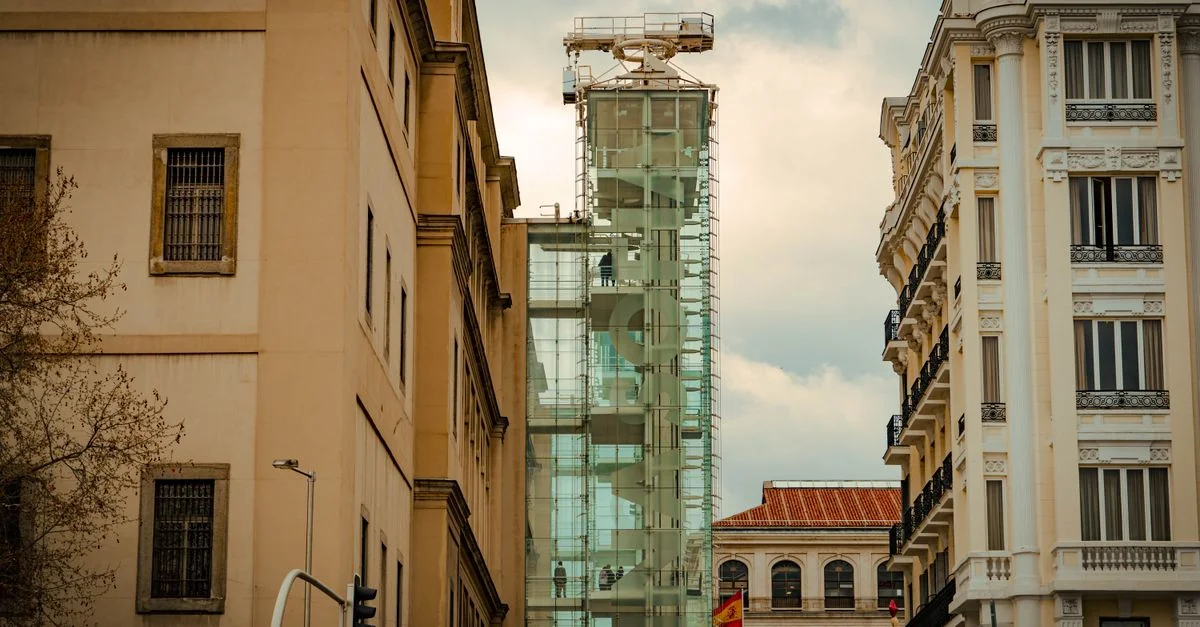
Photo by Esteban Arango on Pexels Standing before Picasso’s “Guernica” at the Reina Sofia Museum is a moment that resonates deeply within me. The sheer scale and emotional weight of this masterpiece capture the turmoil of war and the resilience of humanity. Experiencing such art in person is a reminder of the power that cultural expressions hold. Madrid , with its rich artistic landscape, offers countless opportunities to explore and appreciate art in various forms.
Photo by Jose Antonio Gallego Vázquez on Pexels Why MA Is ideal for Art and History Lovers # Photo by Jose Rodriguez Ortega on Pexels As I strolled through the sun-soaked streets of MA, I couldn’t help but be captivated by the architectural beauty that surrounds me. The intricate details of the buildings whisper stories of the past, and I found myself drawn to the historic charm of the city. One highlight that stood out was the stunning combination of Moorish and Renaissance influences evident in the local architecture.