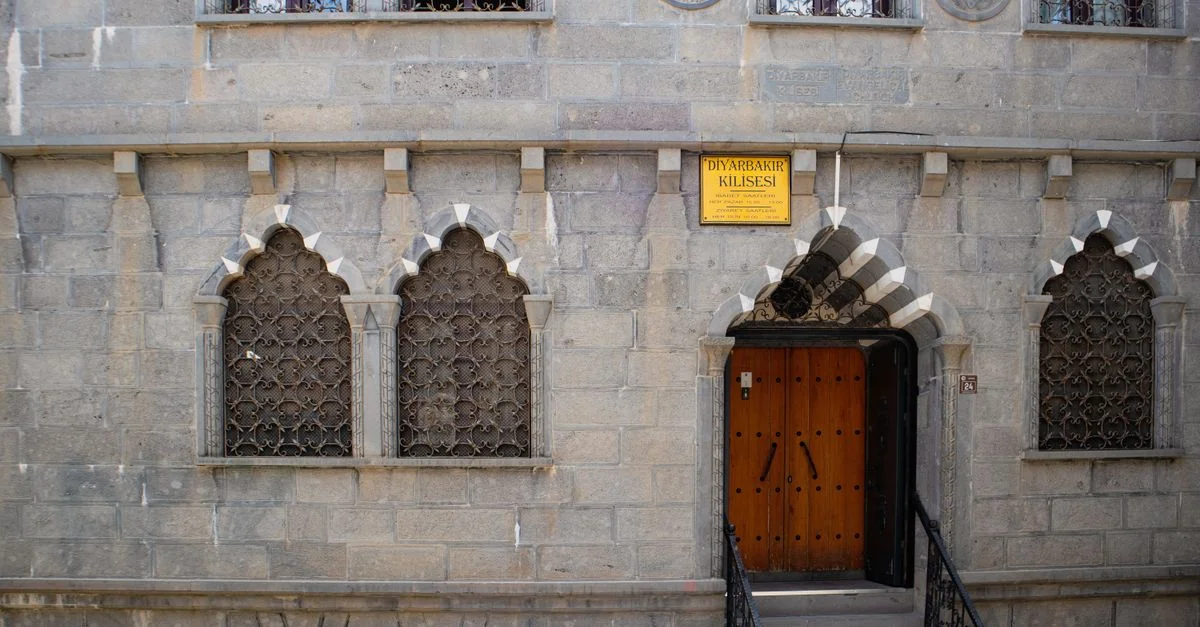
Standing inside the multi-tiered chambers carved into the volcanic tuff of Central Anatolia, I always find myself examining the precise tool marks left by ancient stone cutters who shaped these subterranean communities centuries ago. Nevşehir Merkez serves as the administrative heart of the Cappadocia region, acting as the primary gateway to monumental engineering feats carved deep into the earth. When I travel here, my focus centers entirely on the archaeology, the stratified architectural history, and the profound human effort required to carve entire cities out of soft volcanic rock. Why Nevşehir Merkez Is ideal for Art and History Lovers # Art and history in Nevşehir Merkez do not reside solely inside traditional climate-controlled galleries; they are embedded directly into the geological landscape. The region’s historical significance stems from defensive architecture and early Christian settlements that utilized underground networks to escape successive waves of invaders. Walking through these ancient corridors reveals stables, storage rooms, kitchens, and churches hewn from the living rock with remarkable geometric precision.
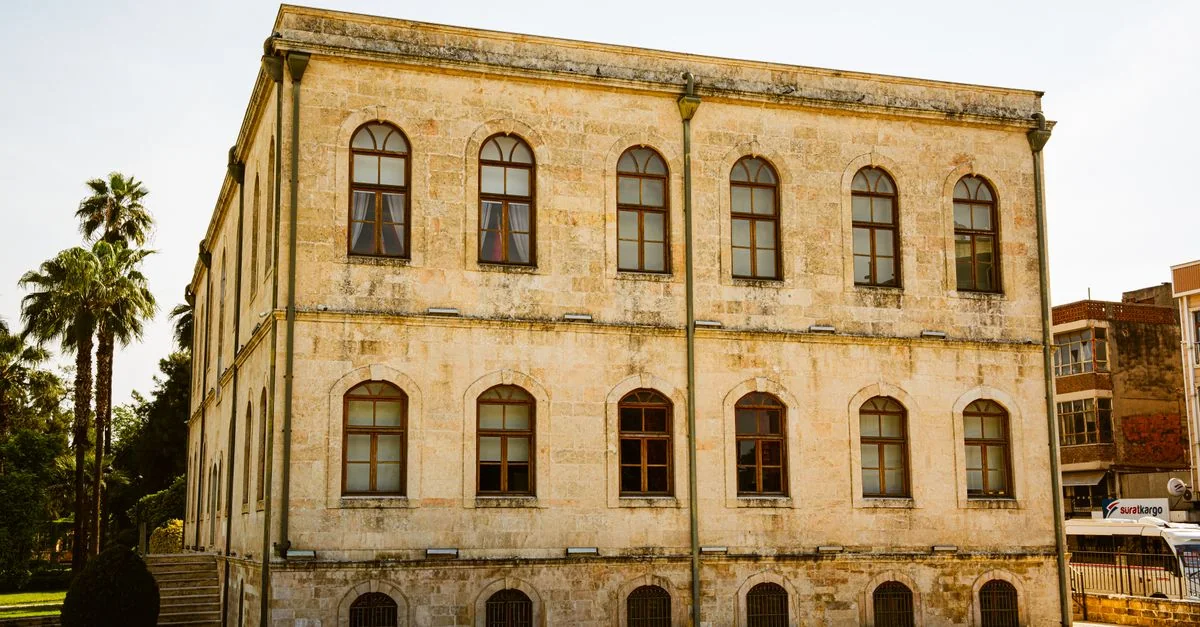
Standing before the carved stone reliefs of the historic Kaleiçi district, I traced the rough edges of centuries-old architecture where ancient Mediterranean trade routes once converged. Muratpaşa , the pulsing heart of Antalya , holds layers of human creativity that stretch from classical antiquity down to modern performance arts. As a traveler who tracks civilizations through their brushstrokes, textiles, and public monuments, I found this stretch of the Turkish coast to be a quiet revelation. It is a place where every restored Ottoman konak and sun-bleached ruin tells a story of aesthetic endurance. Why Muratpaşa Is ideal for Art and History Lovers # The physical geography of Muratpaşa—clinging to limestone cliffs above the turquoise Gulf of Antalya—has drawn creators and empires for millennia. Walking through the narrow alleys of Kaleiçi, you encounter the architectural footprints of the Hellenistic, Roman, Byzantine, and Ottoman periods standing side by side. The fluted minaret of Yivli Minare, built by the Seljuk Sultan Kayqubad I in the 13th century, remains a masterclass in brick geometry and turquoise tilework. Meanwhile, Hadrian’s Gate, erected in honor of the Roman emperor’s visit in 130 CE, frames the modern city with intricately carved marble acanthus leaves and lion-head motifs that have survived two thousand years of seismic shifts.