
Stepping onto the stone‑cobbled streets of Mjini, the first thing that catches my eye is the intricate wooden door of a centuries‑old merchant house, its carvings telling stories of trade, faith, and daily life. That doorway is more than an entrance; it is a portal into a layered past where archaeology, architecture, and living traditions intersect. In the following pages I’ll share why Mjini deserves a spot on any art‑lover’s itinerary, how to make the most of its limited but high‑quality tours, and practical ways to stretch each shilling while still experiencing the city’s cultural heartbeat. Why Mjini Is ideal for Art and History Lovers # Mjini’s urban fabric reads like an open‑air museum. The city’s layout preserves the grid of an ancient Swahili settlement, and every alleyway is punctuated by coral‑lime walls, ornate plasterwork, and brass lanterns that have survived centuries of trade across the Indian Ocean. The blend of Arab, Persian, Indian, and African influences is evident not only in the architecture but also in the decorative arts displayed in local galleries and community spaces.
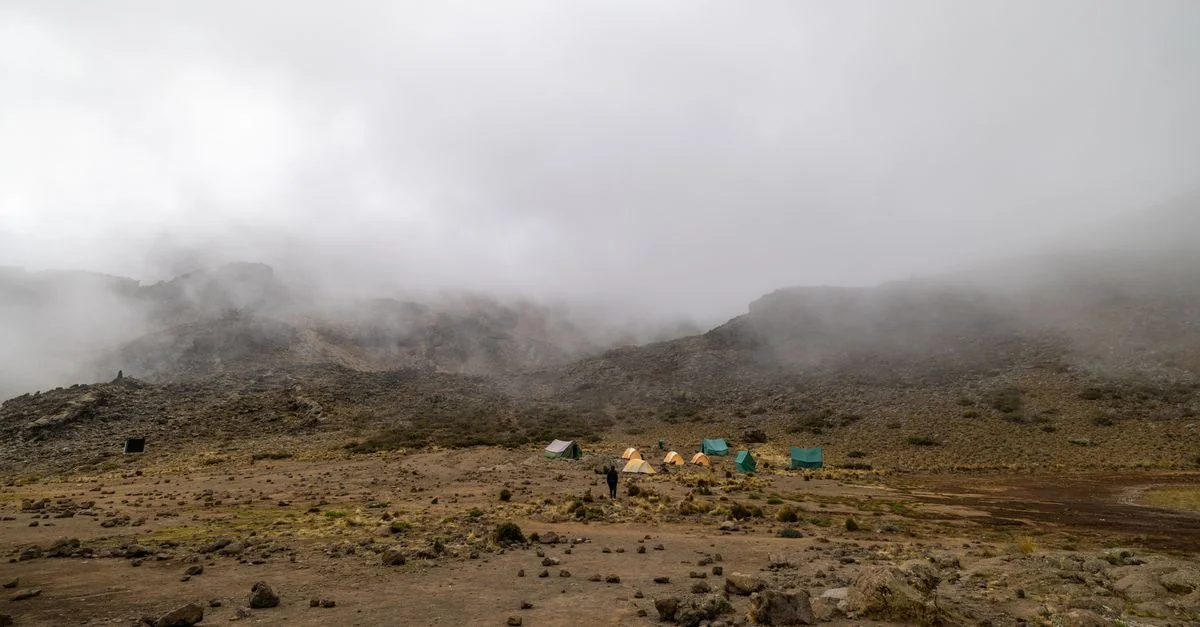
The limestone formations of the Amboni Caves, with their jagged, cathedral-like ceilings and echoing chambers, provide a stark reminder of the geological history that shapes Tanga. Standing inside these caverns, one feels the weight of centuries, a silence that speaks louder than any plaque or guidebook. Tanga is not a city that shouts its history; it whispers it through the karst landscapes and the quiet, winding paths of the Usambara Mountains. For those of us who prefer our travel grounded in the physical remnants of the past and the tactile nature of local craft, this coastal city offers a grounded, authentic experience. Why Tanga Is ideal for Art and History Lovers # Tanga serves as a gateway to understanding the intersection of coastal Swahili culture and the deep, rugged interior of Tanzania. The appeal here lies in the contrast between the subterranean art of the caves and the ancient, forested highlands that have sheltered communities for generations. When you walk through the Magoroto Forest Estate, you are not just looking at trees; you are engaging with an environment that has been shaped by agricultural history and colonial-era industry. Similarly, the Usambara Mountains offer a look into the lives of the Shambaa people, whose history is etched into the very slopes of the peaks.