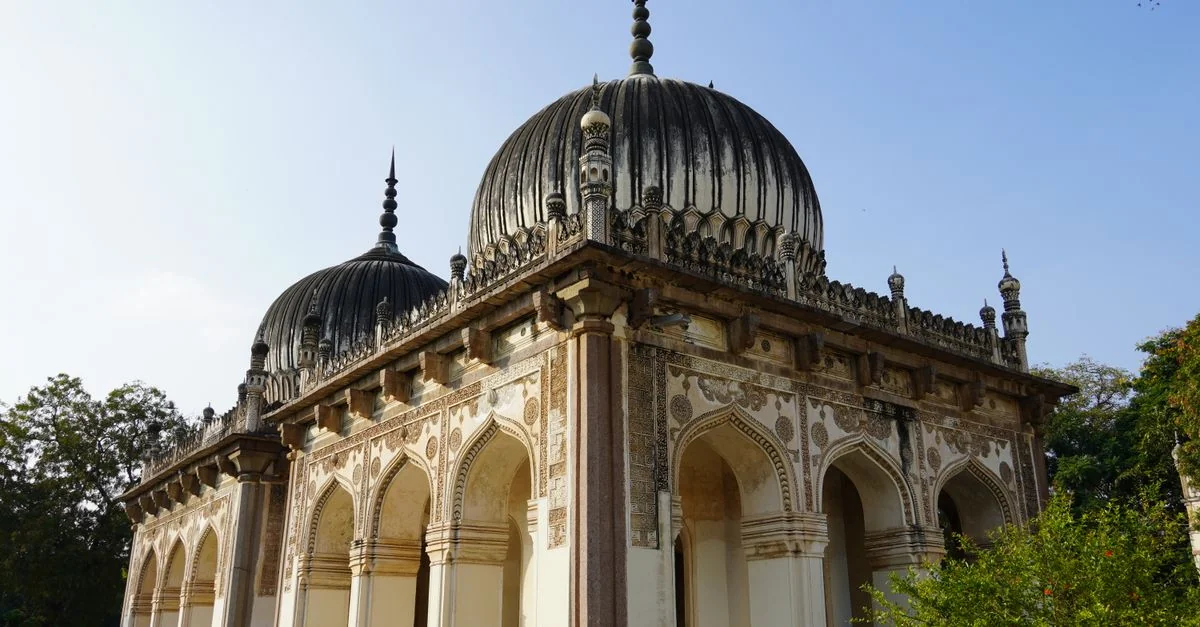
Telangana: A Study in Stone and Sultanate Architecture
The four minarets of the Charminar rise above the old city of Hyderabad like a limestone compass, their stucco ornamentation reflecting the Qutb Shahi dynasty’s preference for Indo-Islamic precision. Standing at the base of this structure, you notice the intricate carvings that have withstood centuries of monsoon rains and urban expansion. It is here, in the heart of Telangana, that the past remains physically present, etched into the granite of fortresses and the delicate arches of mosques. Understanding this region requires moving beyond the surface level of modern transit and focusing on the specific engineering feats of the Deccan Plateau. Why Telangana Is ideal for Art and History Lovers # Telangana serves as a bridge between the architectural traditions of the north and the Dravidian motifs of the south. The history here is defined by the transition from the Kakatiya dynasty to the Bahmani and Qutb Shahi rulers, a sequence that left behind a distinct visual language. You see this in the geometric patterns of the tombs and the defensive walls of the Golconda Fort, which utilize acoustic engineering that still functions today.