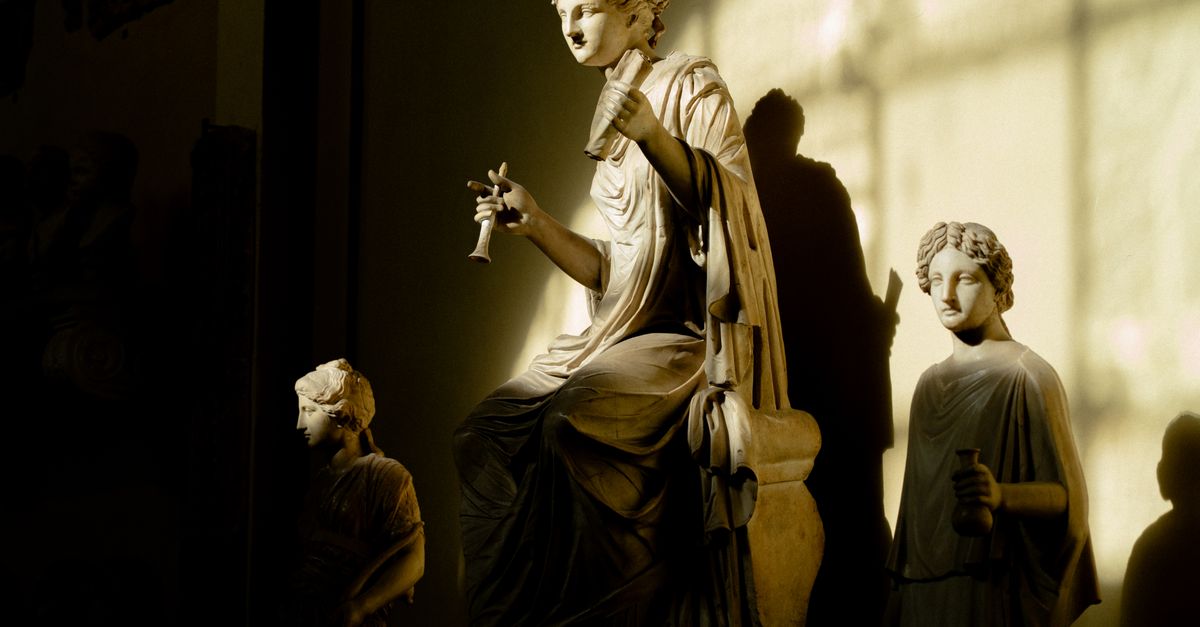
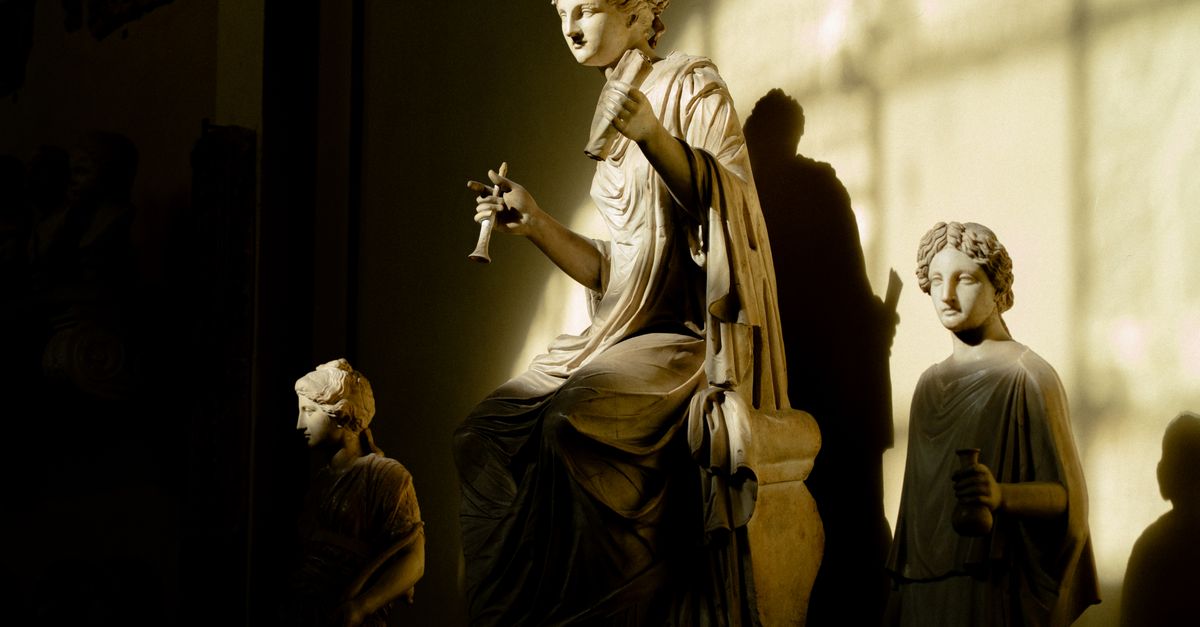
The moment I stepped into the ruins of Perge, the ancient city that lies just a short drive from Beldibi , I was transported back to a time when the world was a different place. The Temple of Apollo, with its intricate Doric columns and the remains of its once-grand interior, stood as a testament to the ingenuity and artistry of the ancient Greeks. The shadows of the afternoon sun cast long, dramatic lines across the stones, making the ruins feel even more alive. It was a stark reminder of the city’s long history and the importance of preserving it for future generations. Beldibi, a small town in Turkiye , may not be the first place that comes to mind when thinking about art and history, but it is a lesser-known spot for those who are willing to explore beyond the tourist hotspots. The town is a gateway to some of the most significant archaeological sites in the region, offering a unique opportunity to step back in time and experience the past firsthand.
The ancient city of Hierapolis, now a UNESCO World Heritage Site, stands as a testament to the long history of Aksu . The city’s well-preserved ruins, including the Great Bath , the Temple of Apollo, and the Basilica, offer a glimpse into the past and are worth visiting for any history lover. Why Aksu Is ideal for Art and History Lovers # Aksu is a city that seamlessly blends art and history, making it a perfect destination for culture enthusiasts. The city’s art scene is lively, with numerous galleries and studios showcasing the works of local artists. The Aksu Art Gallery, for instance, is a great for contemporary art lovers, featuring works by both local and international artists. The gallery’s modern and minimalist design complements the art on display, creating a serene and contemplative atmosphere.

I always judge a coastal destination by how it treats its ghosts. Standing before the massive stone blocks of the Castle of St. Peter, where medieval crusaders carved their coats of arms into ancient Mausoleum marble, I knew Bodrum City understood its past. This isn’t just a sun-drenched resort town on the Turkish coast; it is the ancient site of Halicarnassus, a place where monumental architecture and maritime trade once shaped the classical world. When I wander these alleyways, I am looking for the physical traces of ancient sculptors, maritime traders, and Ottoman strategists who left their marks on the Aegean. Why Bodrum City Is ideal for Art and History Lovers # Long before modern yachts filled the marinas, Halicarnassus was home to Artemisia and King Mausolus, whose monumental tomb set such a high architectural standard that we still call large tombs mausoleums today. The city’s artistic soul today lives inside the medieval fortress guarding the harbor, which now houses the Museum of Underwater Archaeology. Here, ancient shipwrecks—including the famous Uluburun wreck dating back to the Late Bronze Age—tell the story of early Mediterranean commerce and craftsmanship through preserved glass ingots, pottery, and jewelry.
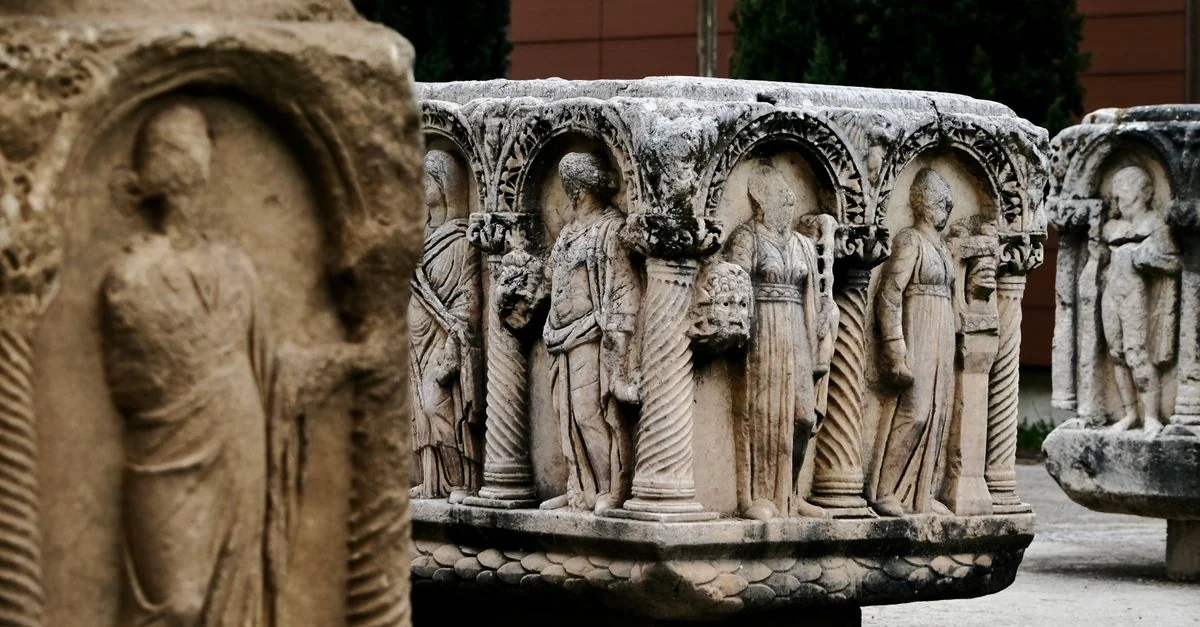
In the 4th century BC, a massive earthquake fractured the earth along the Lycian coast, sliding the ancient harbor town of Simena partially beneath the turquoise waves of the Mediterranean. Today, standing at the water’s edge in Kekova, I trace the outline of stone staircases descending directly into the sea, meeting ancient sarcophagi that jut out from the shallows like stone islands. This ruined landscape sets the tone for any traveler interested in the physical layers of human history etched directly into the Lycian geography. Why Kekova Is ideal for Art and History Lovers # When you walk the ruins of Simena or gaze down through the water at the Sunken City, you are interacting with architecture and sculpture created by civilizations that mastered carving living rock. The necropolis features Lycian sarcophagi—monumental tombs shaped like upturned wooden ships, reflecting the maritime culture of the ancient inhabitants. Unlike cities built of temporary wood, these stone monuments survive as enduring sculptures shaped by master masons using simple iron chisels and geometric precision.
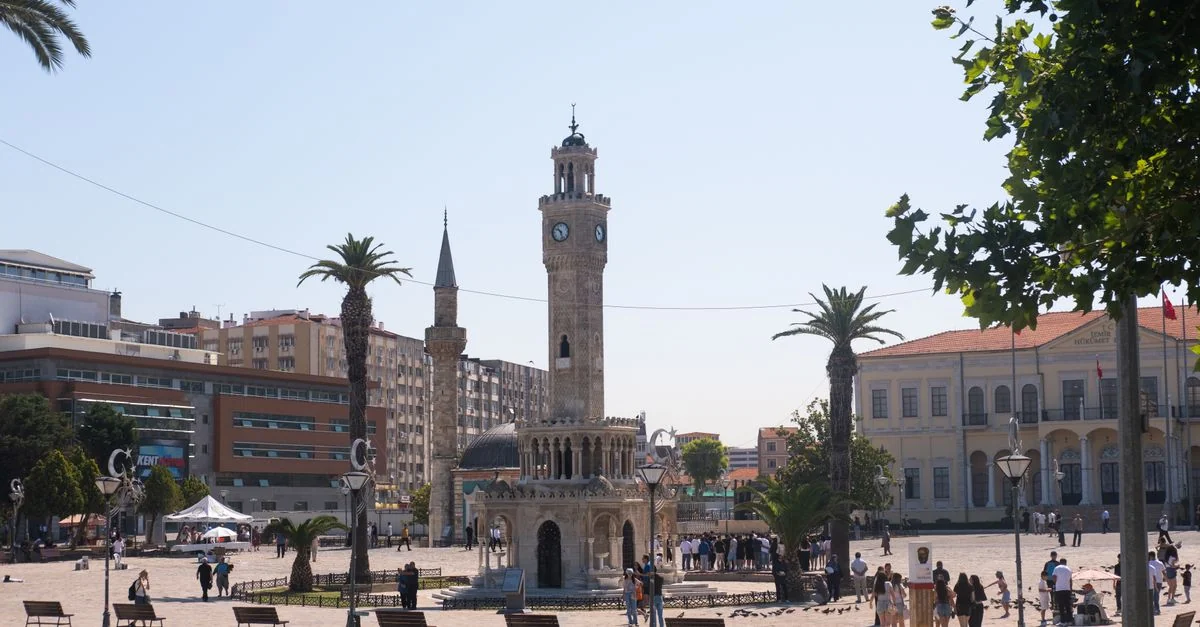
Standing before the reconstructed facade of the Library of Celsus at Ephesus, watching the Mediterranean sunlight hit the second-century marble columns, you realize why this region shaped the ancient world. Izmir and its surrounding archaeological zones offer a direct line to antiquity that few destinations can match. As someone who travels specifically to understand the layers left behind by Hellenistic, Roman, and early Christian civilizations, I approach this coastal Turkish hub not just as a transit point, but as an open-air museum. Why Izmir Is ideal for Art and History Lovers # The physical scale of the ruins near Izmir forces you to adjust your perspective on ancient engineering and urban planning. Walking down the marble-paved Curetes Street in Ephesus, past the terrace houses with their remarkably preserved frescoes and mosaics, you witness the domestic life of the Roman elite. Every carved frieze of Medusa, every architectural fragment in the local museums, speaks to a high point in classical artistic expression.
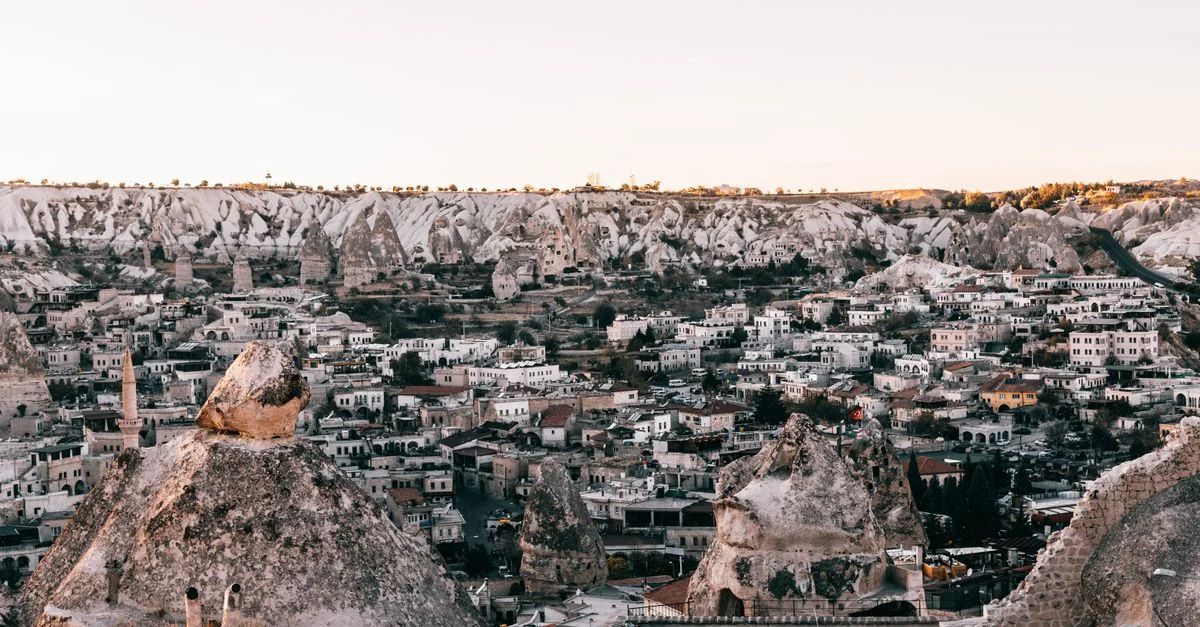
Standing inside the dark interior of the Buckle Church, the 10th-century indigo frescoes caught the dim afternoon light, revealing an intensity of lapis lazuli pigment that painters imported at great expense from distant mines. When traveling through this landscape of eroded volcanic rock, understanding the historical layers carved directly into the stone transforms the trip from simple sightseeing into an archaeological investigation. Why Goreme Is ideal for Art and History Lovers # Goreme operates as an open-air archive where Byzantine iconography intersects with geological formations sculpted by centuries of wind and water. The monastic complexes here hold wall paintings executed in red ochre, white lime, and expensive blues, depicting saints and biblical narratives directly into volcanic tuff.
The moment I stepped into the rock‑carved sanctuary of the Church of St. John the Baptist in Cavusin, the centuries‑old frescoes greeted me with a muted palette of ochre and lapis that seemed to whisper stories of Byzantine monks. That quiet encounter set the tone for my entire visit to this hillside village, where every stone and gallery holds a dialogue between past and present. Below is my full‑day itinerary, practical tips, and the one tour that truly captures the artistic spirit of Cavusin.
The first thing that strikes you is not the color of the Mediterranean water, but the way light interacts with stone and stagecraft after sunset. In Belek , the cultural narrative does not unfold in the quiet, dust-mote filled silence of a traditional gallery. Instead, it erupts in a theatrical explosion of pyrotechnics, aerial acrobatics, and storytelling that transforms the resort town into a living stage. I arrived expecting a typical coastal getaway, but I found myself watching a narrative unfold that blended ancient myth with modern spectacle. The Land of Legends Night Show is not merely entertainment; it is a curated art experience that demands your full attention. It is here, under the open sky, that the true cultural pulse of this region beats, offering a unique intersection of performance art and historical homage.
Photo by Nurefşan Çalışkan on Pexels Standing in the ancient theater of Side , I was struck by the intricate carvings that adorned its stone façade. This remarkable structure, dating back to the 2nd century AD, has witnessed countless performances and gatherings, each echoing the stories of the past. The theater is not just a relic; it’s a testament to the rich artistic and cultural mix of this coastal town. For anyone passionate about art and history, Side offers an abundance of experiences that are both enlightening and enjoyable.
Photo by Gül Işık on Pexels Standing in the ancient city of Ephesus, I was captivated by the Library of Celsus, its grand façade still exuding an air of authority and wisdom after centuries of wear. The intricate details of its columns and the delicate carvings that adorn its entrance tell stories of a time when this was one of the most important libraries in the Roman world. Ephesus is just one of the many cultural treasures you can explore in Selcuk, a town that serves as a gateway to history and art.