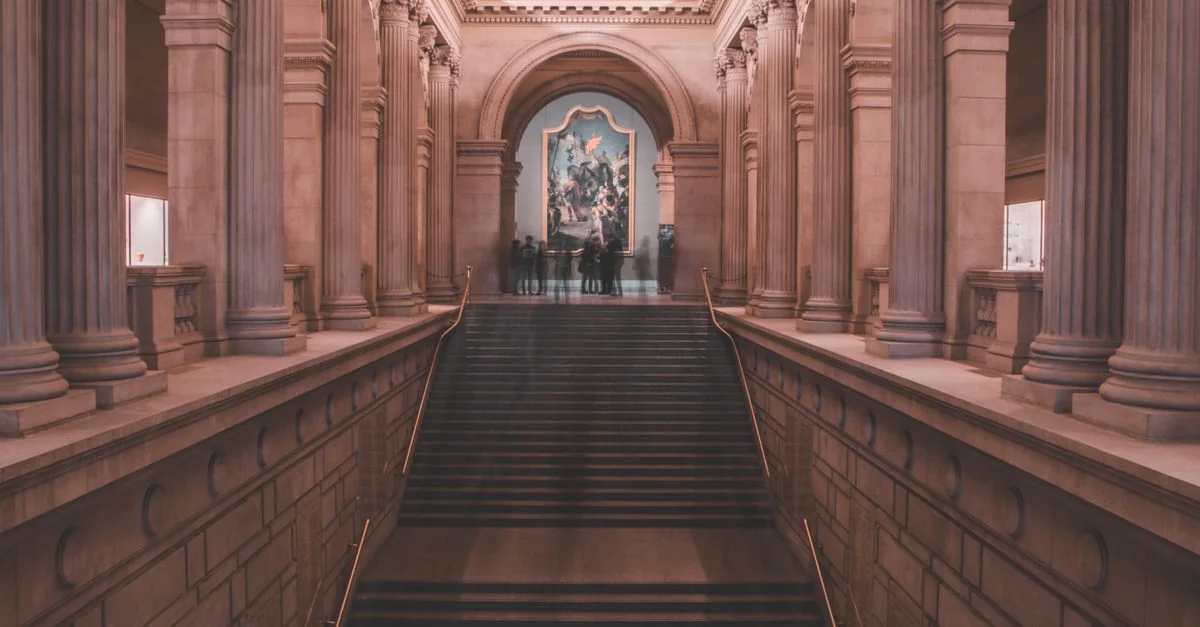
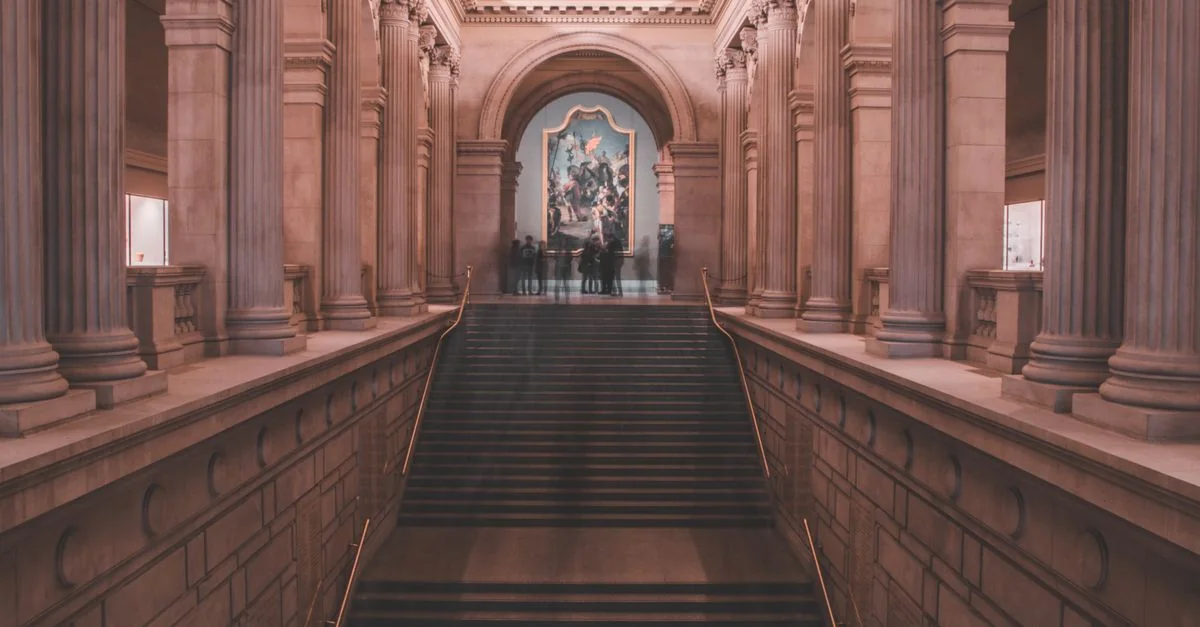
I remember the first time I stepped off the boardwalk in Myrtle Beach and turned my back to the Atlantic. The air was thick with the scent of salt and charcoal, but what caught my eye was not the neon lights of the arcades, but the quiet, weathered texture of a historic brick facade on Ocean Boulevard. It was a small detail, a remnant of the town’s early 20th-century identity as a summer retreat for the elite, but it signaled something deeper. Myrtle Beach is often reduced to a popular with families seeking sun and sand, yet beneath that surface lies a layered history of coastal architecture, local artistry, and a community that has evolved far beyond its postcard image. For the traveler who wants to understand the soul of a place rather than just consume its amenities, the cultural offerings here are subtle but significant. They require a shift in perspective, a willingness to look past the obvious and engage with the local narrative. Why Myrtle Beach Is ideal for Art and History Lovers # The misconception that Myrtle Beach lacks depth is one I have encountered often, and it is one I am eager to dismantle. The city’s history is inextricably linked to the development of the South Carolina coast, a story that begins with indigenous peoples and moves through the era of industrialization and tourism. To understand this, you must look at the physical landscape. The architecture along the central boulevard tells a story of prosperity and seasonal migration. There are Art Deco influences in the older hotels, a nod to the glamour of the 1920s and 30s when the area was a destination for those seeking escape from the mainland. This architectural heritage is not just background noise; it is a primary text that defines the local identity.

The first thing that strikes you about the Crane Estate is not the size of the house, but the silence of the gardens. As you step off the carriage path and approach the main entrance of this 1905 mansion, the air smells of damp earth and old pine. It is a place where the architecture does not shout for attention but instead commands it through proportion and light. The white clapboard siding, the deep eaves, and the way the structure sits atop a bluff overlooking the Ipswich River create a visual rhythm that feels both deliberate and inevitable. This is not a place for a quick photo op; it is a setting for slow observation. For those who appreciate the intersection of landscape design, architectural history, and New England domestic life, this single location offers a depth of experience that few other day trips from Boston can match. Why Ipswich Is ideal for Art and History Lovers # Ipswich, Massachusetts, often flies under the radar for travelers who are fixated on the dense museum clusters of Boston or the coastal drama of Cape Cod. However, for the art and history enthusiast, this town offers a specific kind of cultural density that rewards patience. The town’s identity is deeply intertwined with the early 20th-century “Gilded Age” of New England, a period when wealthy industrialists and their families retreated to the coast to build estates that blended domestic comfort with artistic ambition. The Crane Estate is the culmination of this era. It was designed by the architectural firm of Peabody and Stearns, who also designed the famous Biltmore Estate in North Carolina, but here the scale is more intimate, allowing for a closer inspection of the craftsmanship.

The moment I stepped into the Hilo Museum’s archaeological exhibit, I was transported back to a time when ancient civilizations thrived. The meticulously displayed artifacts, each telling a story of a different era, left an indelible mark on my mind. This is the kind of experience that makes Hawaii County worth visiting destination for art and history enthusiasts. Why Hawaii County Is ideal for Art and History Lovers # Hawaii County, or the Big Island, is a great destination of cultural and historical sites. From the ancient Hawaiian ruins to the modern art galleries, there’s something for everyone. The Hilo Museum, for instance, is worth visiting. It houses a vast collection of artifacts that span thousands of years, offering a glimpse into the long history of the region. The museum’s archaeological exhibit is particularly fascinating, with artifacts ranging from ancient Hawaiian tools to more recent historical items. The best part? Admission is free, so you can explore at your own pace.

Standing before the weathered brick and wrought-iron details of nineteenth-century architecture along the Mississippi River corridor, I often find myself thinking about the layers of music, visual art, and historical struggle that shaped this landscape. Shelby County, anchored by Memphis and its surrounding communities, holds a distinct place in American cultural history. This is where the blues found its electric heartbeat, where civil rights history was forged in concrete and courage, and where contemporary painters and sculptors continue to find their voice. When I travel here, my goal is always to move past the superficial tourist stops and engage directly with the physical spaces, galleries, and roadways that tell the story of the region. Why Shelby County Is ideal for Art and History Lovers # The cultural footprint of Shelby County extends far beyond standard museum galleries. You see it in the public murals splashed across downtown walls, the bronze statues honoring blues pioneers, and the design of historic neighborhoods that preserve decades of architectural evolution. Visual art here is deeply intertwined with sound. Every street corner seems to echo with the lineage of soul, rock and roll, and rhythm and blues, which naturally influences the local contemporary art scene. Galleries feature works by regional painters who document the changing Delta landscape, while community spaces host exhibitions that confront the complex social history of the American South.
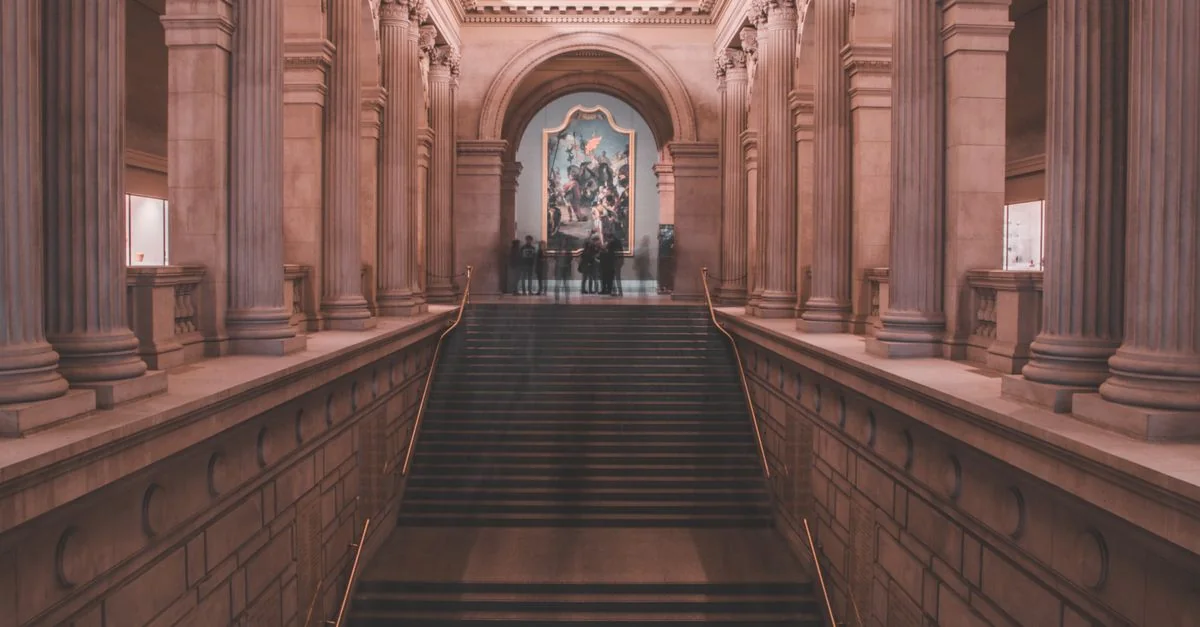
Standing before the weathered brick facade of the Alberta Arts District, you can immediately trace the physical layers of community history embedded in the neighborhood’s murals and independent galleries. Multnomah County holds a distinct creative energy, shaped by generations of makers, muralists, and neighborhood historians who turned industrial streetscapes into open-air studios. When I travel through this region, I look past the standard tourist itineraries to find the real cultural heartbeat of the streets, tracking how local residents preserve their neighborhoods through paint, public sculpture, and community organizing. Why Multnomah County Is ideal for Art and History Lovers # The creative identity of Multnomah County thrives in its neighborhood pockets, where public art functions as social commentary and historical archive. Rather than keeping history confined behind glass vitrines, the region displays its cultural evolution on exterior walls and historic storefronts. Walking down the avenues reveals how local artists document neighborhood shifts, civil rights milestones, and the enduring influence of Pacific Northwest printmakers and ceramicists.
Standing before the industrial warehouses of the Little River neighborhood, concrete facades read as open-air canvases where local artists reshape the visual language of South Florida. For years, my travels have centered on finding spaces where contemporary design intersects with everyday urban life, and this county offers a distinct industrial edge far removed from the pastel art deco postcard imagery most travelers expect. Why Miami-Dade County Is ideal for Art and History Lovers # When you peel back the layers of South Florida beyond the shoreline, you find a distinct physical geography shaped by industrial architecture, immigrant communities, and a thriving contemporary studio culture. Neighborhoods like Little River evolved from quiet manufacturing districts into expansive zones of creative production, where independent galleries occupy former machine shops and metal fabrication warehouses.

Standing before the stone masonry of Cliff Palace in nearby Mesa Verde, staring up at dwellings tucked seamlessly into the canyon walls, you immediately sense the ingenuity of the Ancestral Puebloan people who shaped this landscape centuries ago. As a traveler who prefers digging past the surface gloss of a destination to understand its historical skeleton, I found that La Plata County operates as a profound open-air museum. The region holds stories carved directly into sandstone and preserved beneath juniper-dotted mesas, offering a raw, unfiltered encounter with the American Southwest’s deep past. Why La Plata County Is ideal for Art and History Lovers # When you peel back the layers of this corner of Colorado, you discover an archaeological landscape that demands careful observation. Rather than traditional white-cube galleries, the primary canvas here is the high desert terrain itself, where ancient architecture tells the story of human resilience, adaptation, and complex societal structures. Every alcove and ruin site speaks to centuries of habitation, trade networks, and artistic expression found in pottery shards and petroglyphs.
Standing before the contemporary canvases scattered across Fulton County, I often find myself caught between the region’s historic roots and its modern creative output. When planning your days here, the traveler’s actual decision comes down to choosing between structured nighttime historical strolls or hands-on studio sessions, determining where to go, when to book, and how to avoid a wasted trip. Why Fulton County Is ideal for Art and History Lovers # Fulton County operates as a significant regional center for creative expression, drawing travelers who appreciate visual arts and localized history. The area supports distinct creative districts where galleries, studios, and public installations intersect.
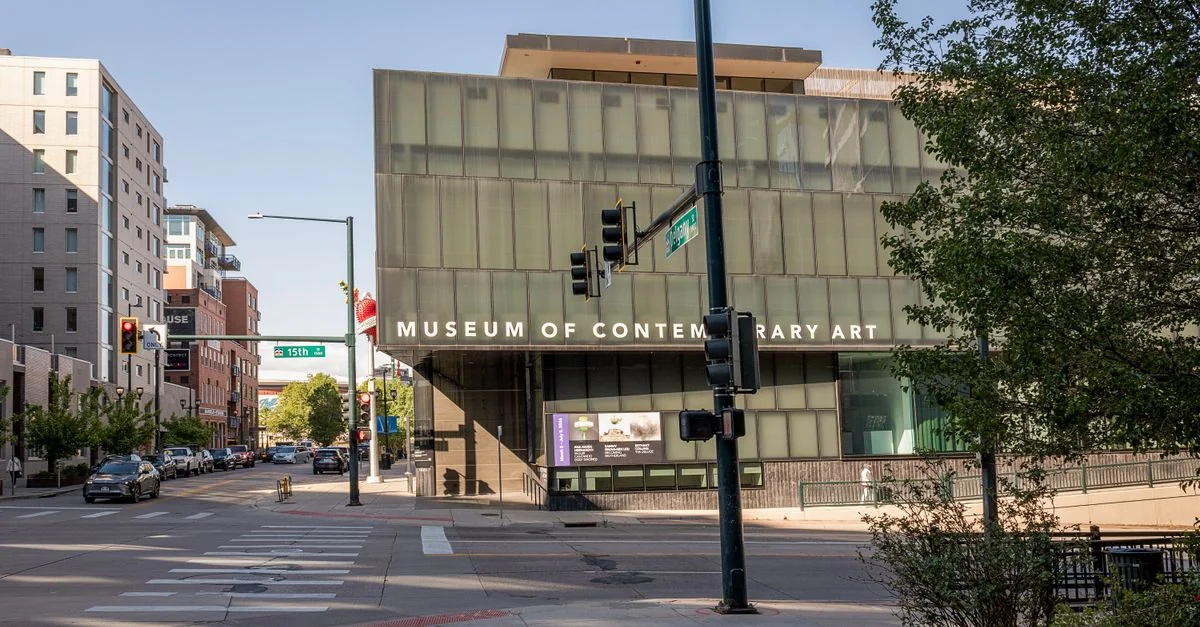
In the shadow of the San Rafael Swell, the local landscape holds deep ties to prehistoric artistry and ancient geological formations. Standing before the carved stone panels and eroded sandstone hoodoos of this Utah region, you realize that the primary creative force here is deep time itself. Wind, water, and early human inhabitants have shaped an open-air gallery that rewards deliberate observation over rushed sightseeing. If you are planning a trip to this part of the American West, your actual decision comes down to how you pace your travel across vast distances, when to visit to avoid extreme desert temperatures, what self-guided audio formats to download before losing cell service, and how to avoid wasting hours driving the wrong dirt tracks. Why Emery County Is ideal for Art and History Lovers # When you approach the eroded sandstone features of the San Rafael Swell, the sheer scale of the geology forces you to slow down and re-evaluate how humans have interacted with this terrain for centuries. Ancient Fremont people left intricate petroglyphs and pictographs on canyon walls across Emery County, serving as permanent records of their culture etched directly into the stone.
The iconic neon marquee of the Ryman Auditorium, lit against the night sky, greeted me as I stepped onto Broadway. That flash of light felt like a promise that the city’s creative pulse would keep beating long after the music faded. Davidson County, anchored by Nashville, offers a surprisingly diverse mix of visual art, historic streetscapes, and lively venues that satisfy anyone with a curiosity for culture. Below I share why this corner of Tennessee deserves a spot on your itinerary, how to make the most of the guided tours on offer, and a few practical tips to keep the day flowing smoothly.