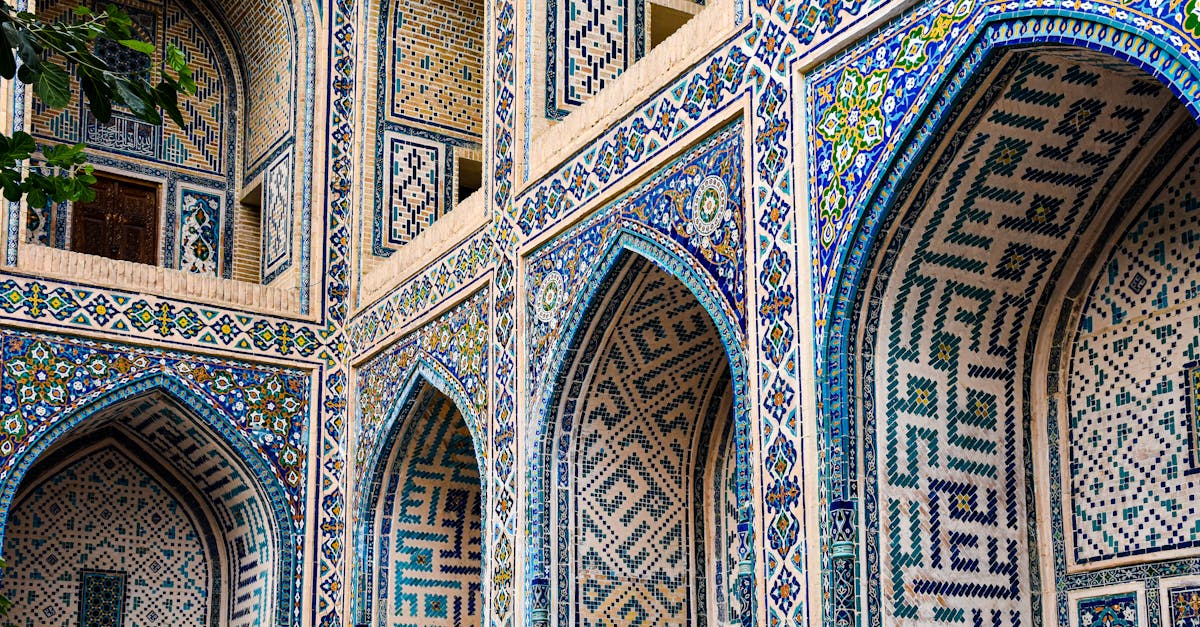
The first thing that strikes you upon entering the Ichan Kala, the walled inner city of Khiva, is not the scale of the structures, but the specific quality of the light hitting the blue-tiled minarets. It is a sharp, almost electric blue that seems to vibrate against the pale ochre of the surrounding mud-brick walls. Standing at the base of the Kalta Minor minaret, you can see where the tilework stops abruptly, roughly halfway up the structure, a frozen moment in time from the 19th century when construction halted due to the death of the ruler who commissioned it. This unfinished masterpiece serves as a perfect entry point into the city’s story, a narrative written in clay, turquoise, and stone rather than ink. Khiva is not a city that shouts for attention; it whispers through its architecture, inviting you to read the layers of history embedded in every archway and courtyard. For those who appreciate the intersection of archaeology and aesthetic preservation, this place offers a concentrated dose of Central Asian heritage that is rare to find elsewhere. Why Khiva Is ideal for Art and History Lovers # When I first arrived in Khiva, I was prepared for the typical tourist experience of walking past a few monuments and moving on. I was wrong. The density of historical significance here is overwhelming in the best possible way. The city is essentially an open-air museum where the artifacts are the buildings themselves. You are not looking at a replica or a reconstruction; you are standing in the original spaces where khans ruled, scholars debated, and artisans crafted goods for trade routes that spanned continents. The architectural style is a distinct blend of Persian, Arab, and local Uzbek traditions, resulting in a visual language that is both intricate and harmonious.
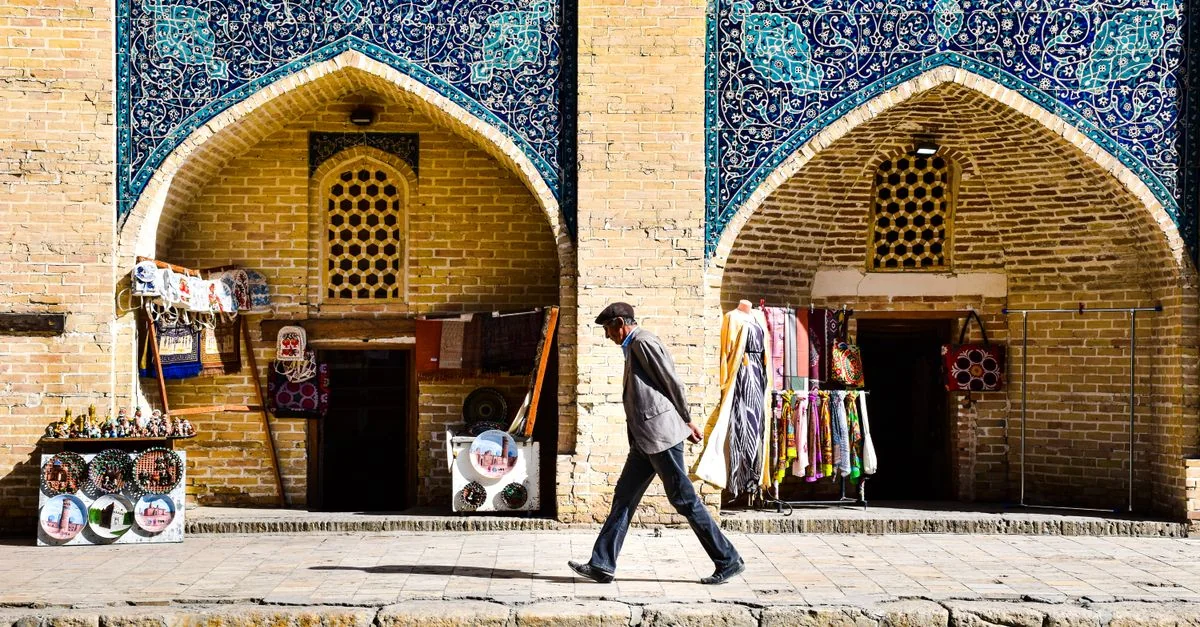
Standing beneath the soaring concrete arches of Toshkent’s Hotel Uzbekistan, tracing the intricate geometric patterns of its concrete brise-soleil facade, you immediately understand that this city operates on a different architectural frequency than its ancient neighbors. While Samarkand and Bukhara draw travelers with turquoise-domed madrasas, Toshkent offers a masterclass in mid-century Soviet monumental design overlaid with a living Central Asian arts scene. I spent weeks walking these broad avenues, examining mosaic murals bolted to residential apartment blocks, and exploring the layers of history preserved in the city’s exhibition halls. This guide details how to navigate the cultural landscape of Toshkent, focusing strictly on verifiable experiences, authentic artistic heritage, and the exact tour options available to travelers on the ground. Why Toshkent Is ideal for Art and History Lovers # Toshkent functions as the primary gateway to Uzbekistan, yet many travelers bypass its cultural offerings in a rush to reach the Silk Road monuments further west. That is a mistake. The city’s identity was dramatically reshaped by the devastating 1966 earthquake, which leveled large portions of the historic center. In response, architects and artists from across the Soviet Union arrived to rebuild the capital, creating a unique urban laboratory.
Photo by AXP Photography on Pexels
Why Samarkand Is ideal for Art and History Lovers # Photo by Yaşar Başkurt on Pexels
As I wandered through the streets of Samarkand, I was struck by the intricate tile work of the Registan, particularly the mesmerizing patterns that adorn the Shah-i-Zinda necropolis. This architectural marvel speaks volumes about the city’s historical significance and artistic prowess. Samarkand, once a crucial stop along the Silk Road, has been a melting pot of cultures, where Persian, Islamic, and Central Asian influences converge. The delicate artistry of the mosaic tiles and the grandeur of the minarets offer a glimpse into the city’s storied past.